• Login / Join
  • About
  • •
  • Contact
  • •
  • Advertising
bustler logo
bustler logo
  • News
  • Competitions
  • Events
  • Bustler is powered by Archinect
  • Sign up for Bustler's Email Newsletters

  • Follow these Bustler feeds:

  • Search

    Search in

  • Submit

    What are you submitting?

    News Pitch
    Competition
    Event
  • Login / Join
  • News|Competitions|Events
  • Search
    | Submit
    | Follow
  • Search in

    What are you submitting?

    News Pitch
    Competition
    Event

    Follow these Bustler feeds:

  • About|Contact|Advertising
  • Login / Join

Samuel Bravo wins 2017 Wheelwright Prize

By Justine Testado|

Friday, Jun 2, 2017
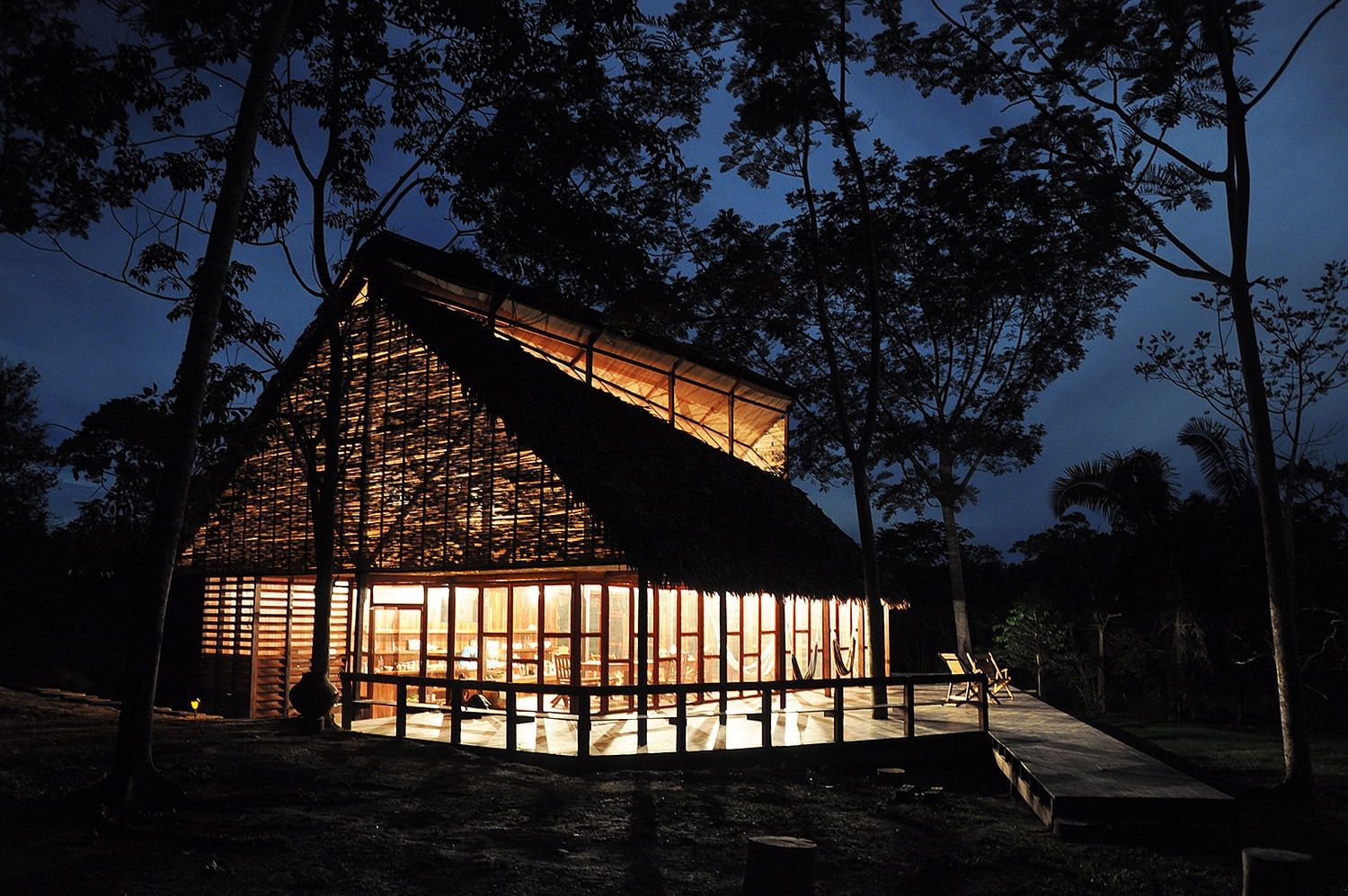
ANI NII SHÖBO, Acayali, Perú. 2009. Architects: Samuel Bravo and Sandra Iturriaga. Photo credit: Samuel Bravo. Courtesy of Harvard GSD.

The Harvard University Graduate School of Design awarded its coveted 2017 Wheelwright Prize to Chilean architect Samuel Bravo for his proposal “Projectless: Architecture of Informal Settlements”. Established in 1935 and originally intended for Harvard GSD alumni, the $100,000 architectural research travel grant became an open international competition in 2013 that gives competitive early-career architects anywhere on the globe a chance to apply.

Second time was the charm for Samuel Bravo, who was a finalist in the 2016 cycle. Starting with over 200 applicants representing 45 countries, Bravo was named the 2017 winner out of four finalists — the other three being Lucia Cella, Andjela Karabašević, and Farzin Lotfi-Jam. 

Read on for more.

2017 Wheelwright Prize recipient: Samuel Bravo. Photo courtesy of Harvard GSD.

In his “Projectless” proposal, Bravo focuses on traditional architectures and informal settlements, and revisits the topic of “architecture without architects”, as described by Bernard Rudofsky in the iconic 1964 Museum of Modern Art exhibition. Bravo will travel to dozens of sites in South America, Asia, and Africa to ultimately develop strategies that integrate vernacular, collective practices with the modern architectural project.

“A graduate of the Pontifical Catholic University of Chile (BArch 2009), Samuel Bravo leads his own practice and has realized various projects in South America. His past work includes organizing community-based rebuilding in earthquake-damaged Tarapacá, Chile; designing and building a lodge/shamanic center and school for the Shipibo people of the Amazonian rain forest in Peru (a collaboration with architect Sandra Iturriaga); and several private residential commissions. His work has been widely exhibited and published.”
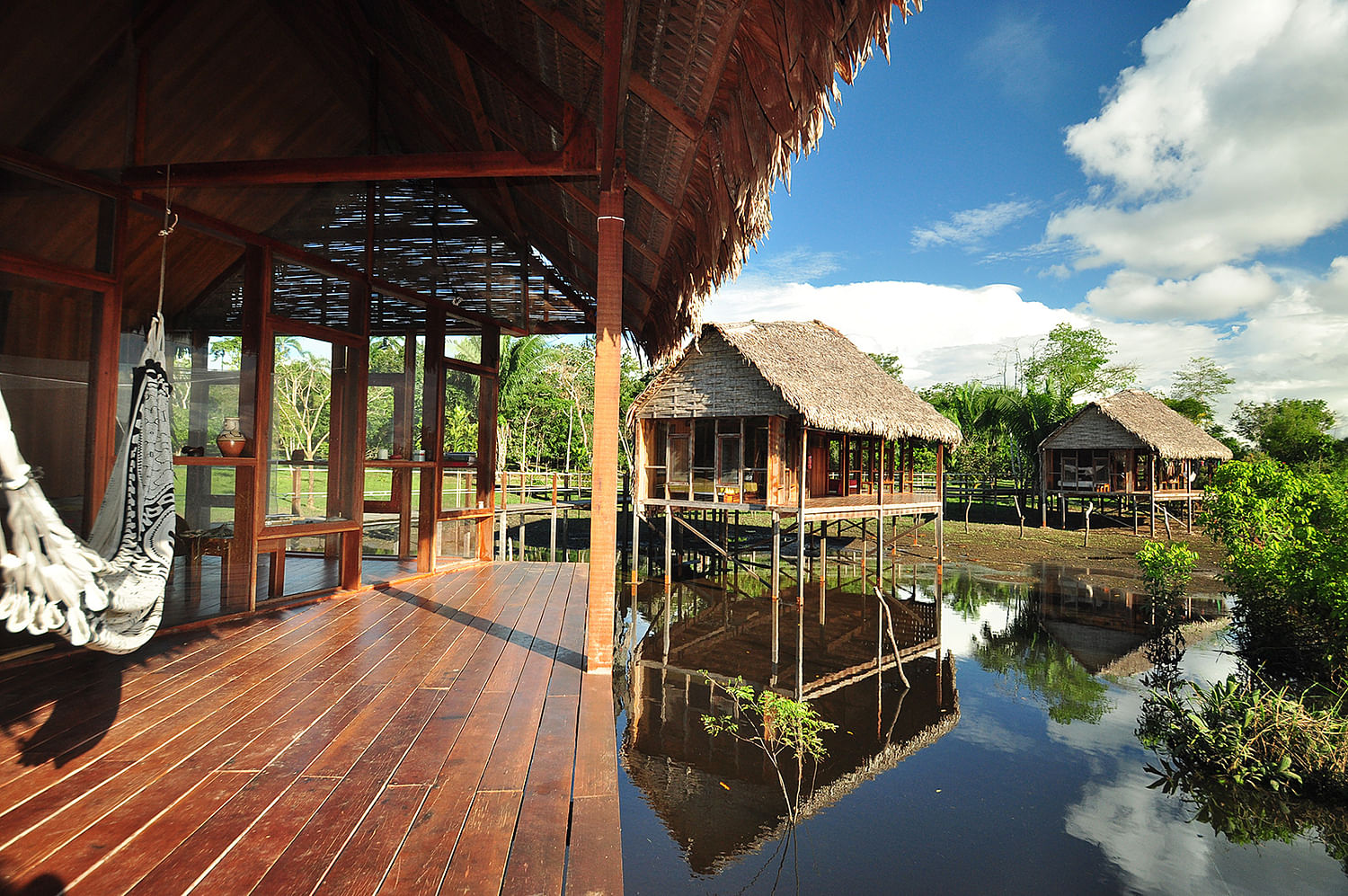
ANI NII SHÖBO, Acayali, Perú. 2009. Architects: Samuel Bravo and Sandra Iturriaga. Photo: Juan Balazs. Courtesy of Harvard GSD.

“Projectless begins by acknowledging that formal architecture addresses a minority of the world’s population, while the vast majority live in informally built dwellings. Bernard Rudofsky characterized the projects in his 1964 exhibition as ‘not produced by the specialist but by the spontaneous and continuing activity of a whole people with a common heritage, acting under a community of experience.’ 

Bravo extends this notion to his study of the traditions and methods that enable formal architecture to operate ‘within the paradigm of projectless environments,’ sensitive to the potential ‘cultural frictions’ associated with restructuring problematic settlements.”
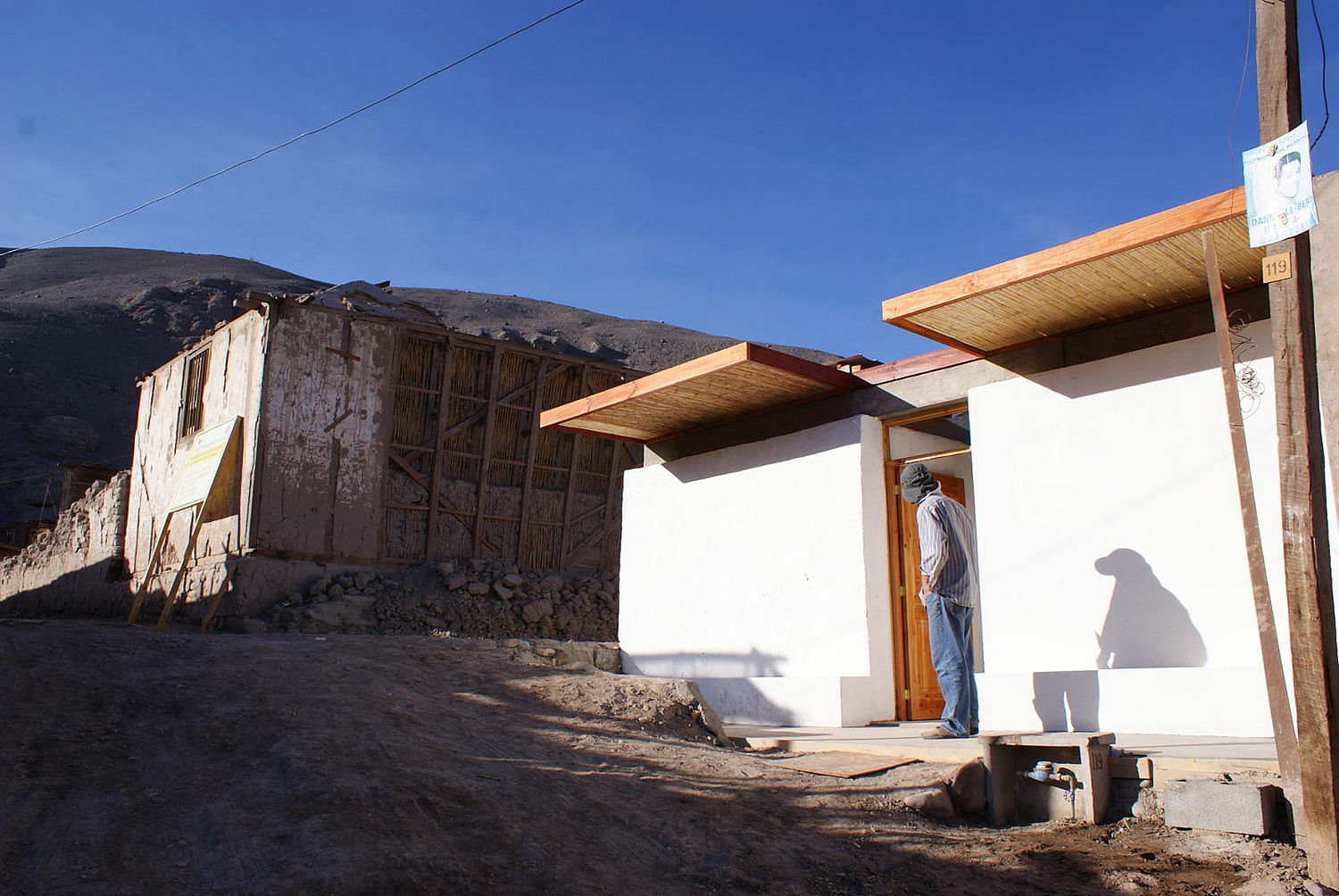
TARAPACA PROJECT, Tarapacá, Chile. 2005 to 2007. Team: Samuel Bravo with Bernardita Devilat, Felipe Kramm, Verónica Illanes, Natalia Spörke, and Alvaro Silva. Photo credit: Bernardita Devilat. Courtesy of Harvard GSD

“Bravo will begin his travels in the Amazon basin, home to 400 ethnic groups including some still-isolated tribes, and will continue to the Amazon flatlands, where he will visit dozens of settlements, from Peru to Colombia to Brazil.

He will continue to Africa, where urban centers (such as Lagos, Nigeria) are experiencing extreme population growth. In Asia, he plans to visit Bangladesh, Nepal, and India, where he has identified a range of case studies, from traditional villages to global slums.”
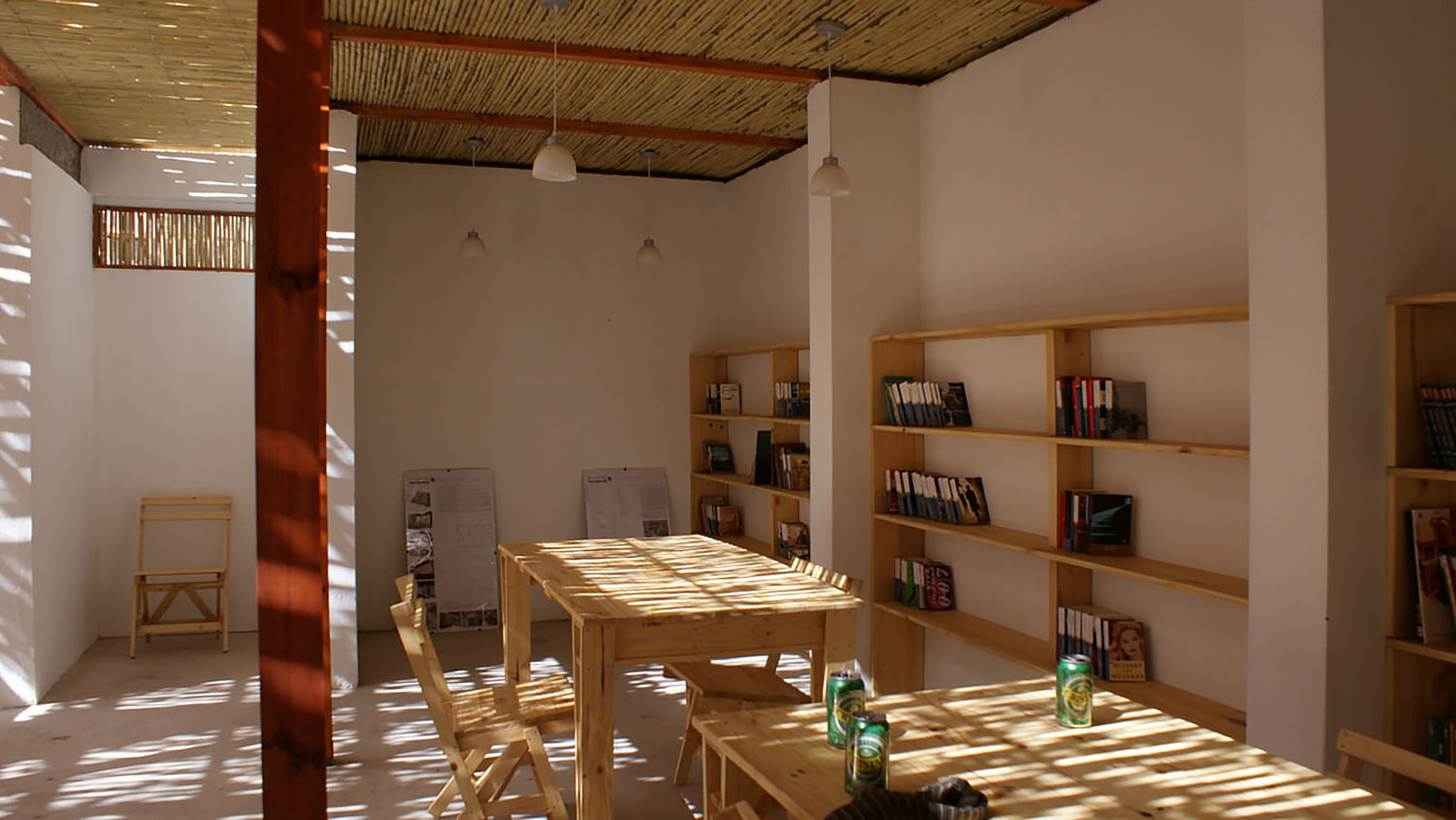
TARAPACA PROJECT, Tarapacá, Chile. 2005 to 2007. Team: Samuel Bravo with Bernardita Devilat, Felipe Kramm, Verónica Illanes, Natalia Spörke, and Alvaro Silva. Courtesy of Harvard GSD.
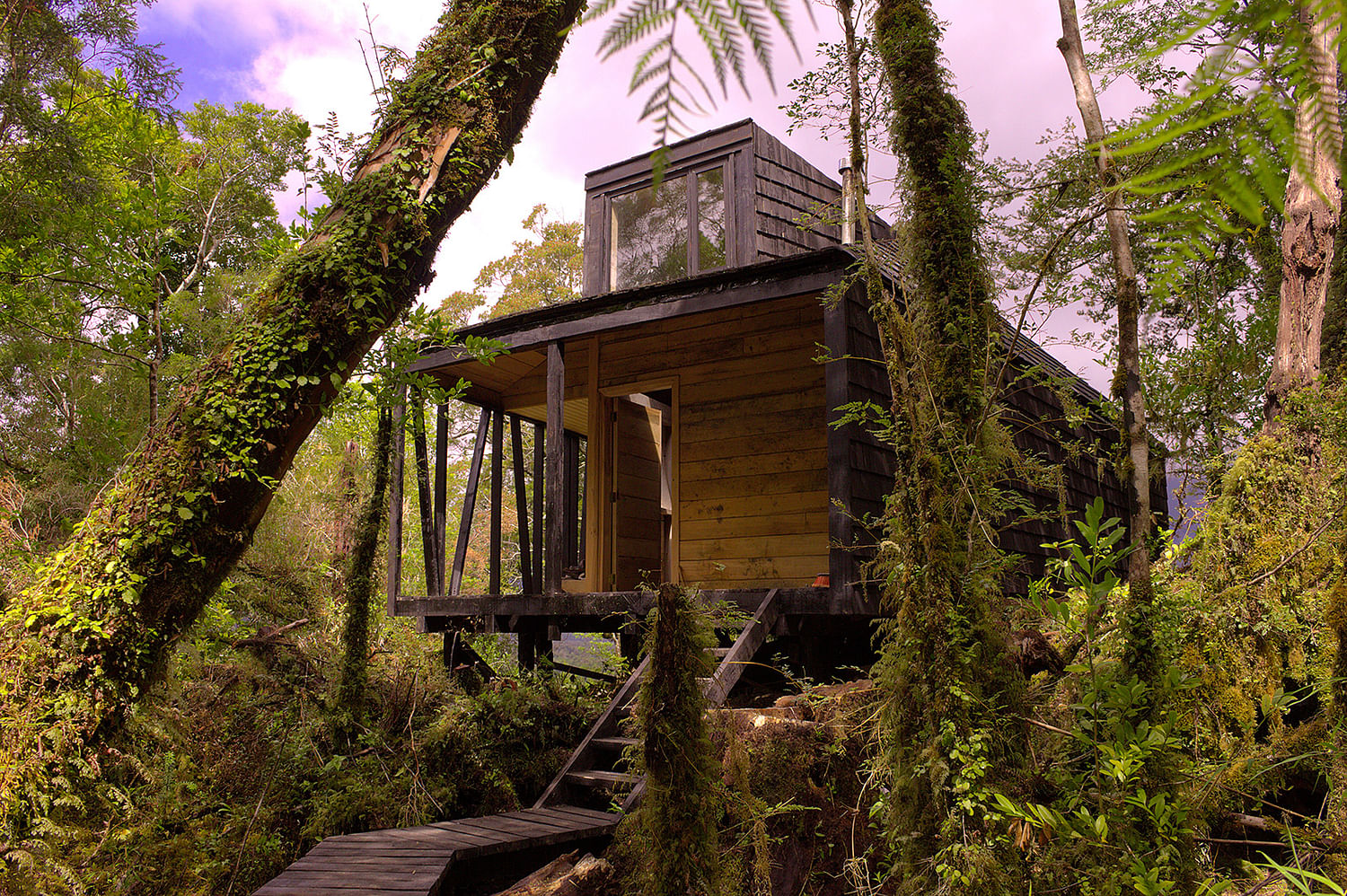
MELIMOYU CABIN, Melimoyu Bay, Patagonia. Chile. 2011. Architects: Samuel Bravo + Armando Montero. Photo credit: Samuel Bravo. Courtesy of Harvard GSD.

“Samuel is a sophisticated designer and a mature thinker, qualities that make him an ideal candidate for this year’s Wheelwright Prize,” said juror Mohsen Mostafavi, Dean and Alexander and Victoria Wiley Professor of Design at Harvard GSD, in a statement. “His work on its own is striking, and the participatory design-build process he has refined over time is additionally compelling. In resurrecting ideas about so-called 'non-pedigreed' architecture and expanding the scope of his research and practice internationally, Samuel’s project opens up new and exciting paths for the next generation of architects.”
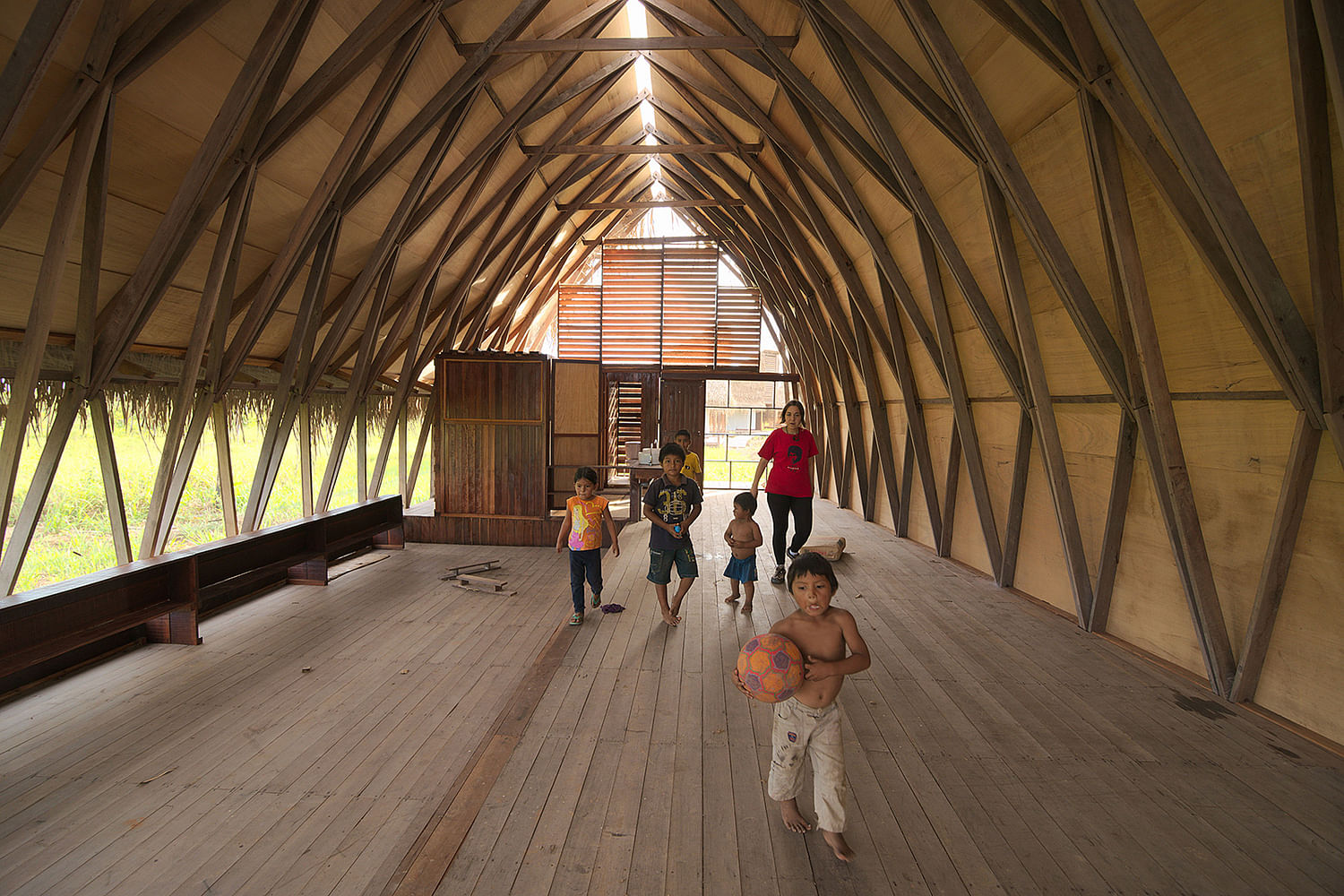
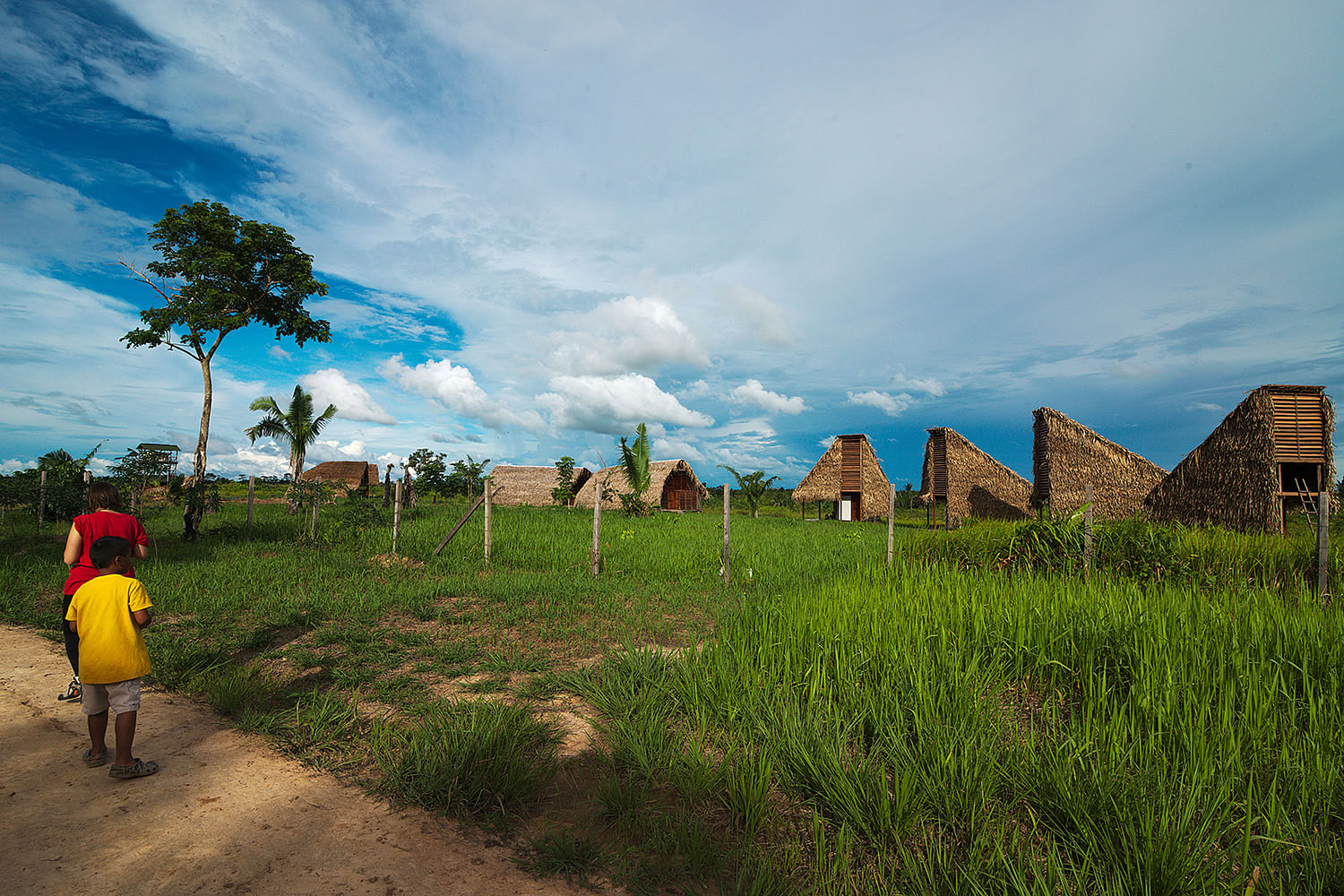
NII JUINTI SCHOOL, Ucayali, Perú. 2014. Architects: Sandra Iturriaga, Samuel Bravo. Photo credit: Samuel Bravo. Courtesy of Harvard GSD.

“Samuel Bravo’s proposal relates to the current architectural desire for self-reflective practice with social impact, and a spate of exhibitions and publications about designing for expanded audiences and publics,” commented juror K. Michael Hays. “But what makes Bravo’s work and research proposal stand out is his particularly strong articulation of design as a response to a host of complex issues, from the experiential qualities of building materials to the systems of their extraction and distribution, from preserving craft to allowing for sustainable development, from promoting autonomy with regards to local labor to planning for urban connectivity. Bravo’s intelligence and rigor cut through multiple layers architectural concerns.”
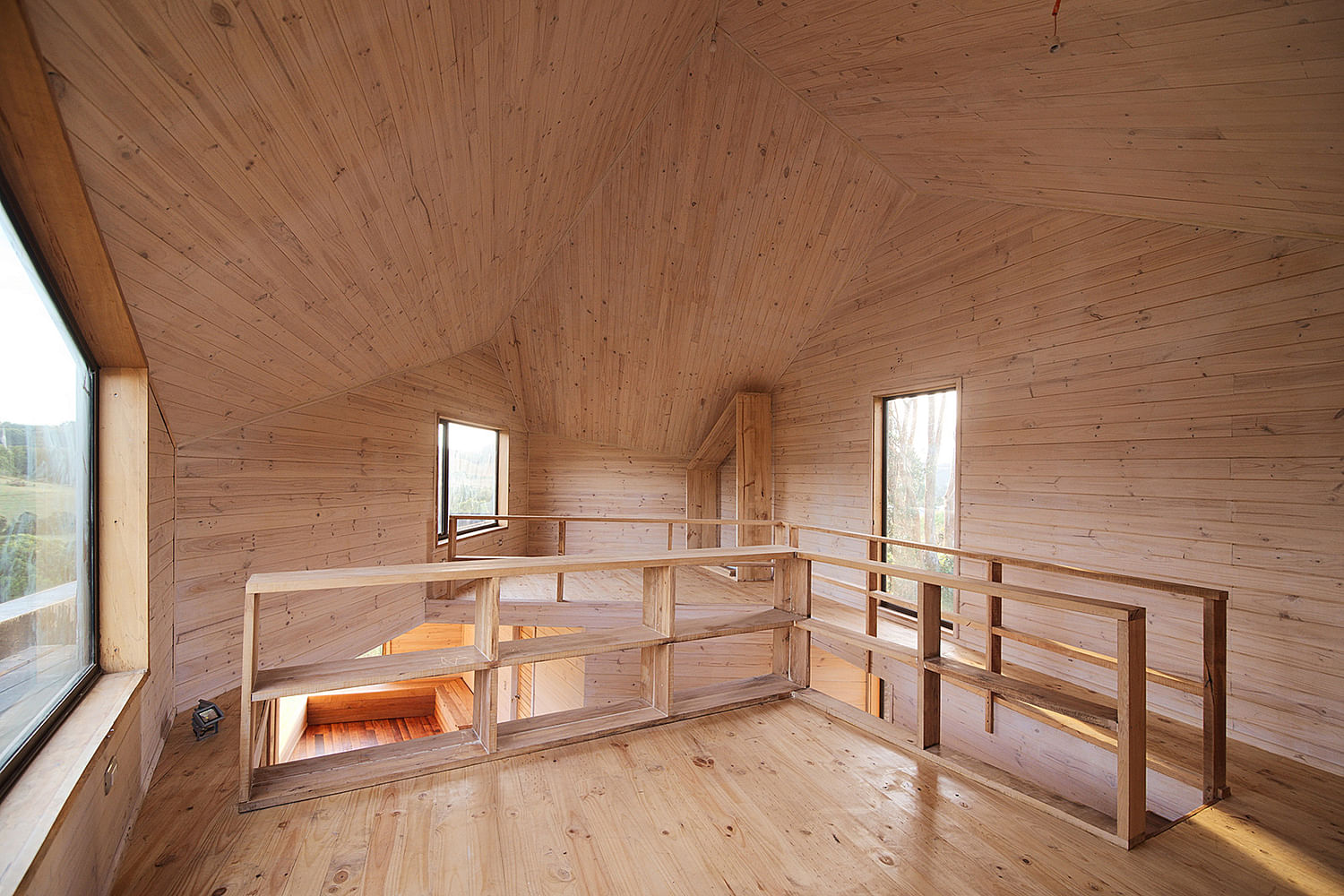
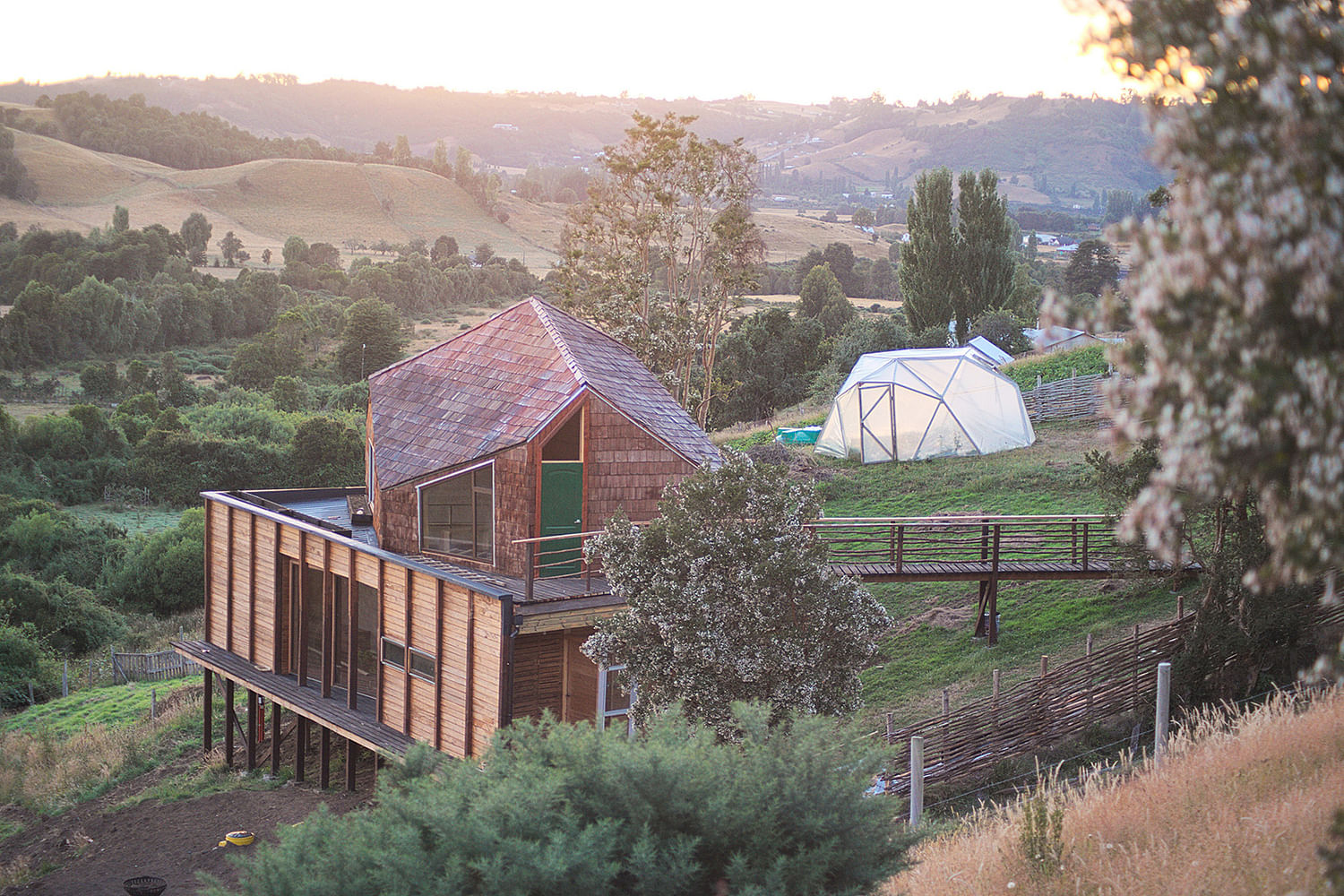
HOUSE IN CHILOE, Chiloe Island. Chile, 2016–2017. Architect and photo credit: Samuel Bravo. Courtesy of Harvard GSD.

Juror Mariana Ibañez added that Bravo's work “manages to combine two important architectural conditions that are not easy to combine. His work holds the promise of innovation while dealing with some of the most urgent issues that press the architecture profession.”

The 2017 Wheelwright Prize jury consisted of Gordon Gill, Mariana Ibañez, Gia Wolff, and standing Wheelwright Prize Committee members Mohsen Mostafavi and K. Michael Hays.

Check out previous Wheelwright Prize winners in the links below.

All images courtesy of Harvard GSD.

RELATED NEWS Anna Puigjaner of MAIO Studios wins 2016 Wheelwright Prize
RELATED NEWS Erik L’Heureux wins 2015 Wheelwright Prize
RELATED NEWS Jose M. Ahedo wins the 2014 Wheelwright Prize

Related

wheelwright prize ● harvard gsd ● traveling fellowship ● architectural research ● informal urbanisms ● alternative housing ● competition
Harvard University
Harvard University Hiring!

Share

  • Follow

    0 Comments

  • Comment as :

Samuel Bravo wins 2017 Wheelwright Prize

Over $500,000 awarded to architectural discourse projects by Graham Foundation

Best in urban planning recognized at AIA Regional & Urban Design Award 2026

Sponsored Post by Buildner

Re:Form - New Life for Old Spaces / Edition #3 advance registration deadline is approaching!

New architecture and design competitions: IDEAS Awards, UIA-HYP CUP International Student Competition, Vancouver Tall Challenge, and Memorial to the Sixth Extinction

Best small projects chosen at AIA Small Project Award 2026

10 standout sustainable projects honored at AIA COTE Top Ten Award 2026

Best residential architecture of 2026 honored at AIA Housing Award

Best new interiors of 2026 chosen at AIA Interior Architecture Awards

Sign up for Bustler's Email Newsletters

Best global architecture honored at RIBA International Awards 2026

World’s most beautiful airports of 2026 chosen by Prix Versailles

New architecture and design competitions: Brick in Architecture Awards, Study Architecture Student Showcase, N.Y.C. Groceries, and New York High Falls Riverfront Market

SmithGroup’s ‘pioneering’ Philip Merrill Environmental Center wins AIA Twenty-five Year Award

Sponsored Post by Buildner

Museum of Emotions / Edition #8 FINAL registration deadline is in 5 DAYS!

Here are the winners of the 2026 AIA Architecture Awards

40 emerging architects and designers under 40 from Europe honored

Next page » Loading

Samuel Bravo wins 2017 Wheelwright Prize

By Justine Testado|

Friday, Jun 2, 2017

Share

ANI NII SHÖBO, Acayali, Perú. 2009. Architects: Samuel Bravo and Sandra Iturriaga. Photo credit: Samuel Bravo. Courtesy of Harvard GSD.

Related

wheelwright prize ● harvard gsd ● traveling fellowship ● architectural research ● informal urbanisms ● alternative housing ● competition
Harvard University
Harvard University Hiring!

The Harvard University Graduate School of Design awarded its coveted 2017 Wheelwright Prize to Chilean architect Samuel Bravo for his proposal “Projectless: Architecture of Informal Settlements”. Established in 1935 and originally intended for Harvard GSD alumni, the $100,000 architectural research travel grant became an open international competition in 2013 that gives competitive early-career architects anywhere on the globe a chance to apply.

Second time was the charm for Samuel Bravo, who was a finalist in the 2016 cycle. Starting with over 200 applicants representing 45 countries, Bravo was named the 2017 winner out of four finalists — the other three being Lucia Cella, Andjela Karabašević, and Farzin Lotfi-Jam. 

Read on for more.

2017 Wheelwright Prize recipient: Samuel Bravo. Photo courtesy of Harvard GSD.

In his “Projectless” proposal, Bravo focuses on traditional architectures and informal settlements, and revisits the topic of “architecture without architects”, as described by Bernard Rudofsky in the iconic 1964 Museum of Modern Art exhibition. Bravo will travel to dozens of sites in South America, Asia, and Africa to ultimately develop strategies that integrate vernacular, collective practices with the modern architectural project.

“A graduate of the Pontifical Catholic University of Chile (BArch 2009), Samuel Bravo leads his own practice and has realized various projects in South America. His past work includes organizing community-based rebuilding in earthquake-damaged Tarapacá, Chile; designing and building a lodge/shamanic center and school for the Shipibo people of the Amazonian rain forest in Peru (a collaboration with architect Sandra Iturriaga); and several private residential commissions. His work has been widely exhibited and published.”

ANI NII SHÖBO, Acayali, Perú. 2009. Architects: Samuel Bravo and Sandra Iturriaga. Photo: Juan Balazs. Courtesy of Harvard GSD.

“Projectless begins by acknowledging that formal architecture addresses a minority of the world’s population, while the vast majority live in informally built dwellings. Bernard Rudofsky characterized the projects in his 1964 exhibition as ‘not produced by the specialist but by the spontaneous and continuing activity of a whole people with a common heritage, acting under a community of experience.’ 

Bravo extends this notion to his study of the traditions and methods that enable formal architecture to operate ‘within the paradigm of projectless environments,’ sensitive to the potential ‘cultural frictions’ associated with restructuring problematic settlements.”

TARAPACA PROJECT, Tarapacá, Chile. 2005 to 2007. Team: Samuel Bravo with Bernardita Devilat, Felipe Kramm, Verónica Illanes, Natalia Spörke, and Alvaro Silva. Photo credit: Bernardita Devilat. Courtesy of Harvard GSD

“Bravo will begin his travels in the Amazon basin, home to 400 ethnic groups including some still-isolated tribes, and will continue to the Amazon flatlands, where he will visit dozens of settlements, from Peru to Colombia to Brazil.

He will continue to Africa, where urban centers (such as Lagos, Nigeria) are experiencing extreme population growth. In Asia, he plans to visit Bangladesh, Nepal, and India, where he has identified a range of case studies, from traditional villages to global slums.”

TARAPACA PROJECT, Tarapacá, Chile. 2005 to 2007. Team: Samuel Bravo with Bernardita Devilat, Felipe Kramm, Verónica Illanes, Natalia Spörke, and Alvaro Silva. Courtesy of Harvard GSD.
MELIMOYU CABIN, Melimoyu Bay, Patagonia. Chile. 2011. Architects: Samuel Bravo + Armando Montero. Photo credit: Samuel Bravo. Courtesy of Harvard GSD.

“Samuel is a sophisticated designer and a mature thinker, qualities that make him an ideal candidate for this year’s Wheelwright Prize,” said juror Mohsen Mostafavi, Dean and Alexander and Victoria Wiley Professor of Design at Harvard GSD, in a statement. “His work on its own is striking, and the participatory design-build process he has refined over time is additionally compelling. In resurrecting ideas about so-called 'non-pedigreed' architecture and expanding the scope of his research and practice internationally, Samuel’s project opens up new and exciting paths for the next generation of architects.”

NII JUINTI SCHOOL, Ucayali, Perú. 2014. Architects: Sandra Iturriaga, Samuel Bravo. Photo credit: Samuel Bravo. Courtesy of Harvard GSD.

“Samuel Bravo’s proposal relates to the current architectural desire for self-reflective practice with social impact, and a spate of exhibitions and publications about designing for expanded audiences and publics,” commented juror K. Michael Hays. “But what makes Bravo’s work and research proposal stand out is his particularly strong articulation of design as a response to a host of complex issues, from the experiential qualities of building materials to the systems of their extraction and distribution, from preserving craft to allowing for sustainable development, from promoting autonomy with regards to local labor to planning for urban connectivity. Bravo’s intelligence and rigor cut through multiple layers architectural concerns.”

HOUSE IN CHILOE, Chiloe Island. Chile, 2016–2017. Architect and photo credit: Samuel Bravo. Courtesy of Harvard GSD.

Juror Mariana Ibañez added that Bravo's work “manages to combine two important architectural conditions that are not easy to combine. His work holds the promise of innovation while dealing with some of the most urgent issues that press the architecture profession.”

The 2017 Wheelwright Prize jury consisted of Gordon Gill, Mariana Ibañez, Gia Wolff, and standing Wheelwright Prize Committee members Mohsen Mostafavi and K. Michael Hays.

Check out previous Wheelwright Prize winners in the links below.

All images courtesy of Harvard GSD.

RELATED NEWS Anna Puigjaner of MAIO Studios wins 2016 Wheelwright Prize
RELATED NEWS Erik L’Heureux wins 2015 Wheelwright Prize
RELATED NEWS Jose M. Ahedo wins the 2014 Wheelwright Prize

Share

  • Follow

    0 Comments

  • Comment as :

Archinect JobsArchinect Jobs

The Archinect Job Board attracts the world's top architectural design talents.

VIEW ALL JOBS POST A JOB

Architect

KieranTimberlake

Architect

Philadelphia, PA, US

Project Manager

Payette

Project Manager

Boston, MA, US

Executive Assistant & Office Manager To Principal

Danny Forster & Architecture

Executive Assistant & Office Manager To Principal

New York, NY, US

Hospitality Project Architect

bonetti/kozerski architecture DPC

Hospitality Project Architect

New York, NY, US

Project Manager/Designer

BOTO Design Architects

Project Manager/Designer

Santa Monica, CA, US

Project Manager/architect

MKNH Architects

Project Manager/architect

New York, NY, US

Designer (Level 3)

KPMB

Designer (Level 3)

Cambridge, MA, US

Project Architect

Fowlkes Studio

Project Architect

Washington, DC, US

Architectural Designer

7th Street Burger

Architectural Designer

New York, NY, US

Architectural Designer Level 2

Arthur Chabon Architect

Architectural Designer Level 2

New York, NY, US

Next page » Loading