• Login / Join
  • About
  • •
  • Contact
  • •
  • Advertising
bustler logo
bustler logo
  • News
  • Competitions
  • Events
  • Bustler is powered by Archinect
  • Sign up for Bustler's Email Newsletters

  • Follow these Bustler feeds:

  • Search

    Search in

  • Submit

    What are you submitting?

    News Pitch
    Competition
    Event
  • Login / Join
  • News|Competitions|Events
  • Search
    | Submit
    | Follow
  • Search in

    What are you submitting?

    News Pitch
    Competition
    Event

    Follow these Bustler feeds:

  • About|Contact|Advertising
  • Login / Join

Winning-entry Art and Science Pavilions for 8th China Flower Expo completed

By Bustler Editors|

Wednesday, Oct 30, 2013
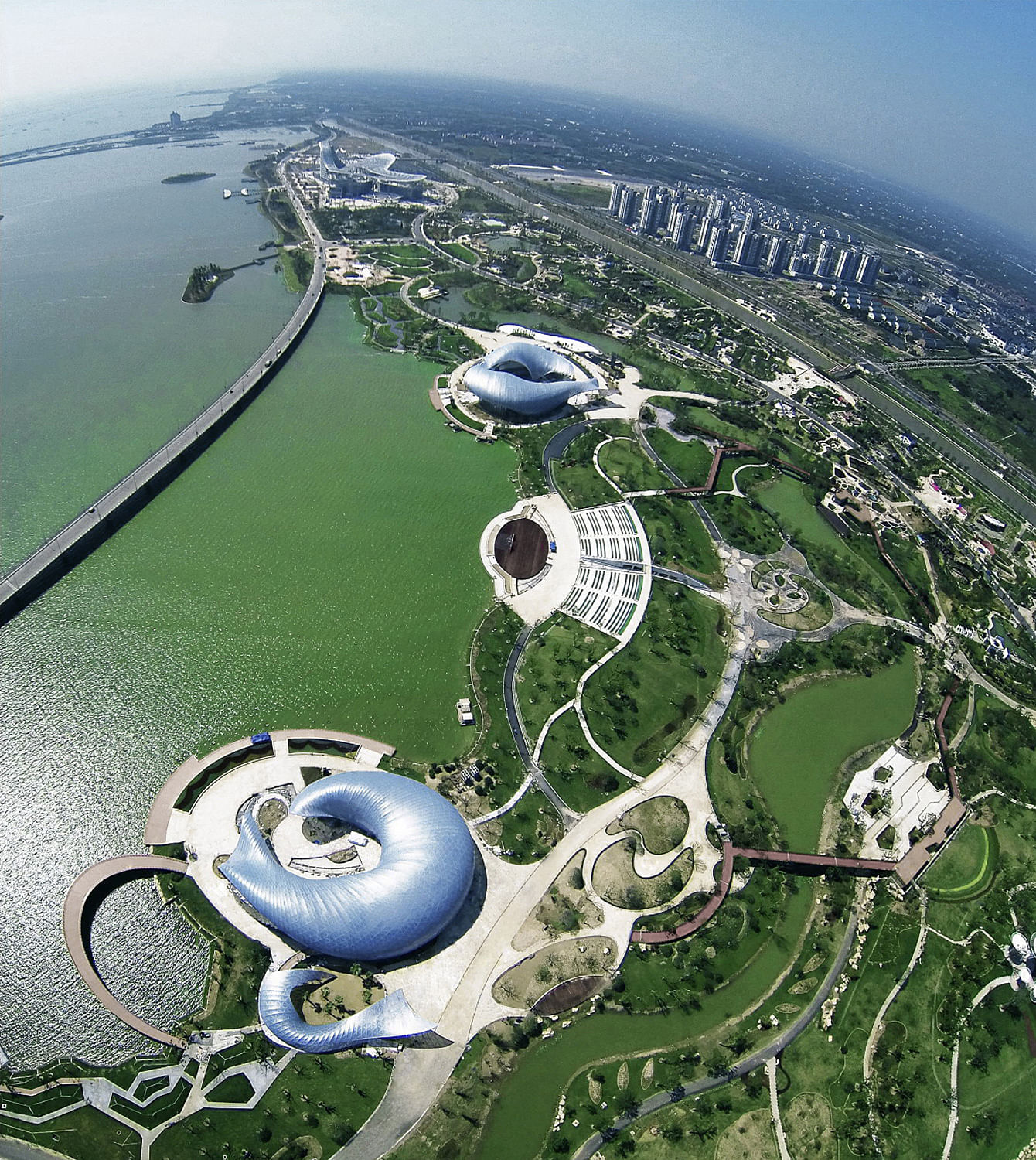
Aerial view of the Art and Science Pavilions by Lab Architecture Studio + Chris Yiu-hang Chan and Stephanie Mee-lee Tan. Photo: Ryuji Miya. Image courtesy of Chris Y.H. Chan

The art and science pavilions by Lab Architecture Studio in collaboration with Chris Yiu-hang Chan and Stephanie Mee-lee Tan were recently completed in Wujin, China. The project won first prize in the 8th China Flower Expo competition, which aims to promote sustainable design.

The composition of the project was inspired by flower petals floating on water, while the forms of each pavilion reflect the surrounding natural landscape in West Tai-hu Lake. Although similar in aesthetics, each pavilion was designed according to its own exhibition functions.

Photos and additional details on this winning project are right below.

Project description

"Located on the West Tai-hu Lake, the design for the 8th Chinese Flower Expo pavilions explores the aesthetics of the relationship between the water and the petal. Also experiment the tension between the Natural landscape and the iconic culture body.

The designs of the two related pavilions (Art Exhibition Pavilion, Science Exhibition Pavilion) draw upon the natural geographical features of the area and use ecological building design principles to improve the relationship between art, architecture, and the environment whilst furthering the Flower Expo building society’s view to promote sustainability and the natural ecology."
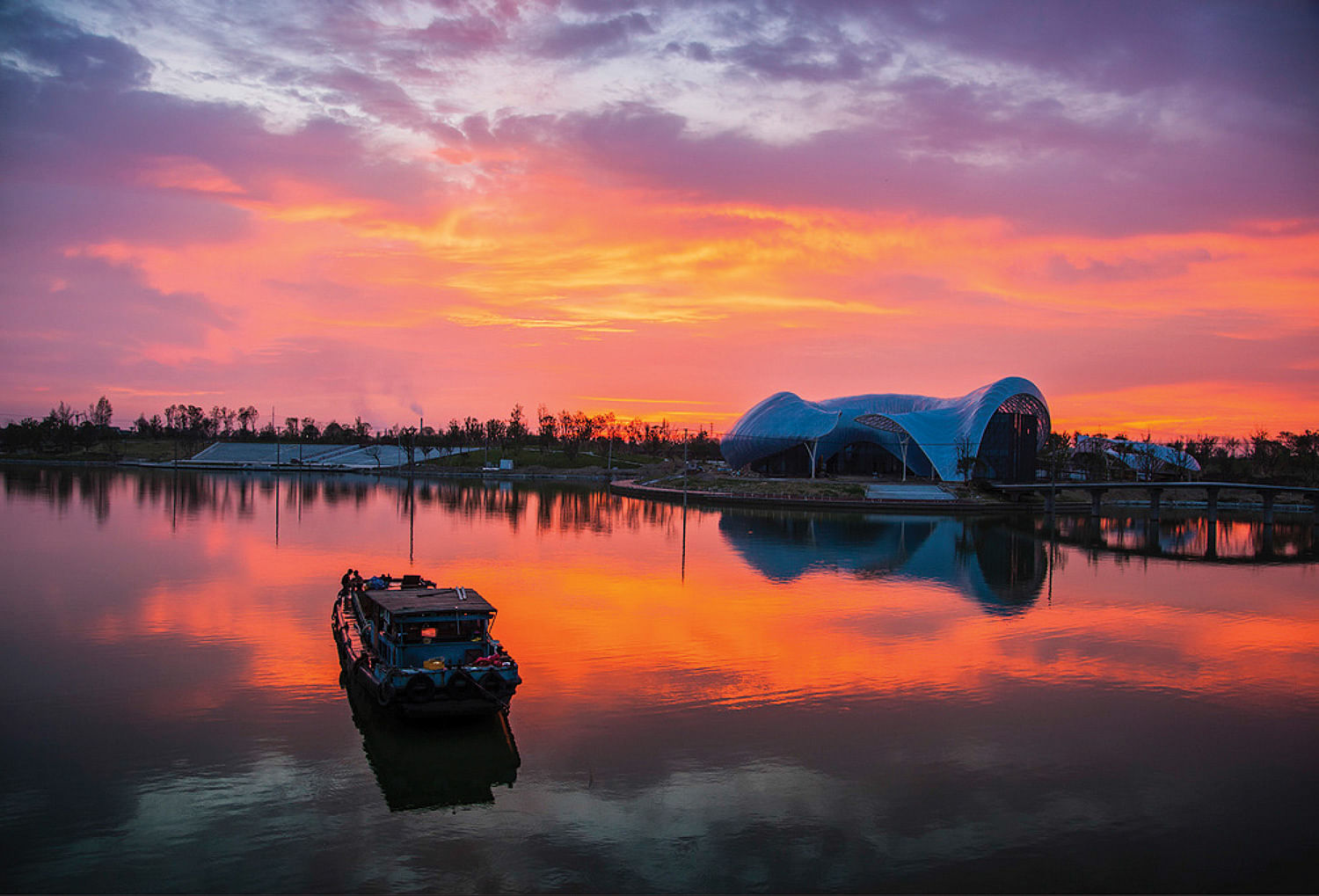
A view of the art and science pavilions at dusk. Photo: Ryuji Miya. Image courtesy of Chris Y.H. Chan

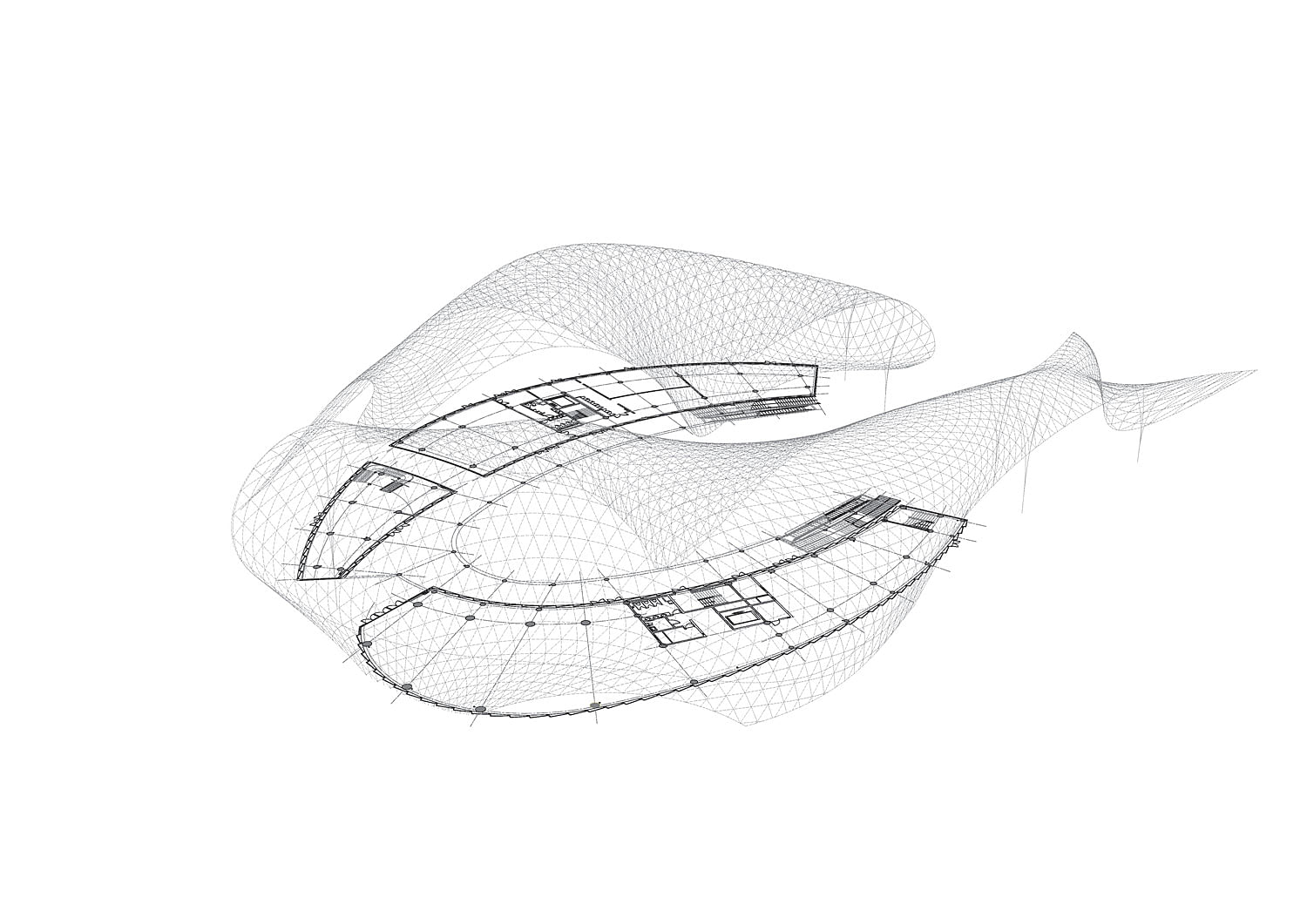
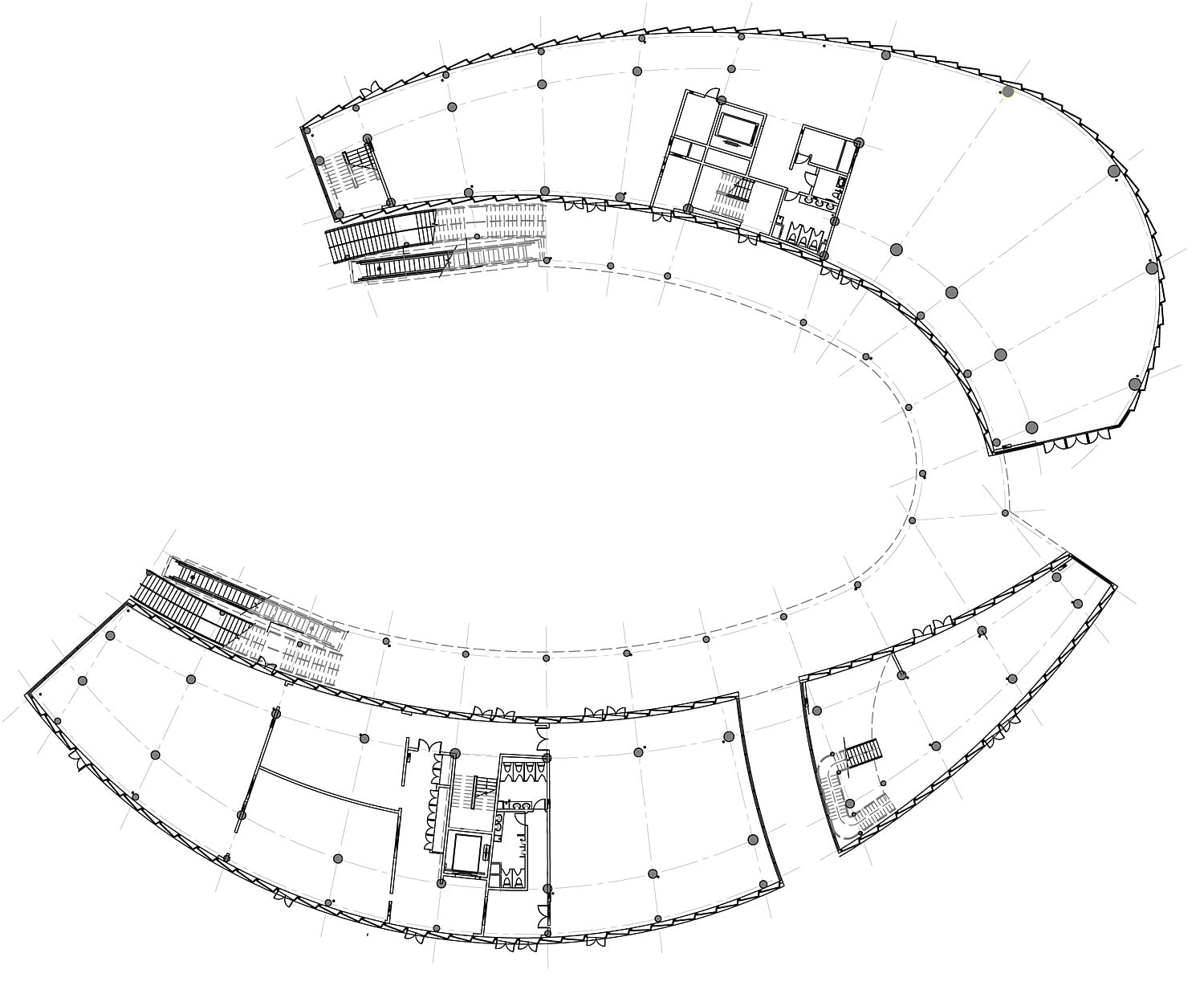
"To create a performance orientated building as the very primitive intention, both pavilions have a 140 + meter expanse of sweeping, curvilinear forms constructed of tri grid steel members; with more than 8000 control points (5000+ for science pavilion, 3800+ for art pavilion), in association with highly translucent ETFE weatherproof membrane, shielding the 2-storey exhibition halls underneath, which could reduce the heat gains during mid-noon in summer. The zigzagged in house façade promotes the possibility of passive ventilation in the galleries."
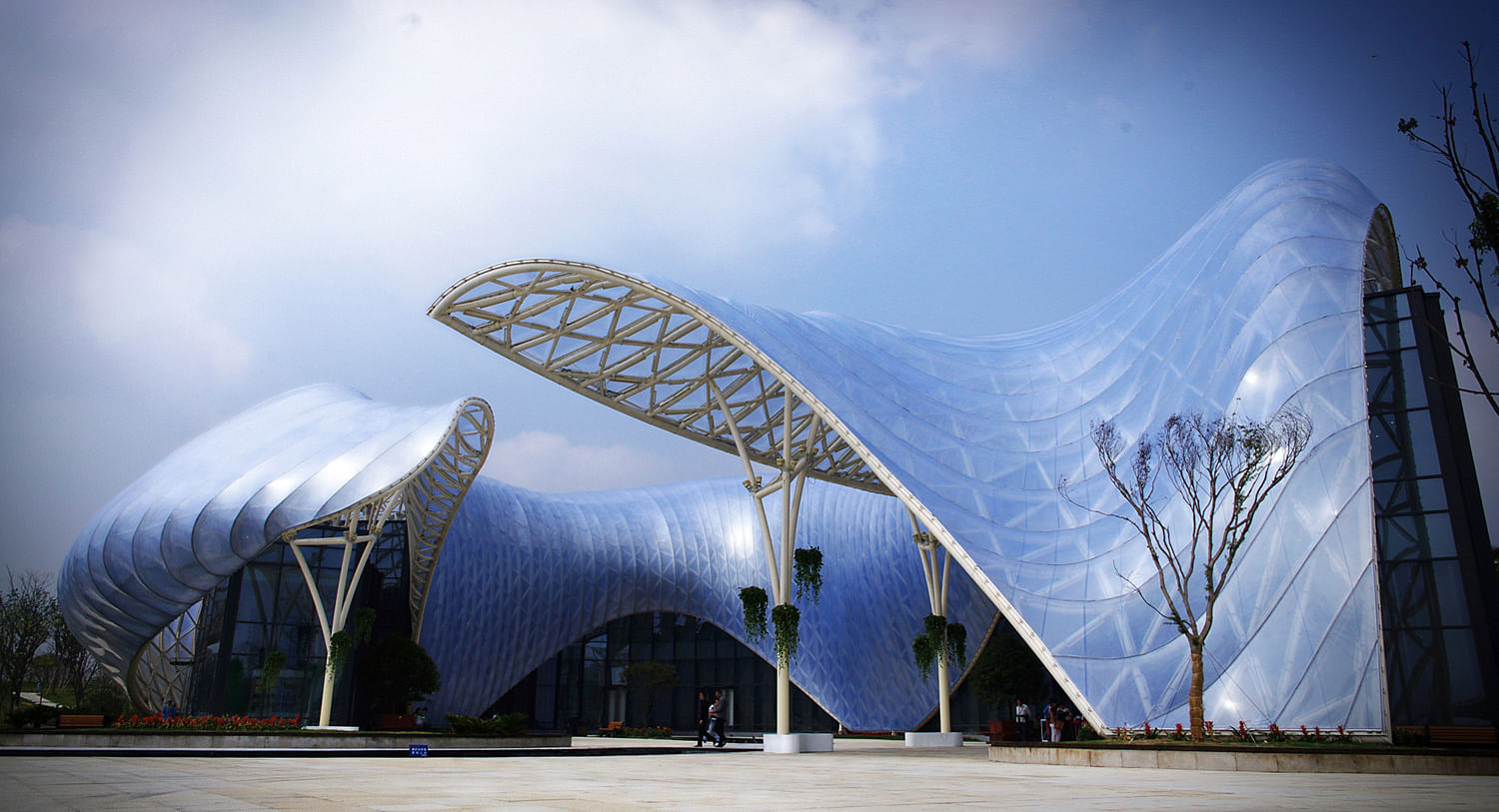
Art pavilion. Photo: Ryuji Miya. Image courtesy of Chris Y.H. Chan

"The pavilions, both the Art Exhibition Pavilion and Science Exhibition Pavilion, operate as twinned, but separate sites, following similar formal expressions, but different planning and accommodation arrangements, as befits their different exhibition sequences.

The Art Exhibition Pavilion is more enclosed and intimately focused, with smaller displays and objects for viewing and study. The Science Exhibition Pavilion displays projected films and animations, relying on larger, audience interactive forums and spaces. Both Pavilions following curvilinear arrangements, with the entering and exiting flow of visitors at the scale of a major expo of primary concern."
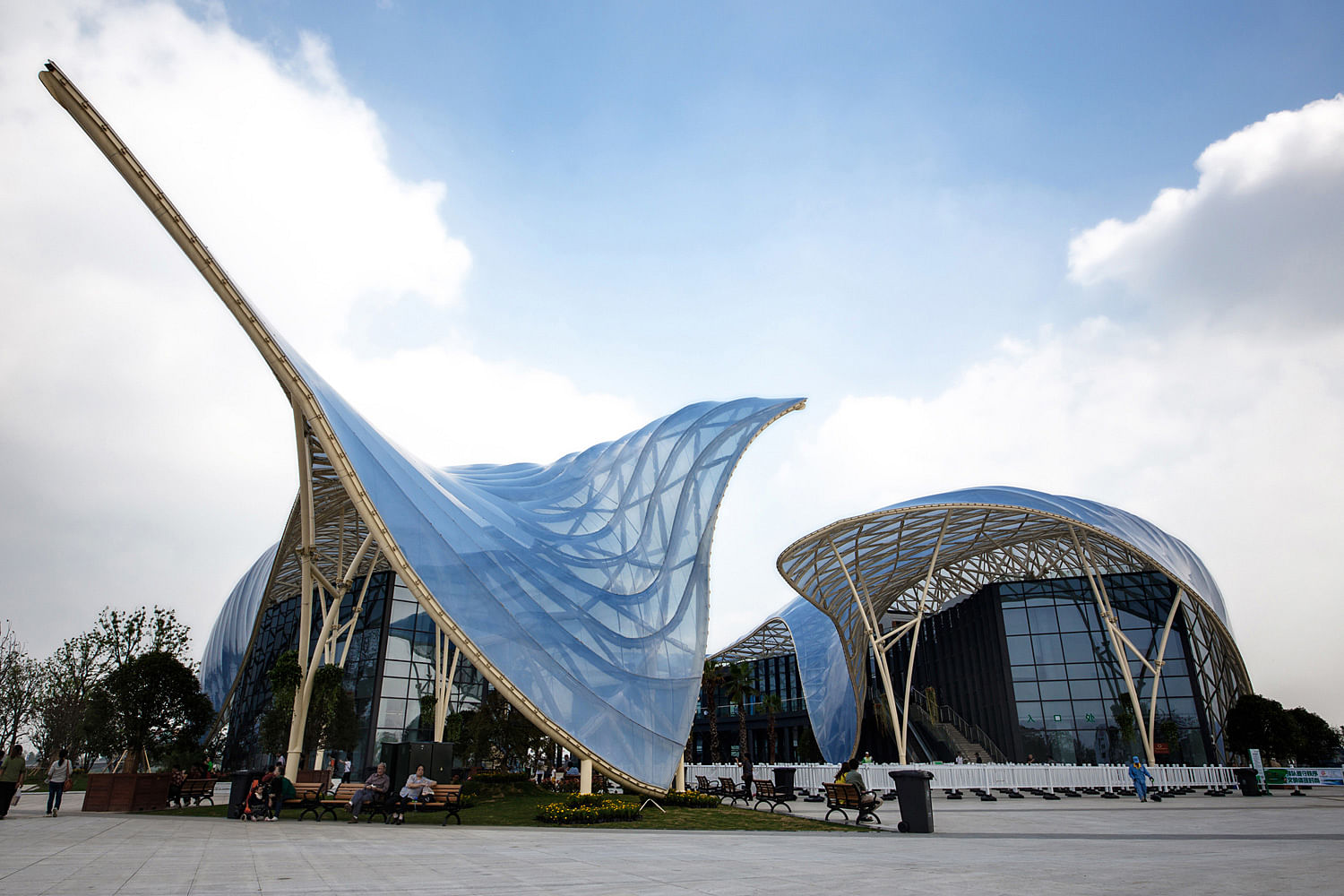
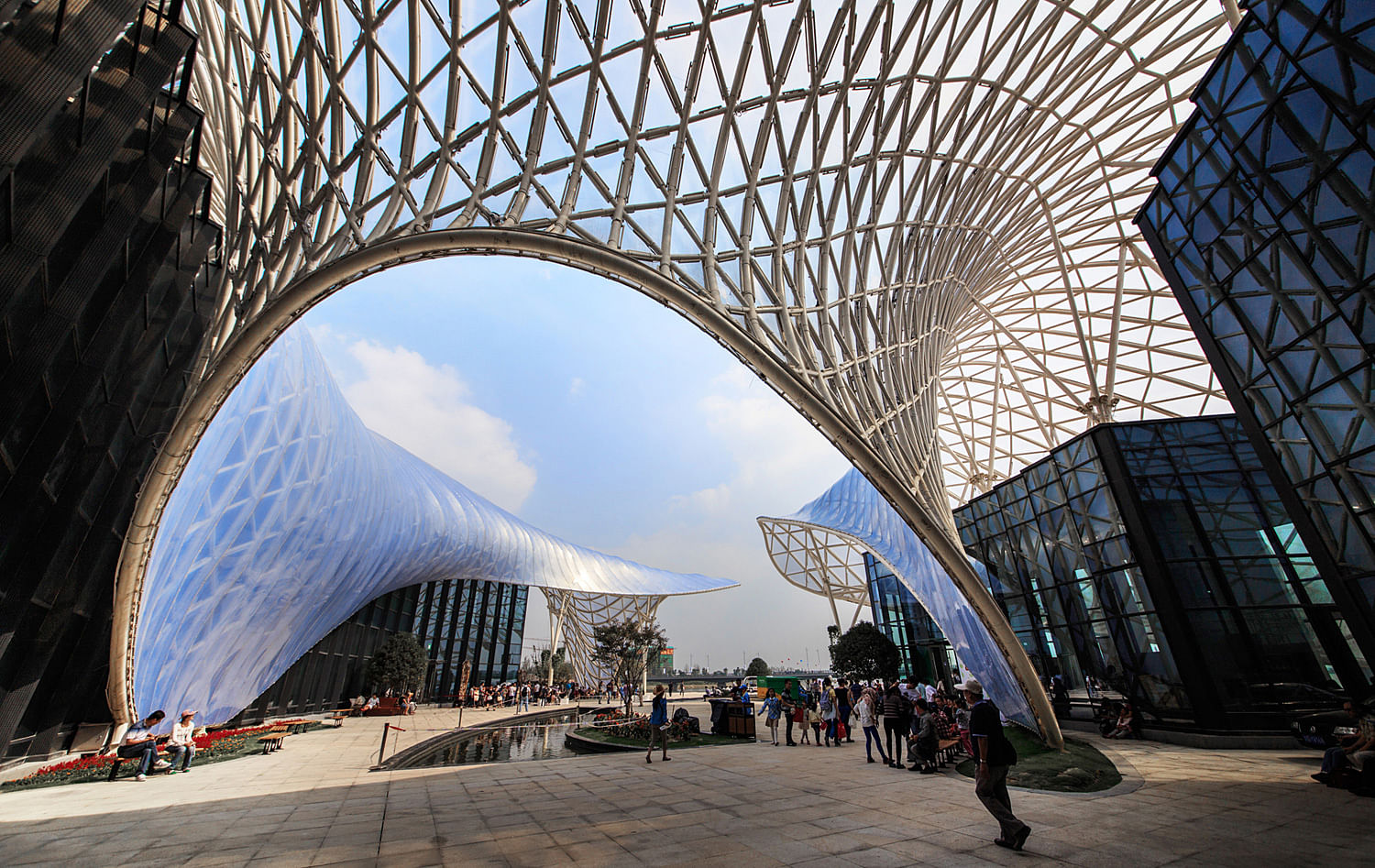
Science pavilion. Photo: Ryuji Miya. Image courtesy of Chris Y.H. Chan
Art pavilion courtyard. Photo: Ryuji Miya. Image courtesy of Chris Y.H. Chan

"The monocoque creates an in-between space for people enjoy the surrounding natural scene within the building. It is responds the simple self-spin gallery profile and beautiful natural landscape to enhance the experience and interactive opportunity during the journey."
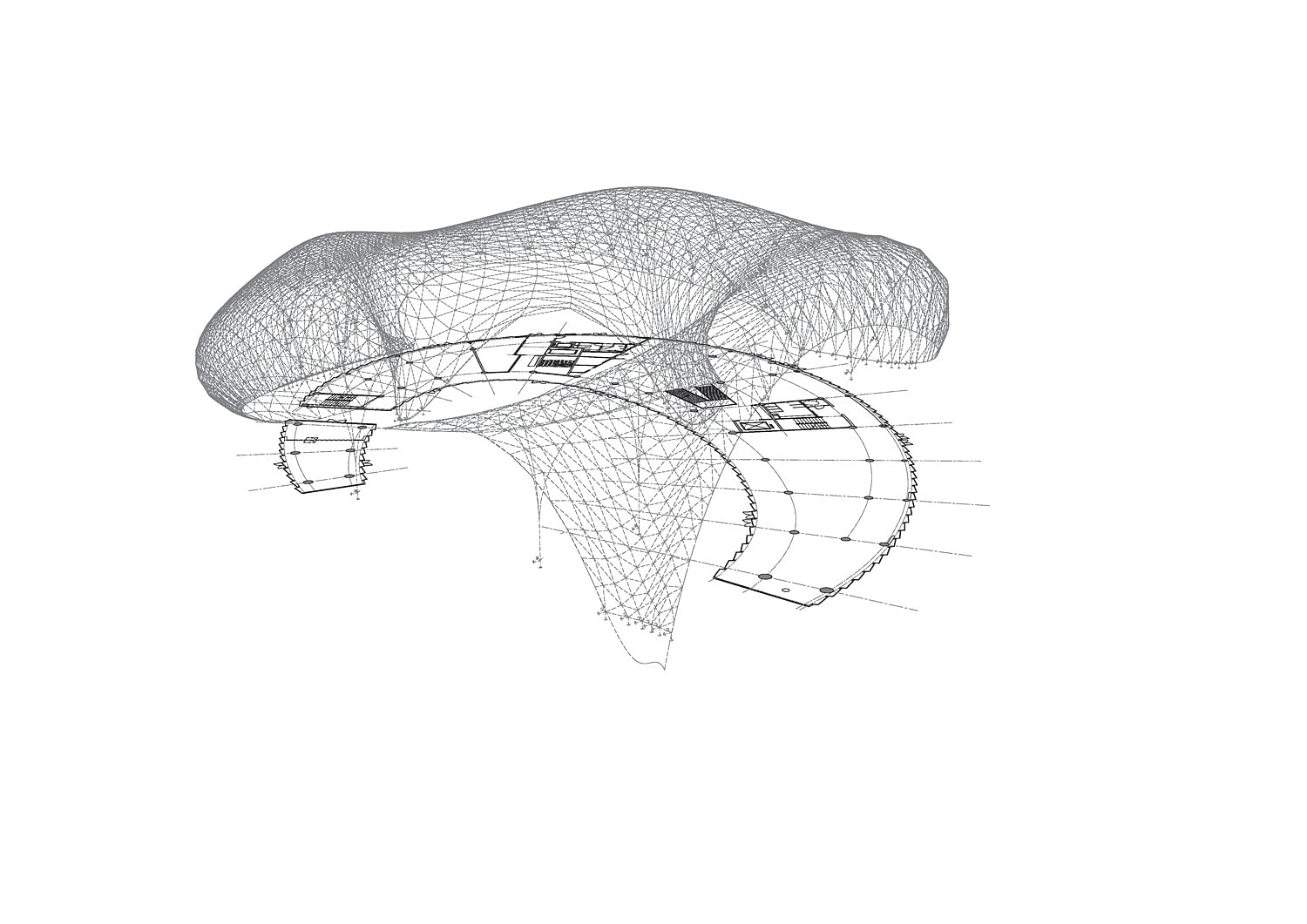
Art pavilion monocoque. Image courtesy of Chris Y.H. Chan
Science pavilion monocoque. Image courtesy of Chris Y.H. Chan
Courtyard space. Photo: Ryuji Miya. Image courtesy of Chris Y.H. Chan

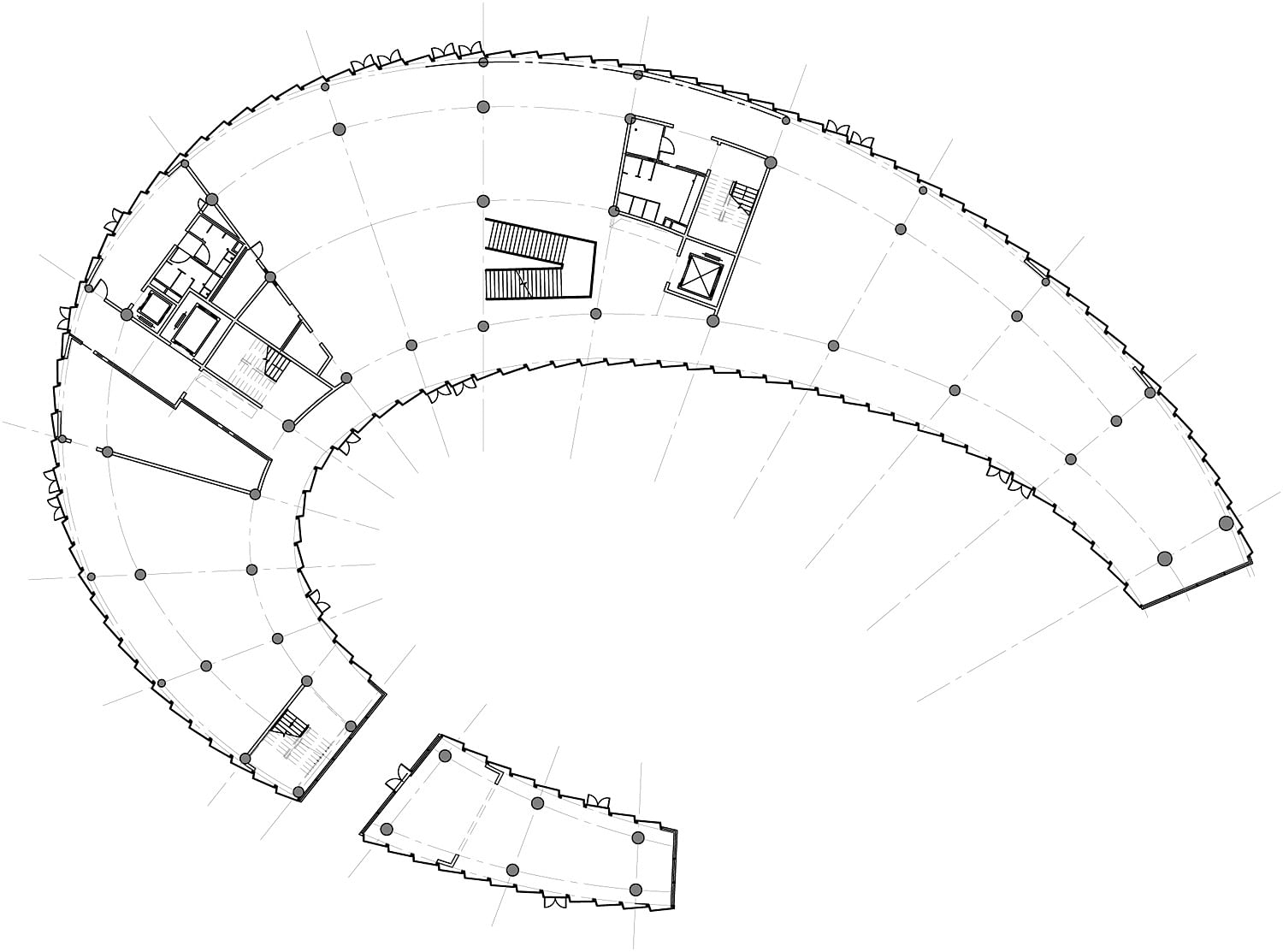
"The planning and configuration for both comes from loops and overlapping ellipses. This concept includes the indoor, outdoor courtyard and transition space. Both pavilions could trace out a single round pattern as very primitive iconography. And this notion indeed absorb Chinese spacial concept - Architecture is not only inside; nor outside; and never a mono-object. That is body/mechanism of inclusive outdoor, indoor and in-between. The entire petal-like composition of the project responds visually and tectonically to its environment to create a distinct and powerful sense of place as well as a breathtaking backdrop for the 8th Chinese Flower Expo."

Night view of art pavilion. Photo: Ryuji Miya. Image courtesy of Chris Y.H. Chan
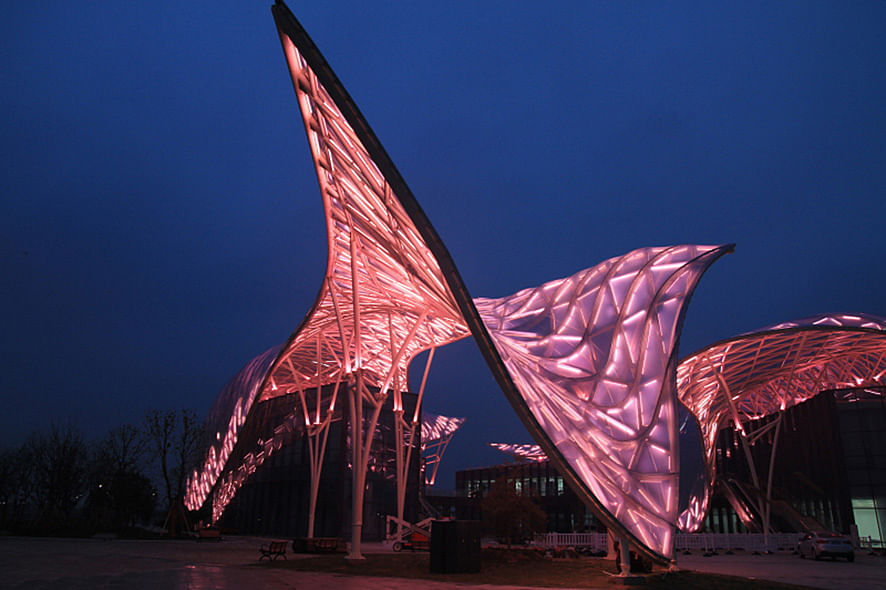
Night view of science pavilion. Photo: Ryuji Miya. Image courtesy of Chris Y.H. Chan
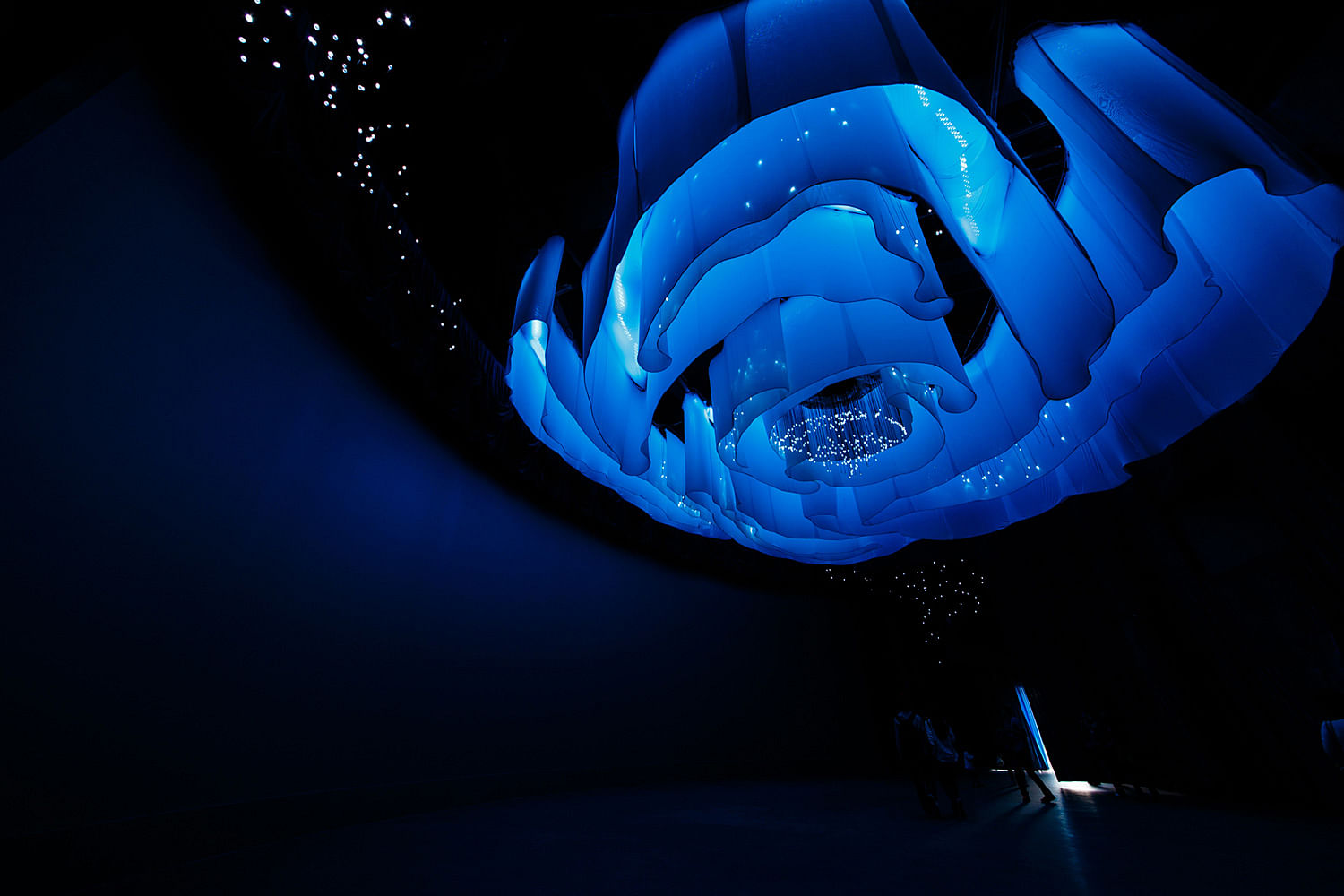
3D theater inside science pavilion. Photo: Ryuji Miya. Image courtesy of Chris Y.H. Chan

Project data

Project name: Pavilion of Art + Pavilion of Science, The 8th China Flower Expo (Competition 1st Prize)
Architect: Lab Architecture Studio in collaboration with Chris Yiu-hang Chan & Stephanie Mee-lee Tan
Location: Wujin, China
Year of completion: 2013
Function: Exhibition gallery + multimedia center

Architect in charge: Donald L. Bates, Andy Wang, Chris Y. H. Chan, Stephanie M. L. Tan
Project team: Ryuji Miya, Irene Yang, Ada Ou, Shayne lacy
Local Design institute: Shanghai Sunyat Architecture Design Co.,Ltd

Photography: Ryuji Miya, Gary

Images courtesy of Chris Y.H. Chan.

Related

wujin ● winner ● stephanie mee-lee tan ● science ● pavilion ● lab architecture studio ● completed project ● chris yiu-hang chan ● china flower expo ● china ● asia ● art

Share

  • Follow

    0 Comments

  • Comment as :

Winning-entry Art and Science Pavilions for 8th China Flower Expo completed

Best residential architecture of 2026 honored at AIA Housing Award

Best new interiors of 2026 chosen at AIA Interior Architecture Awards

Best global architecture honored at RIBA International Awards 2026

World’s most beautiful airports of 2026 chosen by Prix Versailles

New architecture and design competitions: Brick in Architecture Awards, Study Architecture Student Showcase, N.Y.C. Groceries, and New York High Falls Riverfront Market

SmithGroup’s ‘pioneering’ Philip Merrill Environmental Center wins AIA Twenty-five Year Award

Sponsored Post by Buildner

Museum of Emotions / Edition #8 FINAL registration deadline is in 5 DAYS!

Here are the winners of the 2026 AIA Architecture Awards

Sign up for Bustler's Email Newsletters

40 emerging architects and designers under 40 from Europe honored

Northwestern University selects 12-firm longlist to design new engineering building

New architecture and design competitions: Exploring 130 Years of American Design, Christo & Jeanne-Claude Center, 13 White Houses, and La Pyramide

Micro-architecture honored in latest Tiny House Architecture Competition

World’s most beautiful restaurants of 2026 chosen by Prix Versailles

Sponsored Post by Buildner

Design a wine tasting room in Italy! Valli Wine Tasting Room is launched!

10 can't-miss architecture & design events to see this June in London, Los Angeles, Chicago, San Francisco, Detroit, San Diego, Porto, and Barcelona

Next page » Loading

Winning-entry Art and Science Pavilions for 8th China Flower Expo completed

By Bustler Editors|

Wednesday, Oct 30, 2013

Share

Aerial view of the Art and Science Pavilions by Lab Architecture Studio + Chris Yiu-hang Chan and Stephanie Mee-lee Tan. Photo: Ryuji Miya. Image courtesy of Chris Y.H. Chan

Related

wujin ● winner ● stephanie mee-lee tan ● science ● pavilion ● lab architecture studio ● completed project ● chris yiu-hang chan ● china flower expo ● china ● asia ● art

The art and science pavilions by Lab Architecture Studio in collaboration with Chris Yiu-hang Chan and Stephanie Mee-lee Tan were recently completed in Wujin, China. The project won first prize in the 8th China Flower Expo competition, which aims to promote sustainable design.

The composition of the project was inspired by flower petals floating on water, while the forms of each pavilion reflect the surrounding natural landscape in West Tai-hu Lake. Although similar in aesthetics, each pavilion was designed according to its own exhibition functions.

Photos and additional details on this winning project are right below.

Project description

"Located on the West Tai-hu Lake, the design for the 8th Chinese Flower Expo pavilions explores the aesthetics of the relationship between the water and the petal. Also experiment the tension between the Natural landscape and the iconic culture body.

The designs of the two related pavilions (Art Exhibition Pavilion, Science Exhibition Pavilion) draw upon the natural geographical features of the area and use ecological building design principles to improve the relationship between art, architecture, and the environment whilst furthering the Flower Expo building society’s view to promote sustainability and the natural ecology."

A view of the art and science pavilions at dusk. Photo: Ryuji Miya. Image courtesy of Chris Y.H. Chan

"To create a performance orientated building as the very primitive intention, both pavilions have a 140 + meter expanse of sweeping, curvilinear forms constructed of tri grid steel members; with more than 8000 control points (5000+ for science pavilion, 3800+ for art pavilion), in association with highly translucent ETFE weatherproof membrane, shielding the 2-storey exhibition halls underneath, which could reduce the heat gains during mid-noon in summer. The zigzagged in house façade promotes the possibility of passive ventilation in the galleries."

Art pavilion. Photo: Ryuji Miya. Image courtesy of Chris Y.H. Chan

"The pavilions, both the Art Exhibition Pavilion and Science Exhibition Pavilion, operate as twinned, but separate sites, following similar formal expressions, but different planning and accommodation arrangements, as befits their different exhibition sequences.

The Art Exhibition Pavilion is more enclosed and intimately focused, with smaller displays and objects for viewing and study. The Science Exhibition Pavilion displays projected films and animations, relying on larger, audience interactive forums and spaces. Both Pavilions following curvilinear arrangements, with the entering and exiting flow of visitors at the scale of a major expo of primary concern."

Science pavilion. Photo: Ryuji Miya. Image courtesy of Chris Y.H. Chan
Art pavilion courtyard. Photo: Ryuji Miya. Image courtesy of Chris Y.H. Chan

"The monocoque creates an in-between space for people enjoy the surrounding natural scene within the building. It is responds the simple self-spin gallery profile and beautiful natural landscape to enhance the experience and interactive opportunity during the journey."
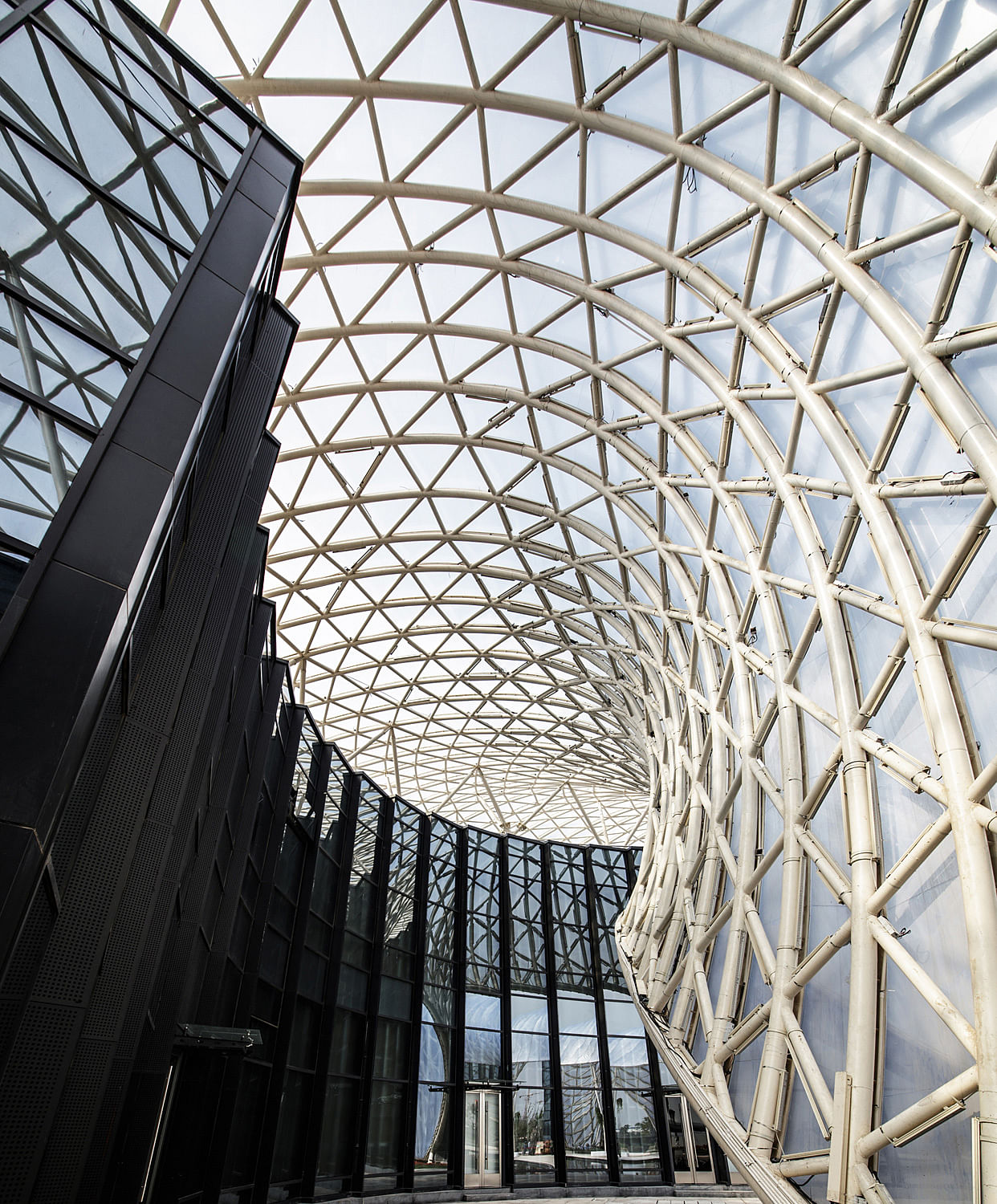
Art pavilion monocoque. Image courtesy of Chris Y.H. Chan
Science pavilion monocoque. Image courtesy of Chris Y.H. Chan
Courtyard space. Photo: Ryuji Miya. Image courtesy of Chris Y.H. Chan

"The planning and configuration for both comes from loops and overlapping ellipses. This concept includes the indoor, outdoor courtyard and transition space. Both pavilions could trace out a single round pattern as very primitive iconography. And this notion indeed absorb Chinese spacial concept - Architecture is not only inside; nor outside; and never a mono-object. That is body/mechanism of inclusive outdoor, indoor and in-between. The entire petal-like composition of the project responds visually and tectonically to its environment to create a distinct and powerful sense of place as well as a breathtaking backdrop for the 8th Chinese Flower Expo."
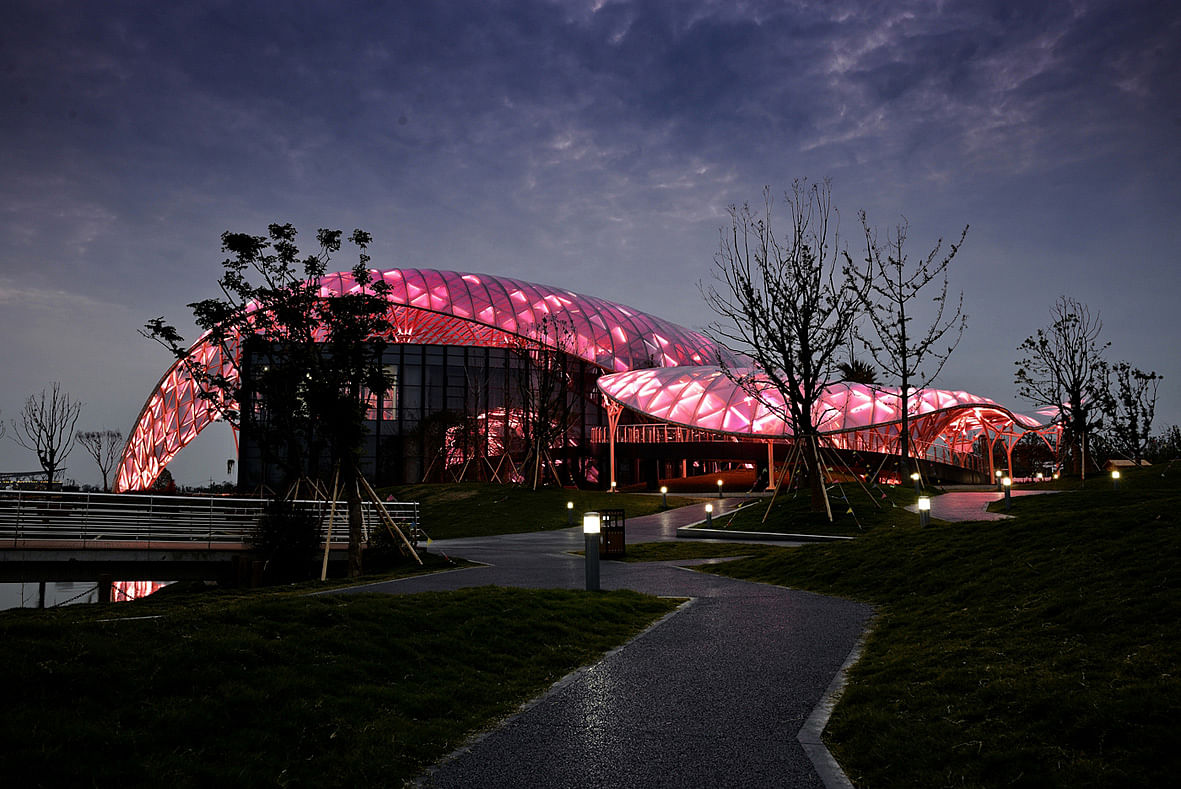
Night view of art pavilion. Photo: Ryuji Miya. Image courtesy of Chris Y.H. Chan
Night view of science pavilion. Photo: Ryuji Miya. Image courtesy of Chris Y.H. Chan
3D theater inside science pavilion. Photo: Ryuji Miya. Image courtesy of Chris Y.H. Chan

Project data

Project name: Pavilion of Art + Pavilion of Science, The 8th China Flower Expo (Competition 1st Prize)
Architect: Lab Architecture Studio in collaboration with Chris Yiu-hang Chan & Stephanie Mee-lee Tan
Location: Wujin, China
Year of completion: 2013
Function: Exhibition gallery + multimedia center

Architect in charge: Donald L. Bates, Andy Wang, Chris Y. H. Chan, Stephanie M. L. Tan
Project team: Ryuji Miya, Irene Yang, Ada Ou, Shayne lacy
Local Design institute: Shanghai Sunyat Architecture Design Co.,Ltd

Photography: Ryuji Miya, Gary

Images courtesy of Chris Y.H. Chan.
Share

  • Follow

    0 Comments

  • Comment as :

Archinect JobsArchinect Jobs

The Archinect Job Board attracts the world's top architectural design talents.

VIEW ALL JOBS POST A JOB

Senior Project Architect

Breland – Harper

Senior Project Architect

Los Angeles, CA, US

Professor/Associate Professor/Assistant Professor of Architecture

Harvard University

Professor/Associate Professor/Assistant Professor of Architecture

Cambridge, MA, US

Hospitality Project Architect

bonetti/kozerski architecture DPC

Hospitality Project Architect

New York, NY, US

Intermediate Architect

GF55 Architects

Intermediate Architect

New York, NY, US

Project Designer / Manager

BuiltIN Studio

Project Designer / Manager

New York, NY, US

Architectural Designer / Junior Architect (1–3 Years Experience)

Andrew Magnes Architecture

Architectural Designer / Junior Architect (1–3 Years Experience)

Brooklyn, NY, US

Project Manager/architect

MKNH Architects

Project Manager/architect

New York, NY, US

Marketing + Communications Specialist

Trahan Architects

Marketing + Communications Specialist

New York, NY, US

Junior Architect in nyc

Lara Apelian Studio

Junior Architect in nyc

New York, NY, US

Interior Design Project Manager

DAHLIN Architecture | Planning | Interiors

Interior Design Project Manager

Bellevue, WA, US

Next page » Loading