• Login / Join
  • About
  • •
  • Contact
  • •
  • Advertising
bustler logo
bustler logo
  • News
  • Competitions
  • Events
  • Bustler is powered by Archinect
  • Sign up for Bustler's Email Newsletters

  • Follow these Bustler feeds:

  • Search

    Search in

  • Submit

    What are you submitting?

    News Pitch
    Competition
    Event
  • Login / Join
  • News|Competitions|Events
  • Search
    | Submit
    | Follow
  • Search in

    What are you submitting?

    News Pitch
    Competition
    Event

    Follow these Bustler feeds:

  • About|Contact|Advertising
  • Login / Join

Arup Germany/SolarLeaf, Studio Tamassociati, and Elemental win in 2014 Zumtobel Group Award

By Bustler Editors|

Friday, Sep 26, 2014
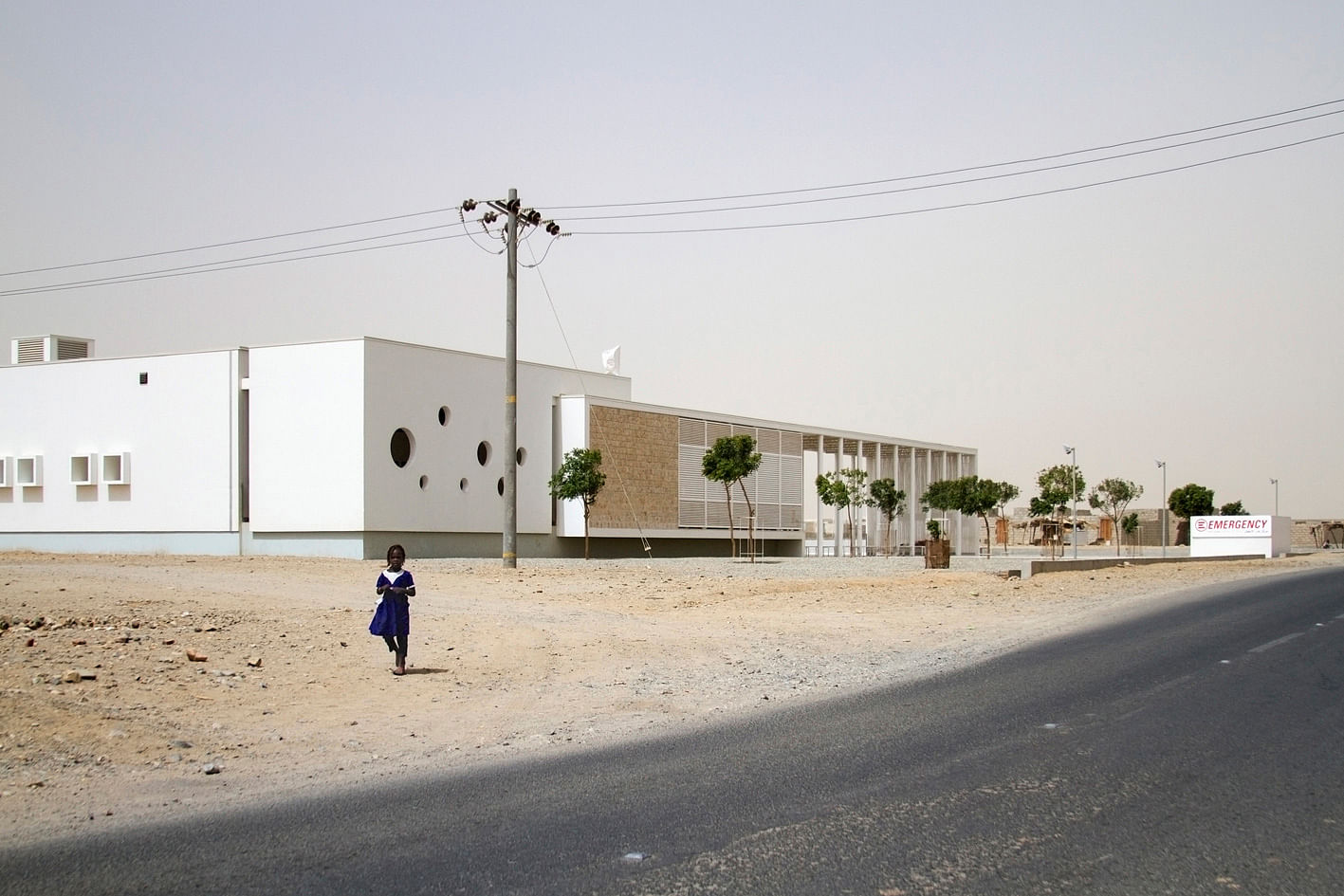
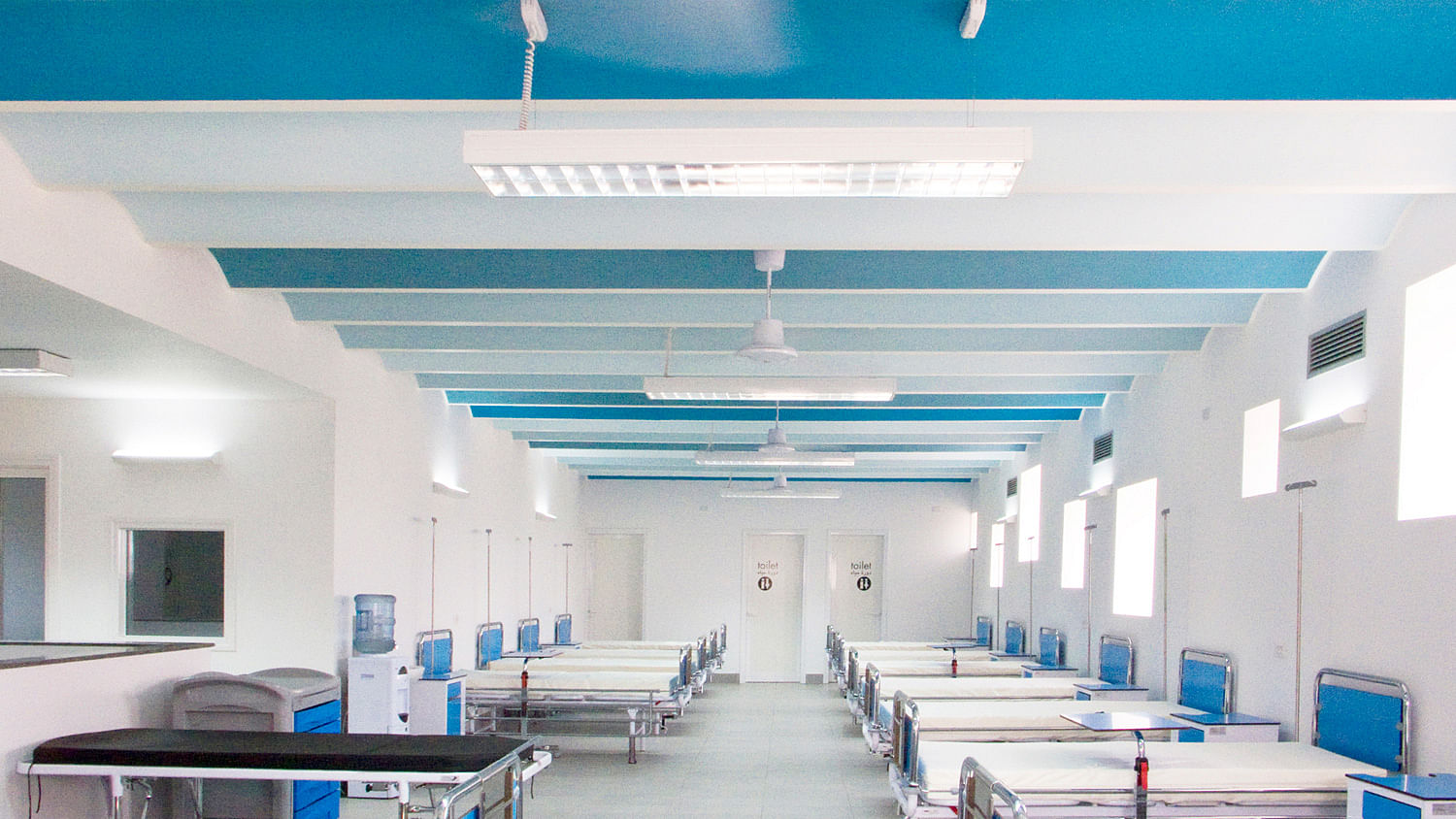
BUILDINGS winner: Port Sudan Paediatric Centre by Studio Tamassociati, Italy

The winners for the 2014 Zumtobel Group Award were recently honored at an awards ceremony in London. From 356 submissions to 15 nominated projects, a total of three winners were selected for the categories: BUILDINGS; URBAN DEVELOPMENTS & INITIATIVES; and the newly added APPLIED INNOVATIONS. (Learn more about each category here.)

  • BUILDINGS winner: Port Sudan Paediatric Centre by Studio Tamassociati, Italy
  • URBAN DEVELOPMENTS & INITIATIVES winner: PRES Constitución by Elemental, Chile
  • APPLIED INNOVATIONS winner: SolarLeaf with Arup Deutschland GmbH

Each winner received a cash prize of €50,000 (approx. US$63,400). According to jury chairman Winy Maas (MVRDV principal), although voting for the winner was very close in all three categories, the jury distinguished the winners based on the key factor of innovation — in regards to technicality, planning, and ecological and social challenges.

Scroll down further to see photos, jury commentary videos, and other details of each winner.

BUILDINGS winner: Port Sudan Paediatric Centre by Studio Tamassociati, Italy

"The winner of the Zumtobel Group Award 2014 in the BUILDINGS category is the Studio Tamassociati architectural practice from Venice. They were commissioned by the Italian NGO “Emergency”, which provides free medical treatment to civilian victims of war, landmines and poverty, to build a children’s hospital in Sudan. Located in the strategically important city of Port Sudan, the clinic is one of the few facilities to provide free care for children in the region. In the prevailing extreme conditions – the hot desert climate and the political instability of the country – simplicity was the overriding design principle. Relying on the use of new and old technologies, the architects developed a system for cooling, air treatment, recycling, reallocation of local materials, landscape design and energy saving. The need to purify waste water from the centre presented an opportunity to build public gardens, which are the only public spaces around. These gardens represent an important part of the healing process for patients.

Explaining their choice of the Port Sudan Paediatric Centre, the jury said: 'In this project you can see right away that it responds to a social agenda. It makes a valuable contribution to the medical and social care of the local people and its holistic design process is very much in the spirit of the Zumtobel Group Award. The outcome is an ambitious design that is focused primarily on its practical purpose, without neglecting architectural, sustainability and aesthetic considerations.'"
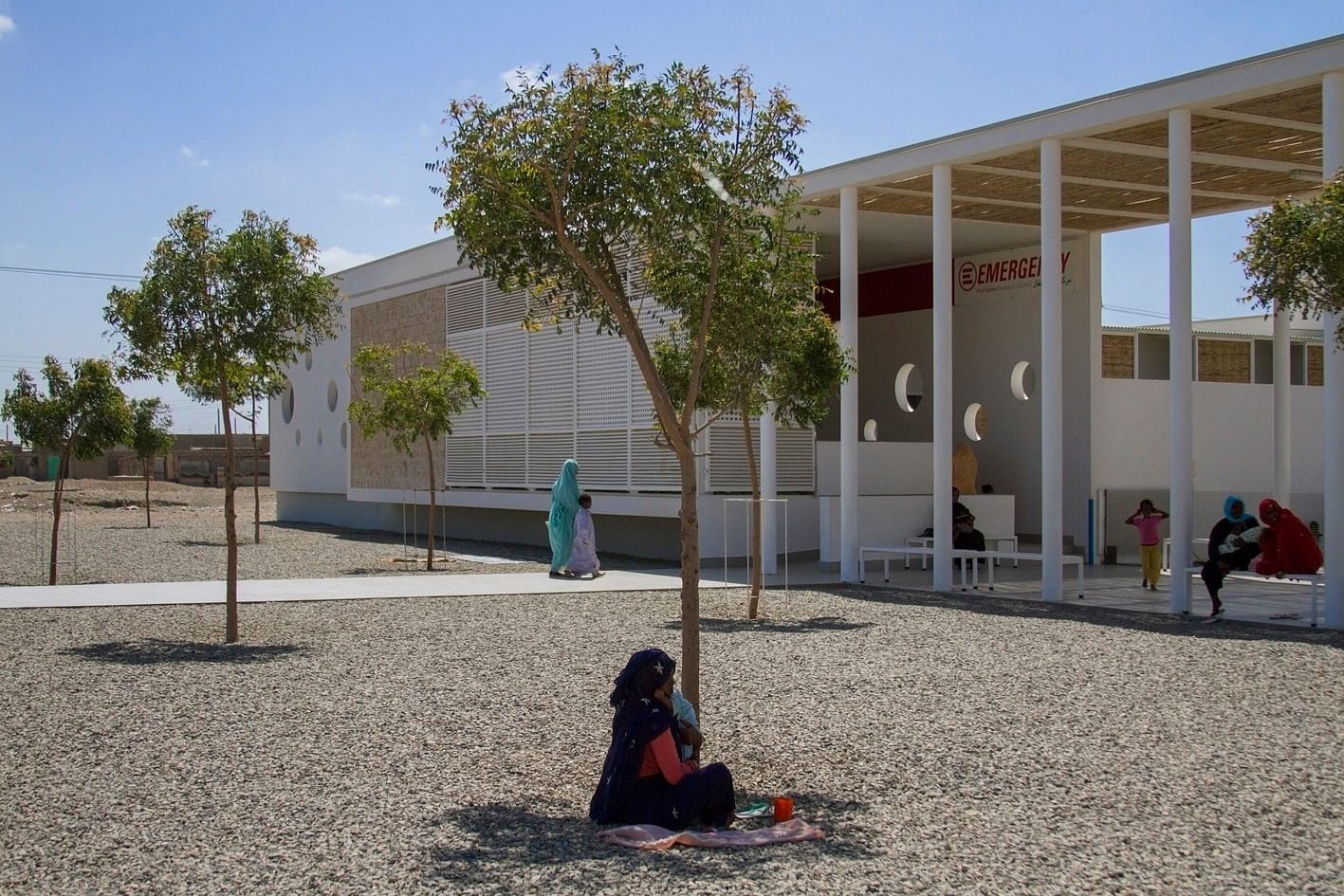
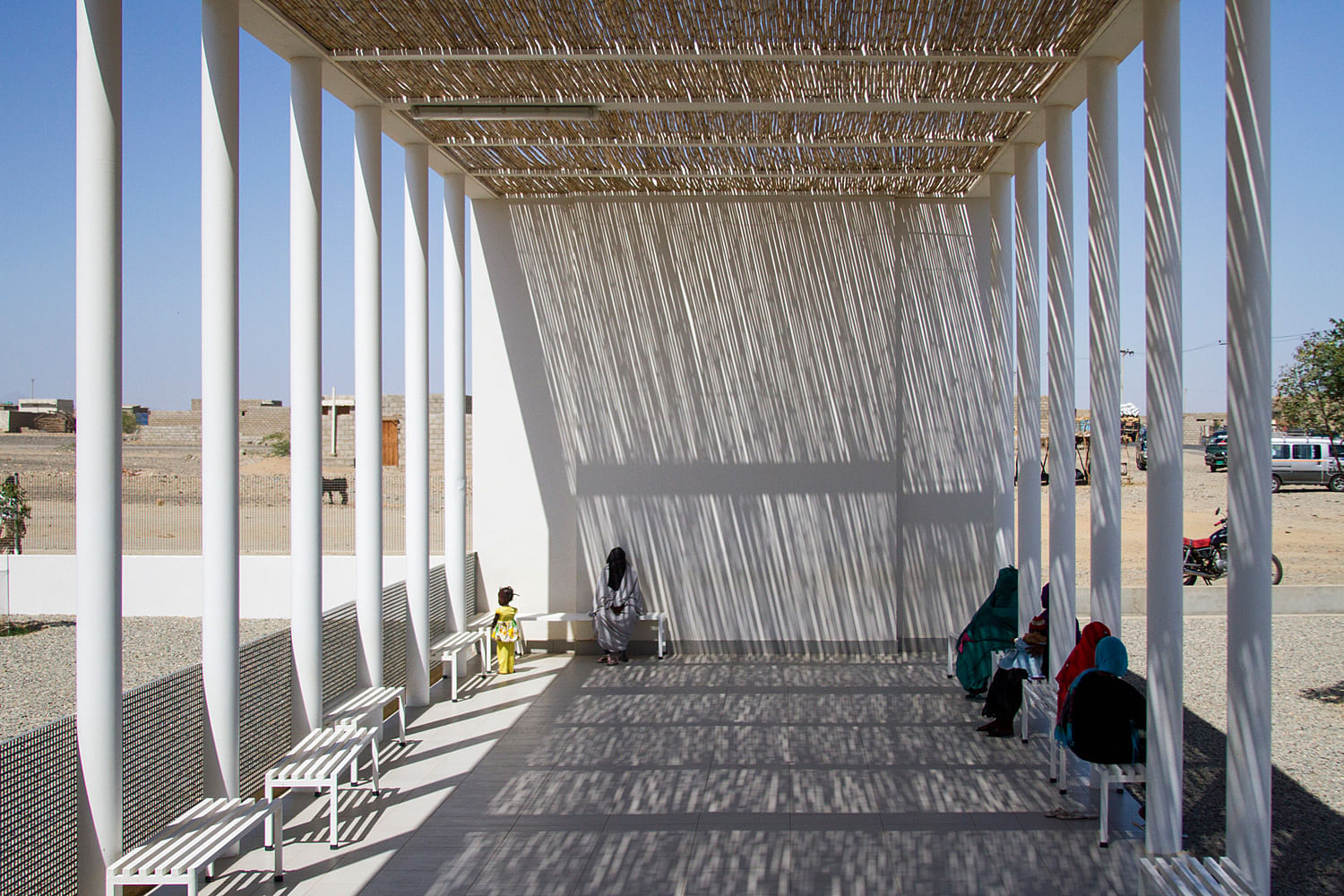
BUILDINGS winner: Port Sudan Paediatric Centre by Studio Tamassociati, Italy

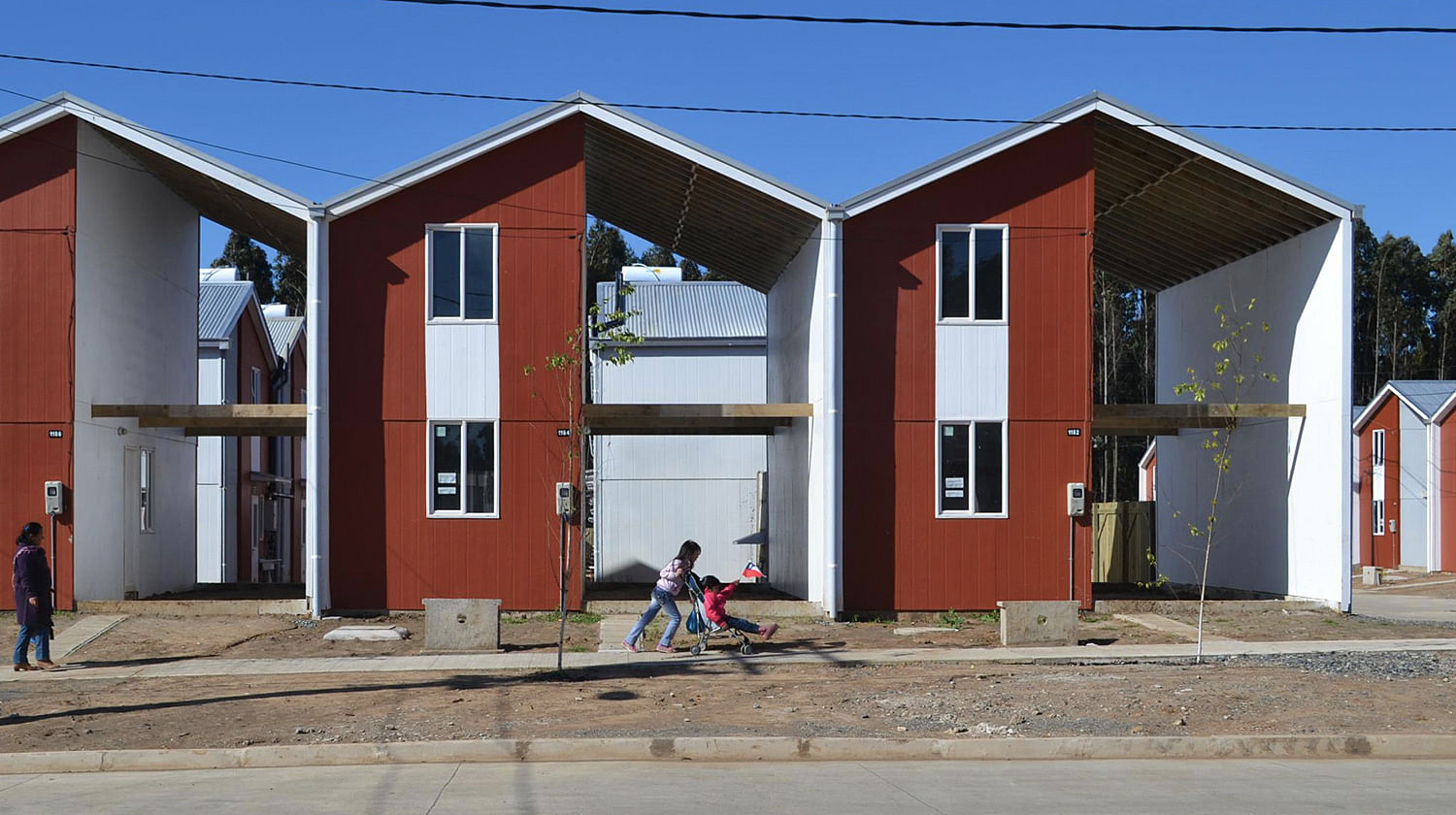
URBAN DEVELOPMENTS & INITIATIVES winner: PRES Constitución by Elemental, Chile

URBAN DEVELOPMENTS & INITIATIVES winner: PRES Constitución by Elemental, Chile

"First prize in the category URBAN DEVELOPMENTS & INITIATIVES in the Zumtobel Group Award 2014 goes to the architectural practice Elemental for its master plan for the sustainable reconstruction of the city of Constitución in Chile. In 2010, Chile was hit by an earthquake followed by a tsunami. Constitución was destroyed by waves up to 12 metres high. Elemental was given just 100 days to come up with a master plan for the reconstruction of the city, which would also provide protection against future natural disasters – not only tsunamis but also seasonal flooding. In their concept, Elemental delivered a natural solution: planting a forest that would protect the city from future floods. In addition to the empirical evidence from the most recent tsunami, the architects relied on mathematical models and laboratory trials. Implementing their master plan proved very challenging both politically and socially, because it required the city to expropriate private land along the riverbank. Elemental’s successful approach was to rely on participatory design to define the citizens’ needs and engage them in the planning process. Today, four years after the earthquake, the individual projects from the master plan are being implemented.

'In Constitución the population has managed to apply the necessary innovation to ensure its protection against future flooding. By adopting a bottom-up approach, in a very constructive way a joint decision has been reached regarding what the city should look like in the future. This exemplary concept is not restricted to Constitución, but could also apply in many geographies around the world that have been destroyed by natural disasters,' said the jury, commenting on their selection."

URBAN DEVELOPMENTS & INITIATIVES winner: PRES Constitución by Elemental, Chile

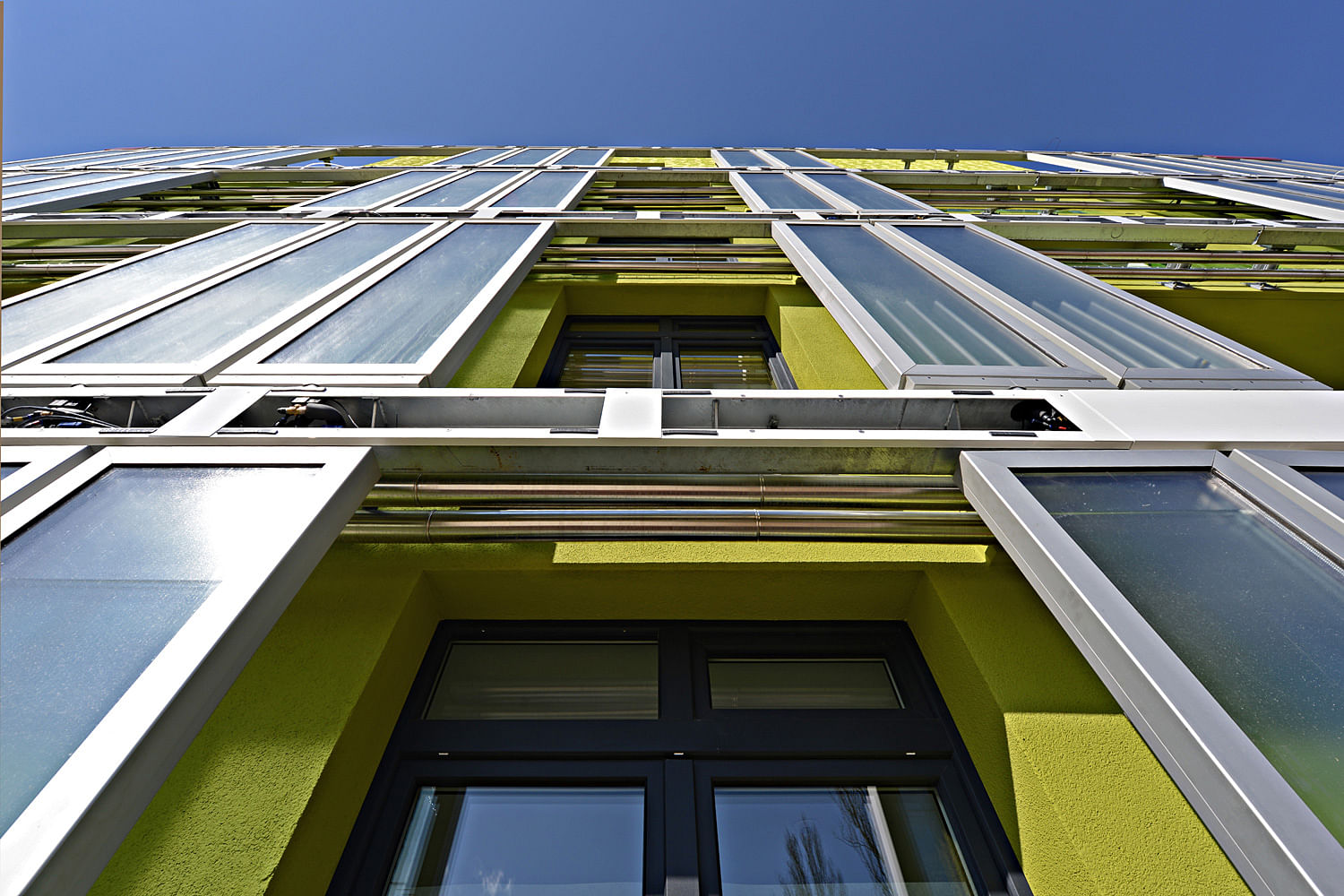
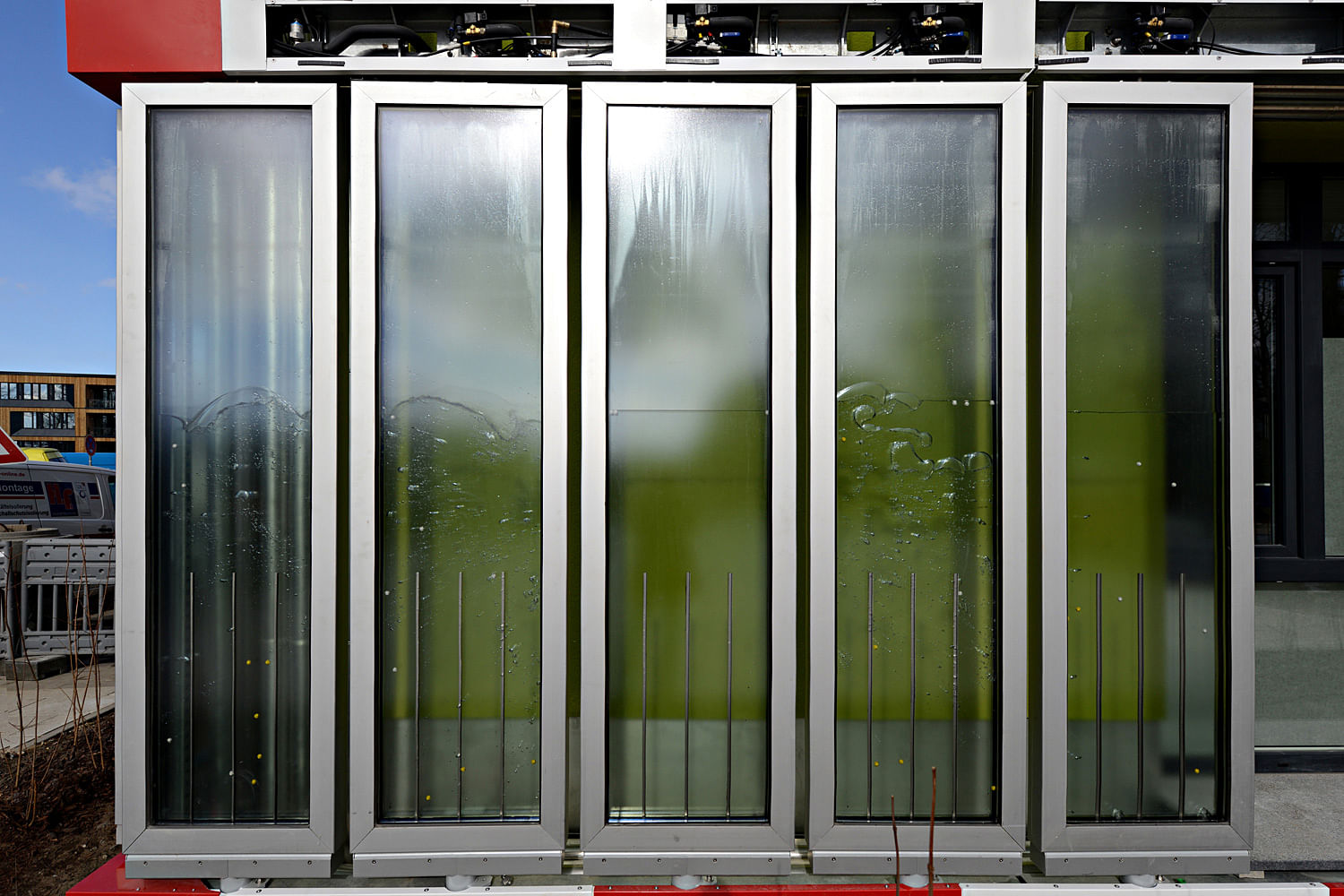
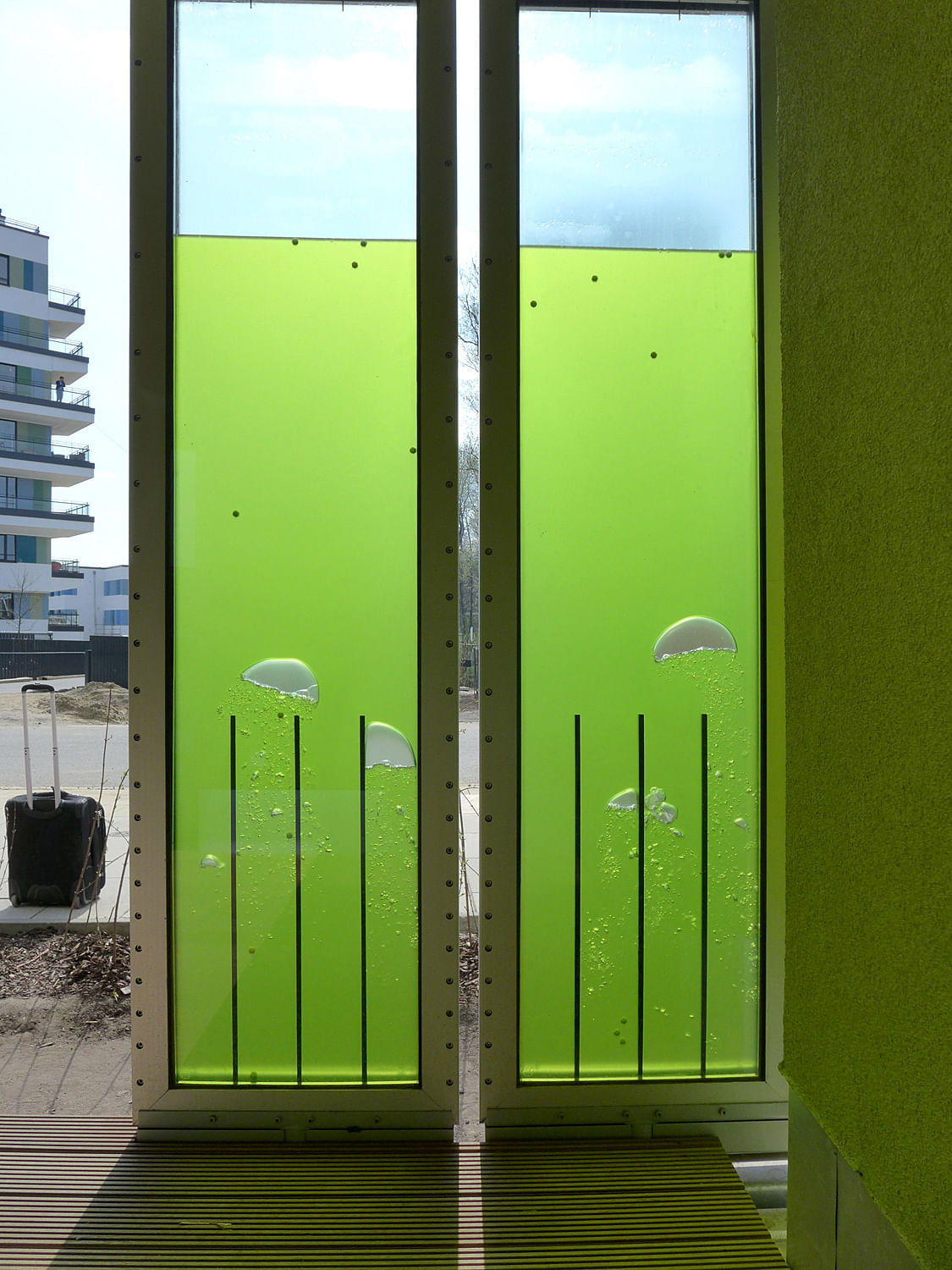
APPLIED INNOVATIONS winner: SolarLeaf with Arup Deutschland GmbH

APPLIED INNOVATIONS winner: SolarLeaf with Arup Deutschland GmbH

"In the APPLIED INNOVATIONS category, the jury awarded first prize to the SolarLeaf façade co-developed by Arup Deutschland GmbH. The SolarLeaf façade is a building-integrated system that absorbs CO2 emissions and produces biomass and heat. The generation of these renewable energy resources is based on the biochemical process of photosynthesis and the cultivation of microalgae in flat-panel photo bioreactors which require no additional space and are largely immune to the weather conditions. The façade system was developed by Arup Deutschland in collaboration with SSC Strategic Science Consult GmbH and Colt International GmbH, with subsidies from the federal research initiative ZukunftBau. The system was first installed in a four-storey residential building that was designed by SPLITTERWERK architects for the 2013 International Building Exhibition (IBA) in Hamburg. The SolarLeaf façade can play an important part in establishing zero-carbon building clusters that generate surplus energy. 

Explaining the reasons for their choice, the jury said: 'In the future we need to develop buildings which don’t just offer shelter and minimise energy consumption but also try to deliver answers to how we provide the urban environment with energy, water and better air quality. The SolarLeaf façade is an outstanding example here in that it generates energy without taking up additional space. This project is especially valuable because for the first time we have an application that actually works in an existing building.'"

Related: More details on microalgae façade “SolarLeaf”, a Zumtobel Group Award 2014 nominee

APPLIED INNOVATIONS winner: SolarLeaf with Arup Deutschland GmbH

2014 Jury:

  • Kunlé Adeyemi, Architect, NLÉ Shaping the Architecture of Developing Cities, Amsterdam (NL) member of the Award jury in 2012, 2014
  • Yung Ho Chang, Architect, Atelier FCJZ, Beijing (CN) member of the Award jury in 2007, 2010, 2012, 2014
  • Brian Cody, Chair of the Institute of Buildings and Energy, Graz University of Technology (AT) member of the Award jury in 2010, 2012, 2014
  • Winy Maas, Architect / MVRDV, Rotterdam (NL) member of the Award jury in 2012; chair of the jury in 2014
  • Ulrich Schumacher, CEO Zumtobel Group, Dornbirn (AT) new member of the Award jury in 2014
  • Kazuyo Sejima, Architect / SANAA, Tokyo (JP) member of the Award jury in 2007, 2012, 2014
  • Rainer Walz, Head of Competence Center Sustainability and Infrastructure Systems, Fraunhofer ISI Karlsruhe (DE); new member of the Award jury in 2014

All photos courtesy of Zumtobel Group Award 2014.

Related

zumtobel group award ● zumtobel ● urban planning ● italy ● innovation ● germany ● environmental issues ● environmental design ● chile ● award presentation

Share

  • Follow

    0 Comments

  • Comment as :

Arup Germany/SolarLeaf, Studio Tamassociati, and Elemental win in 2014 Zumtobel Group Award

40 emerging architects and designers under 40 from Europe honored

Northwestern University selects 12-firm longlist to design new engineering building

New architecture and design competitions: Exploring 130 Years of American Design, Christo & Jeanne-Claude Center, 13 White Houses, and La Pyramide

Micro-architecture honored in latest Tiny House Architecture Competition

World’s most beautiful restaurants of 2026 chosen by Prix Versailles

Sponsored Post by Buildner

Design a wine tasting room in Italy! Valli Wine Tasting Room is launched!

10 can't-miss architecture & design events to see this June in London, Los Angeles, Chicago, San Francisco, Detroit, San Diego, Porto, and Barcelona

Sponsored Post by Buildner

Museum of Emotions / Edition #8 FINAL registration deadline is approaching!

Sign up for Bustler's Email Newsletters

Seven global projects make AR Public Awards shortlist 2026

Sponsored Post by Buildner

Design a slow-living restaurant in Portugal! Portugal Long Table Restaurant is launched!

World's best tall buildings honored at the CVU 2026 Award of Excellence

Sponsored Post by TWOPAGES

Final call: TWOPAGES X Design Contest 2026 submissions close June 5

Kengo Kuma & Paul Raff win Alberta national park visitor center competition with landscape-focused design

2026 Moira Gemmill and MJ Long prizes announced by W Awards

New architecture and design competitions: Kinderspace, Stewardson Keefe LeBrun Travel Grant, SMALL PROJECT BIG IMPACT, and Garden of University House, Bucharest

Next page » Loading

Arup Germany/SolarLeaf, Studio Tamassociati, and Elemental win in 2014 Zumtobel Group Award

By Bustler Editors|

Friday, Sep 26, 2014

Share

BUILDINGS winner: Port Sudan Paediatric Centre by Studio Tamassociati, Italy

Related

zumtobel group award ● zumtobel ● urban planning ● italy ● innovation ● germany ● environmental issues ● environmental design ● chile ● award presentation

The winners for the 2014 Zumtobel Group Award were recently honored at an awards ceremony in London. From 356 submissions to 15 nominated projects, a total of three winners were selected for the categories: BUILDINGS; URBAN DEVELOPMENTS & INITIATIVES; and the newly added APPLIED INNOVATIONS. (Learn more about each category here.)

  • BUILDINGS winner: Port Sudan Paediatric Centre by Studio Tamassociati, Italy
  • URBAN DEVELOPMENTS & INITIATIVES winner: PRES Constitución by Elemental, Chile
  • APPLIED INNOVATIONS winner: SolarLeaf with Arup Deutschland GmbH

Each winner received a cash prize of €50,000 (approx. US$63,400). According to jury chairman Winy Maas (MVRDV principal), although voting for the winner was very close in all three categories, the jury distinguished the winners based on the key factor of innovation — in regards to technicality, planning, and ecological and social challenges.

Scroll down further to see photos, jury commentary videos, and other details of each winner.

BUILDINGS winner: Port Sudan Paediatric Centre by Studio Tamassociati, Italy

"The winner of the Zumtobel Group Award 2014 in the BUILDINGS category is the Studio Tamassociati architectural practice from Venice. They were commissioned by the Italian NGO “Emergency”, which provides free medical treatment to civilian victims of war, landmines and poverty, to build a children’s hospital in Sudan. Located in the strategically important city of Port Sudan, the clinic is one of the few facilities to provide free care for children in the region. In the prevailing extreme conditions – the hot desert climate and the political instability of the country – simplicity was the overriding design principle. Relying on the use of new and old technologies, the architects developed a system for cooling, air treatment, recycling, reallocation of local materials, landscape design and energy saving. The need to purify waste water from the centre presented an opportunity to build public gardens, which are the only public spaces around. These gardens represent an important part of the healing process for patients.

Explaining their choice of the Port Sudan Paediatric Centre, the jury said: 'In this project you can see right away that it responds to a social agenda. It makes a valuable contribution to the medical and social care of the local people and its holistic design process is very much in the spirit of the Zumtobel Group Award. The outcome is an ambitious design that is focused primarily on its practical purpose, without neglecting architectural, sustainability and aesthetic considerations.'"
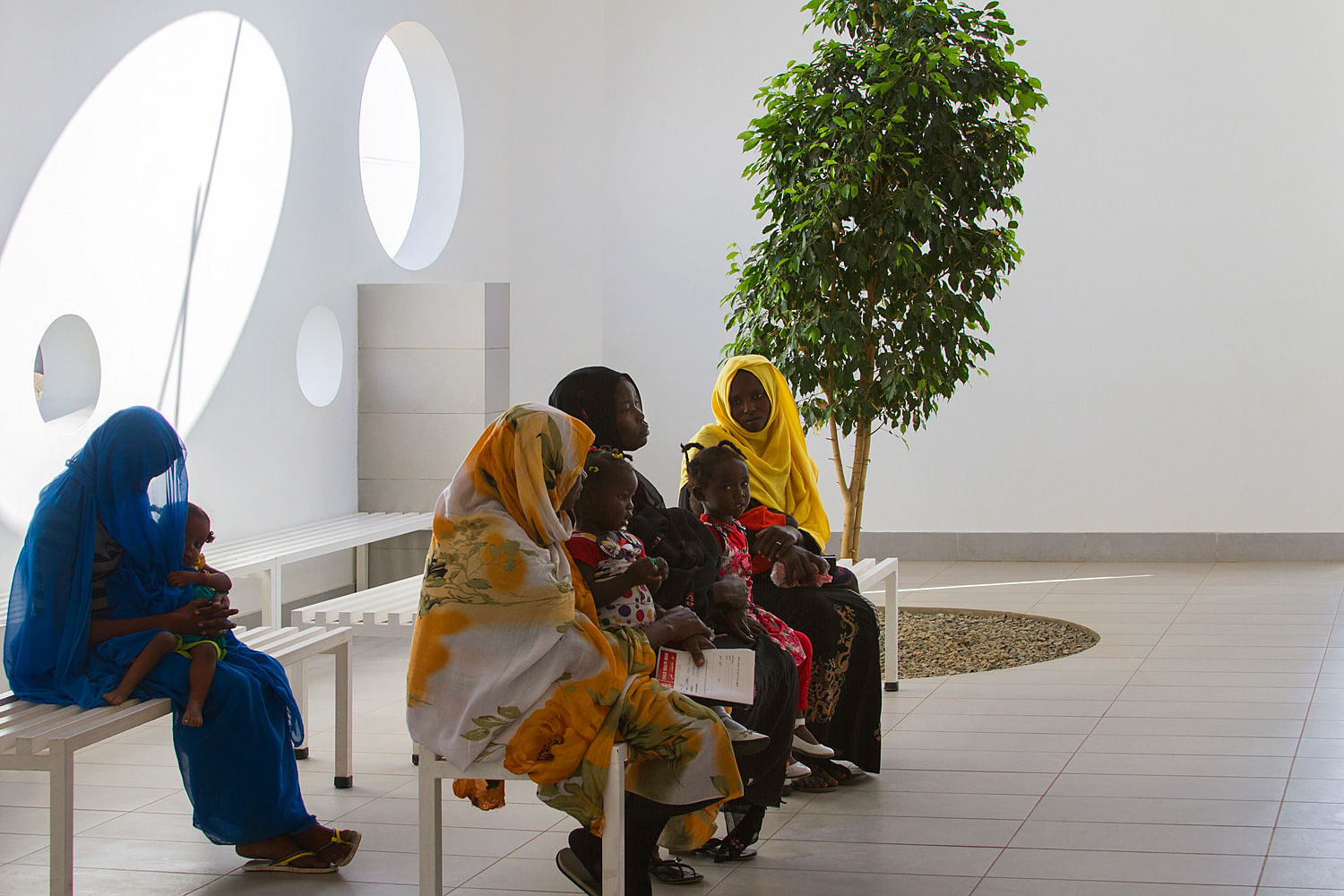
BUILDINGS winner: Port Sudan Paediatric Centre by Studio Tamassociati, Italy

URBAN DEVELOPMENTS & INITIATIVES winner: PRES Constitución by Elemental, Chile
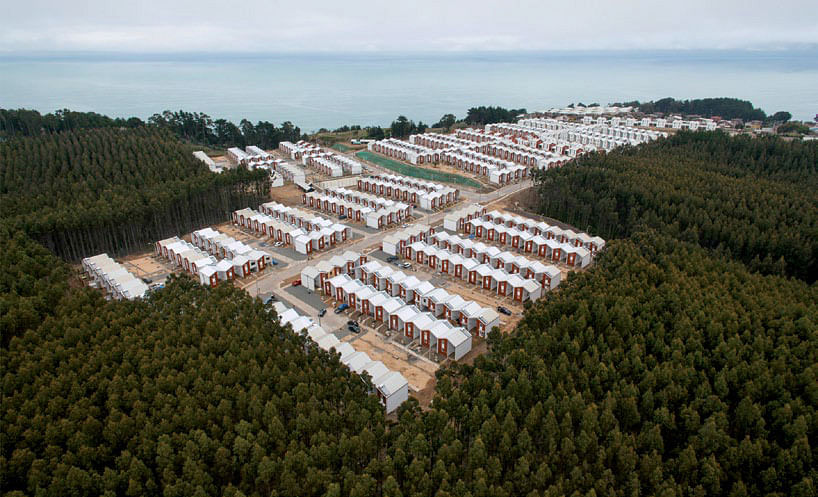
URBAN DEVELOPMENTS & INITIATIVES winner: PRES Constitución by Elemental, Chile

"First prize in the category URBAN DEVELOPMENTS & INITIATIVES in the Zumtobel Group Award 2014 goes to the architectural practice Elemental for its master plan for the sustainable reconstruction of the city of Constitución in Chile. In 2010, Chile was hit by an earthquake followed by a tsunami. Constitución was destroyed by waves up to 12 metres high. Elemental was given just 100 days to come up with a master plan for the reconstruction of the city, which would also provide protection against future natural disasters – not only tsunamis but also seasonal flooding. In their concept, Elemental delivered a natural solution: planting a forest that would protect the city from future floods. In addition to the empirical evidence from the most recent tsunami, the architects relied on mathematical models and laboratory trials. Implementing their master plan proved very challenging both politically and socially, because it required the city to expropriate private land along the riverbank. Elemental’s successful approach was to rely on participatory design to define the citizens’ needs and engage them in the planning process. Today, four years after the earthquake, the individual projects from the master plan are being implemented.

'In Constitución the population has managed to apply the necessary innovation to ensure its protection against future flooding. By adopting a bottom-up approach, in a very constructive way a joint decision has been reached regarding what the city should look like in the future. This exemplary concept is not restricted to Constitución, but could also apply in many geographies around the world that have been destroyed by natural disasters,' said the jury, commenting on their selection."
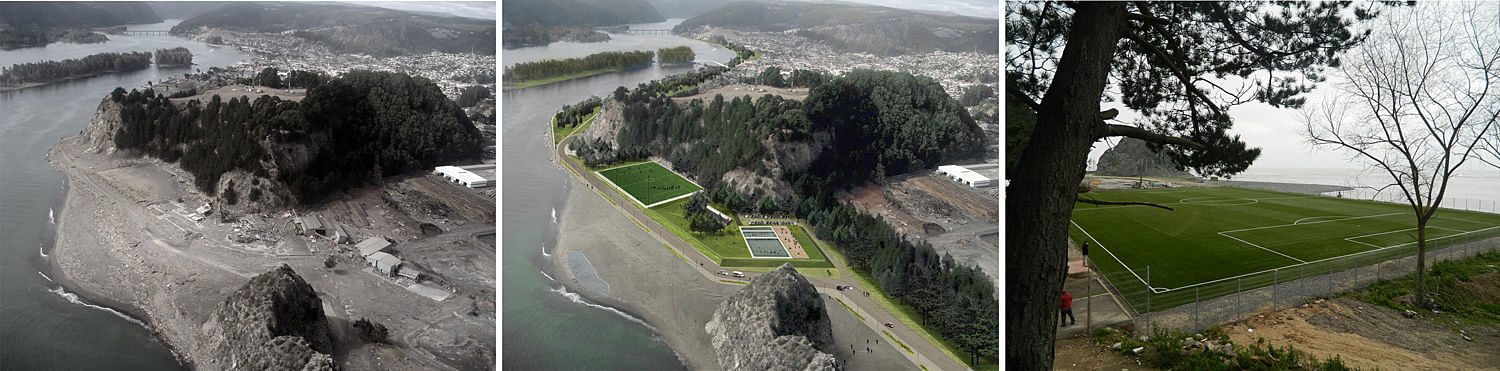
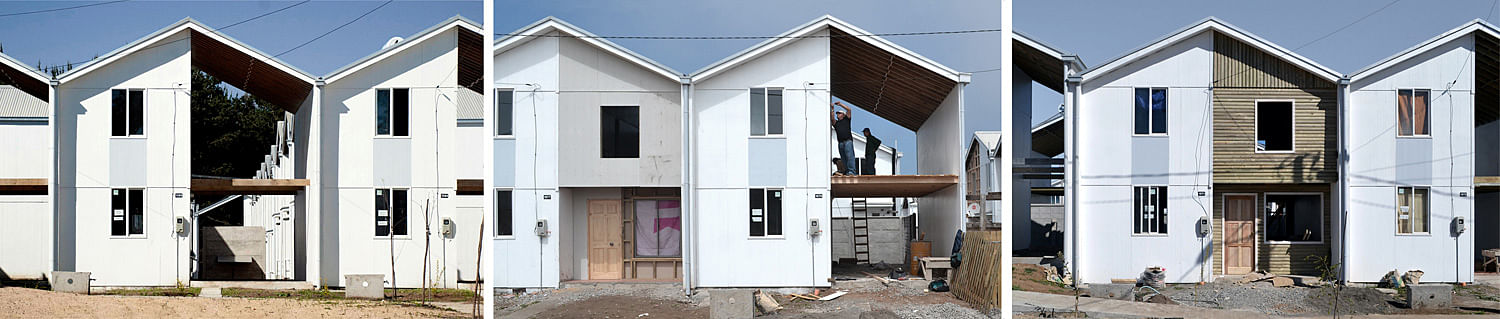
URBAN DEVELOPMENTS & INITIATIVES winner: PRES Constitución by Elemental, Chile

APPLIED INNOVATIONS winner: SolarLeaf with Arup Deutschland GmbH
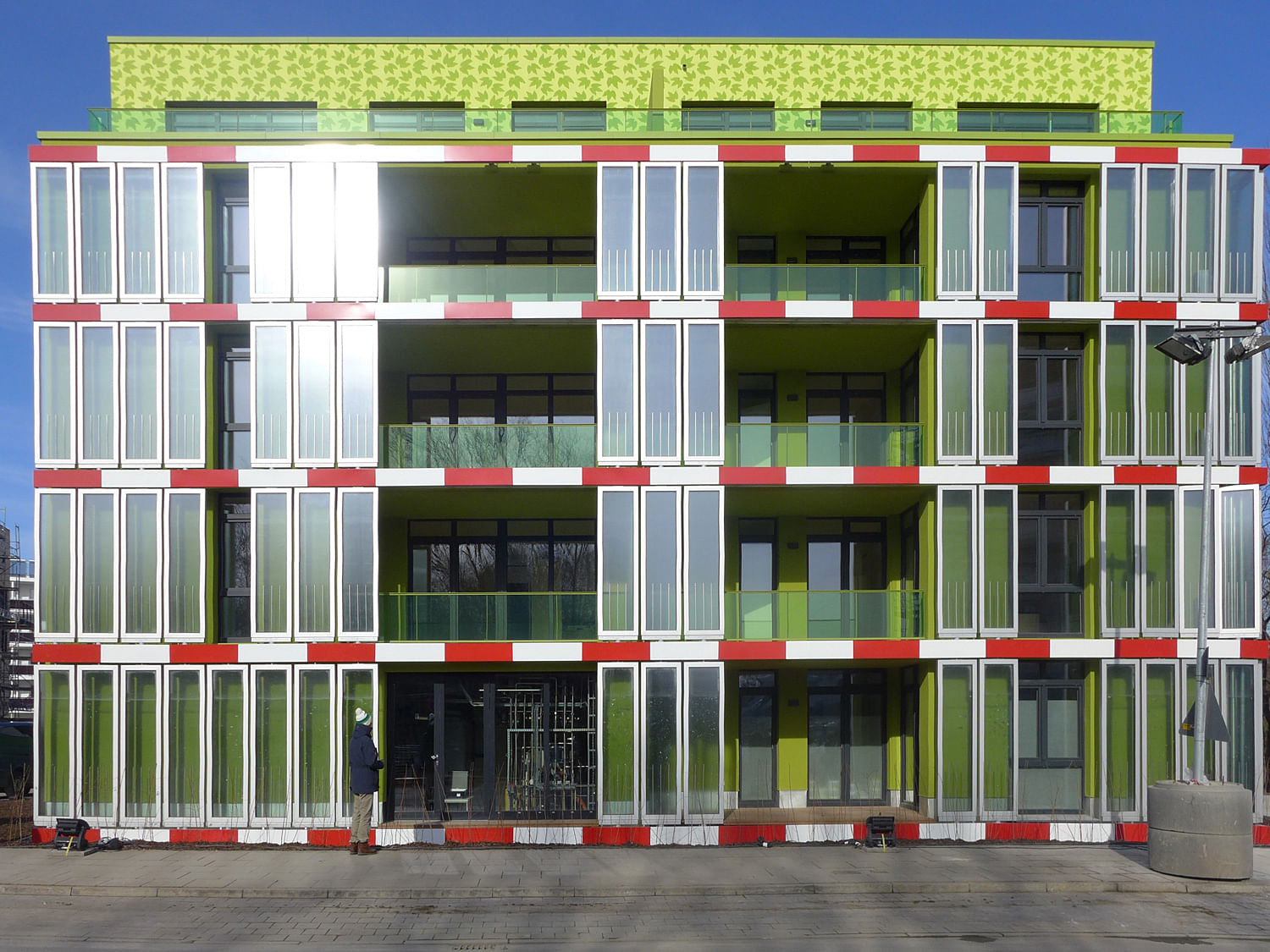
APPLIED INNOVATIONS winner: SolarLeaf with Arup Deutschland GmbH

"In the APPLIED INNOVATIONS category, the jury awarded first prize to the SolarLeaf façade co-developed by Arup Deutschland GmbH. The SolarLeaf façade is a building-integrated system that absorbs CO2 emissions and produces biomass and heat. The generation of these renewable energy resources is based on the biochemical process of photosynthesis and the cultivation of microalgae in flat-panel photo bioreactors which require no additional space and are largely immune to the weather conditions. The façade system was developed by Arup Deutschland in collaboration with SSC Strategic Science Consult GmbH and Colt International GmbH, with subsidies from the federal research initiative ZukunftBau. The system was first installed in a four-storey residential building that was designed by SPLITTERWERK architects for the 2013 International Building Exhibition (IBA) in Hamburg. The SolarLeaf façade can play an important part in establishing zero-carbon building clusters that generate surplus energy. 

Explaining the reasons for their choice, the jury said: 'In the future we need to develop buildings which don’t just offer shelter and minimise energy consumption but also try to deliver answers to how we provide the urban environment with energy, water and better air quality. The SolarLeaf façade is an outstanding example here in that it generates energy without taking up additional space. This project is especially valuable because for the first time we have an application that actually works in an existing building.'"

Related: More details on microalgae façade “SolarLeaf”, a Zumtobel Group Award 2014 nominee
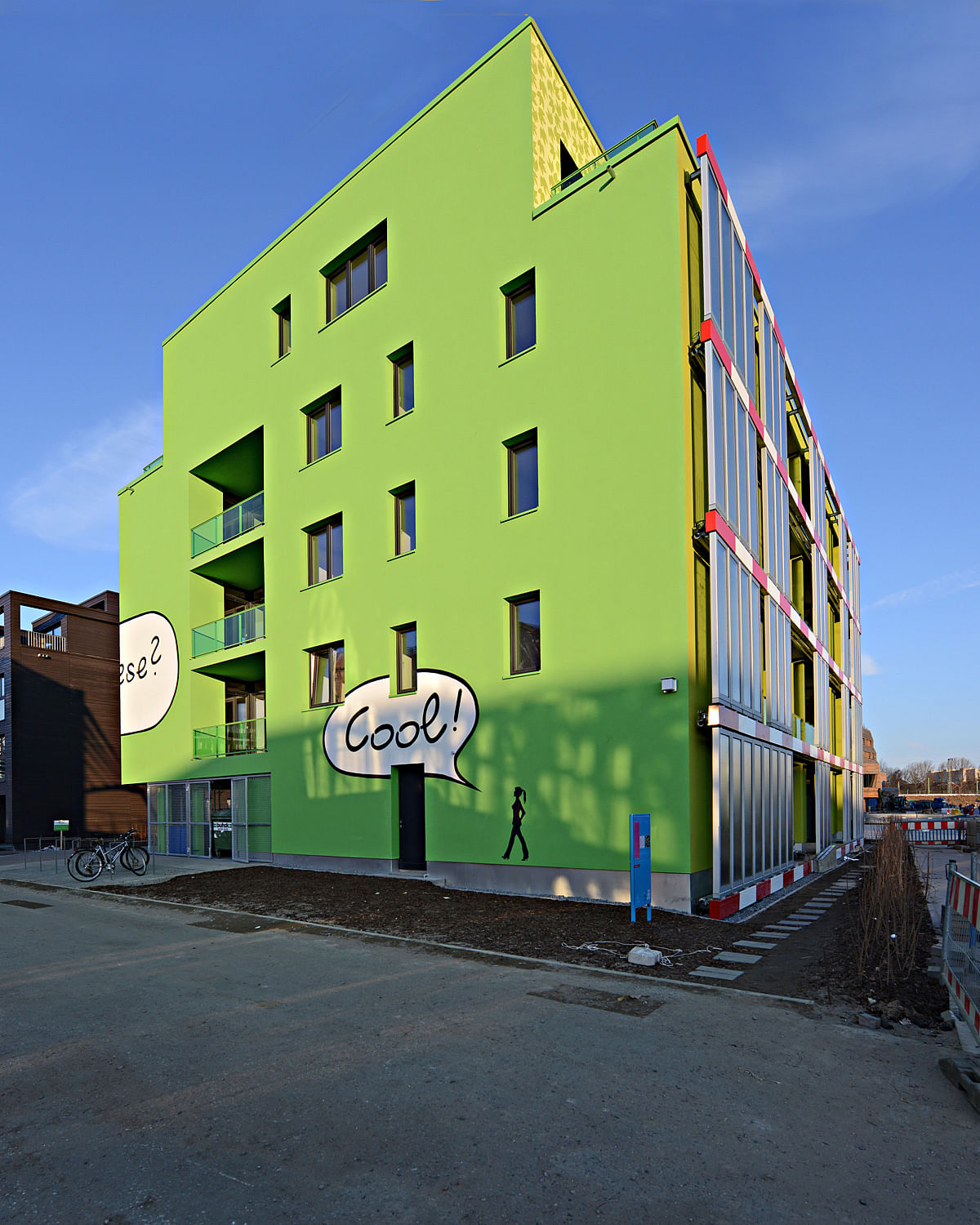
APPLIED INNOVATIONS winner: SolarLeaf with Arup Deutschland GmbH

2014 Jury:

  • Kunlé Adeyemi, Architect, NLÉ Shaping the Architecture of Developing Cities, Amsterdam (NL) member of the Award jury in 2012, 2014
  • Yung Ho Chang, Architect, Atelier FCJZ, Beijing (CN) member of the Award jury in 2007, 2010, 2012, 2014
  • Brian Cody, Chair of the Institute of Buildings and Energy, Graz University of Technology (AT) member of the Award jury in 2010, 2012, 2014
  • Winy Maas, Architect / MVRDV, Rotterdam (NL) member of the Award jury in 2012; chair of the jury in 2014
  • Ulrich Schumacher, CEO Zumtobel Group, Dornbirn (AT) new member of the Award jury in 2014
  • Kazuyo Sejima, Architect / SANAA, Tokyo (JP) member of the Award jury in 2007, 2012, 2014
  • Rainer Walz, Head of Competence Center Sustainability and Infrastructure Systems, Fraunhofer ISI Karlsruhe (DE); new member of the Award jury in 2014

All photos courtesy of Zumtobel Group Award 2014.

Share

  • Follow

    0 Comments

  • Comment as :

Archinect JobsArchinect Jobs

The Archinect Job Board attracts the world's top architectural design talents.

VIEW ALL JOBS POST A JOB

Intermediate Architect

FROM Architecture DPC

Intermediate Architect

New York, NY, US

Junior Architect

Eric Colbert & Associates

Junior Architect

Washington, DC, US

Junior Designer

Shadow Architect, P.C.

Junior Designer

New York, NY, US

Architectural Designer

Build Block Inc.

Architectural Designer

Los Angeles, CA, US

Project Architect/ Designer

Nandinee Phookan Architect, P.C.

Project Architect/ Designer

New York, NY, US

Interior Project Manager

HLW International LLP

Interior Project Manager

New York, NY, US

Professor/Associate Professor/Assistant Professor of Architecture

Harvard University

Professor/Associate Professor/Assistant Professor of Architecture

Cambridge, MA, US

Architectural Associate/Junior Architect

Goldstone Architecture

Architectural Associate/Junior Architect

Bennington, VT, US

Project Architect LA & NYC

Montalba Architects, Inc.

Project Architect LA & NYC

Los Angeles, CA, US

Senior Designer / Architect

NardiHaus

Senior Designer / Architect

Pasadena, CA, US

Next page » Loading