• Login / Join
  • About
  • •
  • Contact
  • •
  • Advertising
bustler logo
bustler logo
  • News
  • Competitions
  • Events
  • Bustler is powered by Archinect
  • Sign up for Bustler's Email Newsletters

  • Follow these Bustler feeds:

  • Search

    Search in

  • Submit

    What are you submitting?

    News Pitch
    Competition
    Event
  • Login / Join
  • News|Competitions|Events
  • Search
    | Submit
    | Follow
  • Search in

    What are you submitting?

    News Pitch
    Competition
    Event

    Follow these Bustler feeds:

  • About|Contact|Advertising
  • Login / Join

A closer look at d3 Unbuilt Visions Special Mention ‘Re-configurable Infrastructure’

By Bustler Editors|

Thursday, Mar 5, 2015
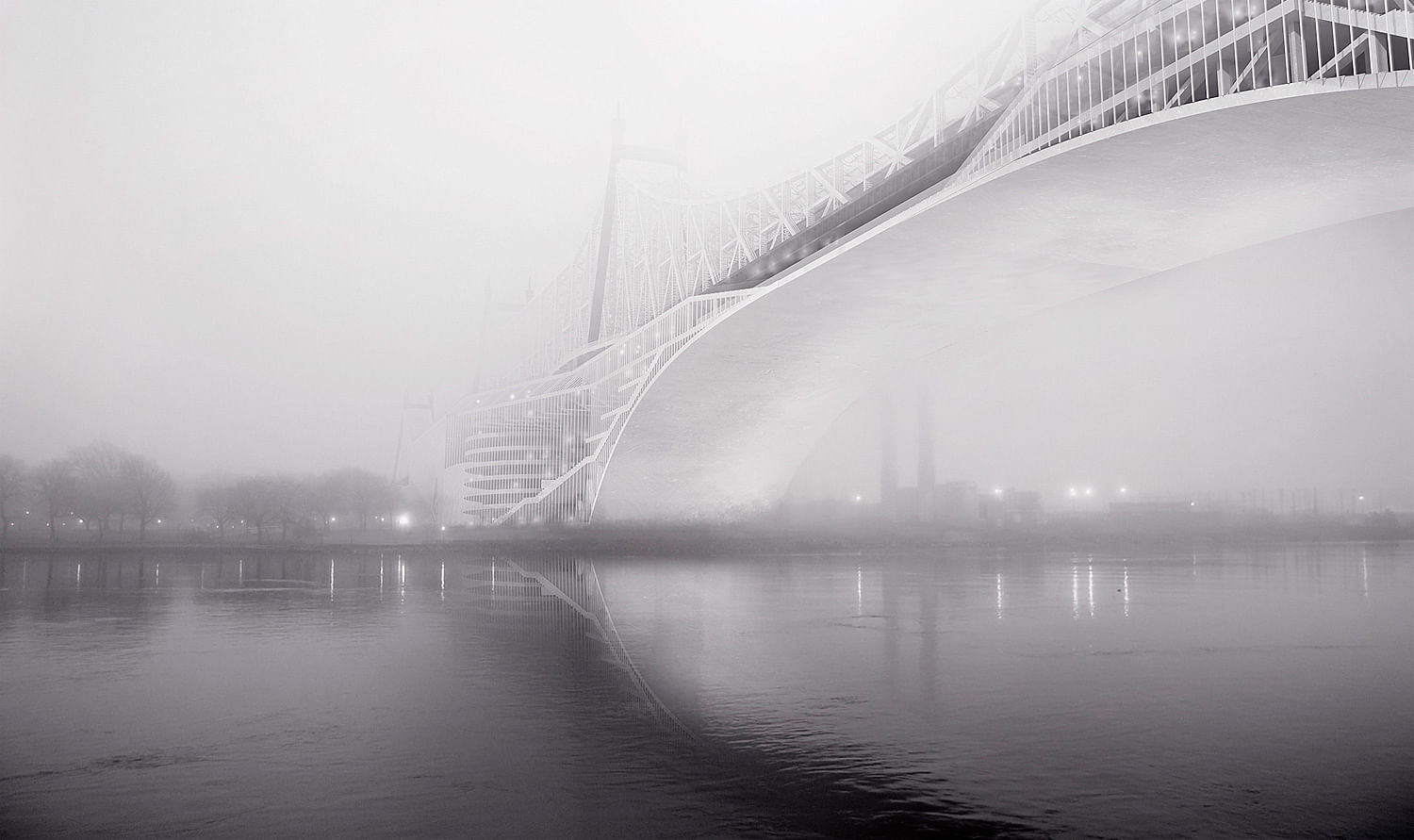
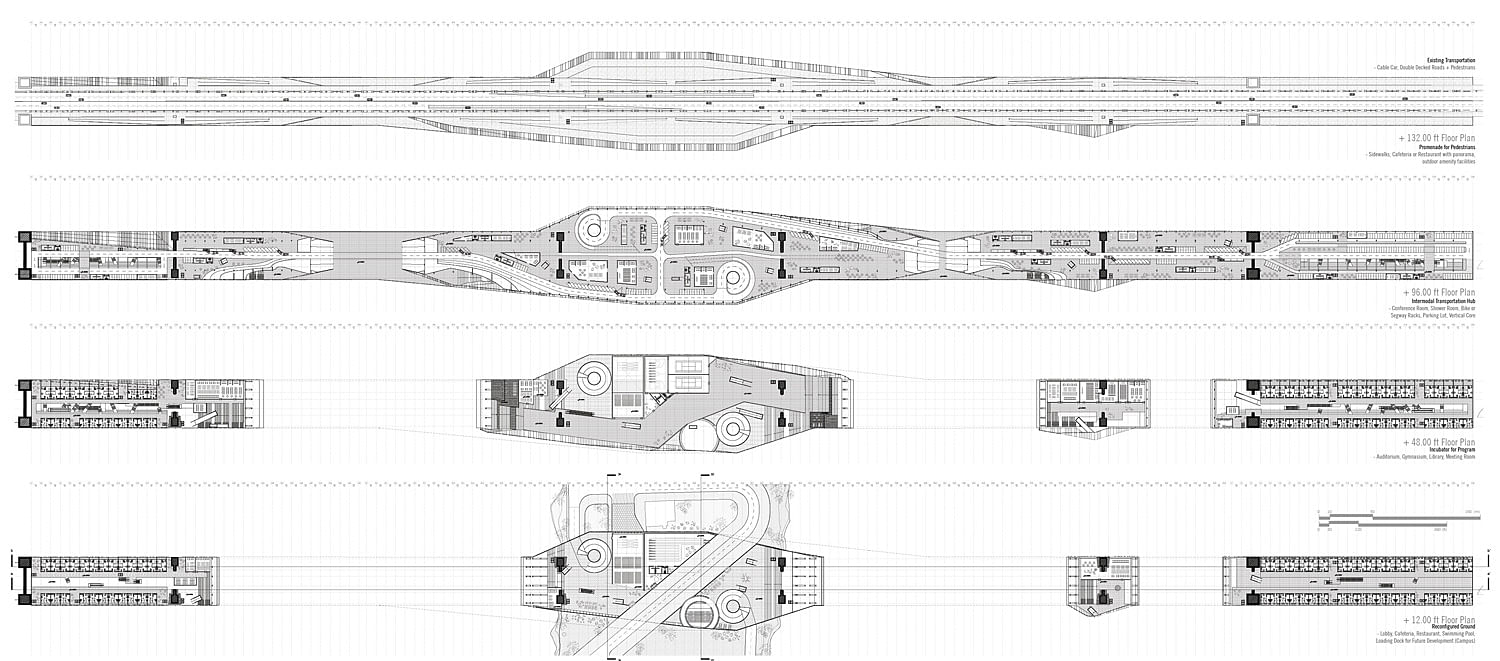
Image courtesy of Sunggi Park.

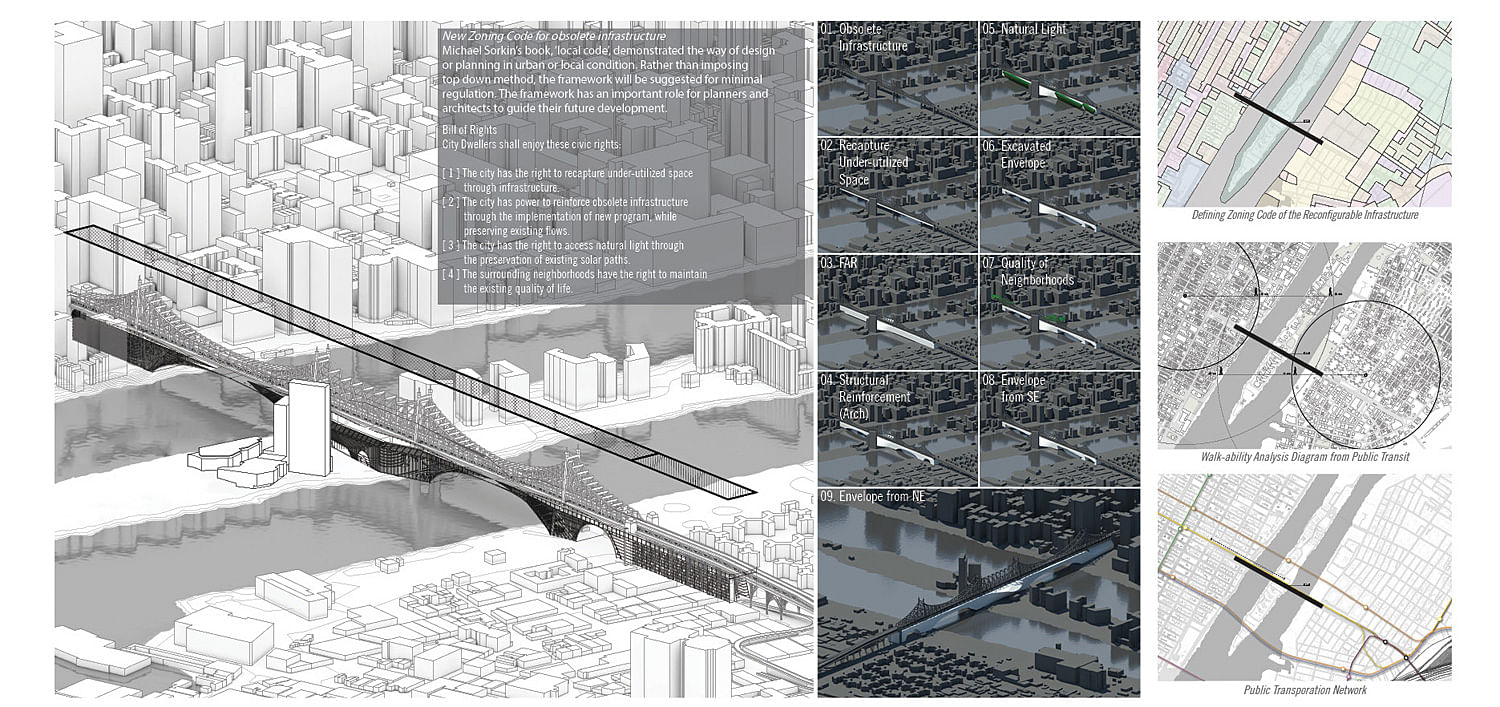
Created by New York-based architect Sunggi Park, "Re-configurable Infrastructure" is one of the Special Mention entries from the latest d3 Unbuilt Visions competition. Organized by d3, the annual competition invites architects and designers worldwide to submit the very best of their unbuilt and theoretical designs, as a means to promote the value of unbuilt work in architecture.

Sunggi Park, who now works at OMA, designed "Re-configurable Infrastructure" as part of his 2014 student thesis at Harvard GSD. He has also shared his previous work from competitions like the Mapo Oil Reserve Base and the Daegu Gosan Public Library.

Check out his UV2014 entry below.

Project description:

"Walking on Clouds - Re-configurable Infrastructure: Visions of infrastructures facing obsolescence speculated based on aged urban bridges in the States

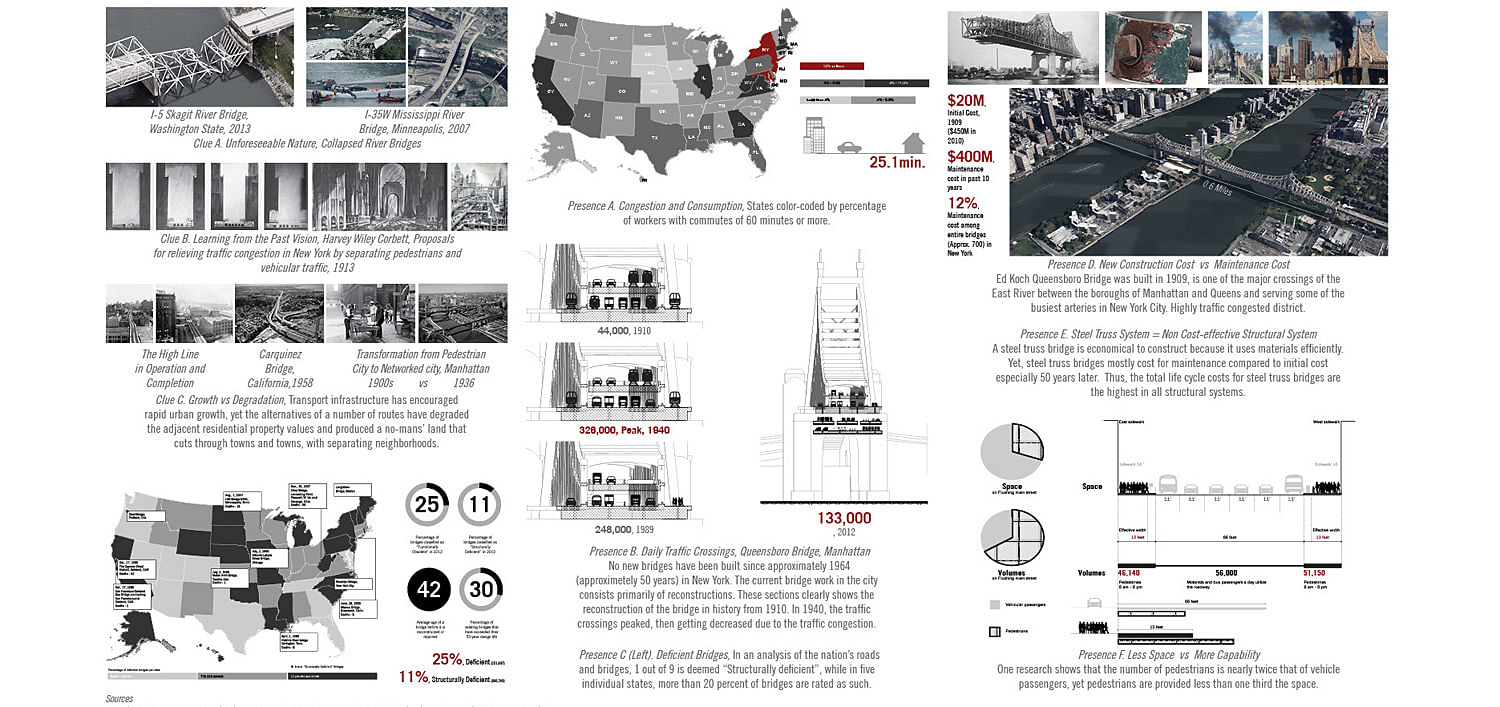
PROLOGUE: Last summer, I-5 Skagit River Bridge suddenly collapsed into the river when an over-height truck was stuck in 2013. At the same time, two vehicles with three people fell with the span. Along the same vein, in 2007, Minneapolis I-35W Bridge suddenly collapsed. These two accidents show the unforeseeable nature of infrastructure in the city in terms of reliability. In the late 19th century, the advent of automobiles, such as cars and trains radically transformed the city and the life of people. Accelerating automobiles’ speed seemed like a good idea at the time, so the road widened and highwaytified in city for expanding traffic volumes."
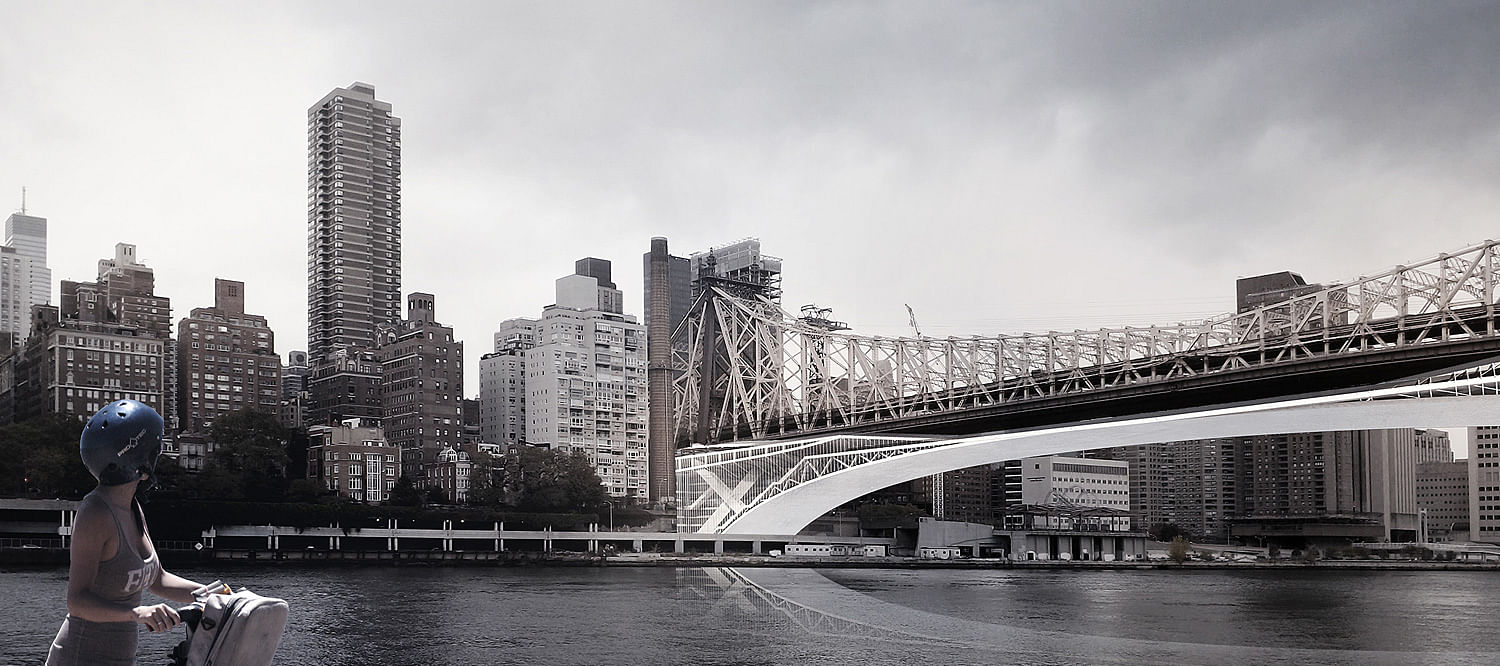
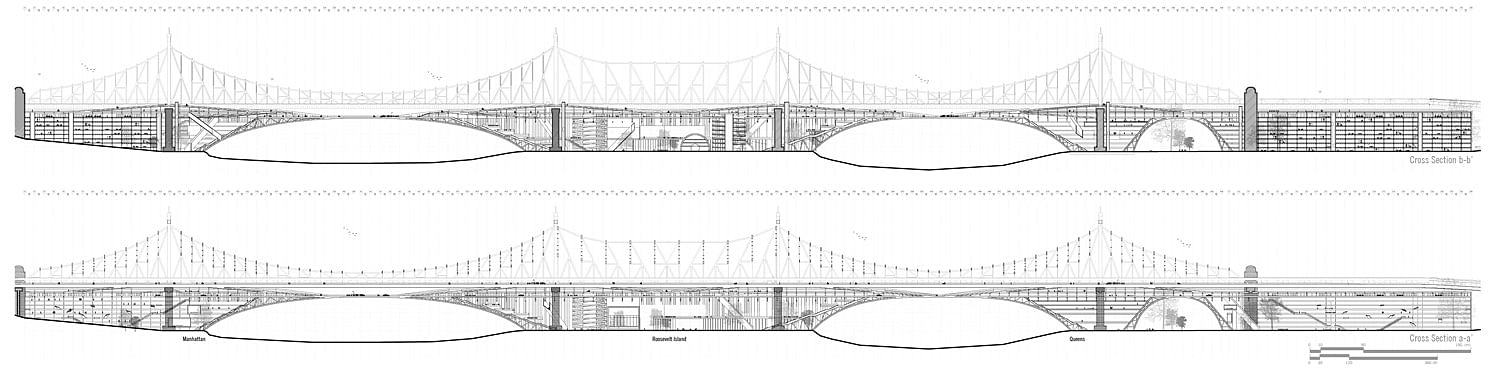
Image courtesy of Sunggi Park.

"Yet, it turned out that infrastructures such as bridges, highways and railways cause safety threat, high cost of maintenance and hazardous environmental impact. Traffic congestion, increasing road maintenance and parking costs, a lack of mobility for non-drivers are followed as a major problem in the world."
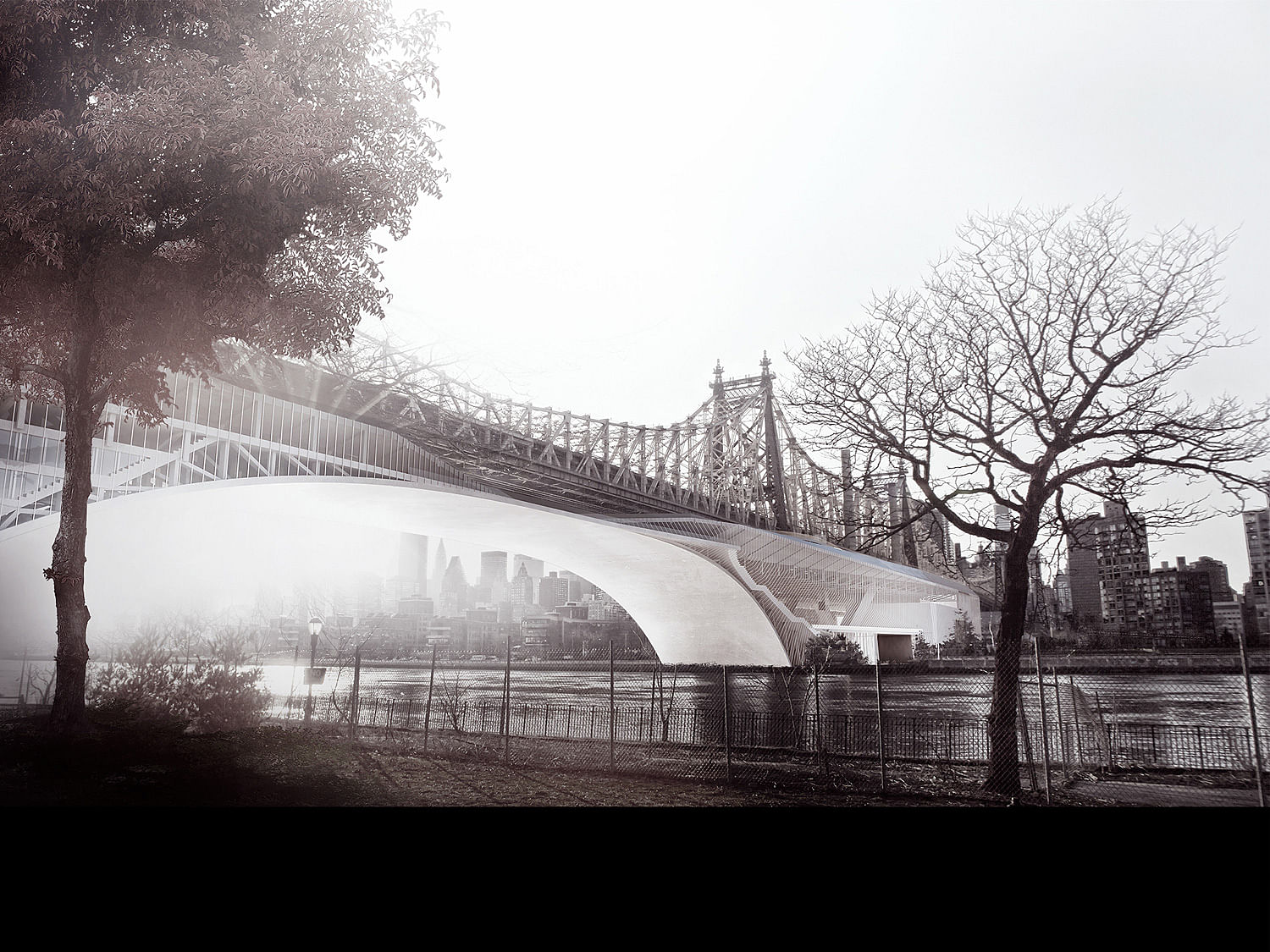
Image courtesy of Sunggi Park.

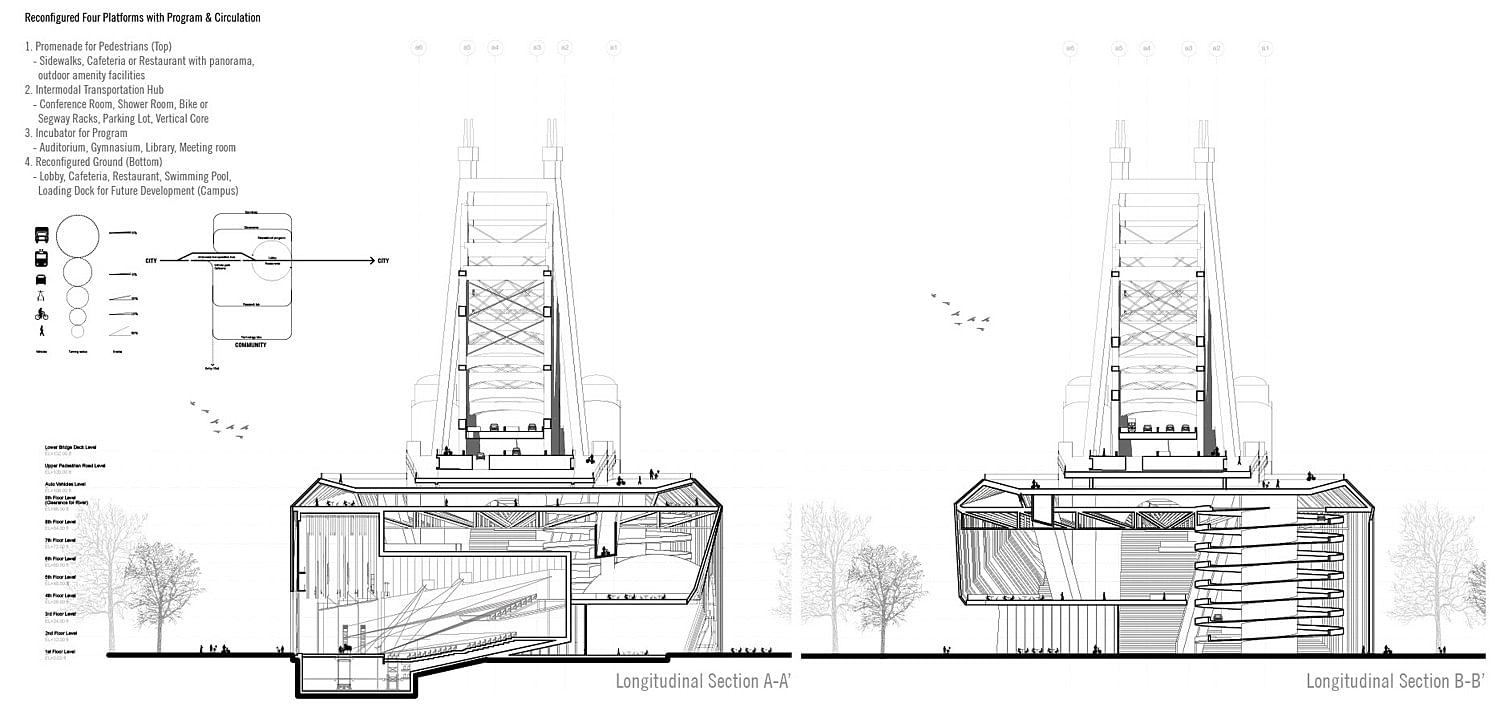
"So, the question arose, is abandonment or demolition inevitable? Many cities have saved and innovatively re-purposed obsolete, dysfunctional and sometimes historic infrastructure such as viaducts and aqueducts. We could identify the notion of obsolescence which was a static, yet it can be redefined as a dynamic organ. So the vision of this project is a finding ideas of re-configurable infrastructures to be a regenerative figure."
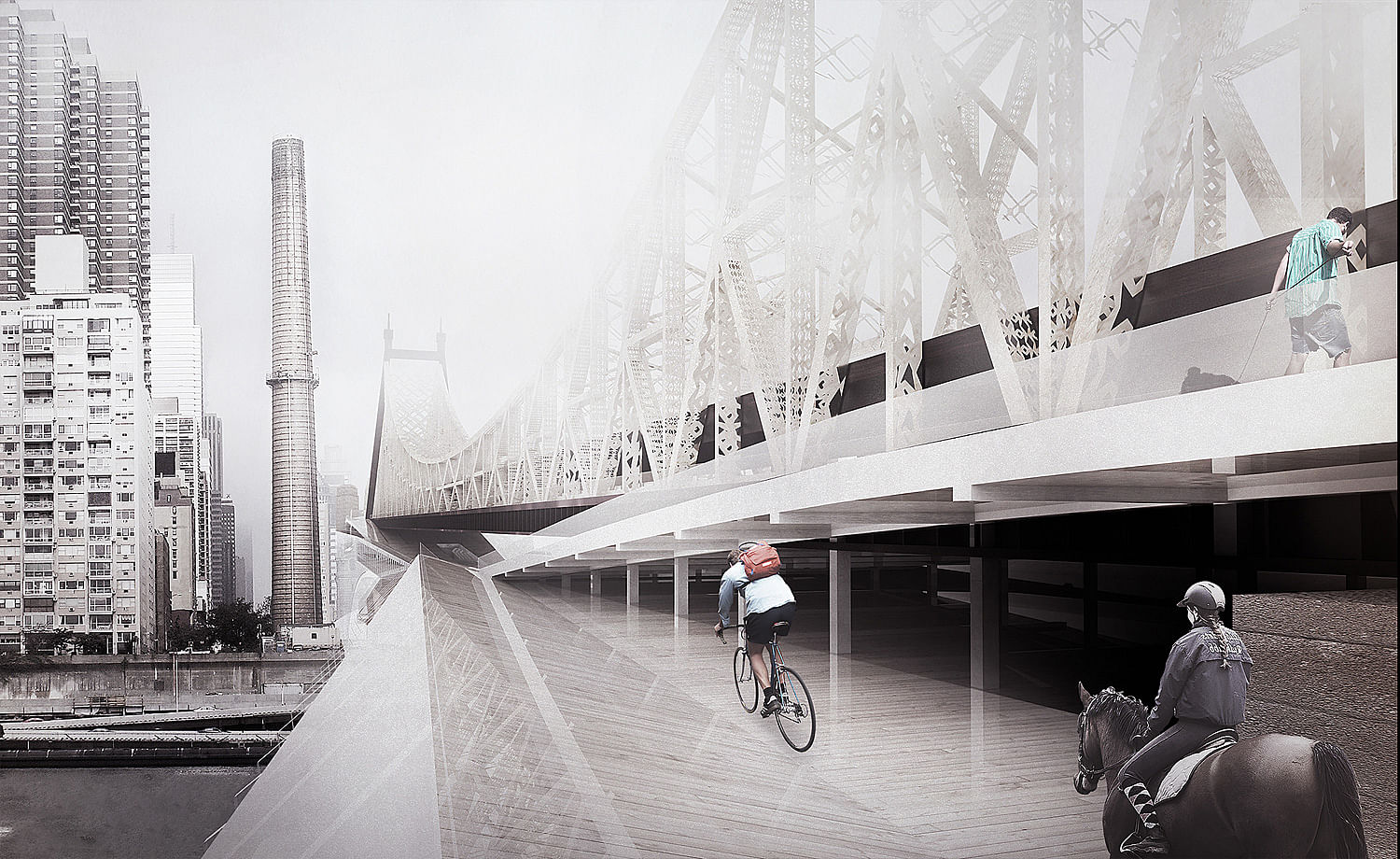
Image courtesy of Sunggi Park.

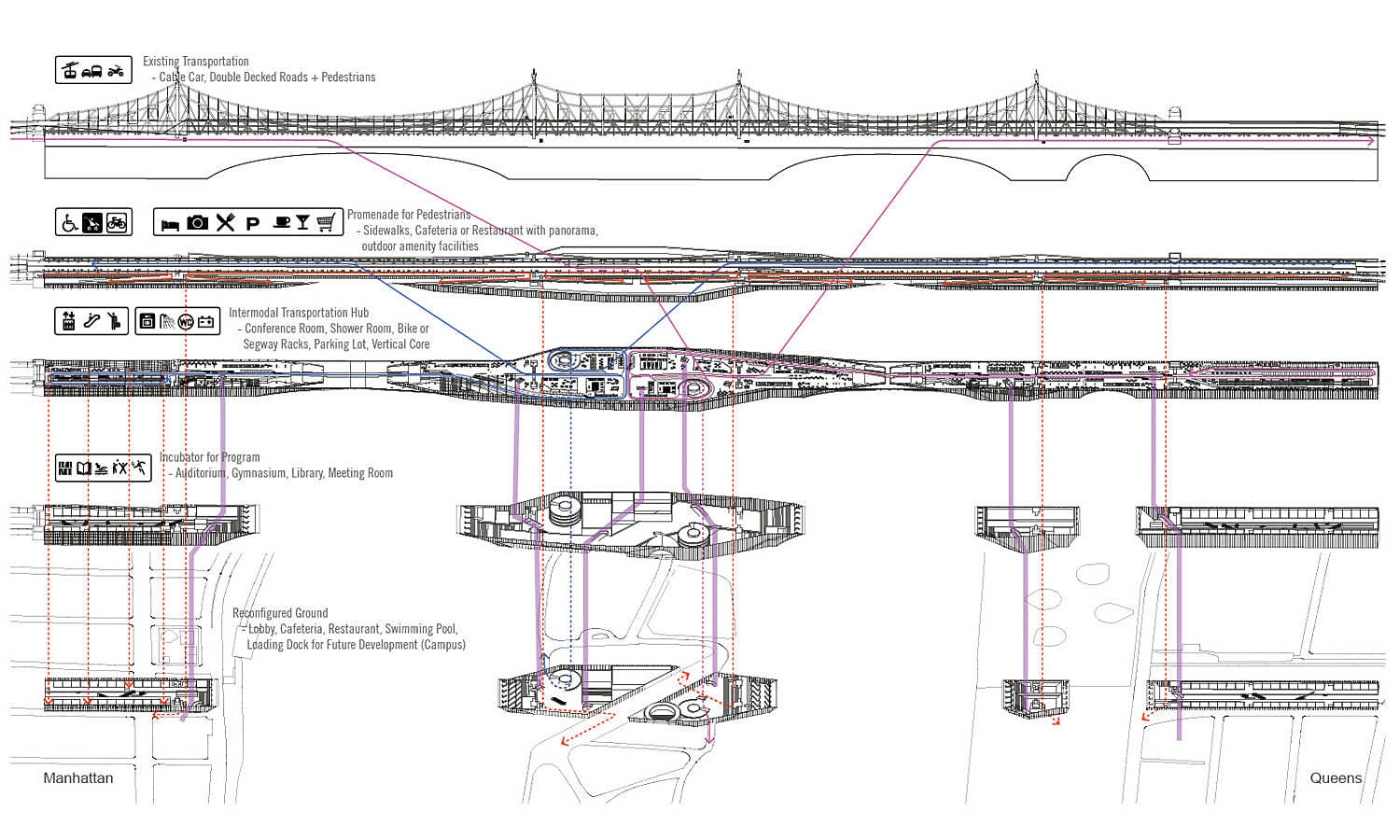
"DEVELOPMENT: Architecture continuously have evolved with demands, thus it is time to think and redefine with a different perspective for accommodating viable and resilient city. Recent shift in paradigms challenge the current approach the relationship between infrastructure and architecture, fronting new questions as to what role architects plays in developing new frameworks for reconfiguring obsolete infrastructure. The changing architecture forces societies to turn to an examination of current usage and the subsequent programs bridge provides not limited technological innovation."
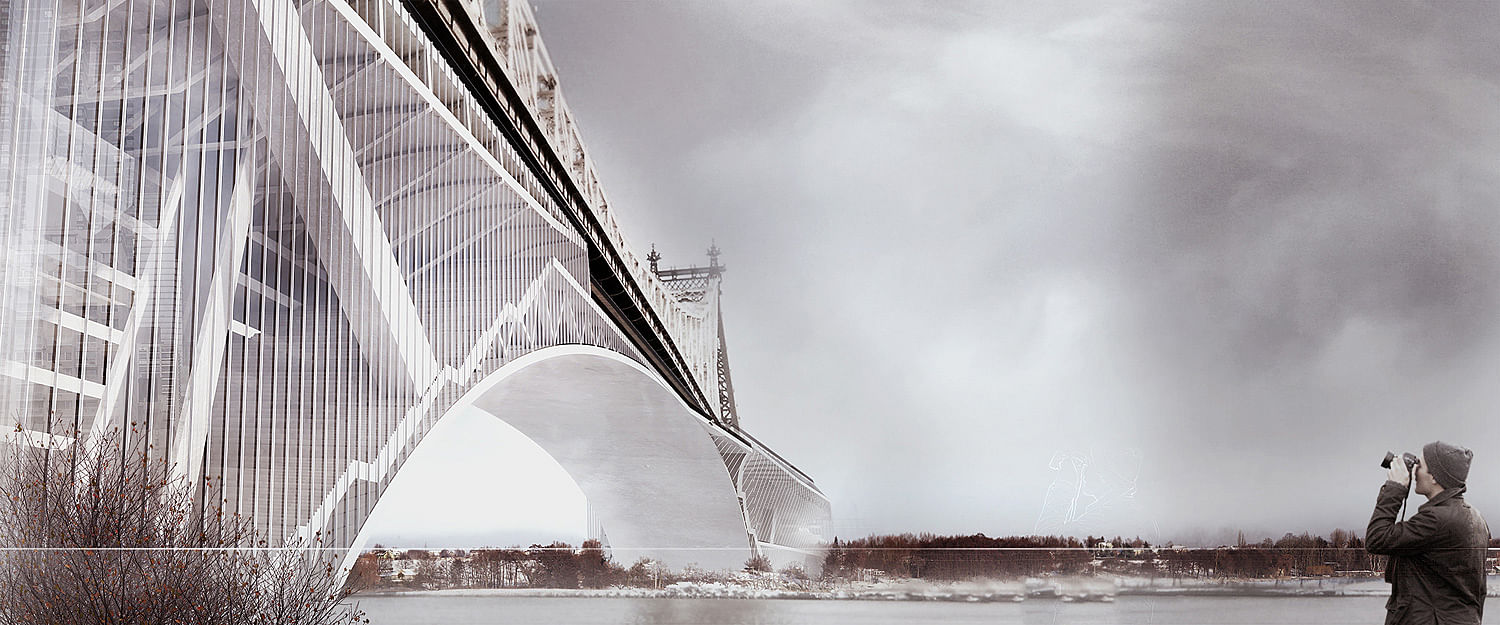
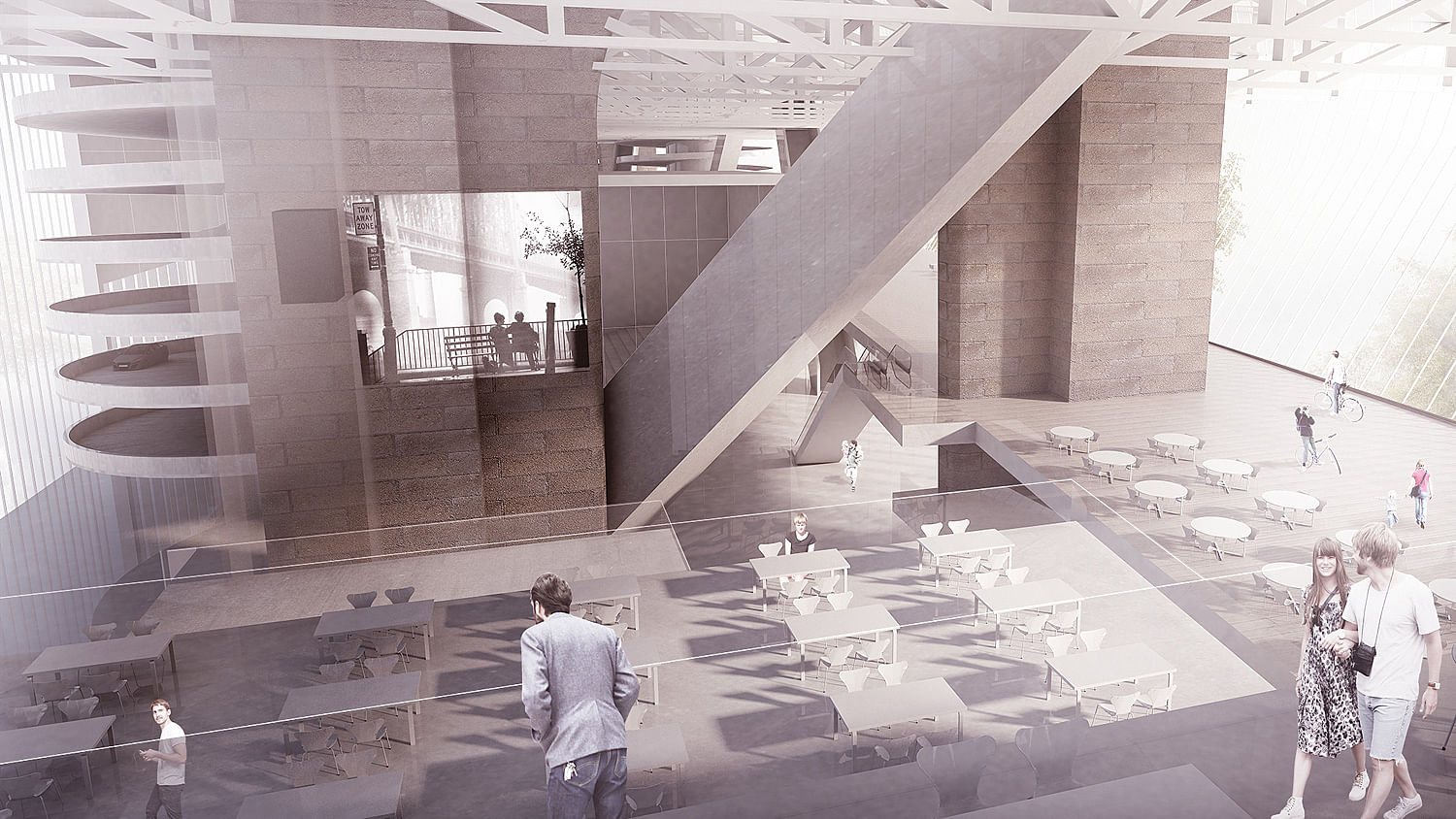
Image courtesy of Sunggi Park.

"CLIMAX: The bridge could be understood as a permanent installation for functional necessity connecting point A to point B, yet contemporary maintenance deferrals and changes in mobility have rendered many of these structures obsolete. All in all, within these contexts, it provokes, how can we utilize the obsolete infrastructure and provide resilient system, while increasing capacity of passengers and releasing congestion and energy consumption? As an architect, can we feasibly preserve and transform it to serve new purposes and catalyse new activities?'

Image courtesy of Sunggi Park.

"EPILOGUE: Obsolete infrastructures can be redefined through series of retrofits providing an autonomous system that links the cities. Enacted zoning revolutions promote a self-sufficient, walk-able infrastructure that will serve as a pedestrian friendly network."

All images courtesy of Sunggi Park.

Related

unbuilt work ● unbuilt visions ● sunggi park ● river ● mobility ● infrastructure ● honorable mention ● d3 ● bridge

Share

  • Follow

    0 Comments

  • Comment as :

A closer look at d3 Unbuilt Visions Special Mention ‘Re-configurable Infrastructure’

Eight innovative timber projects honored at 2026 Wood in Architecture Awards

Beautiful brick architecture honored at BRICK AWARD 26

Over $500,000 awarded to architectural discourse projects by Graham Foundation

Best in urban planning recognized at AIA Regional & Urban Design Award 2026

Sponsored Post by Buildner

Re:Form - New Life for Old Spaces / Edition #3 advance registration deadline is approaching!

New architecture and design competitions: IDEAS Awards, UIA-HYP CUP International Student Competition, Vancouver Tall Challenge, and Memorial to the Sixth Extinction

Best small projects chosen at AIA Small Project Award 2026

10 standout sustainable projects honored at AIA COTE Top Ten Award 2026

Sign up for Bustler's Email Newsletters

Best residential architecture of 2026 honored at AIA Housing Award

Best new interiors of 2026 chosen at AIA Interior Architecture Awards

Best global architecture honored at RIBA International Awards 2026

World’s most beautiful airports of 2026 chosen by Prix Versailles

New architecture and design competitions: Brick in Architecture Awards, Study Architecture Student Showcase, N.Y.C. Groceries, and New York High Falls Riverfront Market

SmithGroup’s ‘pioneering’ Philip Merrill Environmental Center wins AIA Twenty-five Year Award

Sponsored Post by Buildner

Museum of Emotions / Edition #8 FINAL registration deadline is in 5 DAYS!

Next page » Loading

A closer look at d3 Unbuilt Visions Special Mention ‘Re-configurable Infrastructure’

By Bustler Editors|

Thursday, Mar 5, 2015

Share

Image courtesy of Sunggi Park.

Related

unbuilt work ● unbuilt visions ● sunggi park ● river ● mobility ● infrastructure ● honorable mention ● d3 ● bridge

Created by New York-based architect Sunggi Park, "Re-configurable Infrastructure" is one of the Special Mention entries from the latest d3 Unbuilt Visions competition. Organized by d3, the annual competition invites architects and designers worldwide to submit the very best of their unbuilt and theoretical designs, as a means to promote the value of unbuilt work in architecture.

Sunggi Park, who now works at OMA, designed "Re-configurable Infrastructure" as part of his 2014 student thesis at Harvard GSD. He has also shared his previous work from competitions like the Mapo Oil Reserve Base and the Daegu Gosan Public Library.

Check out his UV2014 entry below.

Project description:

"Walking on Clouds - Re-configurable Infrastructure: Visions of infrastructures facing obsolescence speculated based on aged urban bridges in the States

PROLOGUE: Last summer, I-5 Skagit River Bridge suddenly collapsed into the river when an over-height truck was stuck in 2013. At the same time, two vehicles with three people fell with the span. Along the same vein, in 2007, Minneapolis I-35W Bridge suddenly collapsed. These two accidents show the unforeseeable nature of infrastructure in the city in terms of reliability. In the late 19th century, the advent of automobiles, such as cars and trains radically transformed the city and the life of people. Accelerating automobiles’ speed seemed like a good idea at the time, so the road widened and highwaytified in city for expanding traffic volumes."

Image courtesy of Sunggi Park.

"Yet, it turned out that infrastructures such as bridges, highways and railways cause safety threat, high cost of maintenance and hazardous environmental impact. Traffic congestion, increasing road maintenance and parking costs, a lack of mobility for non-drivers are followed as a major problem in the world."

Image courtesy of Sunggi Park.

"So, the question arose, is abandonment or demolition inevitable? Many cities have saved and innovatively re-purposed obsolete, dysfunctional and sometimes historic infrastructure such as viaducts and aqueducts. We could identify the notion of obsolescence which was a static, yet it can be redefined as a dynamic organ. So the vision of this project is a finding ideas of re-configurable infrastructures to be a regenerative figure."

Image courtesy of Sunggi Park.

"DEVELOPMENT: Architecture continuously have evolved with demands, thus it is time to think and redefine with a different perspective for accommodating viable and resilient city. Recent shift in paradigms challenge the current approach the relationship between infrastructure and architecture, fronting new questions as to what role architects plays in developing new frameworks for reconfiguring obsolete infrastructure. The changing architecture forces societies to turn to an examination of current usage and the subsequent programs bridge provides not limited technological innovation."
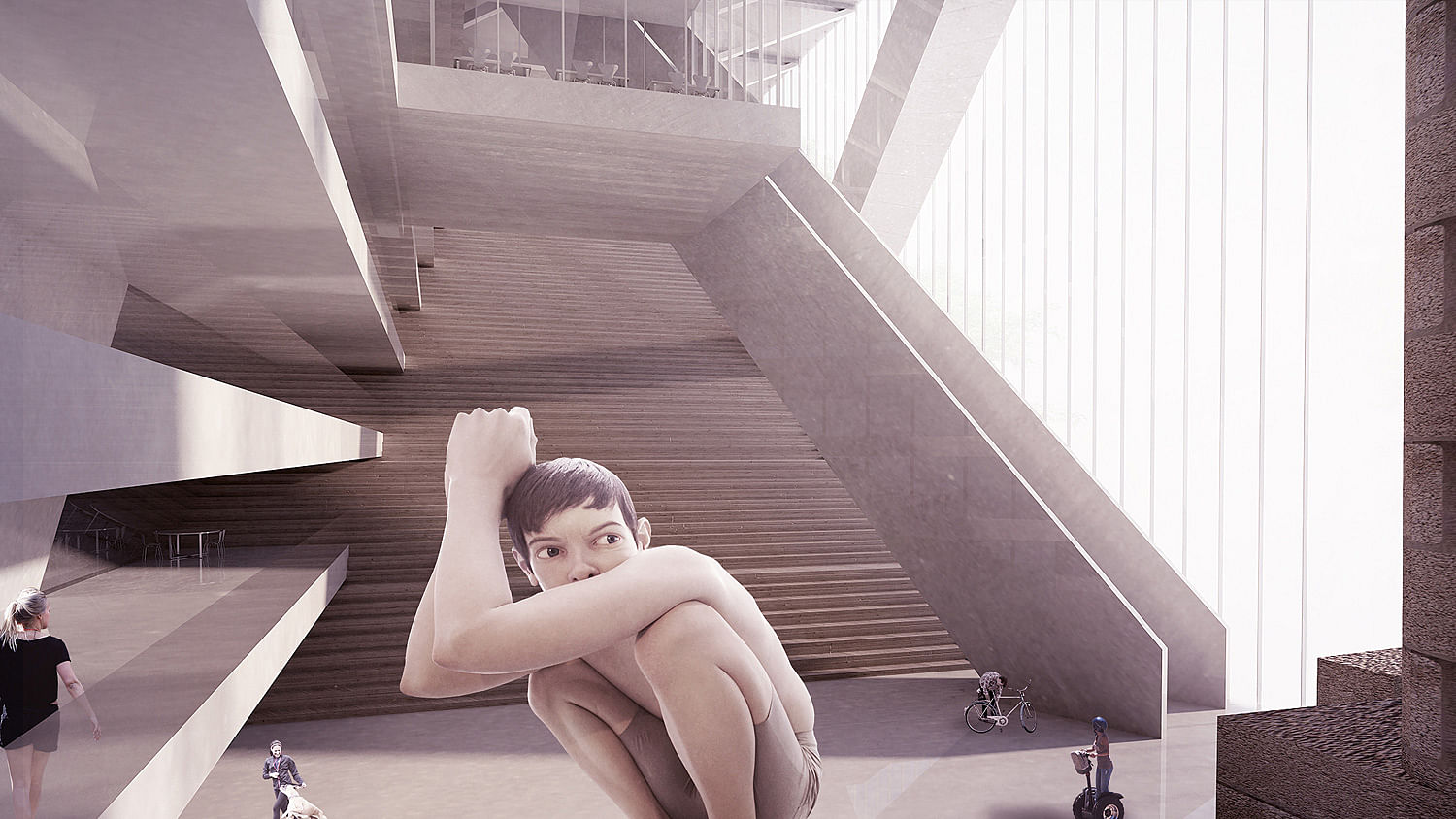
Image courtesy of Sunggi Park.

"CLIMAX: The bridge could be understood as a permanent installation for functional necessity connecting point A to point B, yet contemporary maintenance deferrals and changes in mobility have rendered many of these structures obsolete. All in all, within these contexts, it provokes, how can we utilize the obsolete infrastructure and provide resilient system, while increasing capacity of passengers and releasing congestion and energy consumption? As an architect, can we feasibly preserve and transform it to serve new purposes and catalyse new activities?'
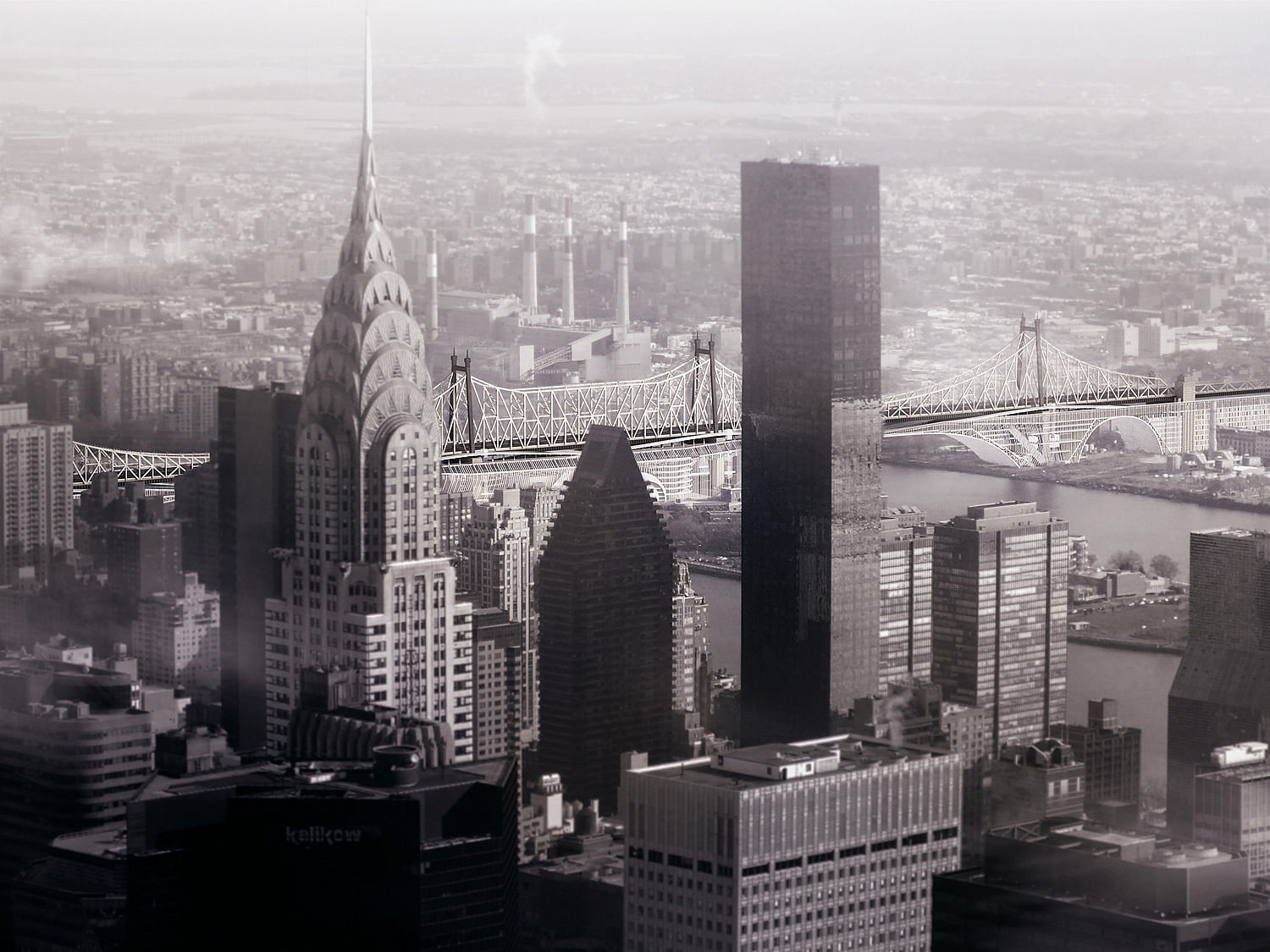
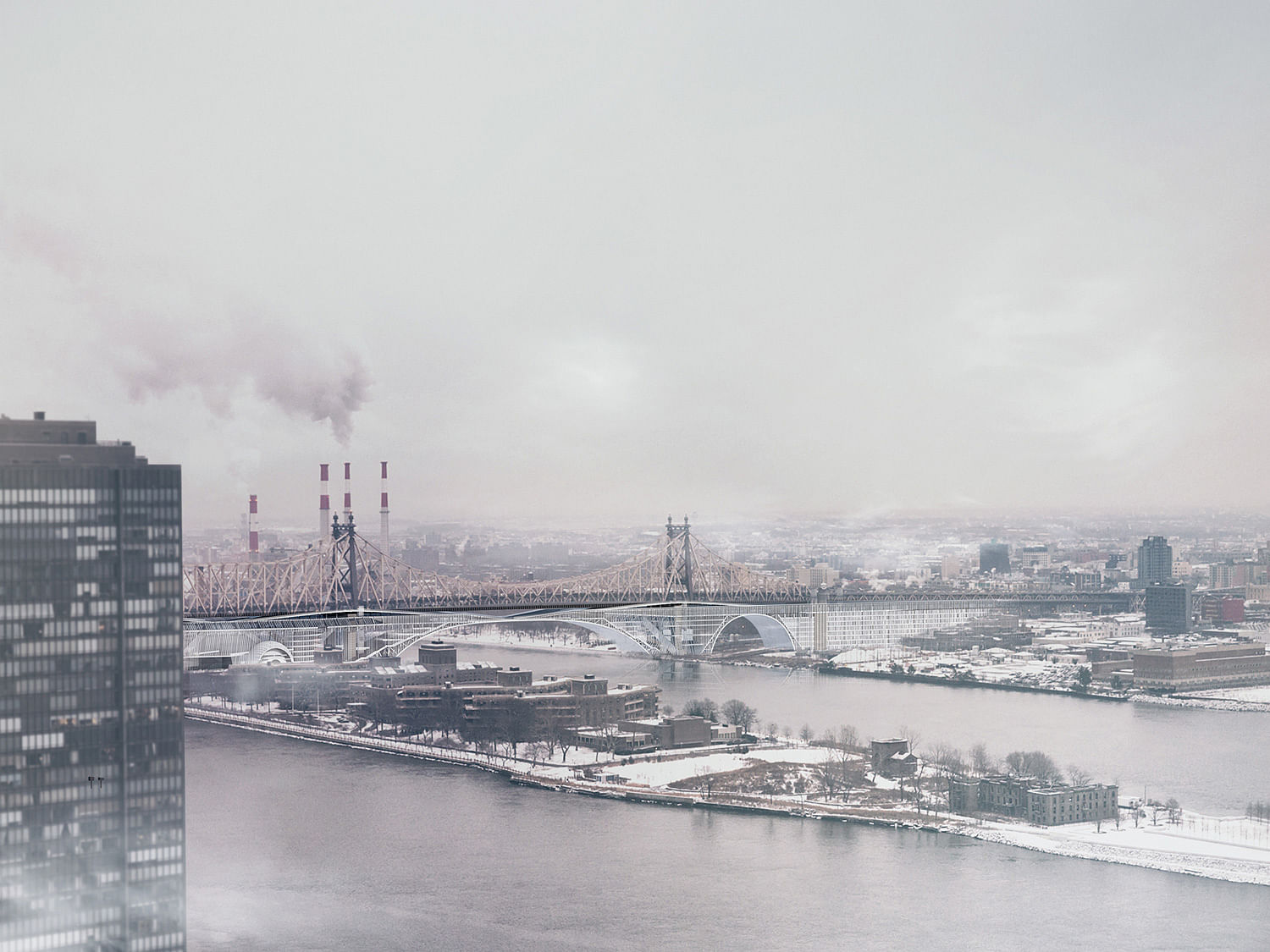
Image courtesy of Sunggi Park.

"EPILOGUE: Obsolete infrastructures can be redefined through series of retrofits providing an autonomous system that links the cities. Enacted zoning revolutions promote a self-sufficient, walk-able infrastructure that will serve as a pedestrian friendly network."

All images courtesy of Sunggi Park.
Share

  • Follow

    0 Comments

  • Comment as :

Archinect JobsArchinect Jobs

The Archinect Job Board attracts the world's top architectural design talents.

VIEW ALL JOBS POST A JOB

Senior Designer / Project Manager

Robert Young Architects

Senior Designer / Project Manager

New York, NY, US

Intermediate Architectural Designer, Ground-Up - New York Office

Fogarty Finger

Intermediate Architectural Designer, Ground-Up - New York Office

New York, NY, US

Architectural Design Manager for Architectural Lighting Design Firm

Castelli-Design

Architectural Design Manager for Architectural Lighting Design Firm

New York, NY, US

Executive Assistant & Office Manager To Principal

Danny Forster & Architecture

Executive Assistant & Office Manager To Principal

New York, NY, US

Senior Architectural Planner

Payette

Senior Architectural Planner

Boston, MA, US

Junior/Intermediate Architect

Archimaera Architecture

Junior/Intermediate Architect

New York, NY, US

Project Manager

The Brooklyn Studio

Project Manager

Brooklyn, NY, US

Lead Design Architect

The American Housing Corporation

Lead Design Architect

Austin, TX, US

Intermediate Architect - Retail (AutoCAD-based)

O'Neil Langan Architects

Intermediate Architect - Retail (AutoCAD-based)

New York, NY, US

Senior Designer / Architect

NardiHaus

Senior Designer / Architect

Pasadena, CA, US

Next page » Loading