• Login / Join
  • About
  • •
  • Contact
  • •
  • Advertising
bustler logo
bustler logo
  • News
  • Competitions
  • Events
  • Bustler is powered by Archinect
  • Sign up for Bustler's Email Newsletters

  • Follow these Bustler feeds:

  • Search

    Search in

  • Submit

    What are you submitting?

    News Pitch
    Competition
    Event
  • Login / Join
  • News|Competitions|Events
  • Search
    | Submit
    | Follow
  • Search in

    What are you submitting?

    News Pitch
    Competition
    Event

    Follow these Bustler feeds:

  • About|Contact|Advertising
  • Login / Join

Winners of Greener Gadgets 2009 Announced

By Bustler Editors|

Monday, Mar 2, 2009

At the close of last Friday’s Greener Gadgets Conference in New York City, the jury announced the winners of the Live Greener Gadgets Design Competition. After narrowing the wide field of submissions down to 13 finalists, the judges awarded following three designs as the winners:

1st Place Winner: Tweet-a-Watt, A twittering power meter
Designed by Limor Fried, Adafruit Industries & Phillip Torrone, MAKE magazine (Limor and Phillip have chosen to donate their prize to Engineers Without Borders.)
image

image

image

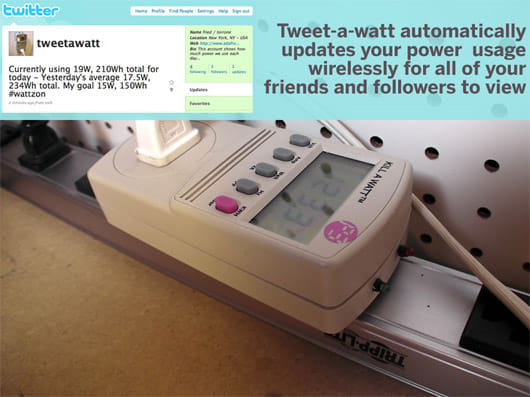
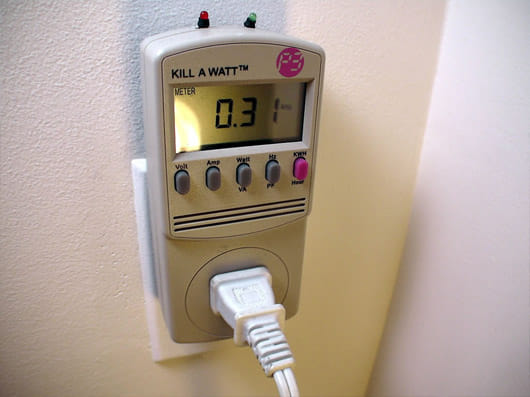
Description Tweet-a-Watt: Using “off-the-shelf hardware”, we have modified a Kill-a-Watt(TM) power meter to “tweet” (publish wirelessly) the daily KWH consumed to the user’s Twitter account (Cumulative Killowatt-hours). We are releasing this project as an “Open source hardware” project - in other words, anyone can make these, modify them and make a commercial product from the ideas and methods.

Here’s how it works: The modified Kill-a-Watt uses a “super-cap” to slowly recharge itself. Once there is enough power it turns on the Xbee wireless module which transmits the data to a nearby computer (or internet connected microcontroller, like an Arduino). Once the power usage for the day is recorded it uses a predefined Twitter account (it can be your own) to publish your daily KWH consumption for the day. Multiple units can be used for an entire household.

We’re publishing the source, schematics and the idea for others to run with. Energy change and consumption can happen many ways; we feel there is a social imperative and joy in publishing one’s own daily KWH. By sharing these numbers on a service like Twitter users can compete for the lowest numbers and also see how they’re doing compared to their friends and followers.

*Note: We are in testing now, we’ll run it at Green Gadgets if requested (http://twitter.com/tweetawatt)

2nd Place Winner: Power-Hog
Designed by Mathieu Zastawny, Mansour Ourasanah, Tom Dooley, Peter Byar, Elysa Soffer, Mathieu Turpault

image

image

image

Description Power-Hog: Power-Hog is a power consumption metering piggy bank designed to sensitize kids to energy cost associated with running electronics devices. Plug the tail into the outlet and the device into the snout; feed a coin to meter 30 minutes of use.

It’s designed to capture the interest of parents and kids alike and serve the wider environmental cause. Power-Hog visually and symbolically associates power conservation with savings by using the iconic piggy bank as a visual reference. Kids can use their allowance to turn on the TV or video game by feeding the Power-Hog with loose change. The Power-Hog meters consumption and blinks red when time is running out. It also helps parents meter the amount of time spent watching the tube.

The Power-Hog is made out of Xenoy iQ1103-U grade resin from Sabic. Their upcycling process using recycled PET allows good performance at a cost similar to less friendly materials. It is 100% recyclable and its packaging has been developed following the sustainable coalition packaging guidelines.

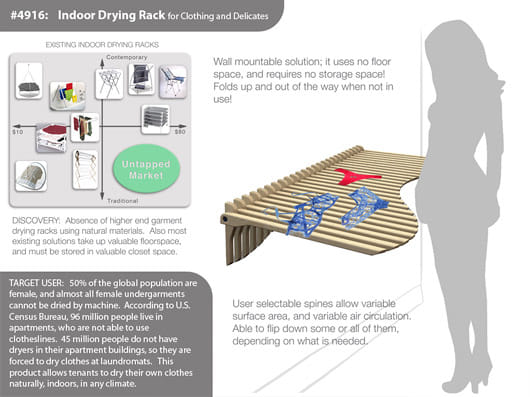
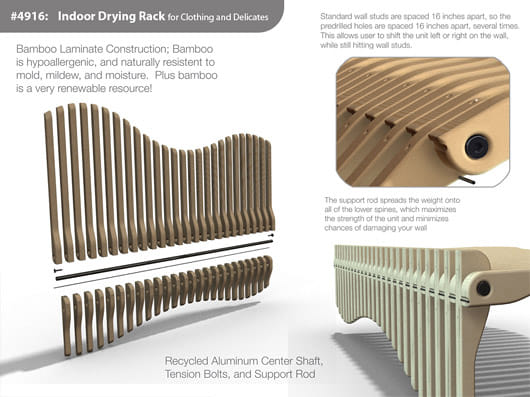
3rd Place Winner: Indoor Drying Rack
Design by Rob Podell

image

image

image

Description Indoor Drying Rack: This is a sustainable, indoor drying rack for clothing. 96 million people in the United States live in apartments, most without access to a clothesline. 45 million of them do not have dryers in their apartment buildings. The typical clothes dryer is the 2nd largest energy consuming appliance in the home, costing an average of $85 a year to operate. Clotheslines are great, but many suburbs do not allow them, and they are only useful in warmer climates. Also, most females cannot dry their undergarments in a dryer, nor do they want to hang them outside for everyone to see.

Constructed of bamboo laminate and recycled aluminum, it can be recycled easily, and is constructed from sustainable materials. Bamboo is also naturally hypoallergenic and resists mold and mildew. Predrilled holes allow the user tweak the mounting location side to side while still hitting studs, and it ships flat for maximum energy savings. This indoor drying rack gives millions of people the choice to conserve energy while drying their clothes naturally and privately in their home. When not in use it folds out of the way and adds a modern touch to any interior.

Among the 13 finalist projects were also:

image

Social-environmental Station (Environmental traffic light) by Hernando Barragan (Colombia)

image

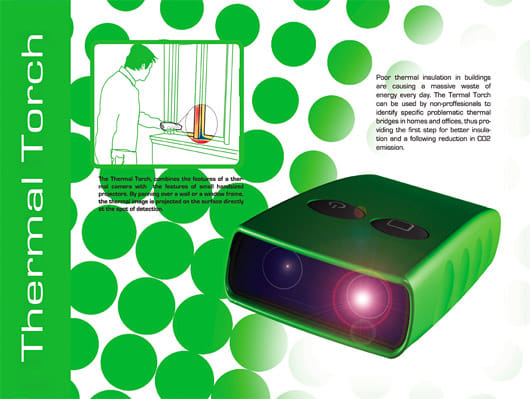
Thermal Torch by gunnar Kramp (Denmark)

image

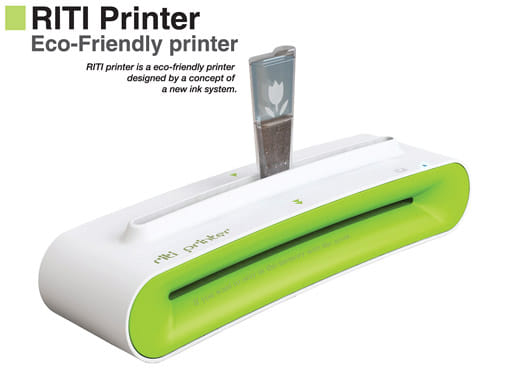
RITI Printer by Jeon Hwan Ju (Korea)

image

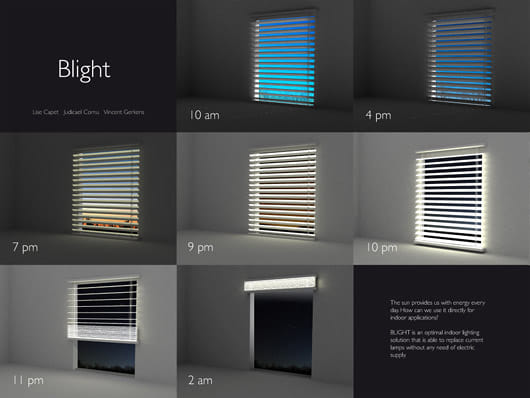
Blight by Vincent Gerkens (Belgium)

image

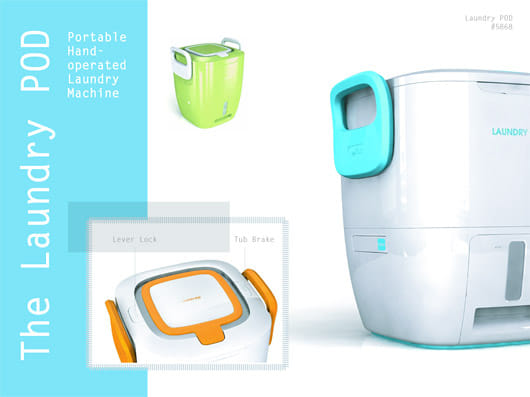
Laundry POD by RKS Design Team (United States)

See all submitted designs on Core77’s Greener Gadgets Design Competition gallery.

Images: Greener Gadgets Design Competition/Core77

Related

technology ● sustainable ● sustainability ● invention ● green ● gadget ● energy ● core77 ● conference

Share

  • Follow

    0 Comments

  • Comment as :

Winners of Greener Gadgets 2009 Announced

New architecture and design competitions: Brick in Architecture Awards, Study Architecture Student Showcase, N.Y.C. Groceries, and New York High Falls Riverfront Market

SmithGroup’s ‘pioneering’ Philip Merrill Environmental Center wins AIA Twenty-five Year Award

Sponsored Post by Buildner

Museum of Emotions / Edition #8 FINAL registration deadline is in 5 DAYS!

Here are the winners of the 2026 AIA Architecture Awards

40 emerging architects and designers under 40 from Europe honored

Northwestern University selects 12-firm longlist to design new engineering building

New architecture and design competitions: Exploring 130 Years of American Design, Christo & Jeanne-Claude Center, 13 White Houses, and La Pyramide

Micro-architecture honored in latest Tiny House Architecture Competition

Sign up for Bustler's Email Newsletters

World’s most beautiful restaurants of 2026 chosen by Prix Versailles

Sponsored Post by Buildner

Design a wine tasting room in Italy! Valli Wine Tasting Room is launched!

10 can't-miss architecture & design events to see this June in London, Los Angeles, Chicago, San Francisco, Detroit, San Diego, Porto, and Barcelona

Sponsored Post by Buildner

Museum of Emotions / Edition #8 FINAL registration deadline is approaching!

Seven global projects make AR Public Awards shortlist 2026

Sponsored Post by Buildner

Design a slow-living restaurant in Portugal! Portugal Long Table Restaurant is launched!

World's best tall buildings honored at the CVU 2026 Award of Excellence

Next page » Loading

Winners of Greener Gadgets 2009 Announced

By Bustler Editors|

Monday, Mar 2, 2009

Share

Related

technology ● sustainable ● sustainability ● invention ● green ● gadget ● energy ● core77 ● conference

At the close of last Friday’s Greener Gadgets Conference in New York City, the jury announced the winners of the Live Greener Gadgets Design Competition. After narrowing the wide field of submissions down to 13 finalists, the judges awarded following three designs as the winners:

1st Place Winner: Tweet-a-Watt, A twittering power meter
Designed by Limor Fried, Adafruit Industries & Phillip Torrone, MAKE magazine (Limor and Phillip have chosen to donate their prize to Engineers Without Borders.)
image

image

image

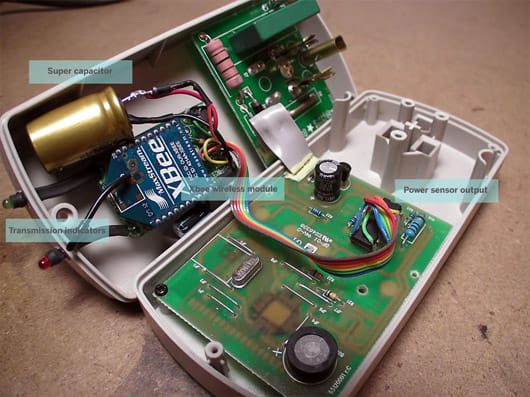
Description Tweet-a-Watt: Using “off-the-shelf hardware”, we have modified a Kill-a-Watt(TM) power meter to “tweet” (publish wirelessly) the daily KWH consumed to the user’s Twitter account (Cumulative Killowatt-hours). We are releasing this project as an “Open source hardware” project - in other words, anyone can make these, modify them and make a commercial product from the ideas and methods.

Here’s how it works: The modified Kill-a-Watt uses a “super-cap” to slowly recharge itself. Once there is enough power it turns on the Xbee wireless module which transmits the data to a nearby computer (or internet connected microcontroller, like an Arduino). Once the power usage for the day is recorded it uses a predefined Twitter account (it can be your own) to publish your daily KWH consumption for the day. Multiple units can be used for an entire household.

We’re publishing the source, schematics and the idea for others to run with. Energy change and consumption can happen many ways; we feel there is a social imperative and joy in publishing one’s own daily KWH. By sharing these numbers on a service like Twitter users can compete for the lowest numbers and also see how they’re doing compared to their friends and followers.

*Note: We are in testing now, we’ll run it at Green Gadgets if requested (http://twitter.com/tweetawatt)

2nd Place Winner: Power-Hog
Designed by Mathieu Zastawny, Mansour Ourasanah, Tom Dooley, Peter Byar, Elysa Soffer, Mathieu Turpault
image

image

image

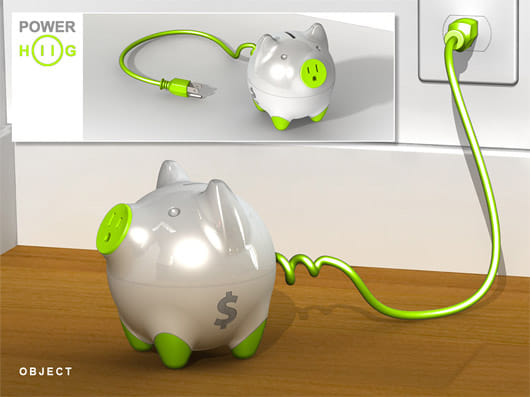
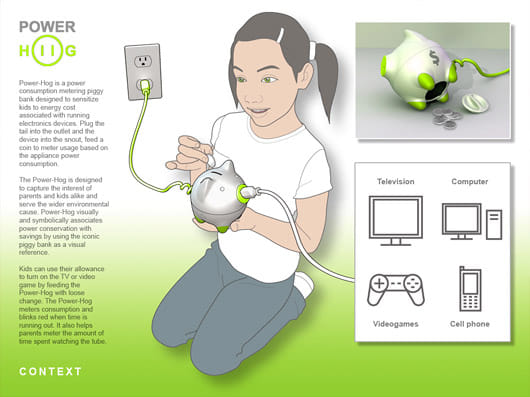
Description Power-Hog: Power-Hog is a power consumption metering piggy bank designed to sensitize kids to energy cost associated with running electronics devices. Plug the tail into the outlet and the device into the snout; feed a coin to meter 30 minutes of use.

It’s designed to capture the interest of parents and kids alike and serve the wider environmental cause. Power-Hog visually and symbolically associates power conservation with savings by using the iconic piggy bank as a visual reference. Kids can use their allowance to turn on the TV or video game by feeding the Power-Hog with loose change. The Power-Hog meters consumption and blinks red when time is running out. It also helps parents meter the amount of time spent watching the tube.

The Power-Hog is made out of Xenoy iQ1103-U grade resin from Sabic. Their upcycling process using recycled PET allows good performance at a cost similar to less friendly materials. It is 100% recyclable and its packaging has been developed following the sustainable coalition packaging guidelines.

3rd Place Winner: Indoor Drying Rack
Design by Rob Podell
image

image

image

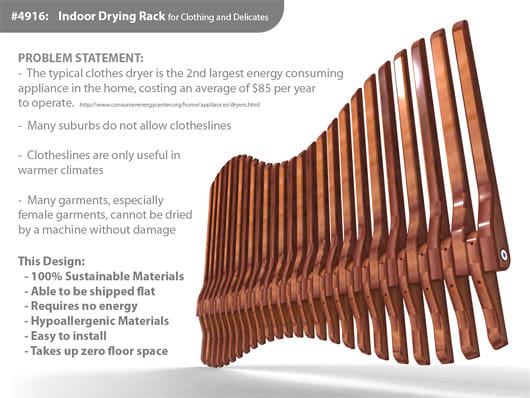
Description Indoor Drying Rack: This is a sustainable, indoor drying rack for clothing. 96 million people in the United States live in apartments, most without access to a clothesline. 45 million of them do not have dryers in their apartment buildings. The typical clothes dryer is the 2nd largest energy consuming appliance in the home, costing an average of $85 a year to operate. Clotheslines are great, but many suburbs do not allow them, and they are only useful in warmer climates. Also, most females cannot dry their undergarments in a dryer, nor do they want to hang them outside for everyone to see.

Constructed of bamboo laminate and recycled aluminum, it can be recycled easily, and is constructed from sustainable materials. Bamboo is also naturally hypoallergenic and resists mold and mildew. Predrilled holes allow the user tweak the mounting location side to side while still hitting studs, and it ships flat for maximum energy savings. This indoor drying rack gives millions of people the choice to conserve energy while drying their clothes naturally and privately in their home. When not in use it folds out of the way and adds a modern touch to any interior.

Among the 13 finalist projects were also:

image

Social-environmental Station (Environmental traffic light) by Hernando Barragan (Colombia)

image

Thermal Torch by gunnar Kramp (Denmark)

image

RITI Printer by Jeon Hwan Ju (Korea)

image

Blight by Vincent Gerkens (Belgium)

image

Laundry POD by RKS Design Team (United States)

See all submitted designs on Core77’s Greener Gadgets Design Competition gallery.

Images: Greener Gadgets Design Competition/Core77

Share

  • Follow

    0 Comments

  • Comment as :

Archinect JobsArchinect Jobs

The Archinect Job Board attracts the world's top architectural design talents.

VIEW ALL JOBS POST A JOB

Architectural Designer Level 2

Arthur Chabon Architect

Architectural Designer Level 2

New York, NY, US

Senior Designer / Architect

NardiHaus

Senior Designer / Architect

Pasadena, CA, US

Architect / Project Manager

Curtis + Ginsberg Architects LLP

Architect / Project Manager

New York, NY, US

Architectural Designer, Residential

Roman and Williams Buildings and Interiors

Architectural Designer, Residential

New York, NY, US

Architectural team Memeber

Meraki Architects, LLC

Architectural team Memeber

Middleburg Heights, OH, US

Junior to Intermediate Architect

Totum

Junior to Intermediate Architect

Sherman Oaks, CA, US

Intermediate Residential Architect

52XConsulting

Intermediate Residential Architect

New York, NY, US

Architectural Project Manager - Multifamily

DAHLIN Architecture | Planning | Interiors

Architectural Project Manager - Multifamily

San Diego, CA, US

Professor/Associate Professor/Assistant Professor of Architecture

Harvard University

Professor/Associate Professor/Assistant Professor of Architecture

Cambridge, MA, US

Project Architect

BuildingWork

Project Architect

Seattle, WA, US

Next page » Loading