• Login / Join
  • About
  • •
  • Contact
  • •
  • Advertising
bustler logo
bustler logo
  • News
  • Competitions
  • Events
  • Bustler is powered by Archinect
  • Sign up for Bustler's Email Newsletters

  • Follow these Bustler feeds:

  • Search

    Search in

  • Submit

    What are you submitting?

    News Pitch
    Competition
    Event
  • Login / Join
  • News|Competitions|Events
  • Search
    | Submit
    | Follow
  • Search in

    What are you submitting?

    News Pitch
    Competition
    Event

    Follow these Bustler feeds:

  • About|Contact|Advertising
  • Login / Join

2013 RIBA Stirling Prize Shortlist

By Bustler Editors|

Thursday, Jul 18, 2013

Park Hill Phase 1, Sheffield by Hawkins\Brown with Studio Egret West; Photo: Daniel Hopkinson

The Royal Institute of British Architects today announced the UK & Ireland's six top projects shortlisted for the 2013 RIBA Stirling Prize. The selected buildings will now go head to head for the prestigious prize, and the winner will be announced on the evening of Thursday, September 26th in London at Central Saint Martins, King’s Cross, designed by last year’s RIBA Stirling Prize winner Stanton Williams.

This year’s RIBA Stirling Prize shortlist features some ‘fresh’ architecture talent - five of the six practices are on the list for the first time, beating-off competition from previous winners including Sir David Chipperfield and Dame Zaha Hadid. It is also the first year in the prize’s 18 year history that half of the shortlisted firms have women at the helm: Alison Brooks Architects, Grafton Architects and heneghan peng.

The six buildings competing for this year’s title are:

Park Hill Phase 1, Sheffield by Hawkins\Brown with Studio Egret West

Together the two firms of architects have worked with developers Urban Splash to address the contradictory demands of conservation and commerce and to bring back to life a Sheffield landmark.

The original aspiration of the late 1950s blocks to resemble an Italian hill village had degenerated into a sorry place to be – the completed first phase once again gives the people of Sheffield and visitors a building that excites and inspires.

The original streets in the sky have been made safe with security measures and a meter borrowed from their generous width to add to the accommodation. Set back doorways and corner windows also humanize these spaces.

The architects have doubled the amount of glazing, while retaining the character of the original concrete and exposing inside the split-level apartments but walls have been removed to fill them with light.

The vibrant colored panels borrow from the gradated pastel colors of the original brickwork, giving a Corbusian vigor to the facades.
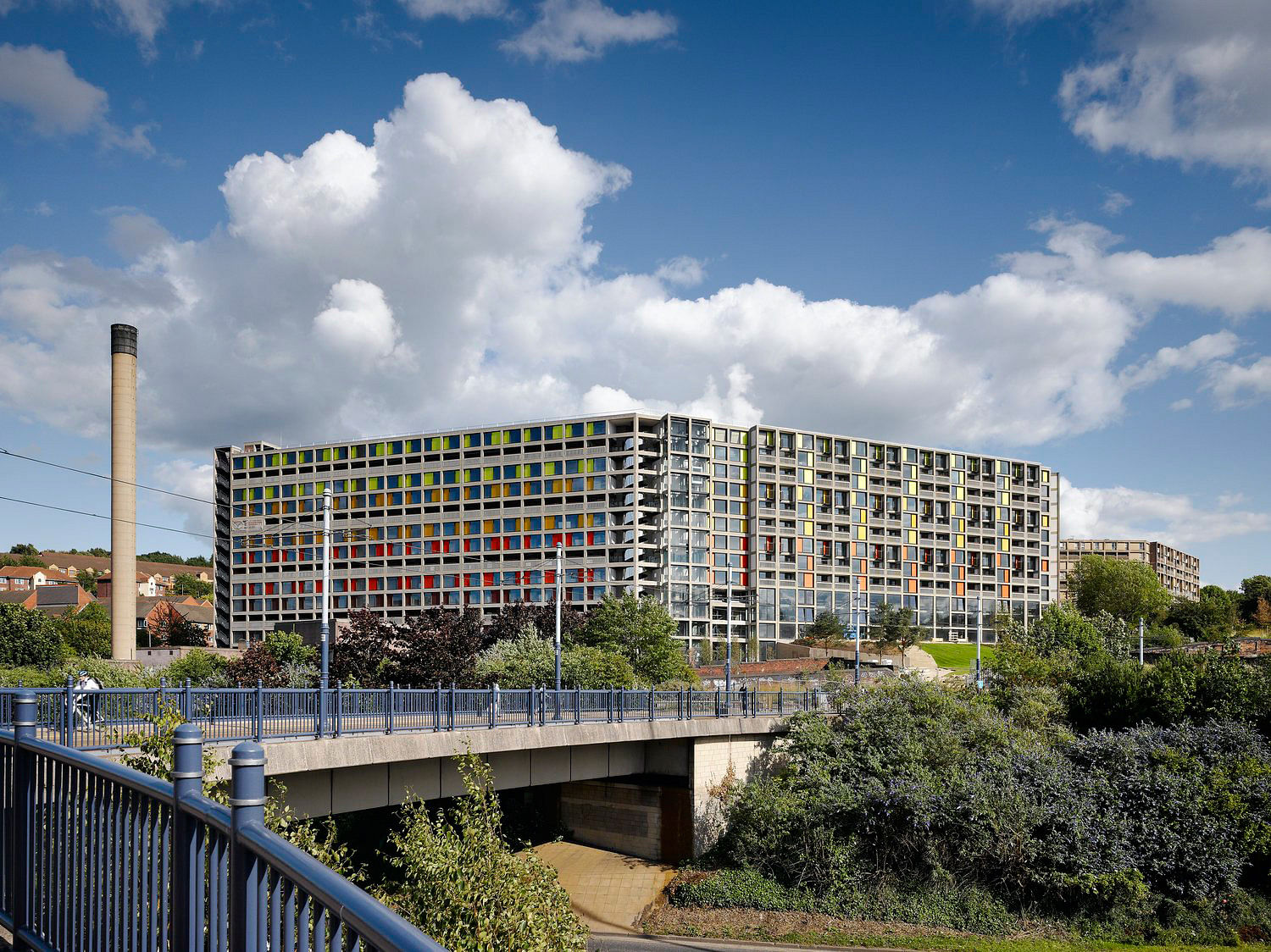
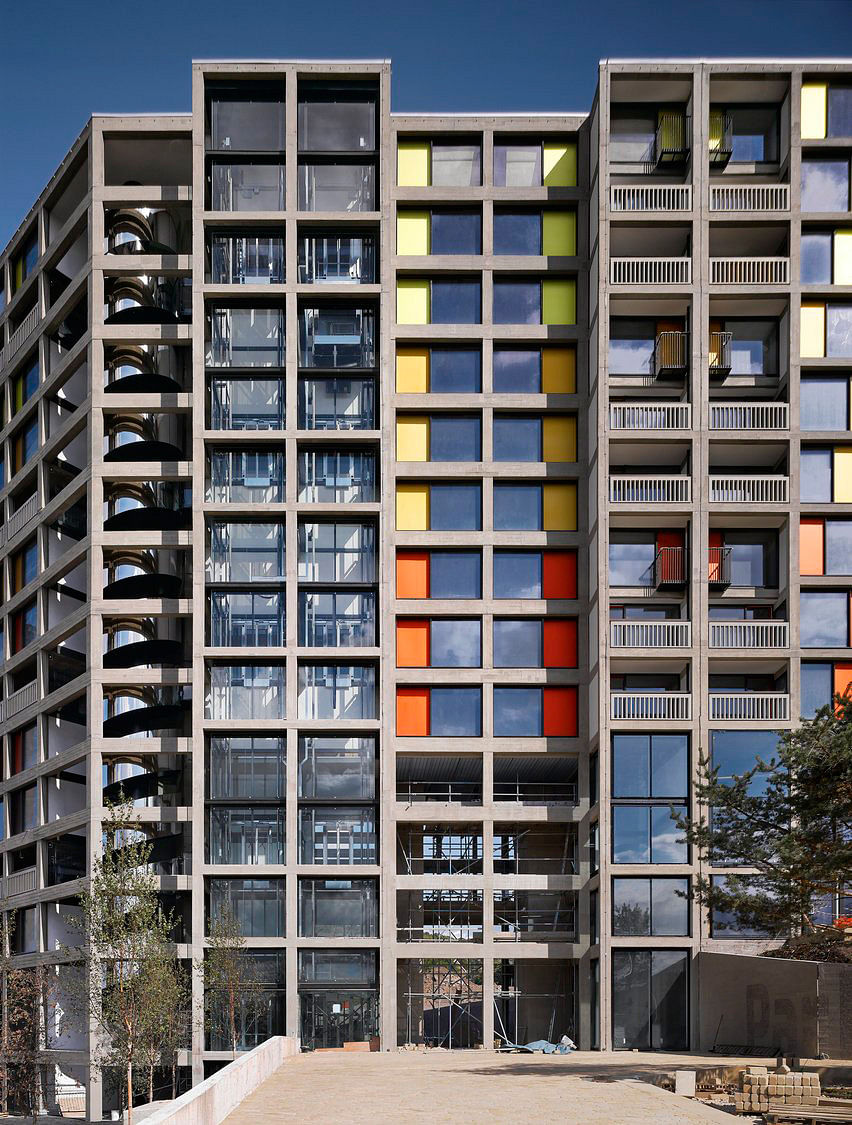
Park Hill Phase 1, Sheffield by Hawkins\Brown with Studio Egret West; Photo: Daniel Hopkinson
Park Hill Phase 1, Sheffield by Hawkins\Brown with Studio Egret West; Photo: Peter Bennett

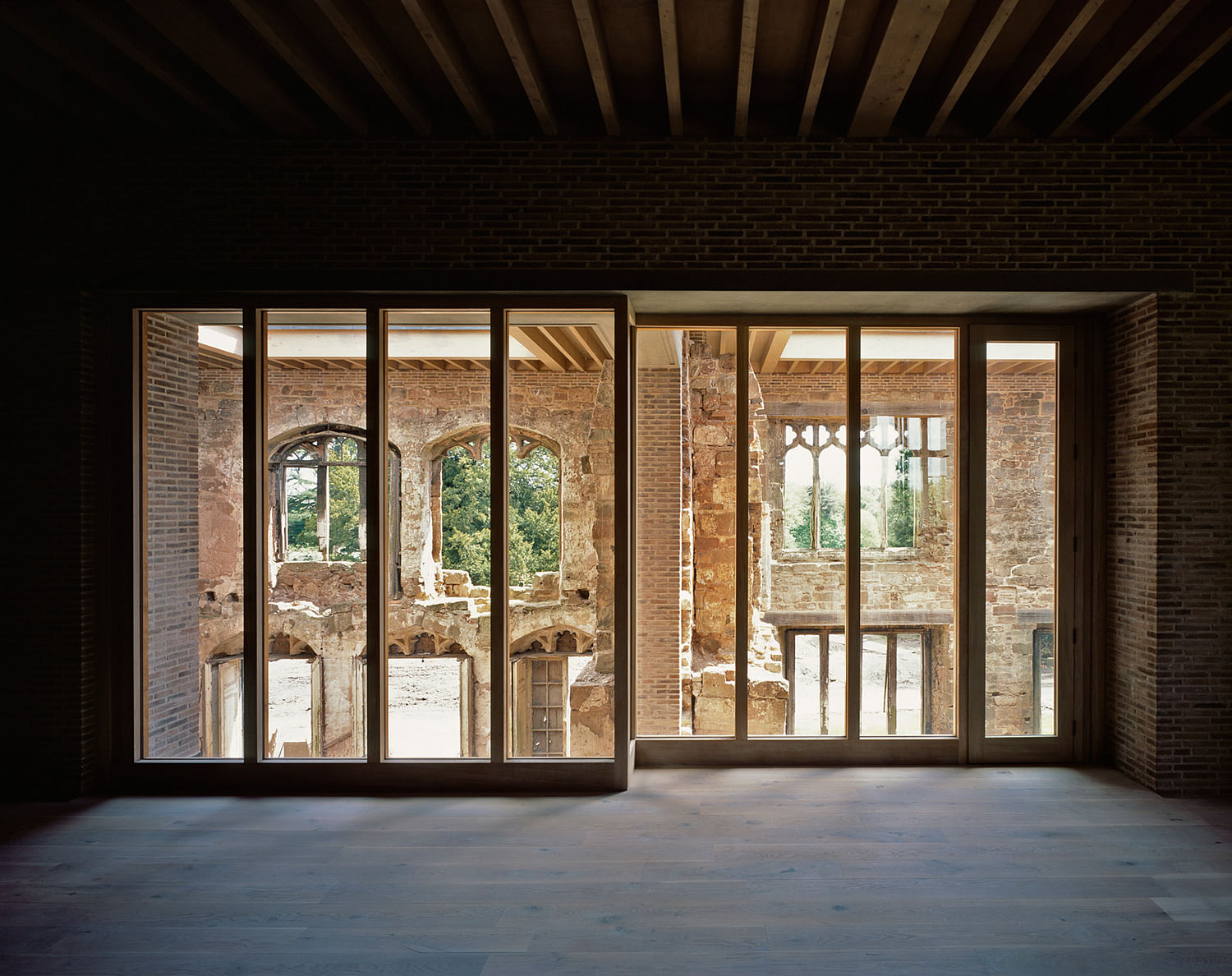
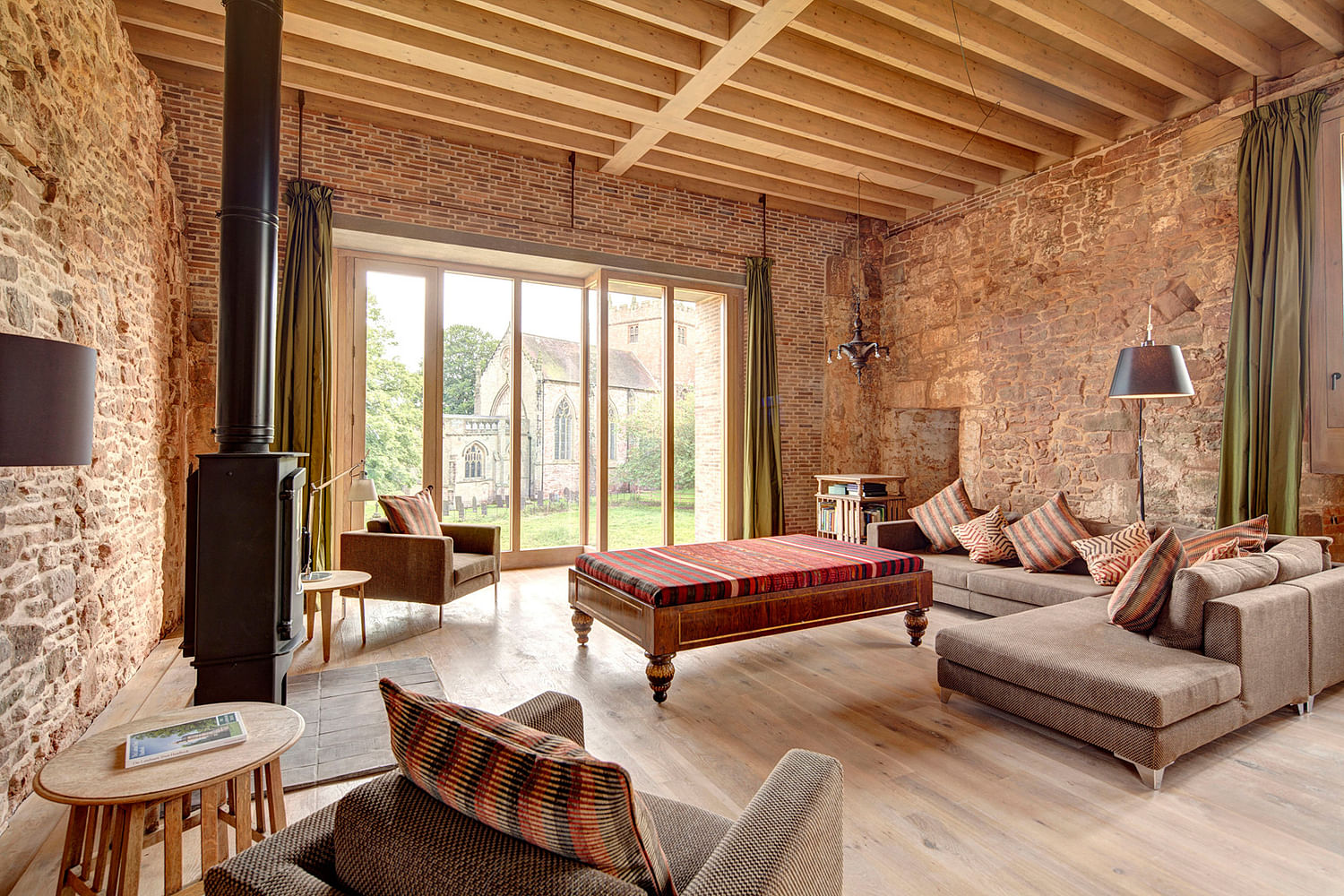
Astley Castle, Warwickshire by Witherford Watson Mann Architects

This sensitive scheme places the new building at the heart of the old.  It shows creativity as well as preservation and conservation.

In the burnt-out ruins of 12th century fortified manor, the architects have created a new house which allows Landmark Trust guests to experience life in an old castle yet in immediate environs that are distinctly 21st century.

Astley Castle demonstrates that working within sensitive historic contexts requires far more than the specialist skills of the conservation architect: this is an important piece of architecture, beautifully detailed and crafted.

The decision to put the bedrooms and bathrooms on the ground floor and the communal spaces above makes the experience of the house very special.

Astley Castle, Warwickshire by Witherford Watson Mann Architects; Photo: Landmark Trust
Astley Castle, Warwickshire by Witherford Watson Mann Architects; Photo: Helene Binet
Astley Castle, Warwickshire by Witherford Watson Mann Architects; Photo: J Miller

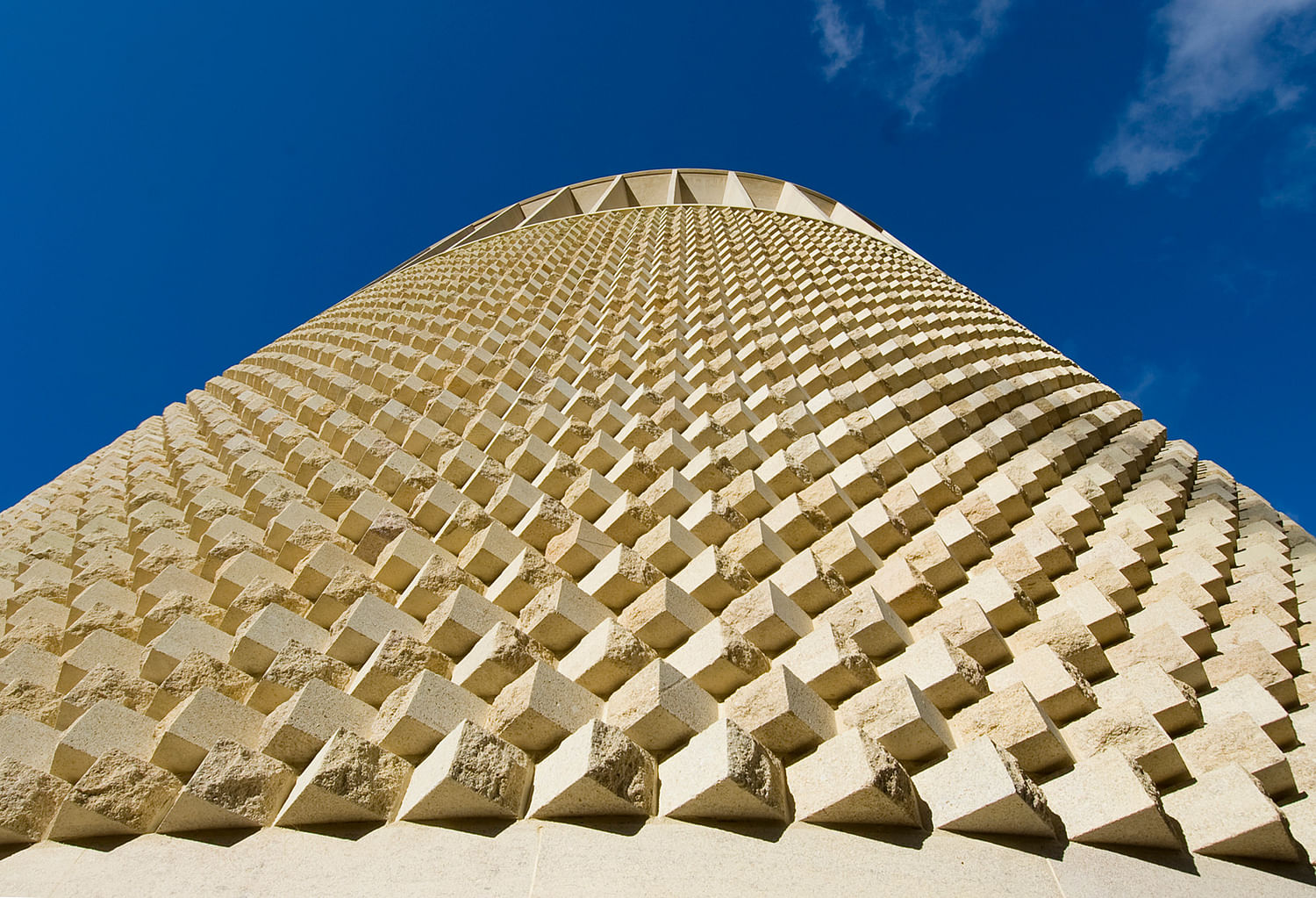
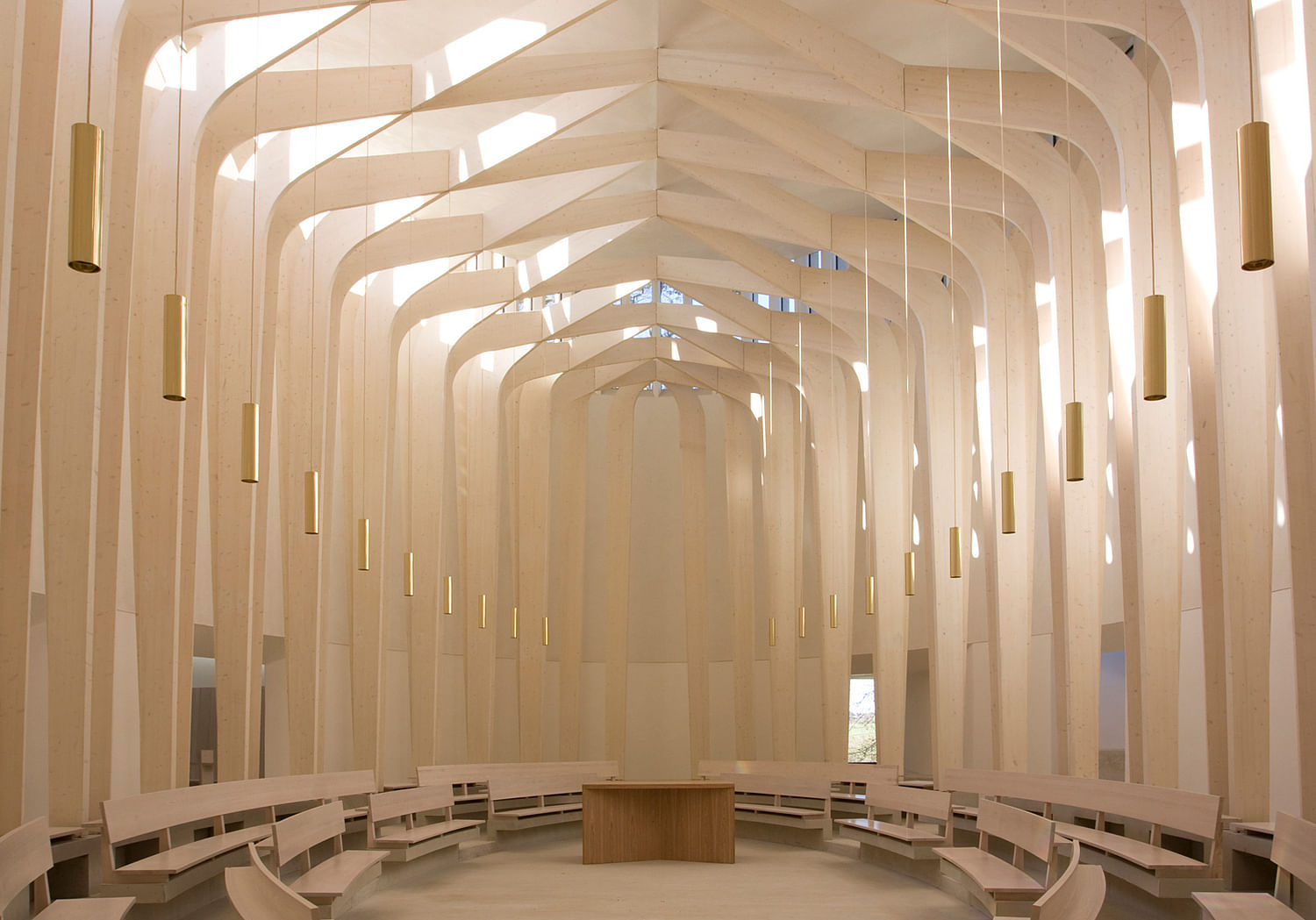
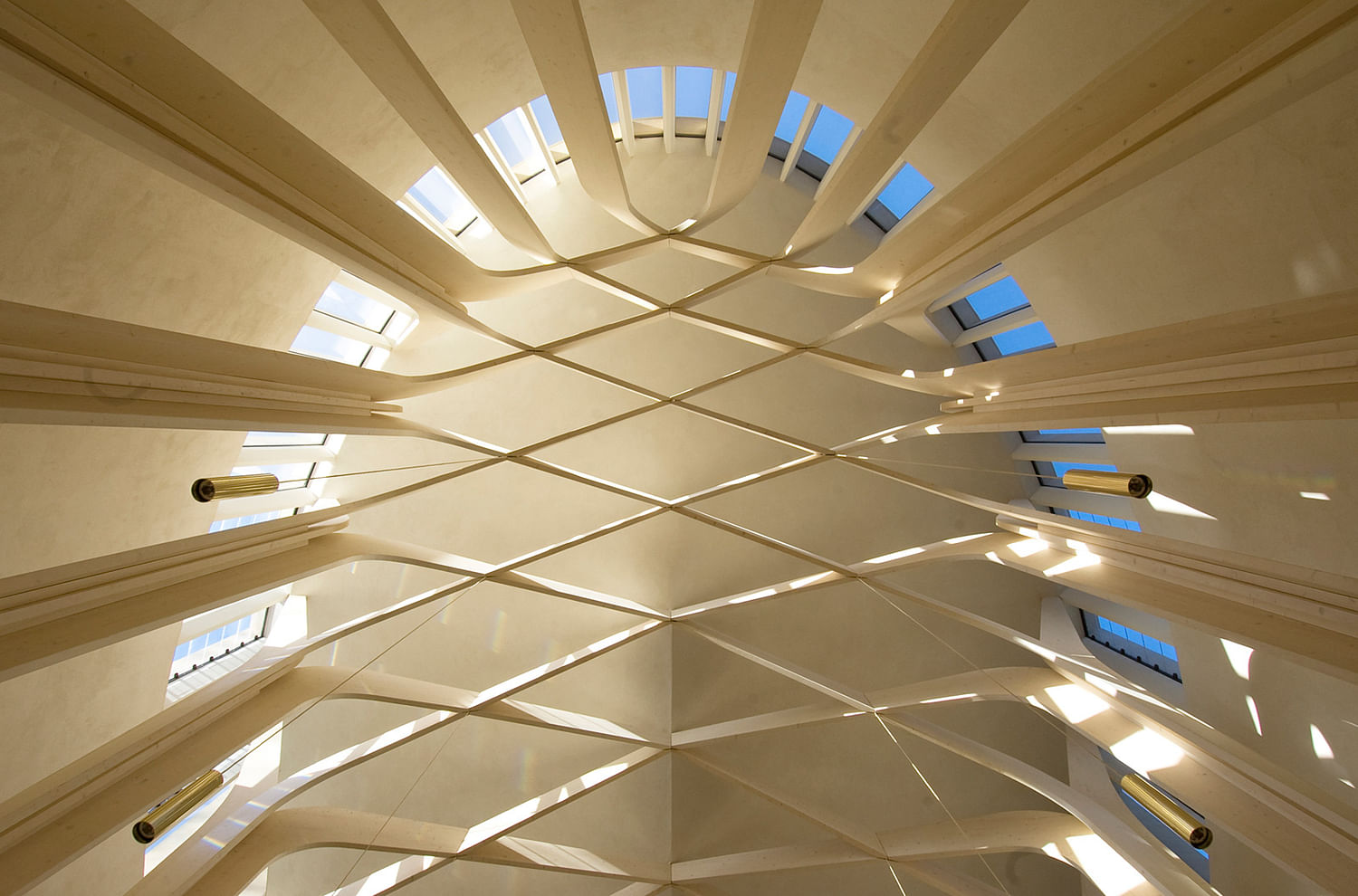
Bishop Edward King Chapel, Oxfordshire by Niall McLaughlin Architects

Built to serve a theological college and a small religious order of nuns, the chapel defies its diminutive scale to provide an uplifting spiritual space of great potency.

This is a materially rich scheme: above an ashlar base the principal material is a cream limestone hand-broken and laid criss-cross with the raw ends exposed, producing an extraordinarily rich texture.

The building is rich in its allusions to architectural history yet possess the power to impact on any passer-by.

A ribbon of high windows floods the chapel and its ambulatory with even light. The delicate timber structure is of blonde wood. This is an church for all seasons and serves equally all the diverse branches of the Anglican Church.

Cuddeston fulfills its complex brief with a lyrical grace.

Bishop Edward King Chapel, Oxfordshire by Niall McLaughlin Architects

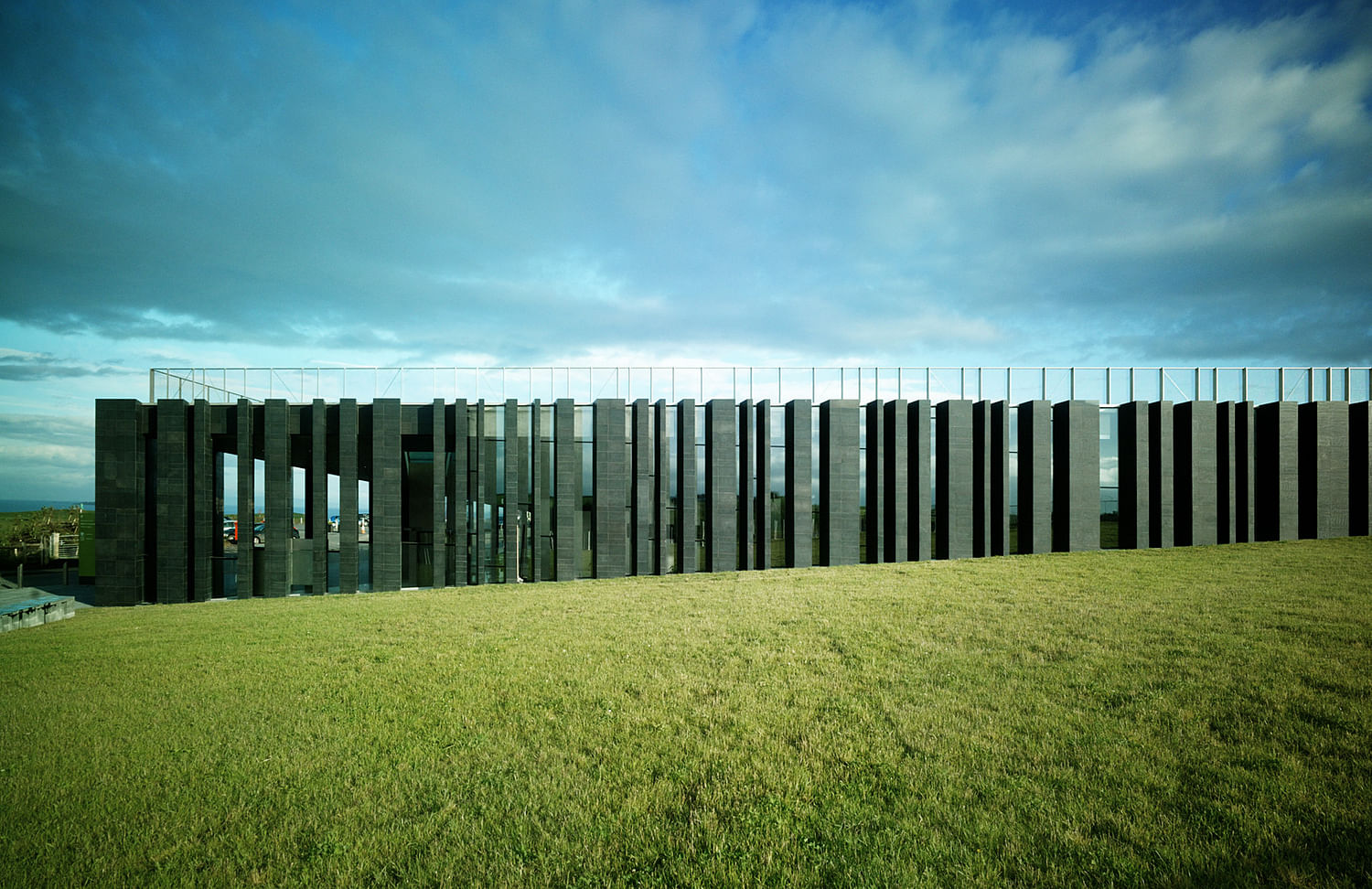
Giant’s Causeway Visitor Center, Northern Ireland by heneghan peng architects

This elegant, powerful visitor center appears to be born of its place; the irregular lines of basalt columns grow and recede into the landscape to form the building edges, with the building roof a part of the dramatic landscape.

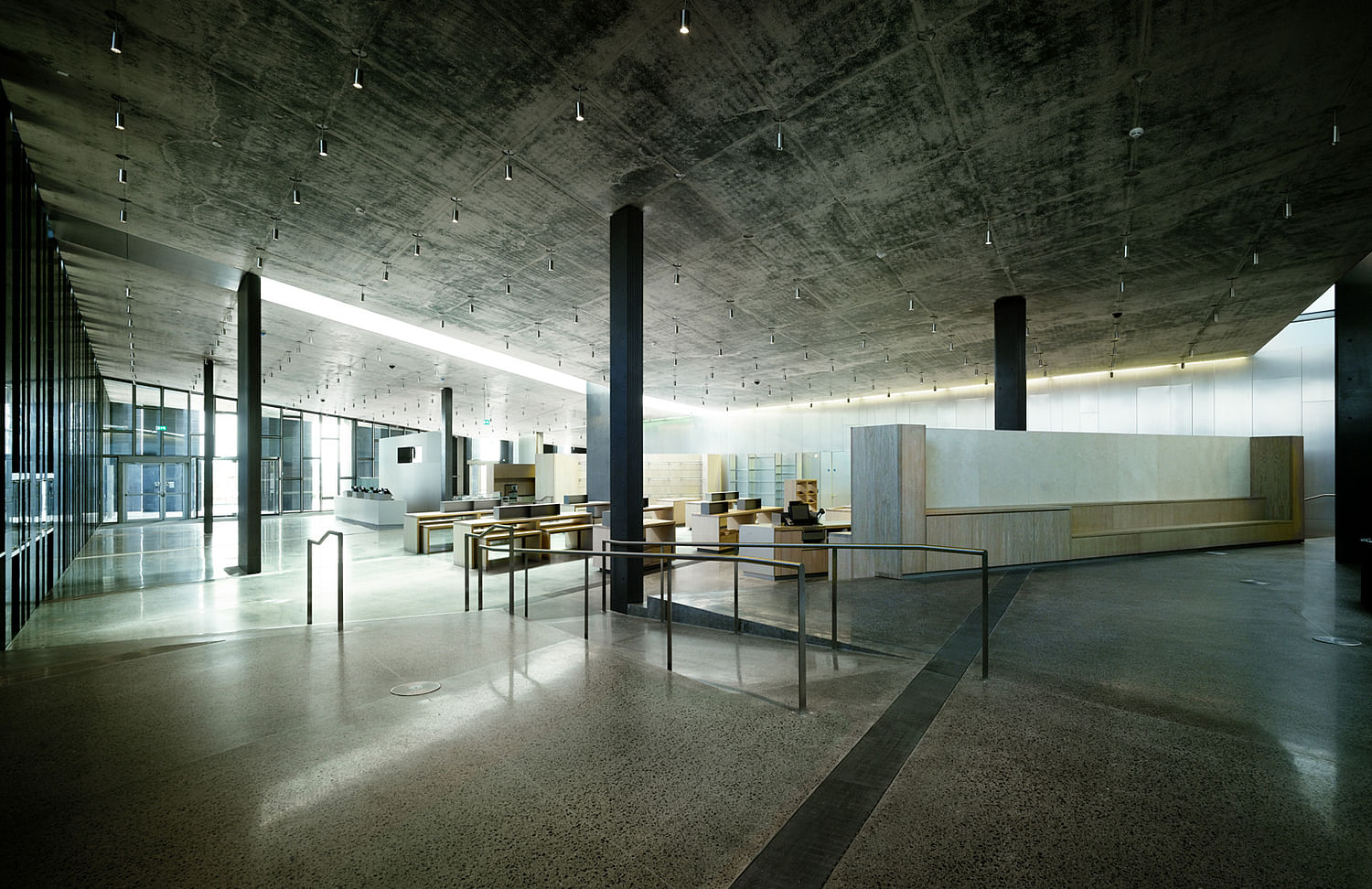
Visitor Centers are hard to do; this one serves as shop, café and exhibition without any one function over-powering what is a simple, telling piece of architecture.

Visitor Centers are normally self-effacing buildings fulfilling the needs of visitors but careful not to draw the limelight. This one pulls of that difficult trick of being a destination in its own right without upstaging the principal event – the causeway which is set a kilometer apart and invisible from it.

The internal space is made from a large concrete soffit with slices of roof lights and slots between the basalt allowing natural light deep into the heart of the building.

Giant’s Causeway Visitor Center, Northern Ireland by heneghan peng architects; Photo: Hufton + Crow
Giant’s Causeway Visitor Center, Northern Ireland by heneghan peng architects; Photo: Marie-Louise Halpenny

University of Limerick Medical School by Grafton Architects

It is not easy to create good architecture on an incredibly tight budget and previous architectural experiments on the Limerick Campus have been mixed, but Grafton Architects have taken an ordinary program for the student housing and a series of muscular buildings that despite their modest size, have a scale and weight and create a point of entry to the campus.

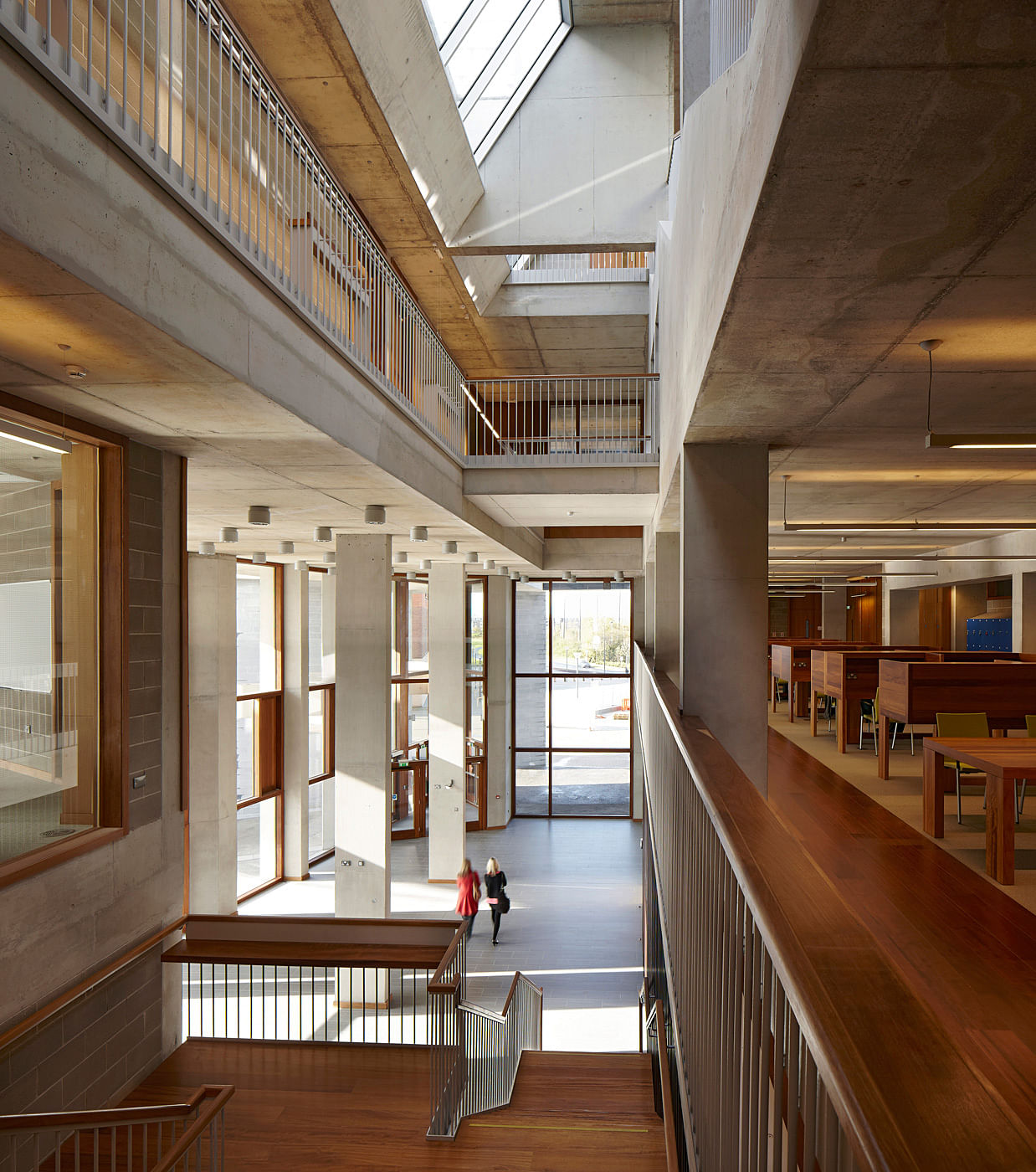
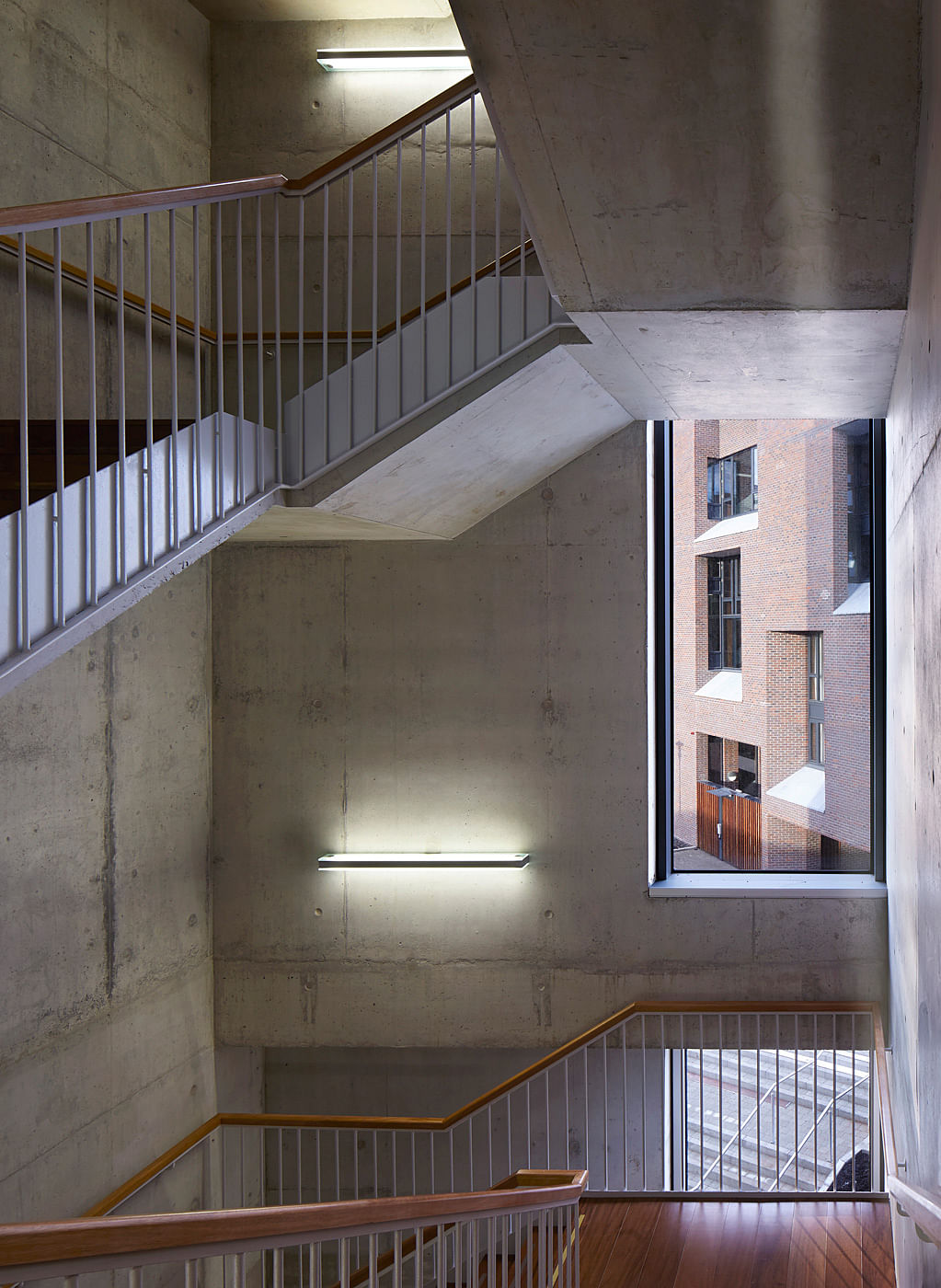
Facing is the medical school which is cool grey and monolithic, another relatively modest building with a strong presence.  The central space of the medical school soars above the entry, rich in timber details against massive concrete, with views up to a study area overlooking the atrium, and further still to bridges and windows on higher levels.

This building feels like it punches well above its weight.  It transforms simple teaching and study spaces into rich, theatrical spaces, with a generosity that verges on the heroic.

The heroic bus shelter that completes the fine hard-landscaped square also forms a dramatic entrance to a neighboring restaurant pavilion (by other hands). This is place-making of the first order.

University of Limerick Medical School by Grafton Architects; Photo: Dennis Gilbert
University of Limerick Medical School by Grafton Architects

Newhall Be, Harlow by Alison Brooks Architects

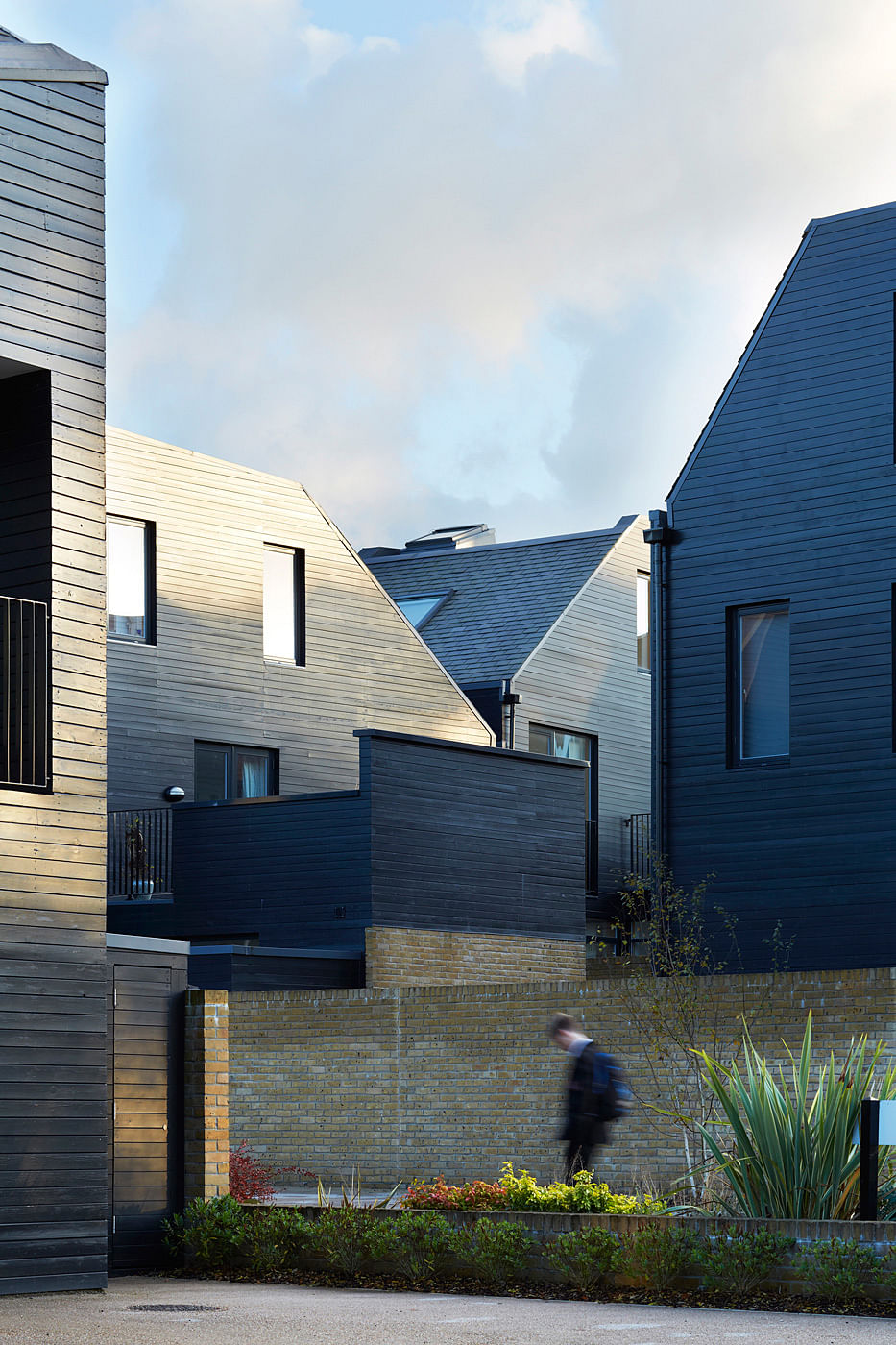
The 84 unit Newhall Be scheme demonstrates the added value that good architects can bring to the thorny problem of housing people outside our major cities. ABA have worked with housing developer Galliford Try and persuaded them that investing in quality adds to their bottom line.

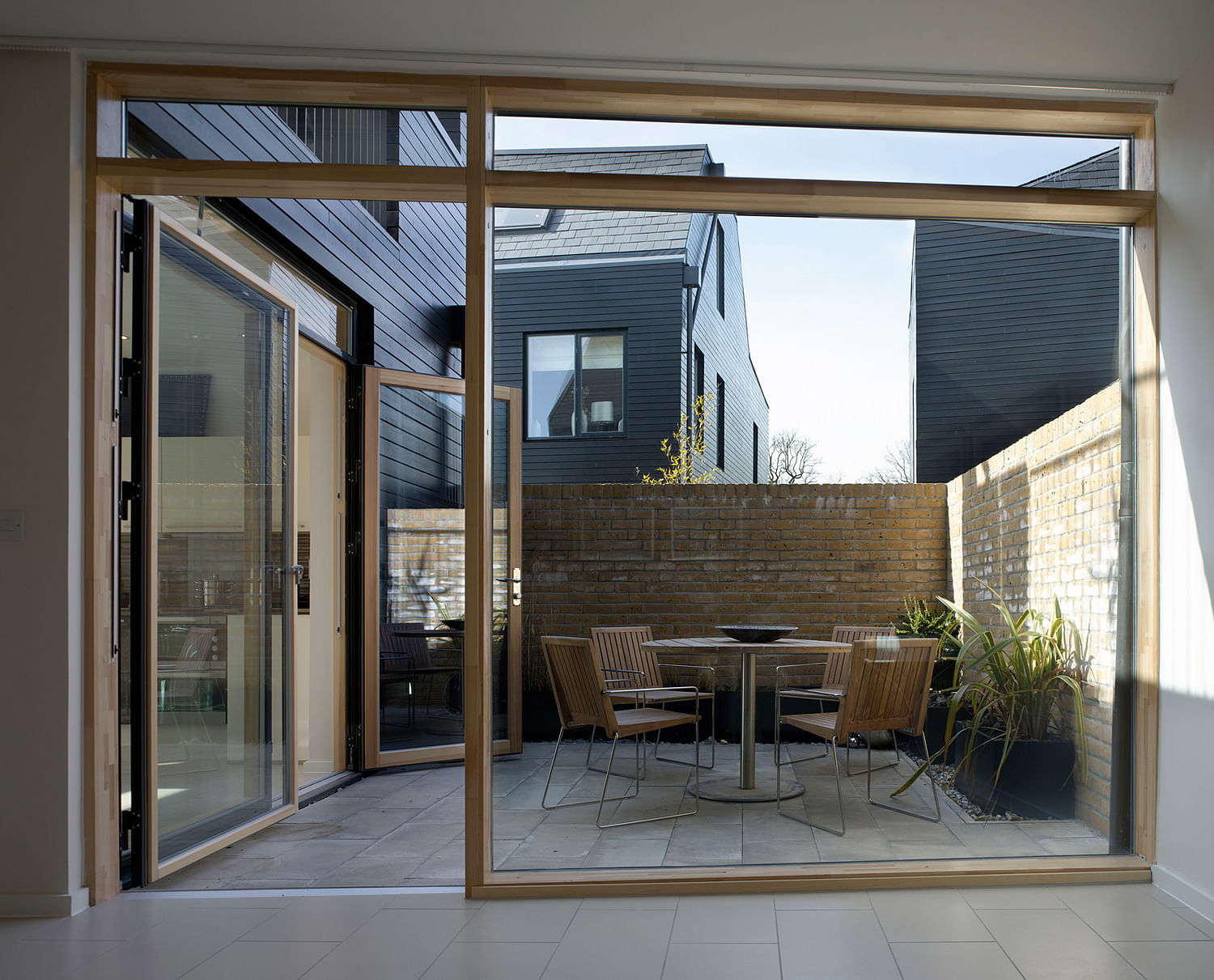
By halving the size of the gardens – creating roof terraces in total equaling the land ‘lost’ - the architects managed to get an extra six houses on to the development. This paid for extras such as full-height windows, dedicated studies and convertible roof space, things which don’t feature in the standard house builders’ products.

The 10.5m x 9.5m plot size for the courtyard houses, which predominate, is a clever manipulation of internal/external space, incorporating simple effective moves such as the gentle angling of the flank walls and balconies to avoid overlooking.

The overall scheme raises the bar for suburban housing developments that – if emulated could and should have a significant impact on development across the country.

This is a fine achievement in its own right. In the context of much of the UK’s new housebuilding it is truly exceptional.

Newhall Be, Harlow by Alison Brooks Architects; Photo: Paul Riddle

Angela Brady, RIBA President, said: "The RIBA Stirling Prize is awarded to the building that has made the biggest contribution to the evolution of architecture, and nowhere is the need for fresh-thinking needed more than in housing. The UK is blighted with unimaginative, poor quality houses that people don’t want to live in but have little other choice, so I am delighted to see two amazing and highly original housing projects on this year’s shortlist. These projects show how when talented architects and clients work together and focus on quality, affordable and desirable new homes can be created. They shine a light on what the future of UK housing can be.

All six shortlisted projects are ground-breaking in their own way – buildings that deliver more than could ever have been expected. Some of them, such as Park Hill and the Giant’s Causeway Visitor Centre, are genuinely courageous in laying out a new visionary approach.

This RIBA Stirling Prize shortlist is sending out the clear message that creative vision improves our lives."

The 2013 RIBA Stirling Prize judges who will visit the six shortlisted buildings and meet for a final time on the day of the presentation to pick the winner are: Stephen Hodder – architect and RIBA President Elect (President: 09/01/13; Sheila O’Donnell - architect, O’Donnell + Tuomey; Paul Williams - architect, Stanton Williams; Dame Vivien Duffield – philanthropist and Chair of the Clore Duffield Foundation; and Tom Dyckhoff – journalist and broadcaster.

Previous winners of the RIBA Stirling Prize include: Sainsbury Laboratory by Stanton Williams (2012); Evelyn Grace Academy (2011) and MAXXI Museum, Rome (2010) both by Zaha Hadid Architects; Maggie’s Center at Charing Cross Hospital, London by Rogers Stirk Harbour + Partners (2009); Accordia housing development by Feilden Clegg Bradley Studios/Alison Brooks Architects/Maccreanor Lavington (2008); The Museum of Modern Literature, Marbach am Neckar, Germany by David Chipperfield Architects (2007).

Related

united kingdom ● stirling prize ● shortlist ● riba ● prize ● london ● europe ● award

Share

  • Follow

    0 Comments

  • Comment as :

2013 RIBA Stirling Prize Shortlist

Micro-architecture honored in latest Tiny House Architecture Competition

World’s most beautiful restaurants of 2026 chosen by Prix Versailles

Sponsored Post by Buildner

Design a wine tasting room in Italy! Valli Wine Tasting Room is launched!

10 can't-miss architecture & design events to see this June in London, Los Angeles, Chicago, San Francisco, Detroit, San Diego, Porto, and Barcelona

Sponsored Post by Buildner

Museum of Emotions / Edition #8 FINAL registration deadline is approaching!

Seven global projects make AR Public Awards shortlist 2026

Sponsored Post by Buildner

Design a slow-living restaurant in Portugal! Portugal Long Table Restaurant is launched!

World's best tall buildings honored at the CVU 2026 Award of Excellence

Sign up for Bustler's Email Newsletters

Sponsored Post by TWOPAGES

Final call: TWOPAGES X Design Contest 2026 submissions close June 5

Kengo Kuma & Paul Raff win Alberta national park visitor center competition with landscape-focused design

2026 Moira Gemmill and MJ Long prizes announced by W Awards

New architecture and design competitions: Kinderspace, Stewardson Keefe LeBrun Travel Grant, SMALL PROJECT BIG IMPACT, and Garden of University House, Bucharest

The Century of Gehry: New retrospective explores the late architect's work & collaborations

Sponsored Post by Buildner

Rome Rain Rooms FINAL registration deadline is in 5 DAYS!

UIA and UN Habitat unveil sustainability-focused winners for UIA 2030 Award

Next page » Loading

2013 RIBA Stirling Prize Shortlist

By Bustler Editors|

Thursday, Jul 18, 2013

Share

Park Hill Phase 1, Sheffield by Hawkins\Brown with Studio Egret West; Photo: Daniel Hopkinson

Related

united kingdom ● stirling prize ● shortlist ● riba ● prize ● london ● europe ● award

The Royal Institute of British Architects today announced the UK & Ireland's six top projects shortlisted for the 2013 RIBA Stirling Prize. The selected buildings will now go head to head for the prestigious prize, and the winner will be announced on the evening of Thursday, September 26th in London at Central Saint Martins, King’s Cross, designed by last year’s RIBA Stirling Prize winner Stanton Williams.

This year’s RIBA Stirling Prize shortlist features some ‘fresh’ architecture talent - five of the six practices are on the list for the first time, beating-off competition from previous winners including Sir David Chipperfield and Dame Zaha Hadid. It is also the first year in the prize’s 18 year history that half of the shortlisted firms have women at the helm: Alison Brooks Architects, Grafton Architects and heneghan peng.

The six buildings competing for this year’s title are:

Park Hill Phase 1, Sheffield by Hawkins\Brown with Studio Egret West

Together the two firms of architects have worked with developers Urban Splash to address the contradictory demands of conservation and commerce and to bring back to life a Sheffield landmark.

The original aspiration of the late 1950s blocks to resemble an Italian hill village had degenerated into a sorry place to be – the completed first phase once again gives the people of Sheffield and visitors a building that excites and inspires.

The original streets in the sky have been made safe with security measures and a meter borrowed from their generous width to add to the accommodation. Set back doorways and corner windows also humanize these spaces.

The architects have doubled the amount of glazing, while retaining the character of the original concrete and exposing inside the split-level apartments but walls have been removed to fill them with light.

The vibrant colored panels borrow from the gradated pastel colors of the original brickwork, giving a Corbusian vigor to the facades.
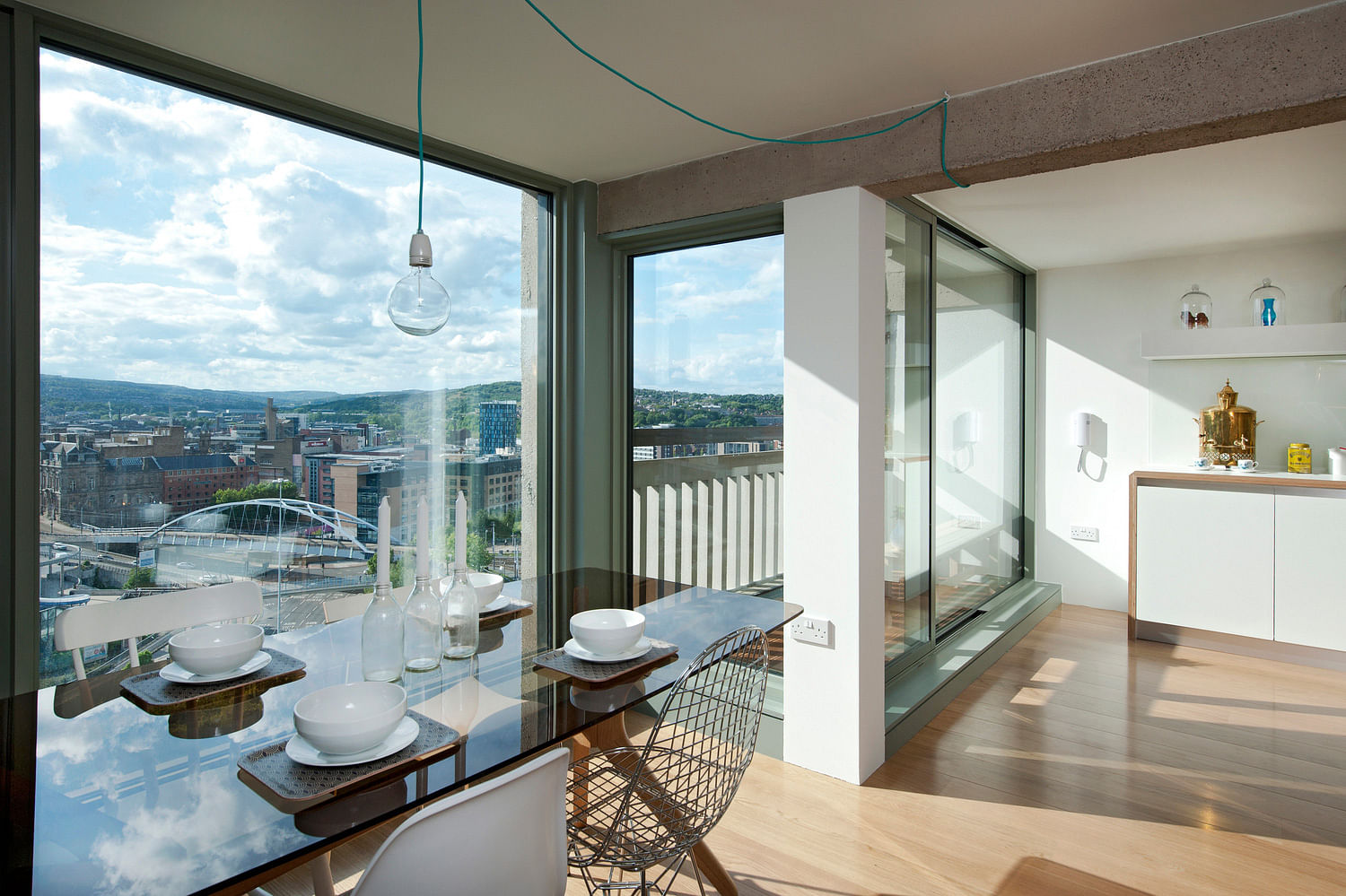
Park Hill Phase 1, Sheffield by Hawkins\Brown with Studio Egret West; Photo: Daniel Hopkinson
Park Hill Phase 1, Sheffield by Hawkins\Brown with Studio Egret West; Photo: Peter Bennett

Astley Castle, Warwickshire by Witherford Watson Mann Architects

This sensitive scheme places the new building at the heart of the old.  It shows creativity as well as preservation and conservation.

In the burnt-out ruins of 12th century fortified manor, the architects have created a new house which allows Landmark Trust guests to experience life in an old castle yet in immediate environs that are distinctly 21st century.

Astley Castle demonstrates that working within sensitive historic contexts requires far more than the specialist skills of the conservation architect: this is an important piece of architecture, beautifully detailed and crafted.

The decision to put the bedrooms and bathrooms on the ground floor and the communal spaces above makes the experience of the house very special.
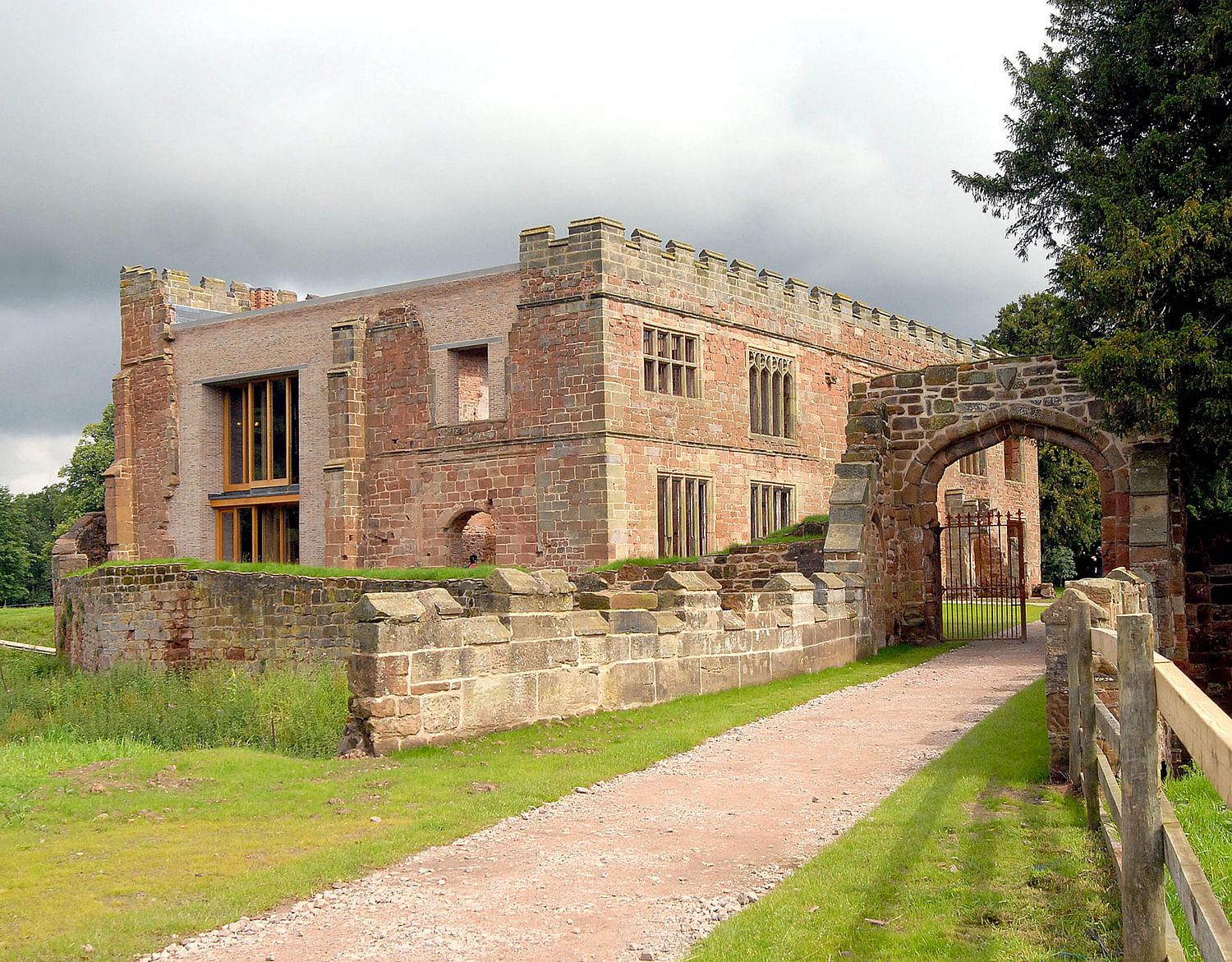
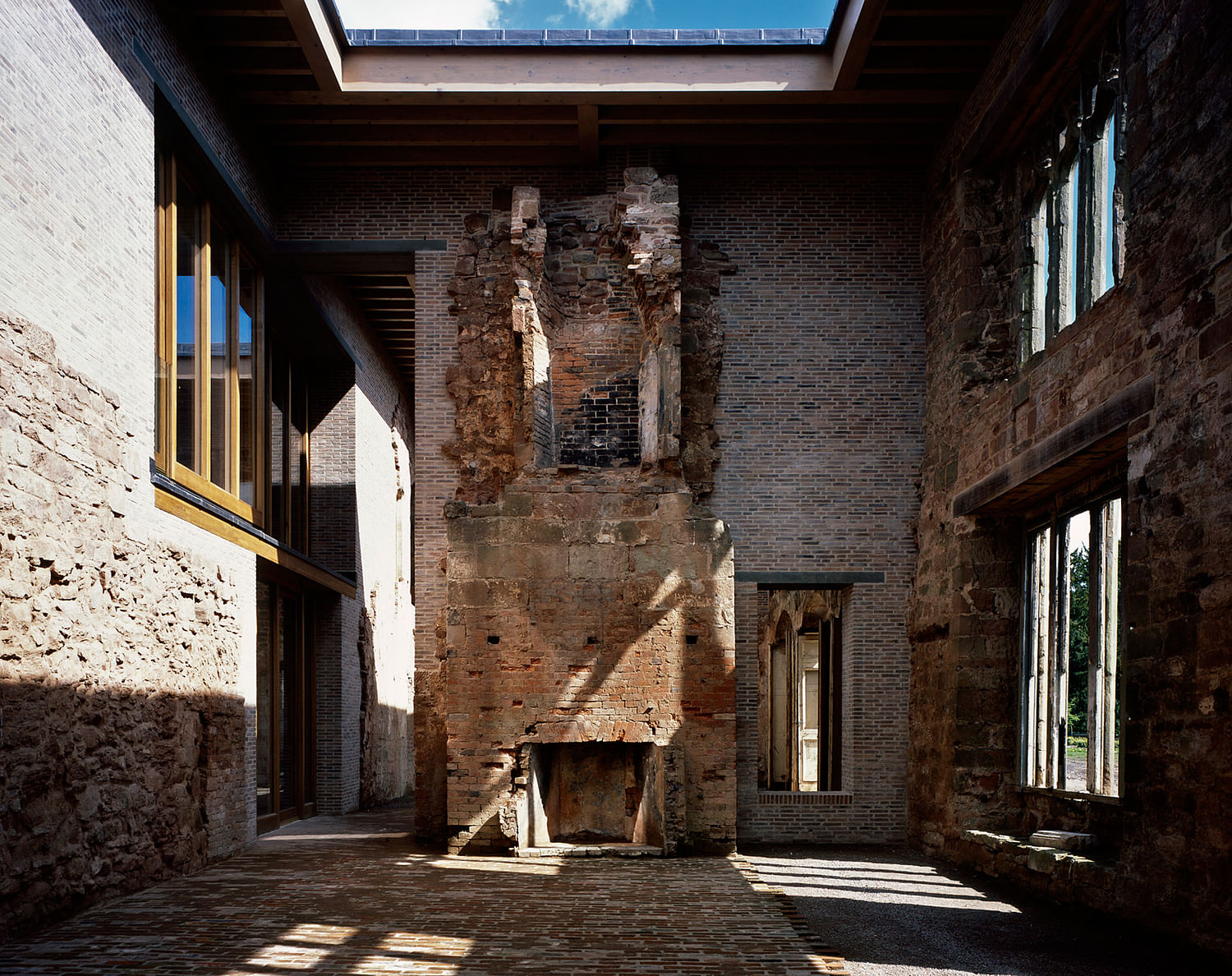
Astley Castle, Warwickshire by Witherford Watson Mann Architects; Photo: Landmark Trust
Astley Castle, Warwickshire by Witherford Watson Mann Architects; Photo: Helene Binet
Astley Castle, Warwickshire by Witherford Watson Mann Architects; Photo: J Miller

Bishop Edward King Chapel, Oxfordshire by Niall McLaughlin Architects

Built to serve a theological college and a small religious order of nuns, the chapel defies its diminutive scale to provide an uplifting spiritual space of great potency.

This is a materially rich scheme: above an ashlar base the principal material is a cream limestone hand-broken and laid criss-cross with the raw ends exposed, producing an extraordinarily rich texture.

The building is rich in its allusions to architectural history yet possess the power to impact on any passer-by.

A ribbon of high windows floods the chapel and its ambulatory with even light. The delicate timber structure is of blonde wood. This is an church for all seasons and serves equally all the diverse branches of the Anglican Church.

Cuddeston fulfills its complex brief with a lyrical grace.
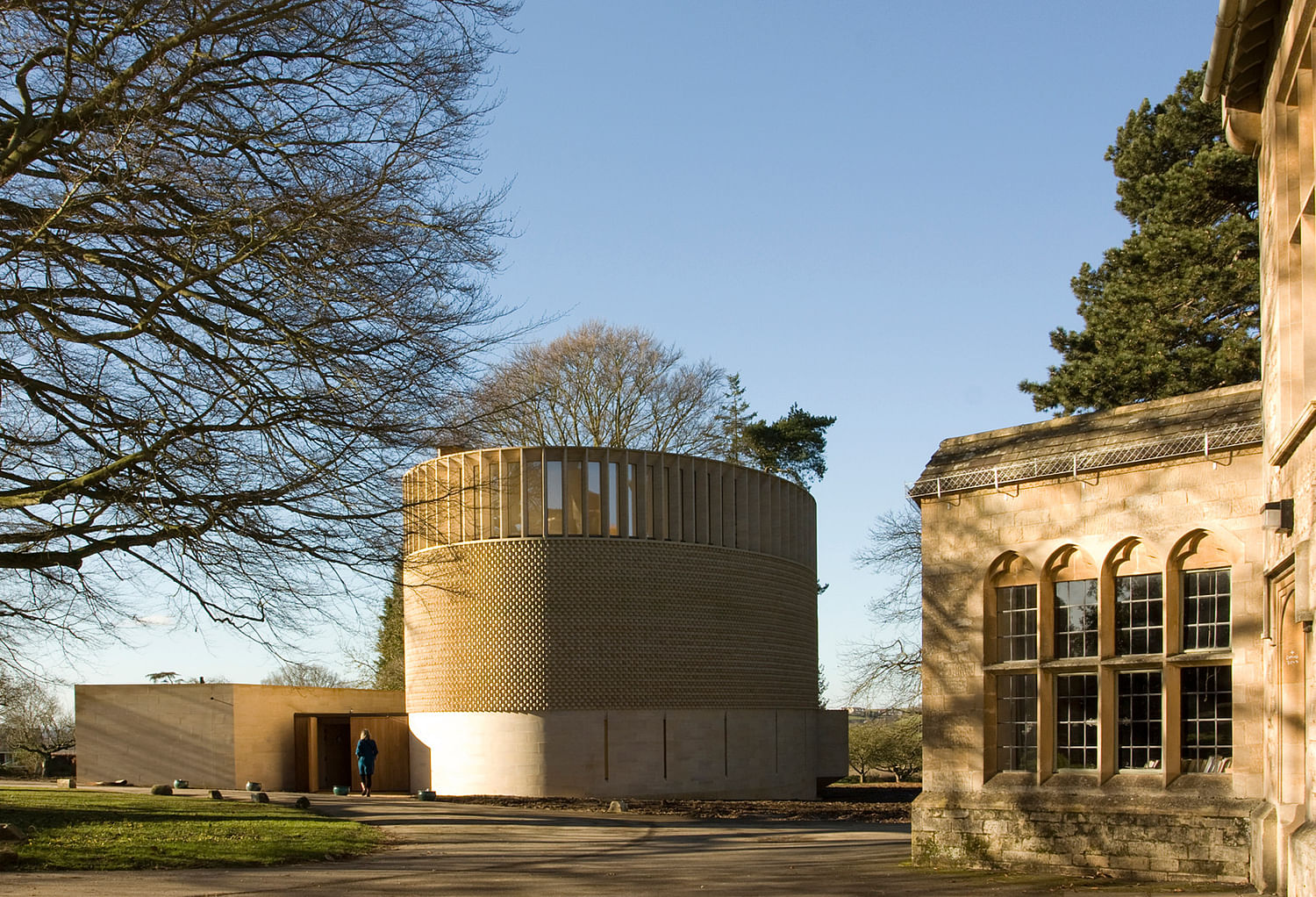
Bishop Edward King Chapel, Oxfordshire by Niall McLaughlin Architects

Giant’s Causeway Visitor Center, Northern Ireland by heneghan peng architects

This elegant, powerful visitor center appears to be born of its place; the irregular lines of basalt columns grow and recede into the landscape to form the building edges, with the building roof a part of the dramatic landscape.

Visitor Centers are hard to do; this one serves as shop, café and exhibition without any one function over-powering what is a simple, telling piece of architecture.

Visitor Centers are normally self-effacing buildings fulfilling the needs of visitors but careful not to draw the limelight. This one pulls of that difficult trick of being a destination in its own right without upstaging the principal event – the causeway which is set a kilometer apart and invisible from it.

The internal space is made from a large concrete soffit with slices of roof lights and slots between the basalt allowing natural light deep into the heart of the building.
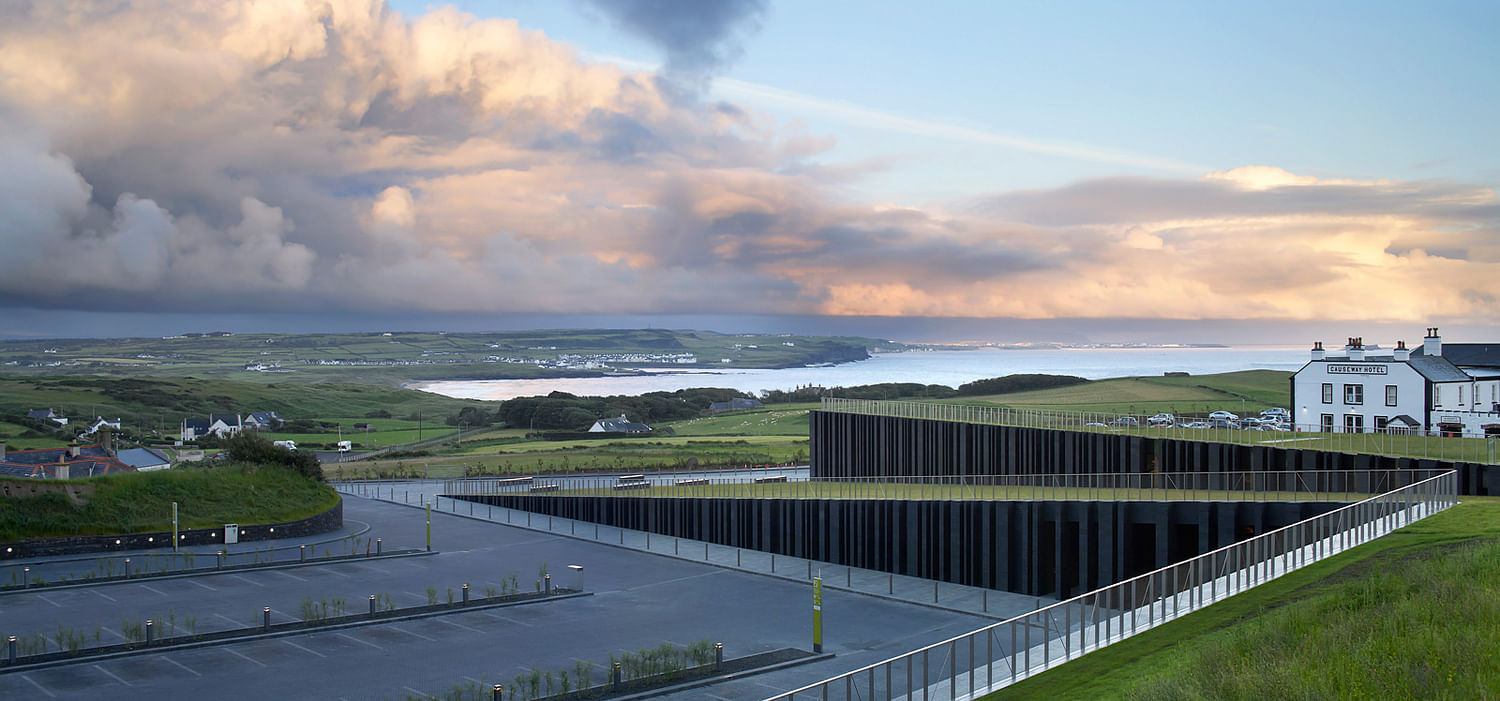
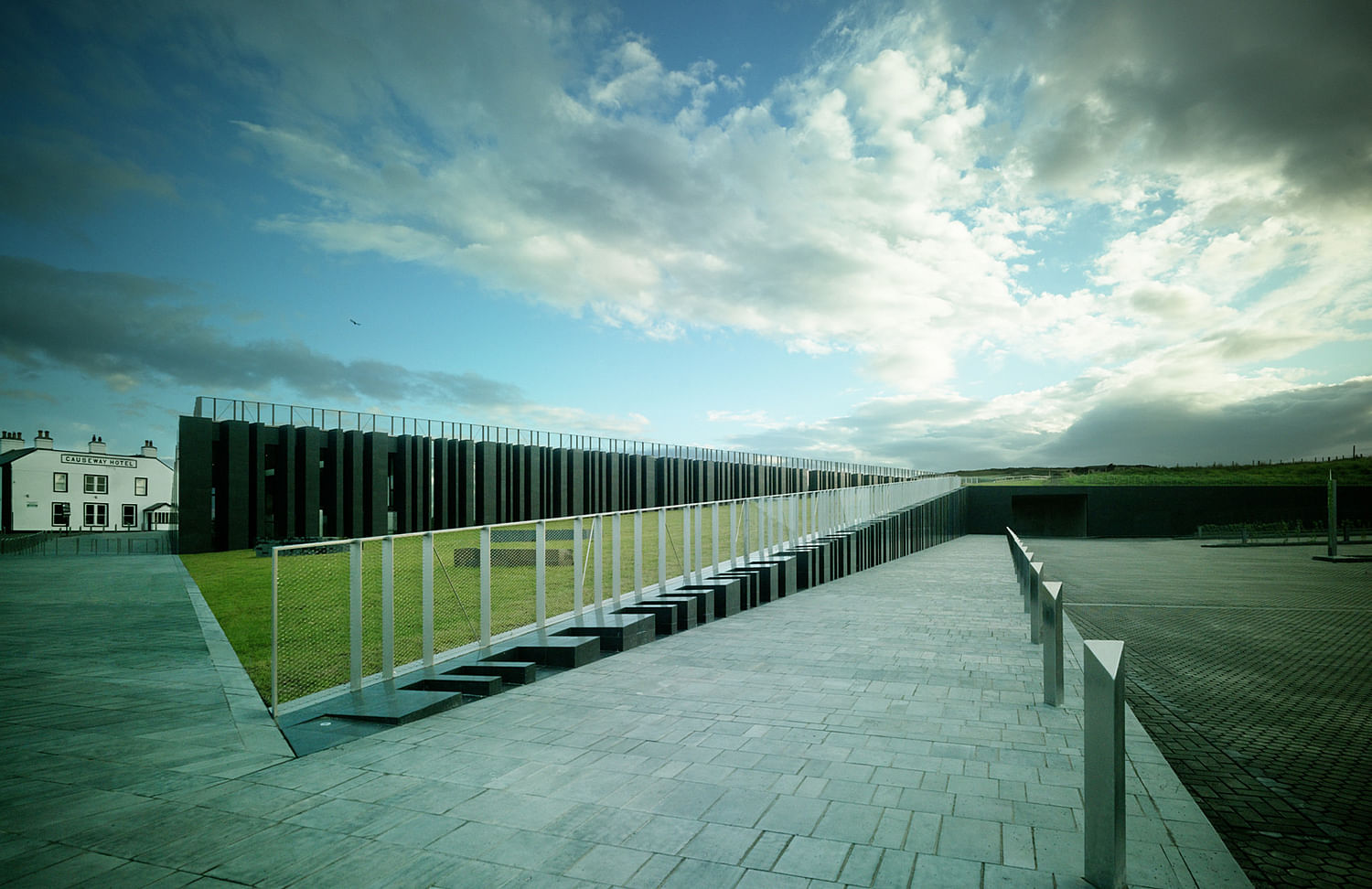
Giant’s Causeway Visitor Center, Northern Ireland by heneghan peng architects; Photo: Hufton + Crow
Giant’s Causeway Visitor Center, Northern Ireland by heneghan peng architects; Photo: Marie-Louise Halpenny

University of Limerick Medical School by Grafton Architects

It is not easy to create good architecture on an incredibly tight budget and previous architectural experiments on the Limerick Campus have been mixed, but Grafton Architects have taken an ordinary program for the student housing and a series of muscular buildings that despite their modest size, have a scale and weight and create a point of entry to the campus.

Facing is the medical school which is cool grey and monolithic, another relatively modest building with a strong presence.  The central space of the medical school soars above the entry, rich in timber details against massive concrete, with views up to a study area overlooking the atrium, and further still to bridges and windows on higher levels.

This building feels like it punches well above its weight.  It transforms simple teaching and study spaces into rich, theatrical spaces, with a generosity that verges on the heroic.

The heroic bus shelter that completes the fine hard-landscaped square also forms a dramatic entrance to a neighboring restaurant pavilion (by other hands). This is place-making of the first order.
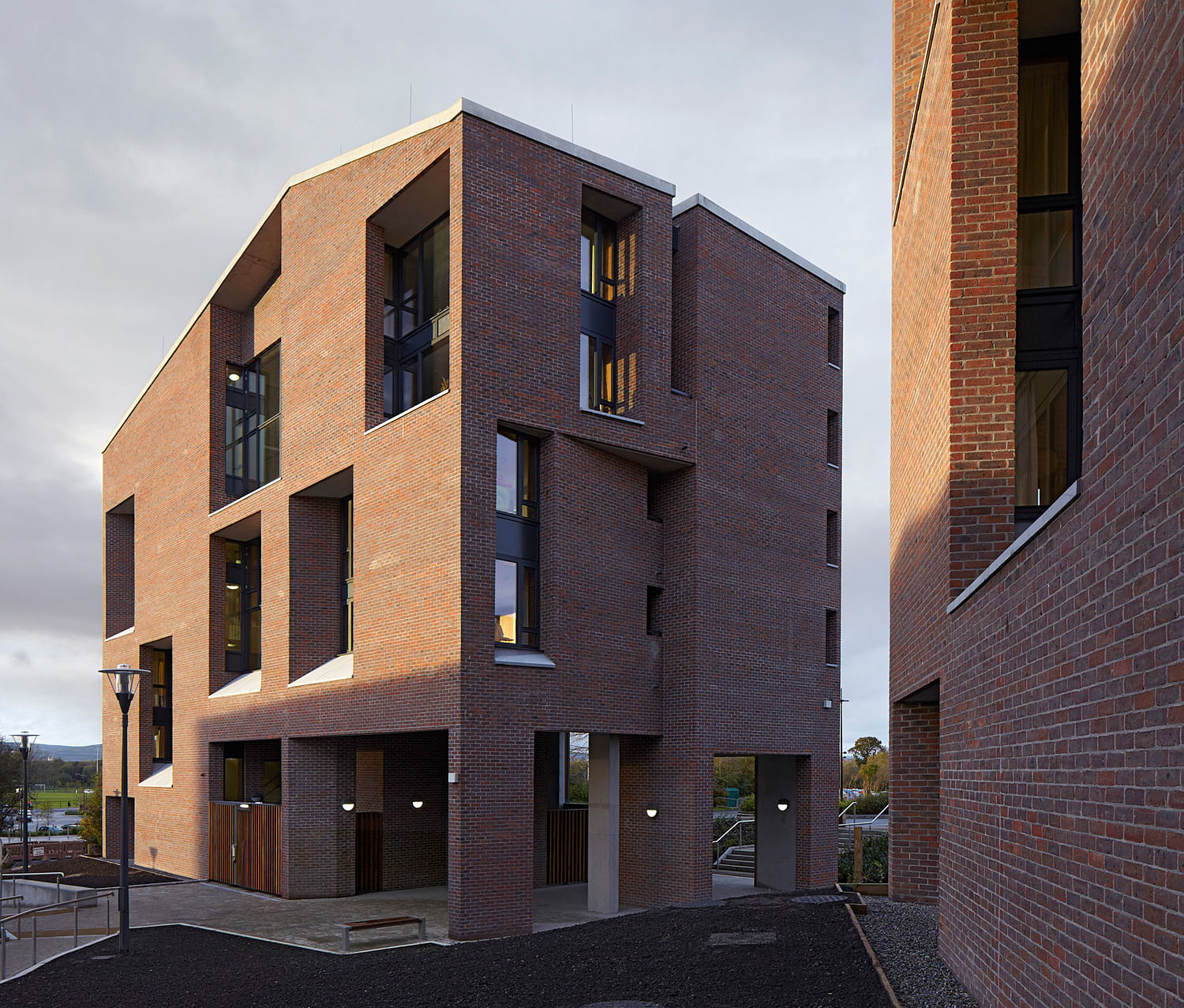
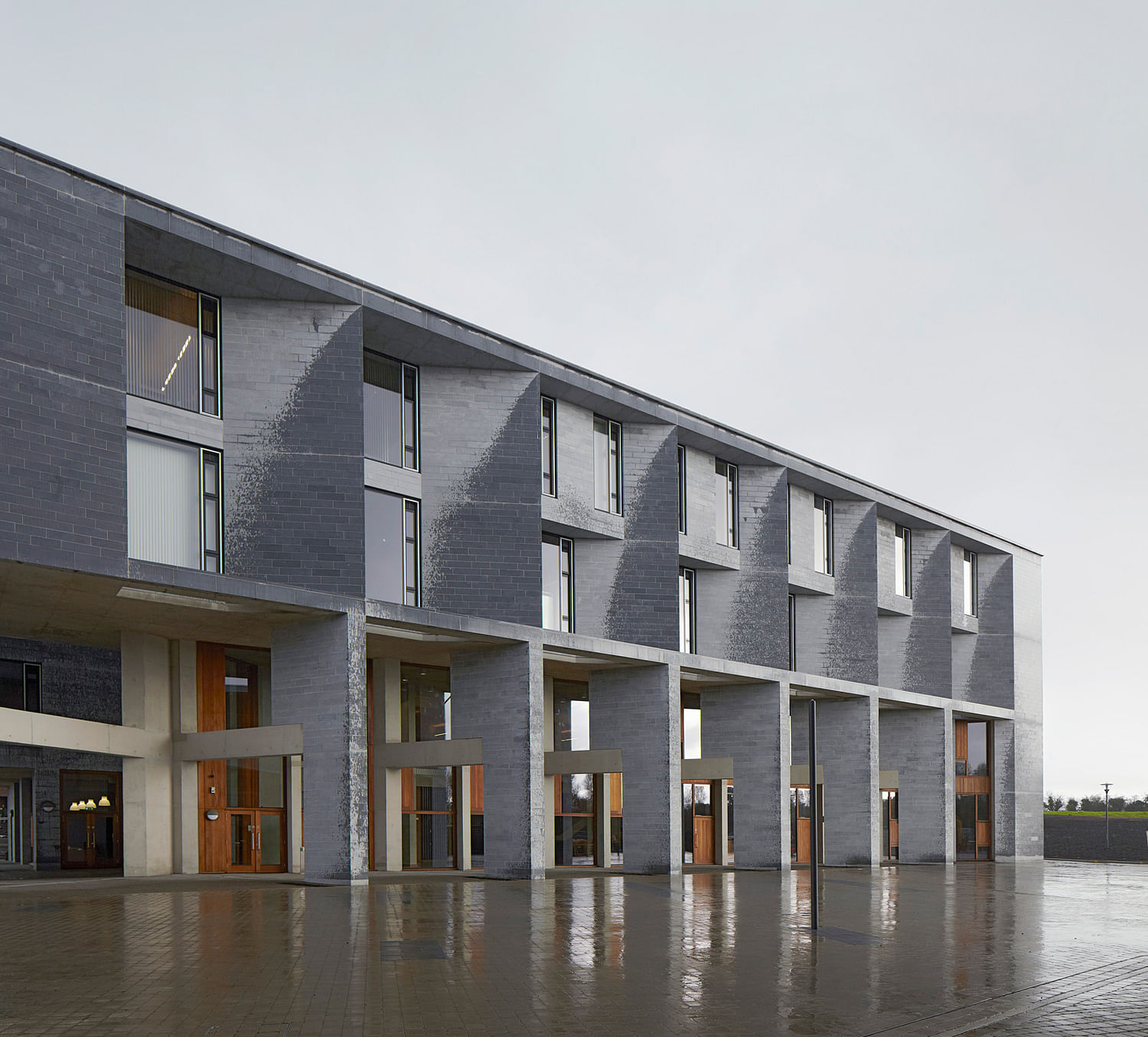
University of Limerick Medical School by Grafton Architects; Photo: Dennis Gilbert
University of Limerick Medical School by Grafton Architects

Newhall Be, Harlow by Alison Brooks Architects

The 84 unit Newhall Be scheme demonstrates the added value that good architects can bring to the thorny problem of housing people outside our major cities. ABA have worked with housing developer Galliford Try and persuaded them that investing in quality adds to their bottom line.

By halving the size of the gardens – creating roof terraces in total equaling the land ‘lost’ - the architects managed to get an extra six houses on to the development. This paid for extras such as full-height windows, dedicated studies and convertible roof space, things which don’t feature in the standard house builders’ products.

The 10.5m x 9.5m plot size for the courtyard houses, which predominate, is a clever manipulation of internal/external space, incorporating simple effective moves such as the gentle angling of the flank walls and balconies to avoid overlooking.

The overall scheme raises the bar for suburban housing developments that – if emulated could and should have a significant impact on development across the country.

This is a fine achievement in its own right. In the context of much of the UK’s new housebuilding it is truly exceptional.
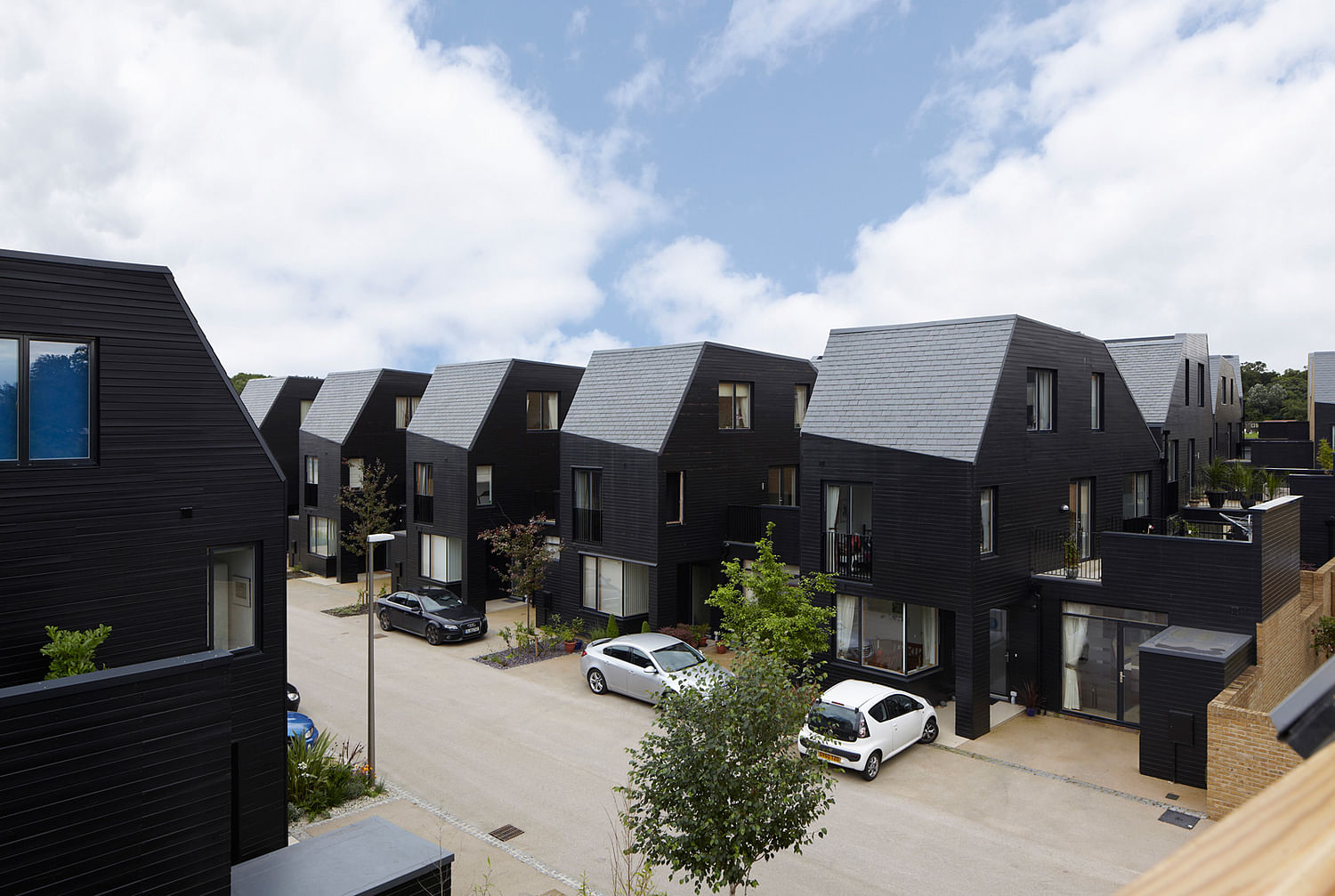
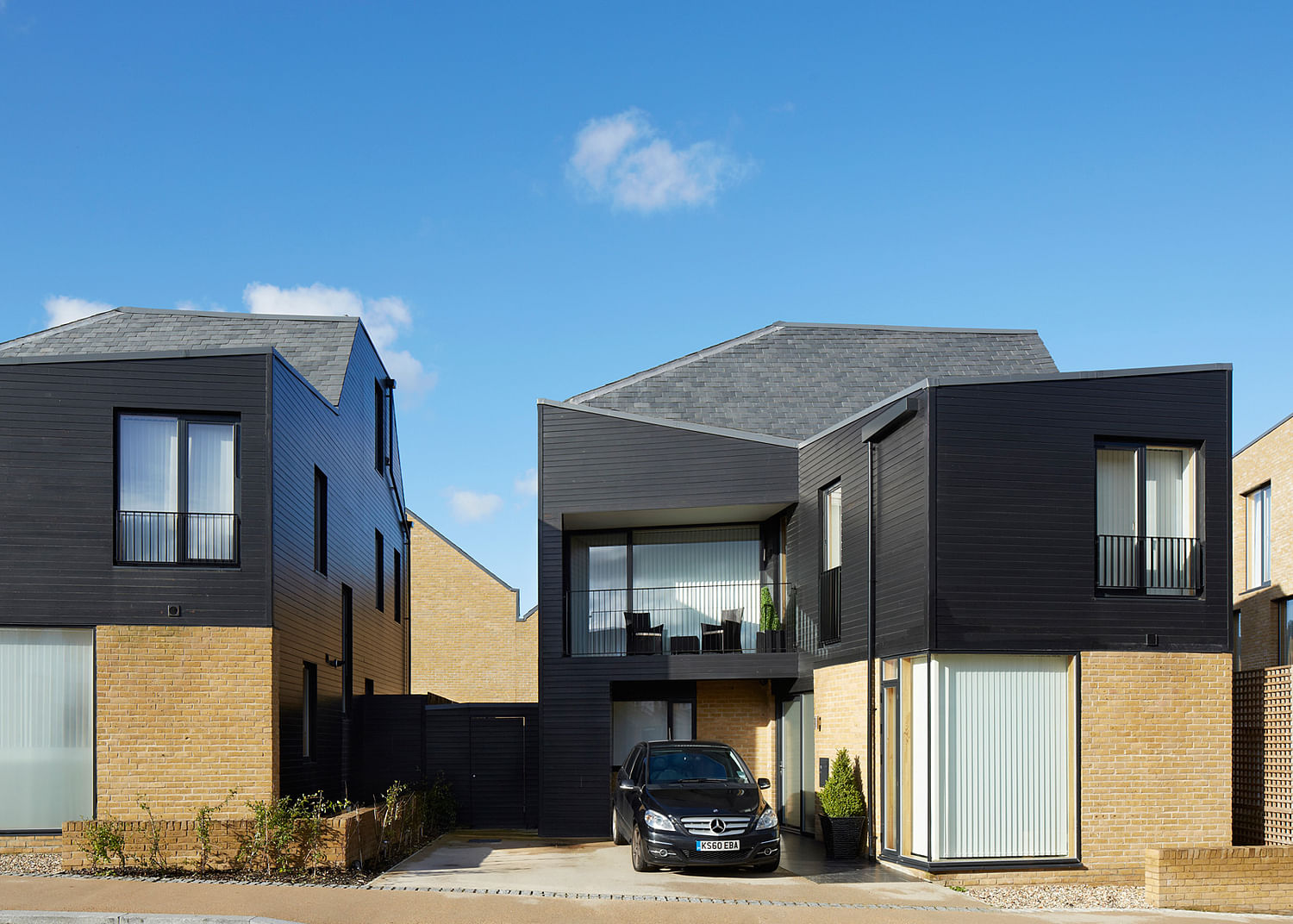
Newhall Be, Harlow by Alison Brooks Architects; Photo: Paul Riddle

Angela Brady, RIBA President, said: "The RIBA Stirling Prize is awarded to the building that has made the biggest contribution to the evolution of architecture, and nowhere is the need for fresh-thinking needed more than in housing. The UK is blighted with unimaginative, poor quality houses that people don’t want to live in but have little other choice, so I am delighted to see two amazing and highly original housing projects on this year’s shortlist. These projects show how when talented architects and clients work together and focus on quality, affordable and desirable new homes can be created. They shine a light on what the future of UK housing can be.

All six shortlisted projects are ground-breaking in their own way – buildings that deliver more than could ever have been expected. Some of them, such as Park Hill and the Giant’s Causeway Visitor Centre, are genuinely courageous in laying out a new visionary approach.

This RIBA Stirling Prize shortlist is sending out the clear message that creative vision improves our lives."

The 2013 RIBA Stirling Prize judges who will visit the six shortlisted buildings and meet for a final time on the day of the presentation to pick the winner are: Stephen Hodder – architect and RIBA President Elect (President: 09/01/13; Sheila O’Donnell - architect, O’Donnell + Tuomey; Paul Williams - architect, Stanton Williams; Dame Vivien Duffield – philanthropist and Chair of the Clore Duffield Foundation; and Tom Dyckhoff – journalist and broadcaster.

Previous winners of the RIBA Stirling Prize include: Sainsbury Laboratory by Stanton Williams (2012); Evelyn Grace Academy (2011) and MAXXI Museum, Rome (2010) both by Zaha Hadid Architects; Maggie’s Center at Charing Cross Hospital, London by Rogers Stirk Harbour + Partners (2009); Accordia housing development by Feilden Clegg Bradley Studios/Alison Brooks Architects/Maccreanor Lavington (2008); The Museum of Modern Literature, Marbach am Neckar, Germany by David Chipperfield Architects (2007).

Share

  • Follow

    0 Comments

  • Comment as :

Archinect JobsArchinect Jobs

The Archinect Job Board attracts the world's top architectural design talents.

VIEW ALL JOBS POST A JOB

Project Designer / Job Captain

Solutions Architecture Corp

Project Designer / Job Captain

Verona, NJ, US

Registered Architect

Advantage Point Group, Inc.

Registered Architect

Saint Paul, MN, US

Intermediate Architect

IMC Architecture

Intermediate Architect

Brooklyn, NY, US

Project Designer (3-5 years)

Edmonds + Lee Architects

Project Designer (3-5 years)

San Francisco, CA, US

Job Captain (3-5 years experience)

Evan Raabe Architecture Studio

Job Captain (3-5 years experience)

Los Angeles, CA, US

Project Architect LA & NYC

Montalba Architects, Inc.

Project Architect LA & NYC

Los Angeles, CA, US

Job Captain

Field Architecture

Job Captain

Palo Alto, CA, US

Intermediate Architect (Advanced Revit User)

O'Neil Langan Architects

Intermediate Architect (Advanced Revit User)

New York, NY, US

Architectural Project Manager - Multifamily

DAHLIN ARCHITECTURE | PLANNING | INTERIORS

Architectural Project Manager - Multifamily

Irvine, CA, US

Intermediate Architect

FROM Architecture DPC

Intermediate Architect

New York, NY, US

Next page » Loading