• Login / Join
  • About
  • •
  • Contact
  • •
  • Advertising
bustler logo
bustler logo
  • News
  • Competitions
  • Events
  • Bustler is powered by Archinect
  • Sign up for Bustler's Email Newsletters

  • Follow these Bustler feeds:

  • Search

    Search in

  • Submit

    What are you submitting?

    News Pitch
    Competition
    Event
  • Login / Join
  • News|Competitions|Events
  • Search
    | Submit
    | Follow
  • Search in

    What are you submitting?

    News Pitch
    Competition
    Event

    Follow these Bustler feeds:

  • About|Contact|Advertising
  • Login / Join

Four sustainable designs win latest Cradle to Cradle Product Design Challenge

By Justine Testado|

Tuesday, Jun 28, 2016
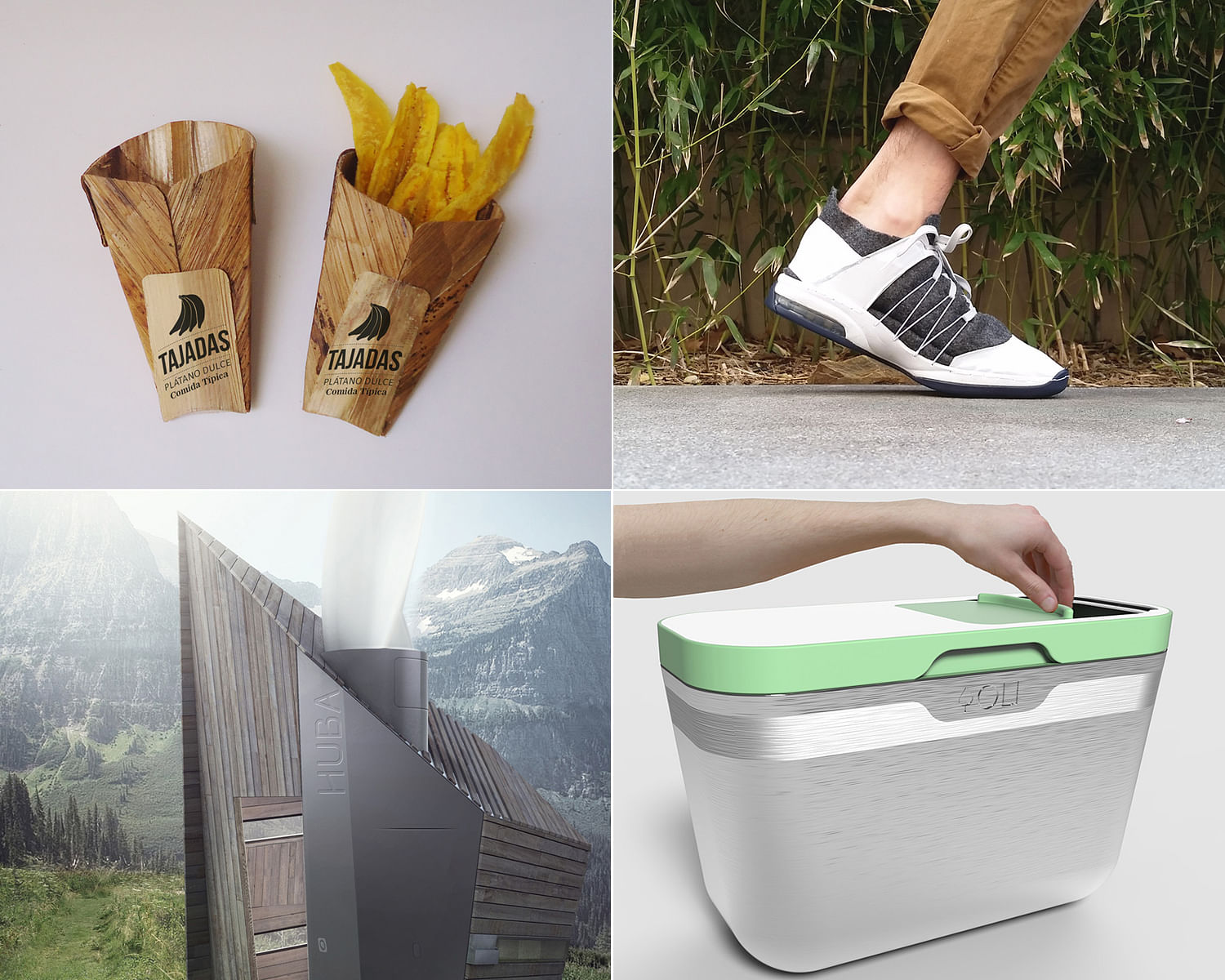
Cradle to Cradle already concluded the Spring 2016 edition of their Product Design Challenge. First launched last year in collaboration with Autodesk, the competition encourages young designers to continuously rethink and reinvent everyday design through sustainable, innovative practices.

This edition reeled in 79 entries from 138 design professionals and students based in 19 countries. In tandem with Cradle to Cradle's core principles of sustainability and working toward a circular economy, participants were required to design products made of materials that can safely return to nature or be reused for industrial purposes. After completing a free 2-hour, online course "Designing Cradle to Cradle Certified Products for the Circular Economy", entrants submitted their designs to four categories: Best Student Project, Best Professional Project, Best Use of Aluminum, and Best Use of Autodesk Fusion 360 Software.

The competition concluded with four category winners, who each created four very distinct innovative designs. Winners also each received a US$2,000 cash prize.

Check out the projects below.

Best Professional Project: Banana Stem Fiber Packaging by Brayan Stiven Pabón Gómez and Rafael Ricardo Moreno Boada
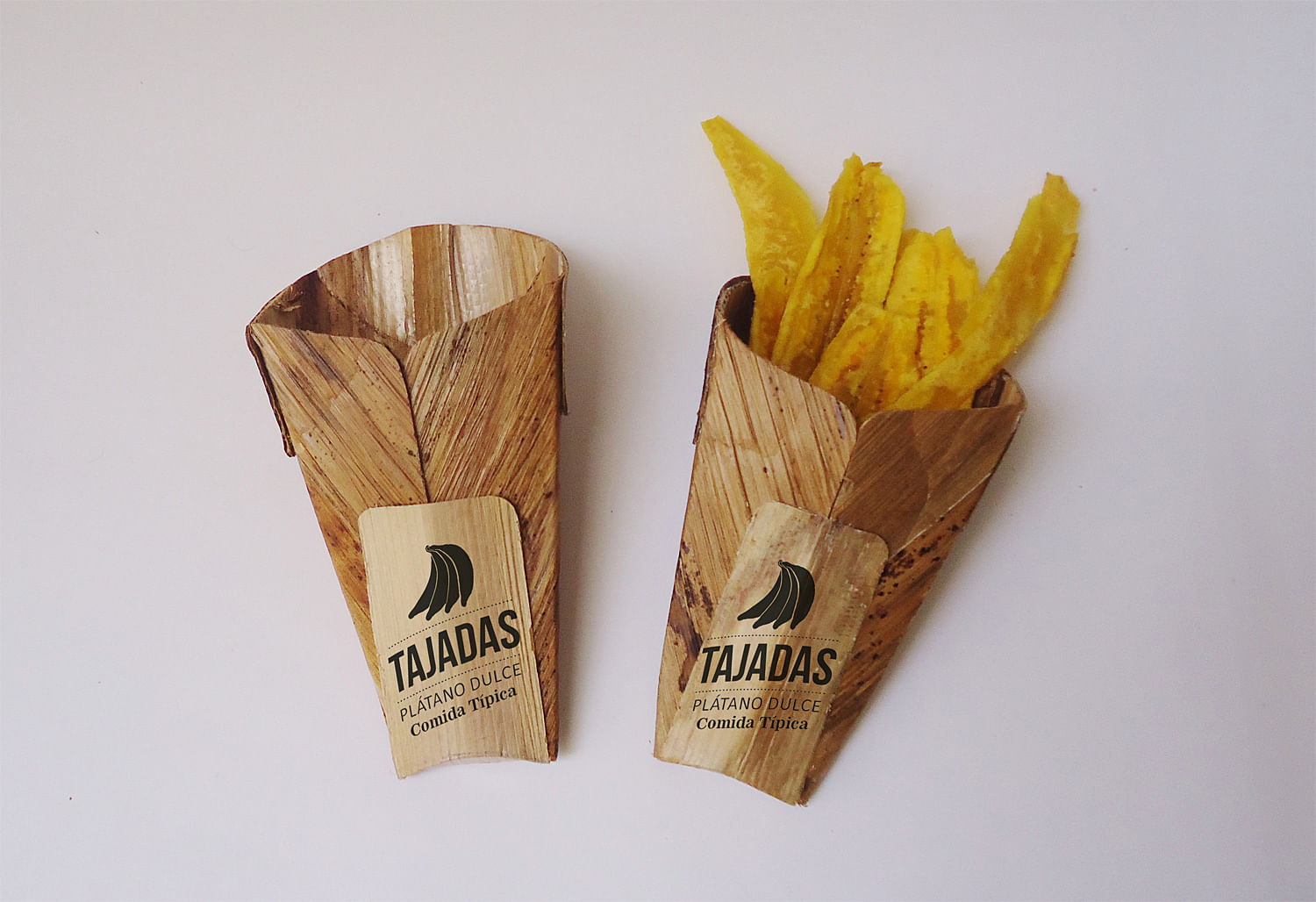
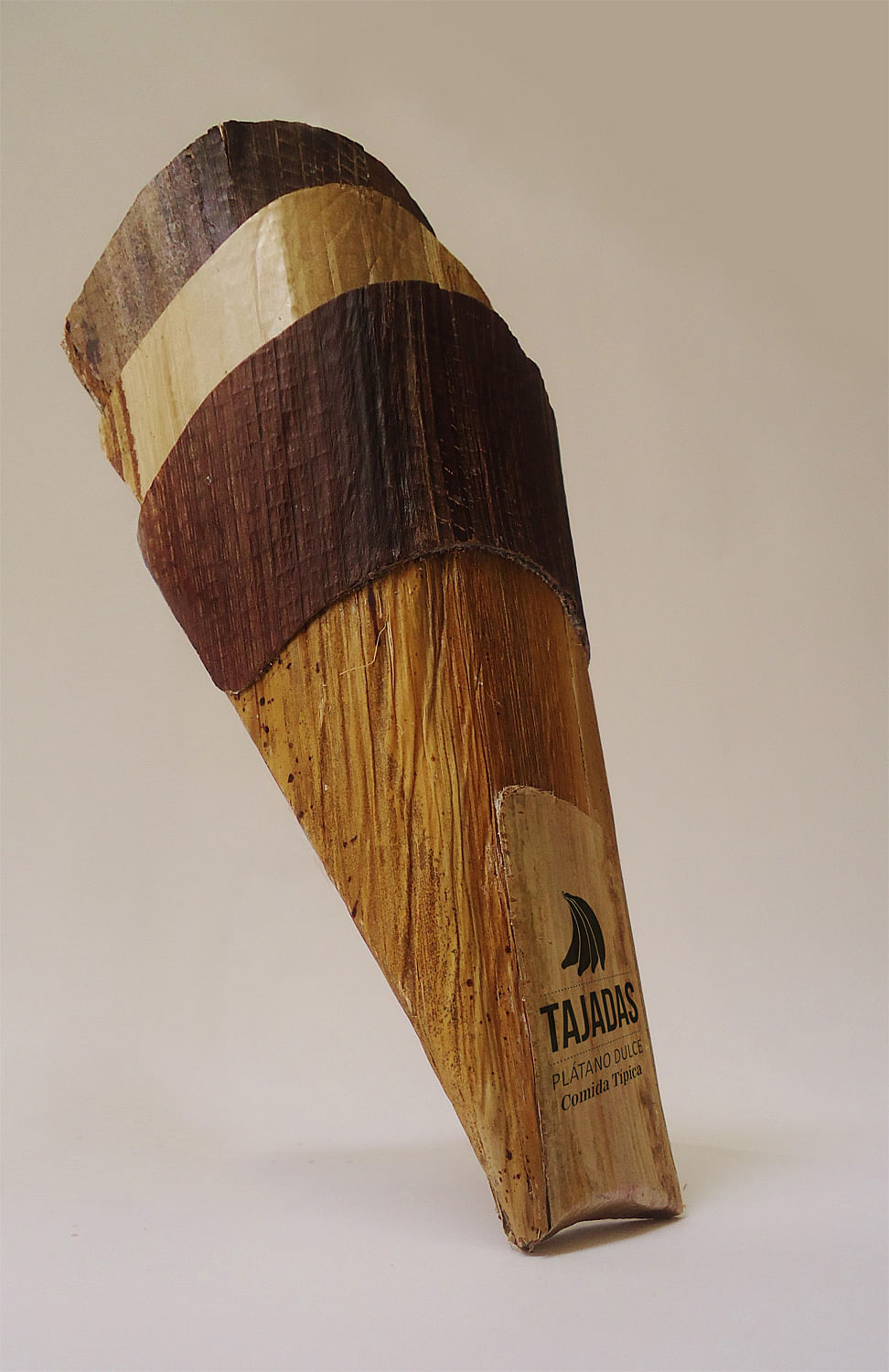
​Best Professional Project: Banana Stem Fiber Packaging​ by Brayan Stiven Pabón Gómez and Rafael Ricardo Moreno Boada​

Project summary: “Colombian designers Brayan Stiven Pabón Gómez and Rafael Ricardo Moreno Boada developed Banana Stem Fiber Packaging to transform a geographically abundant material into sustainable food packaging. Bananas are farmed across several regions of Colombia, yet farmers currently perceive banana stem fiber (extracted as part of routine crop maintenance) as waste. Drawing upon traditional food preparation methods, Banana Stem Fiber Packaging offers a sustainable alternative to plastic and paper food packaging, along with the potential to generate sustainable economic development in farming communities.”

More project info

Best Student Project: MODS by Quang Pham
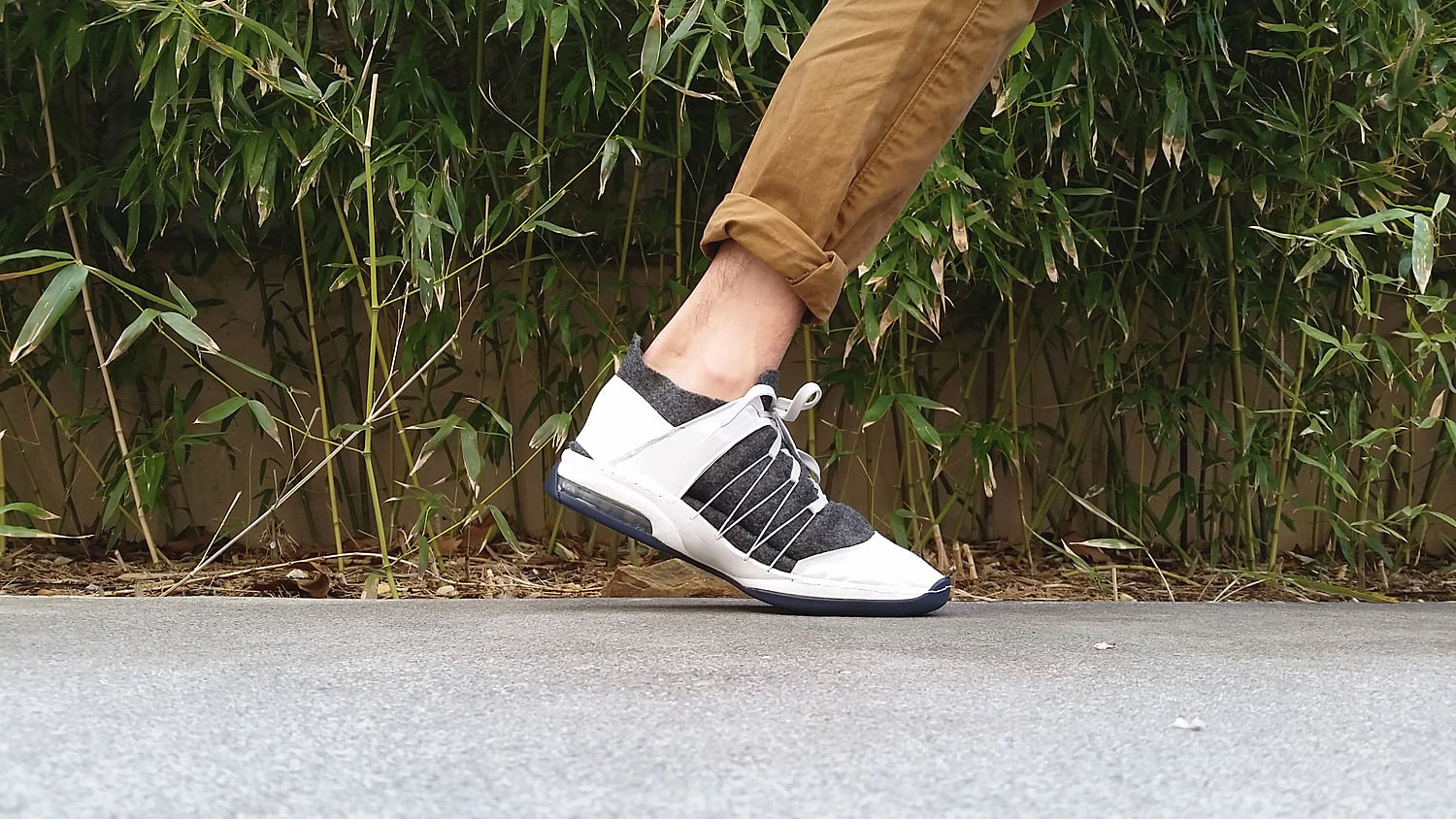
Best Student Project: MODS by Quang Pham
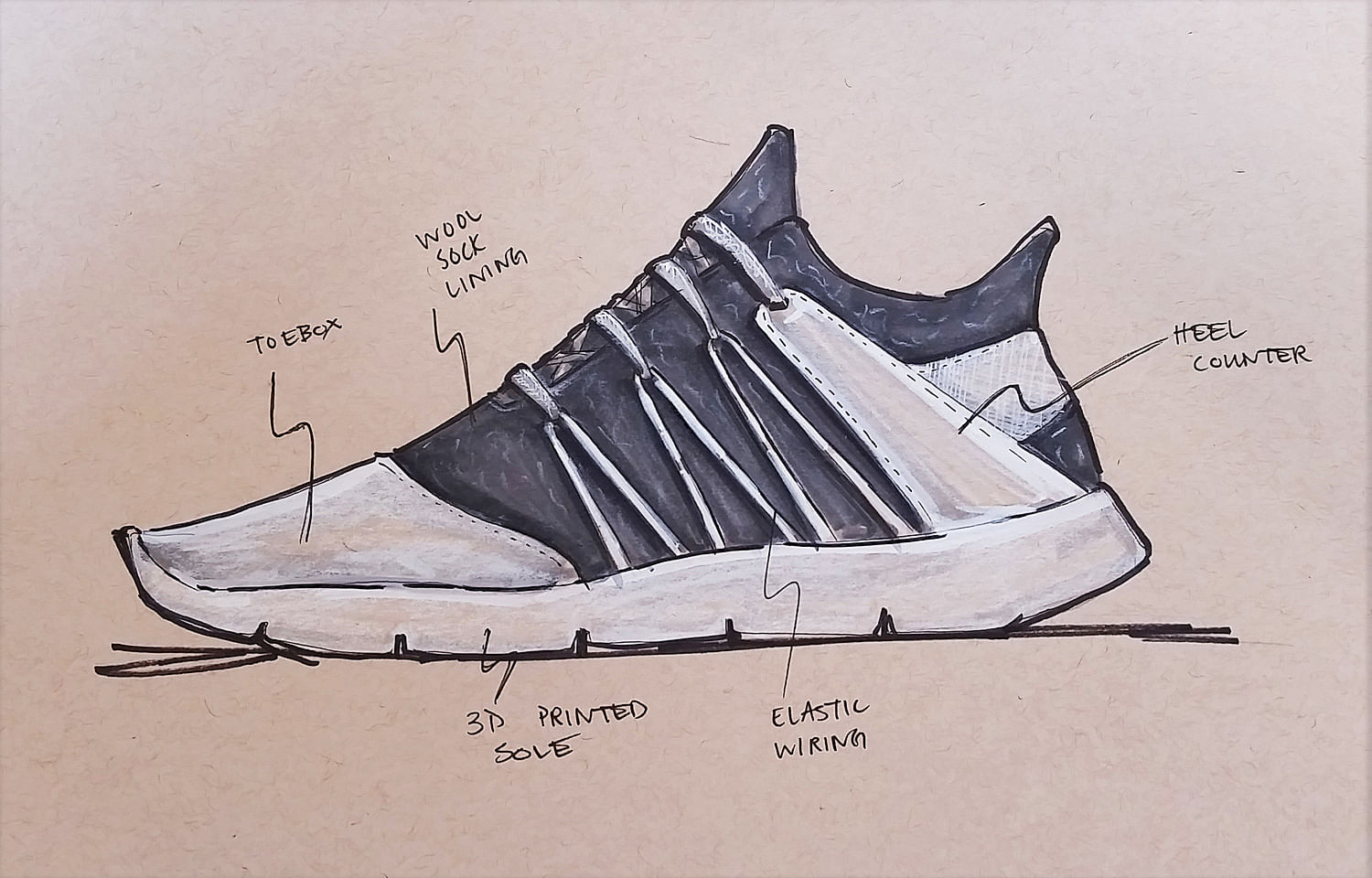

Project summary: “Quang Pham, a student at Virginia Tech, created MODS, a modular shoe, in response to the millions of pairs of shoes that end up in landfills each year, where they can take 30-40 years to decompose. MODS shoes can be customized and updated as the shoe deteriorates without using glue. Made with bamboo and wool textiles and recycled PET fiber, MODS consist of 5 modular units that use the minimal amount of material needed for maximum comfort and security while giving the user full control of the shoe’s aesthetic and functionality.”

More project info

Best Use of Aluminum: Huba by Malgorzata Blachnicka & Michal Holcer
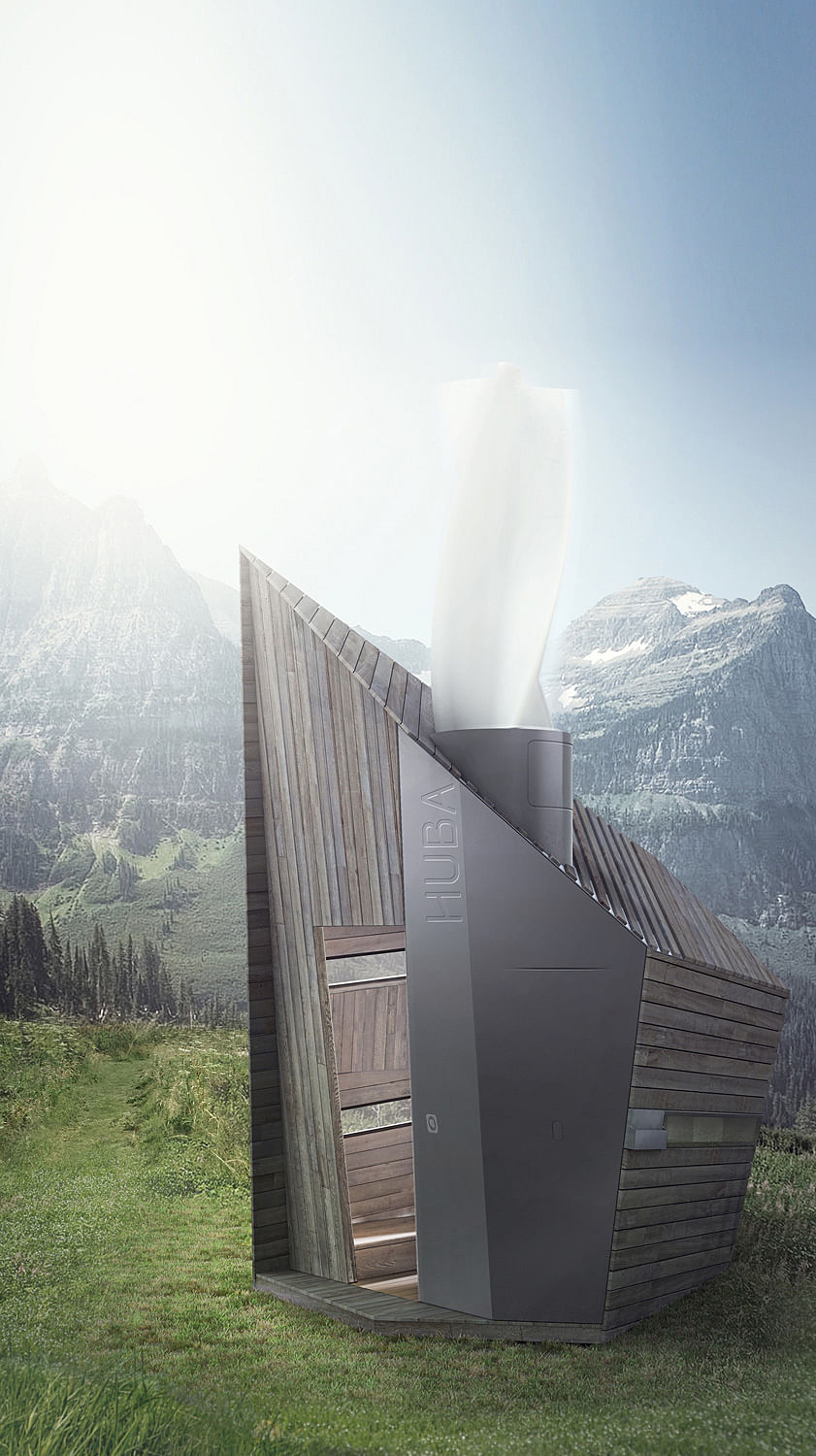
Best Use of Aluminum: Huba by Malgorzata Blachnicka & Michal Holcer
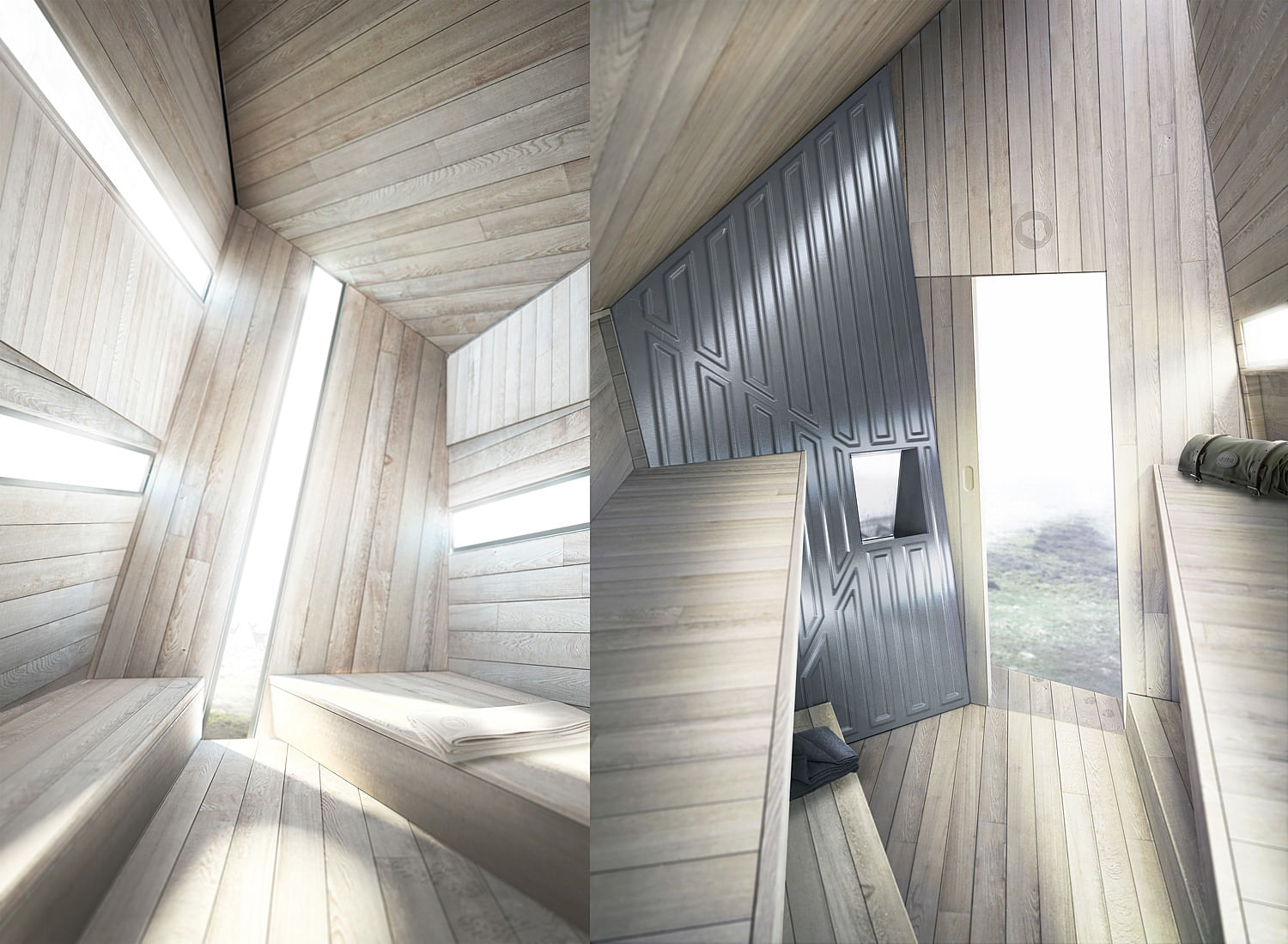

Project summary: “Developed by designers Malgorzata Blachnicka & Michal Holcer, Huba is a self-sufficient, compact mountain shelter that is able to generate its own energy. Chosen for being well-designed and a functional use of sustainable materials, Huba also offers a potential solution for other housing applications, including helping homeless populations or the provision of emergency shelter. Huba’s design is based on traditional alpine architecture, with its small size and choice of materials aimed at minimizing its impact on the environment. Intended to be located above 1000m, the shelter is equipped with an effective vertical wind turbine. The energy produced by the generator is stored within a battery and is used to supply the building’s heating, lighting and water pump. Specially arranged roof tiles enable rainwater to easily be collected within the tank, which is then filtered and safe for drinking.”

More project info

Best Use of Fusion 360: OLI by Claire Davis
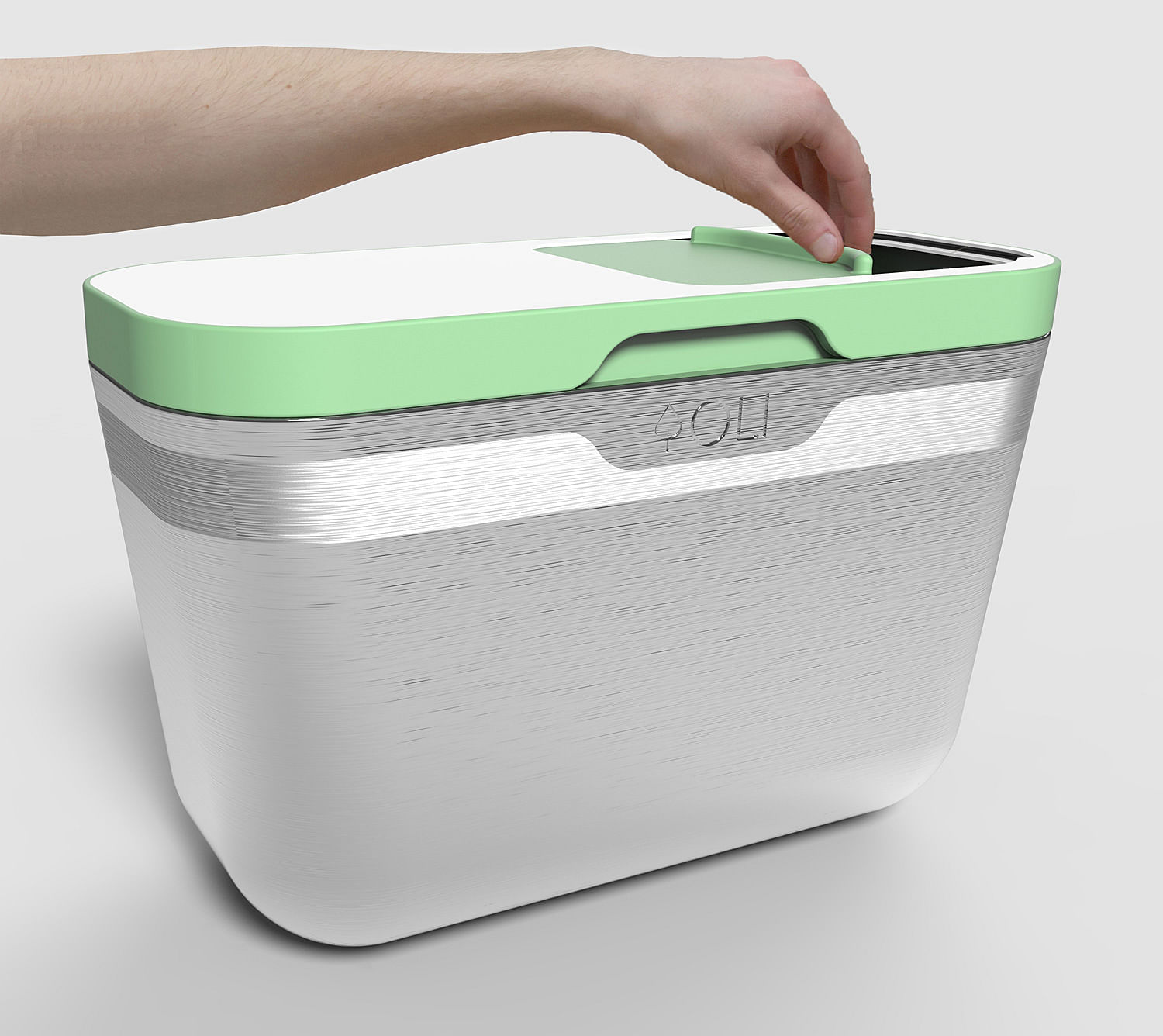
Best Use of Fusion 360: OLI by Claire Davis
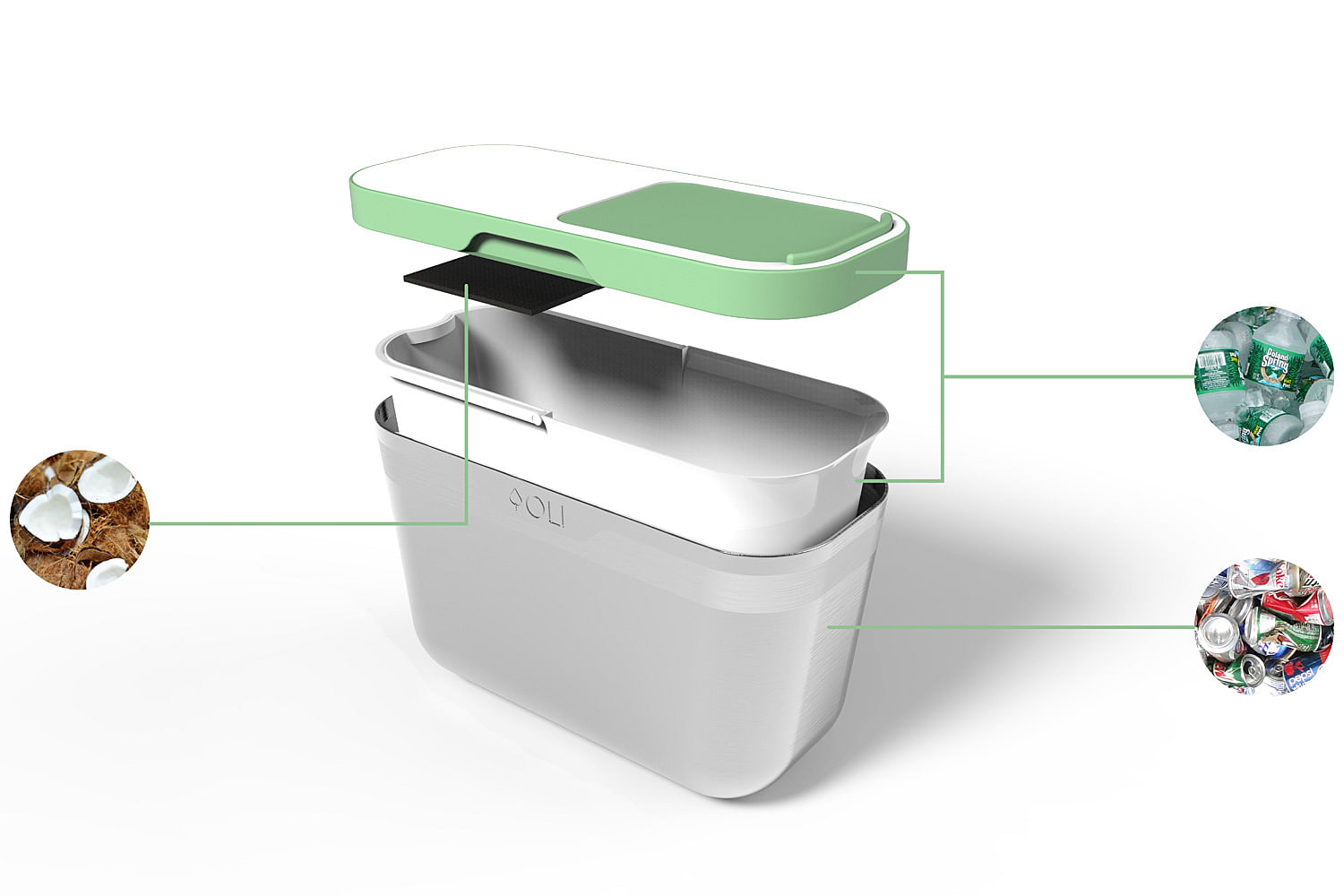

Project summary: “Created by Virginia Tech student Claire Davis, OLI is a convenient, elegant and intelligent solution for food waste. Exemplary for its adept use of Fusion 360’s direct modeling functionality (which enables the rapid development of manufacturable product), OLI highlights the value of minimizing biological waste (food), as well as the reduction of material waste through its considered approach to the product system and design for disassembly. With 474 pounds of food waste generated by every household per year on average, OLI offers a practical solution to increasing the percentage of our landfill waste that is composted and returned to cycle in the biosphere.”

More project info

Check out previous winners in the links right below.

RELATED NEWS Cradle to Cradle announces winners of second Product Design Challenge
RELATED NEWS Emerging designers win in inaugural Cradle to Cradle Product Design Challenge

Related

cradle to cradle ● product design ● competition ● materials ● sustainability ● sustainable design ● reuse

Share

  • Follow

    0 Comments

  • Comment as :

Four sustainable designs win latest Cradle to Cradle Product Design Challenge

World’s most beautiful airports of 2026 chosen by Prix Versailles

New architecture and design competitions: Brick in Architecture Awards, Study Architecture Student Showcase, N.Y.C. Groceries, and New York High Falls Riverfront Market

SmithGroup’s ‘pioneering’ Philip Merrill Environmental Center wins AIA Twenty-five Year Award

Sponsored Post by Buildner

Museum of Emotions / Edition #8 FINAL registration deadline is in 5 DAYS!

Here are the winners of the 2026 AIA Architecture Awards

40 emerging architects and designers under 40 from Europe honored

Northwestern University selects 12-firm longlist to design new engineering building

New architecture and design competitions: Exploring 130 Years of American Design, Christo & Jeanne-Claude Center, 13 White Houses, and La Pyramide

Sign up for Bustler's Email Newsletters

Micro-architecture honored in latest Tiny House Architecture Competition

World’s most beautiful restaurants of 2026 chosen by Prix Versailles

Sponsored Post by Buildner

Design a wine tasting room in Italy! Valli Wine Tasting Room is launched!

10 can't-miss architecture & design events to see this June in London, Los Angeles, Chicago, San Francisco, Detroit, San Diego, Porto, and Barcelona

Sponsored Post by Buildner

Museum of Emotions / Edition #8 FINAL registration deadline is approaching!

Seven global projects make AR Public Awards shortlist 2026

Sponsored Post by Buildner

Design a slow-living restaurant in Portugal! Portugal Long Table Restaurant is launched!

Next page » Loading

Four sustainable designs win latest Cradle to Cradle Product Design Challenge

By Justine Testado|

Tuesday, Jun 28, 2016

Share

Related

cradle to cradle ● product design ● competition ● materials ● sustainability ● sustainable design ● reuse

Cradle to Cradle already concluded the Spring 2016 edition of their Product Design Challenge. First launched last year in collaboration with Autodesk, the competition encourages young designers to continuously rethink and reinvent everyday design through sustainable, innovative practices.

This edition reeled in 79 entries from 138 design professionals and students based in 19 countries. In tandem with Cradle to Cradle's core principles of sustainability and working toward a circular economy, participants were required to design products made of materials that can safely return to nature or be reused for industrial purposes. After completing a free 2-hour, online course "Designing Cradle to Cradle Certified Products for the Circular Economy", entrants submitted their designs to four categories: Best Student Project, Best Professional Project, Best Use of Aluminum, and Best Use of Autodesk Fusion 360 Software.

The competition concluded with four category winners, who each created four very distinct innovative designs. Winners also each received a US$2,000 cash prize.

Check out the projects below.

Best Professional Project: Banana Stem Fiber Packaging by Brayan Stiven Pabón Gómez and Rafael Ricardo Moreno Boada

​Best Professional Project: Banana Stem Fiber Packaging​ by Brayan Stiven Pabón Gómez and Rafael Ricardo Moreno Boada​

Project summary: “Colombian designers Brayan Stiven Pabón Gómez and Rafael Ricardo Moreno Boada developed Banana Stem Fiber Packaging to transform a geographically abundant material into sustainable food packaging. Bananas are farmed across several regions of Colombia, yet farmers currently perceive banana stem fiber (extracted as part of routine crop maintenance) as waste. Drawing upon traditional food preparation methods, Banana Stem Fiber Packaging offers a sustainable alternative to plastic and paper food packaging, along with the potential to generate sustainable economic development in farming communities.”

More project info

Best Student Project: MODS by Quang Pham

Best Student Project: MODS by Quang Pham

Project summary: “Quang Pham, a student at Virginia Tech, created MODS, a modular shoe, in response to the millions of pairs of shoes that end up in landfills each year, where they can take 30-40 years to decompose. MODS shoes can be customized and updated as the shoe deteriorates without using glue. Made with bamboo and wool textiles and recycled PET fiber, MODS consist of 5 modular units that use the minimal amount of material needed for maximum comfort and security while giving the user full control of the shoe’s aesthetic and functionality.”

More project info

Best Use of Aluminum: Huba by Malgorzata Blachnicka & Michal Holcer

Best Use of Aluminum: Huba by Malgorzata Blachnicka & Michal Holcer

Project summary: “Developed by designers Malgorzata Blachnicka & Michal Holcer, Huba is a self-sufficient, compact mountain shelter that is able to generate its own energy. Chosen for being well-designed and a functional use of sustainable materials, Huba also offers a potential solution for other housing applications, including helping homeless populations or the provision of emergency shelter. Huba’s design is based on traditional alpine architecture, with its small size and choice of materials aimed at minimizing its impact on the environment. Intended to be located above 1000m, the shelter is equipped with an effective vertical wind turbine. The energy produced by the generator is stored within a battery and is used to supply the building’s heating, lighting and water pump. Specially arranged roof tiles enable rainwater to easily be collected within the tank, which is then filtered and safe for drinking.”

More project info

Best Use of Fusion 360: OLI by Claire Davis

Best Use of Fusion 360: OLI by Claire Davis

Project summary: “Created by Virginia Tech student Claire Davis, OLI is a convenient, elegant and intelligent solution for food waste. Exemplary for its adept use of Fusion 360’s direct modeling functionality (which enables the rapid development of manufacturable product), OLI highlights the value of minimizing biological waste (food), as well as the reduction of material waste through its considered approach to the product system and design for disassembly. With 474 pounds of food waste generated by every household per year on average, OLI offers a practical solution to increasing the percentage of our landfill waste that is composted and returned to cycle in the biosphere.”

More project info

Check out previous winners in the links right below.

RELATED NEWS Cradle to Cradle announces winners of second Product Design Challenge
RELATED NEWS Emerging designers win in inaugural Cradle to Cradle Product Design Challenge

Share

  • Follow

    0 Comments

  • Comment as :

Archinect JobsArchinect Jobs

The Archinect Job Board attracts the world's top architectural design talents.

VIEW ALL JOBS POST A JOB

Architectural Designer (3-5 Years) - Commercial & Hospitality Focus

Pfeffer Torode Architecture

Architectural Designer (3-5 Years) - Commercial & Hospitality Focus

Nashville, TN, US

Architect / Architectural Designer (3-5 years experience)

Resolution: 4 Architecture

Architect / Architectural Designer (3-5 years experience)

New York, NY, US

Designer

HATCH ARCHITECTURE

Designer

Los Angeles, CA, US

Project Manager - Civic/Community

DAHLIN Architecture | Planning | Interiors

Project Manager - Civic/Community

Irvine, CA, US

Project Architect

Pickard Architects

Project Architect

Whittier, CA, US

Project Architect LA & NYC

Montalba Architects, Inc.

Project Architect LA & NYC

Los Angeles, CA, US

Architectural Designer, Residential

Roman and Williams Buildings and Interiors

Architectural Designer, Residential

New York, NY, US

Associate - Interior Designer

FitzGerald Associates Architects

Associate - Interior Designer

Chicago, IL, US

Project Manager/architect

MKNH Architects

Project Manager/architect

New York, NY, US

Intermediate Designer - 3+ Years Experience (NY)

Cass Calder Smith

Intermediate Designer - 3+ Years Experience (NY)

New York, NY, US

Next page » Loading