• Login / Join
  • About
  • •
  • Contact
  • •
  • Advertising
bustler logo
bustler logo
  • News
  • Competitions
  • Events
  • Bustler is powered by Archinect
  • Sign up for Bustler's Email Newsletters

  • Follow these Bustler feeds:

  • Search

    Search in

  • Submit

    What are you submitting?

    News Pitch
    Competition
    Event
  • Login / Join
  • News|Competitions|Events
  • Search
    | Submit
    | Follow
  • Search in

    What are you submitting?

    News Pitch
    Competition
    Event

    Follow these Bustler feeds:

  • About|Contact|Advertising
  • Login / Join
Tagged: aia tap innovation awards

Höweler + Yoon, Trahan Architects, California College of the Arts among 2019 AIA Innovation Award recipients

By Justine Testado|

Thursday, Nov 14, 2019
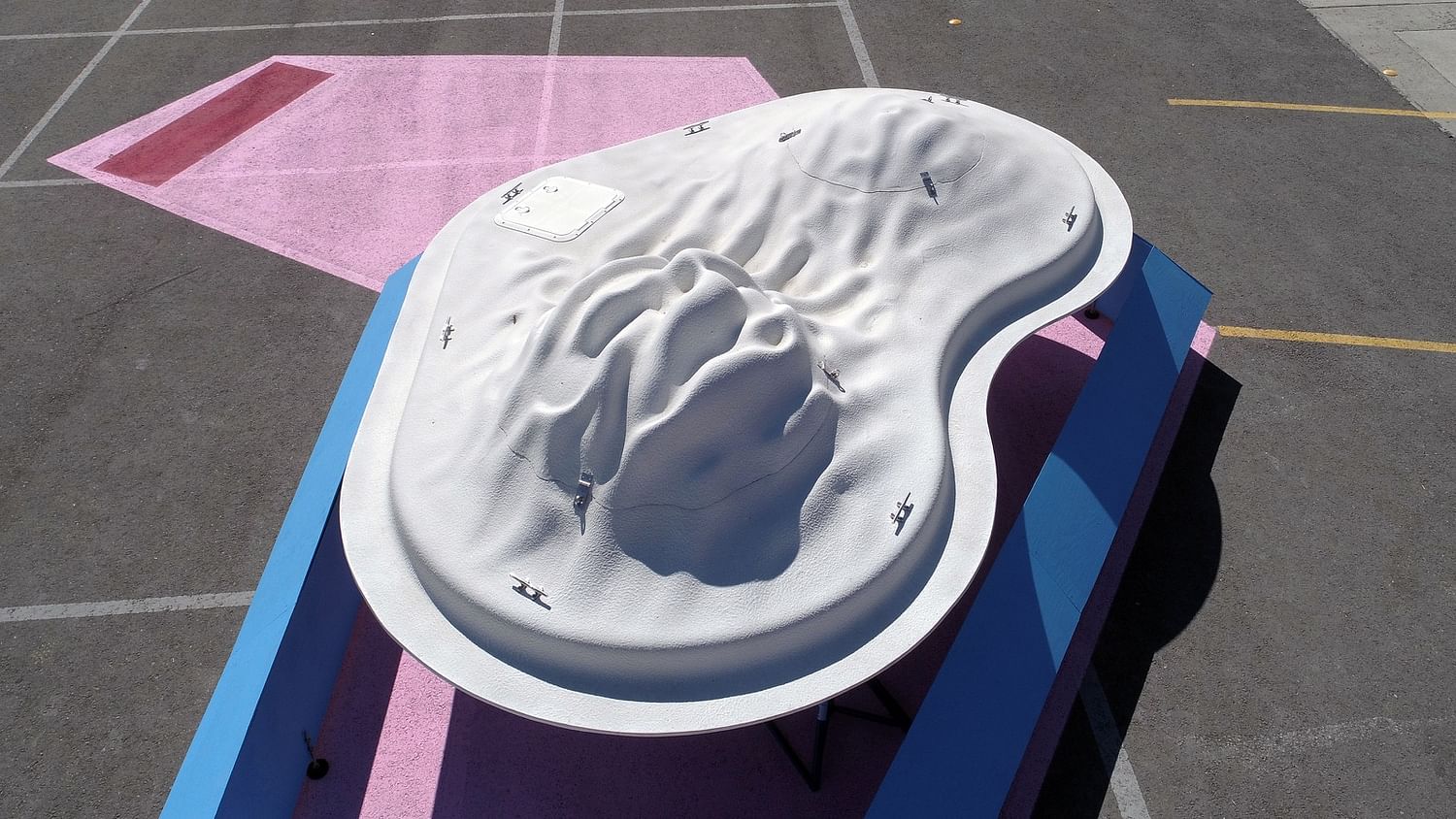
Buoyant Ecologies Float Lab by CCA Architectural Ecologies Lab. Photo: CCA Architectural Ecologies Lab.

Organized by the AIA's Technology in Architectural Practice (TAP) Knowledge Community, the Innovation Awards program highlights outstanding use and implementation of innovative technologies and forward-thinking practices among architects, designers, collaborators, and clients.

For the 2019 competition, a total of six projects were selected as winners in two categories:

Category A: Holistic Design
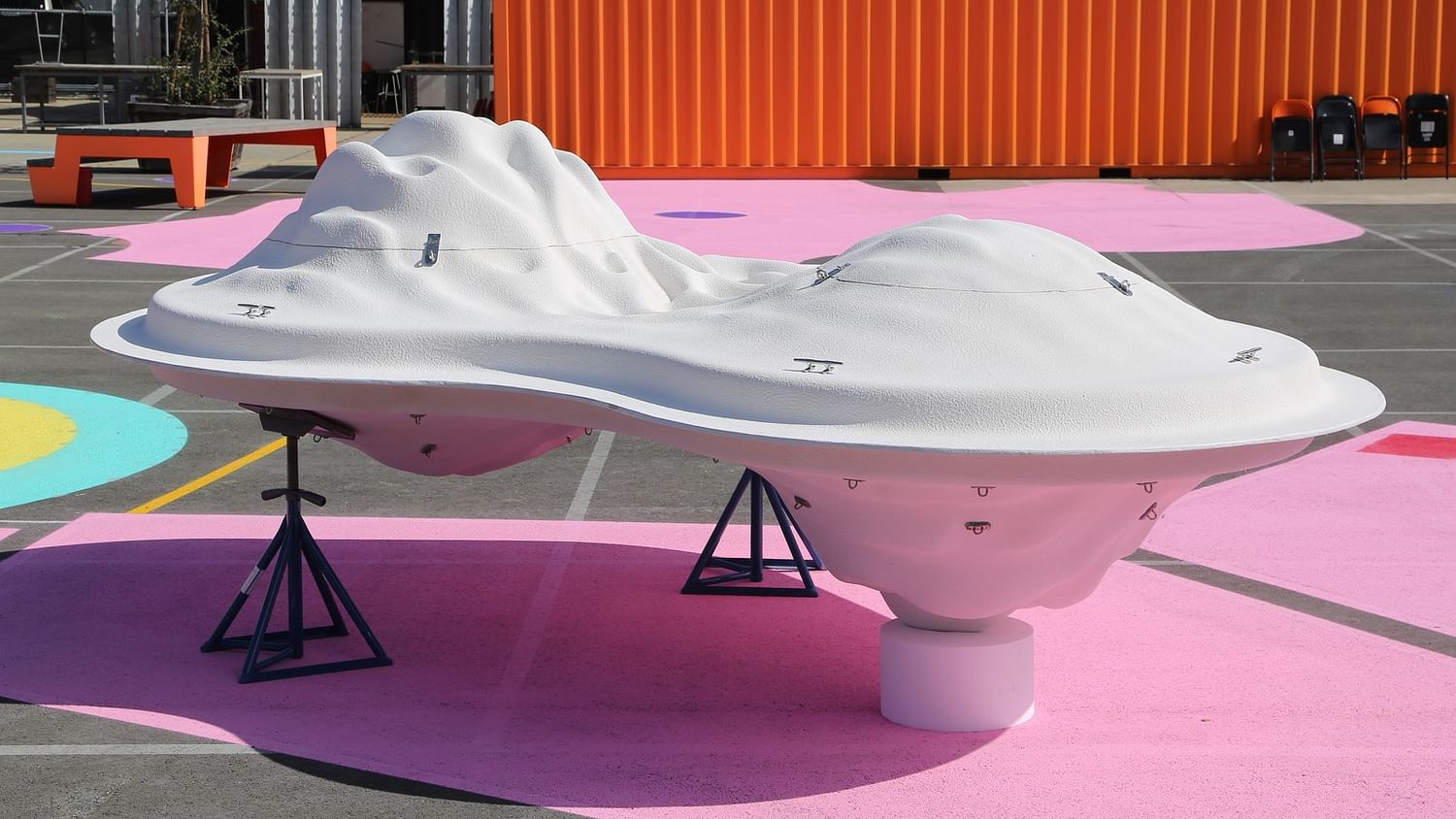
Buoyant Ecologies Float Lab by CCA Architectural Ecologies Lab. Photo: CCA Architectural Ecologies Lab.

Buoyant Ecologies Float Lab | CCA Architectural Ecologies Lab

Architect's statement: “The Float Lab builds upon three years of applied research, prototyping, and monitoring conducted by a collaborative team of architects, architecture students, marine ecologists, and composites manufacturers. As a research endeavor, the project facilitates productive feedback loops between design speculation, scientific knowledge, and advanced expertise in composites fabrication. The project began as an academic experiment seeking to expand architecture’s capacity to engage extra-disciplinary expertise and address one of the most pressing ecological challenges of our time. It has resulted in a robust multi-disciplinary partnership in which the outcomes would not be possible without the contributions of each partner. The project employs parametric modeling, file-to-factory workflows, and robotic fabrication to translate ecological performance criteria to logics of geometry, form, and material. The integrated, interdisciplinary approach streamlines the design and production processes, facilitating a direct link between empirical ecological research, digital fabrication, and material performance. A critical component of this process has been its emphasis on full-scale prototyping, which has provided important lessons in both ecological performance and fabrication limitations. The Float Lab will support the continuation of this process: attachment fittings on its underside will suspend future prototypes to further develop the wave attenuation potentials of the optimized substrate.”
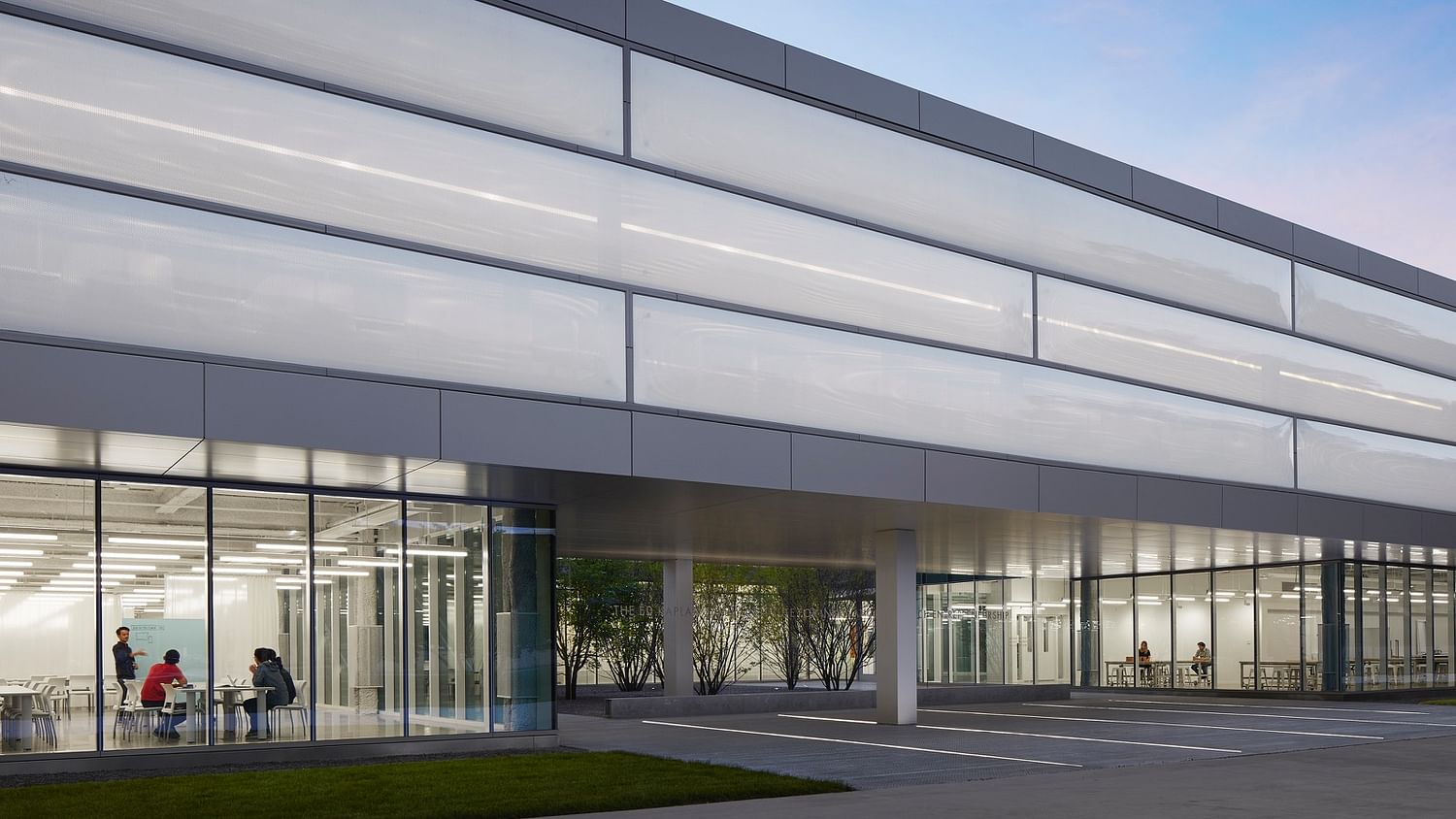
View looking west of IIT Innovation Center (Ed Kaplan Family Institute for Innovation and Tech Entrepreneurship), Chicago by John Ronan Architects. Photo © Steve Hall.

 IIT Innovation Center (Ed Kaplan Family Institute for Innovation and Tech Entrepreneurship), Chicago by John Ronan Architects

Architect's statement: “The building sector is responsible for 30 percent of global energy consumption, 35 percent of CO2 emissions and half of all landfill waste—we need to find a new way to build. The idea of the dynamic facade on the IIT Innovation Center, which responds to climate in real time by modulating the amount of incoming solar energy, is to make the architecture do more so that systems can do less. The design of the Innovation Center on the Mies campus at IIT is innovative in its own right, and forward-thinking in its approach to sustainability. The second floor of the building, which cantilevers over the ground floor to provide sun shading, is enclosed in a dynamic facade of ETFE foil cushions which can vary the amount of solar energy entering the building through sophisticated pneumatics.”

Category B: Development of Design or Design-Thinking 
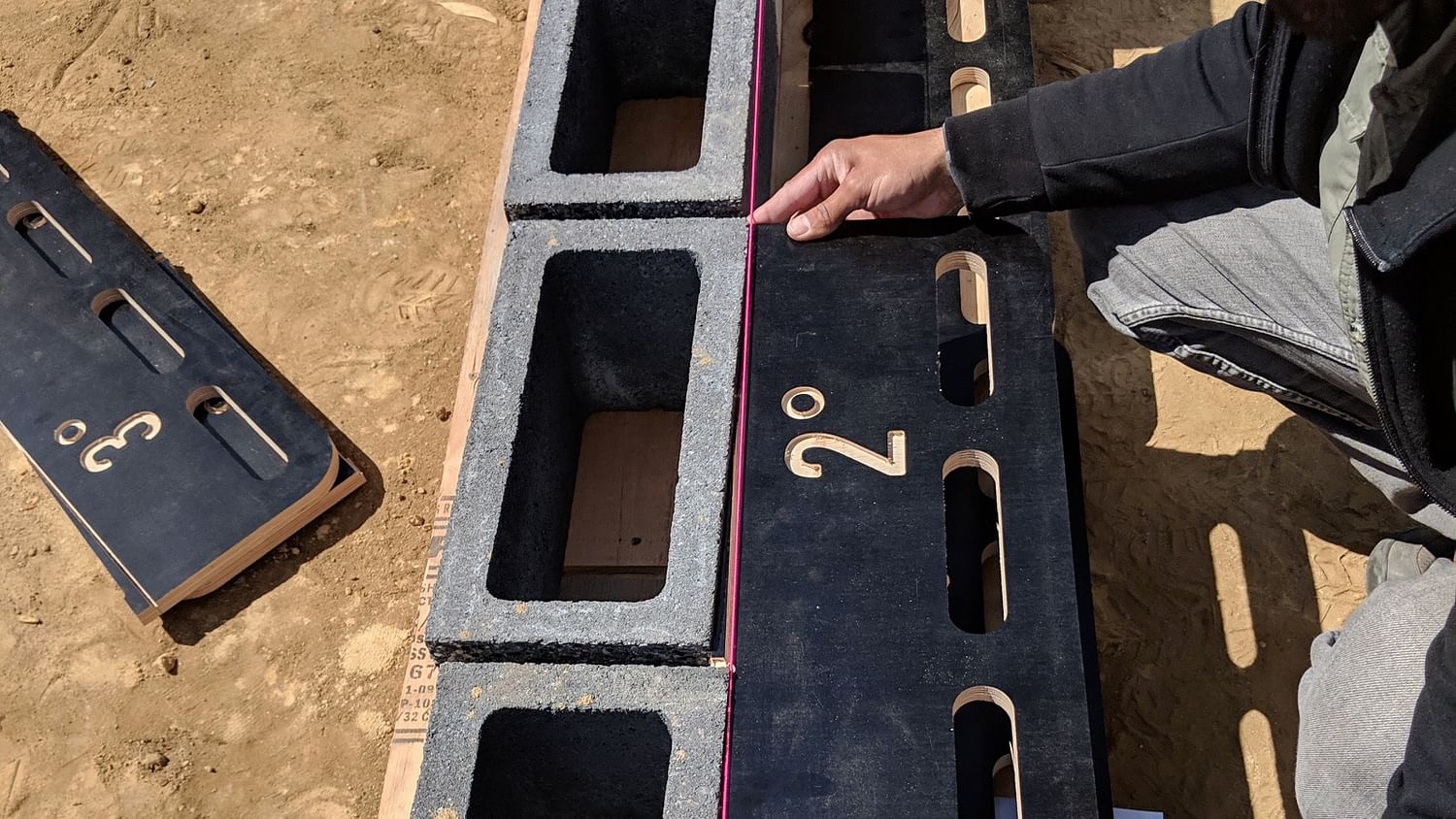
CNC-fabricated jigs in action, photo by Ehrlich Yanai Rhee Chaney Architects, 2019. © Ehrlich Yanai Rhee Chaney Architects.

Baxter Parametric CMU Wall, Los Angeles | Ehrlich Yanai Rhee Chaney Architects

Architect's statement: “The Baxter Parametric CMU Wall reflects our belief that good design can be transformative, regardless of the project's (or the material's) type and scale. In this case, we took a humble material and paired it up with advanced technology to give it new life. In fact, what used to be a humble material will become a dynamic feature in the project. Our curiosity to explore this material has led us to leverage a wide range of analog and digital tools and has required collaboration between many trades. Our roots in design exploration through making has also prompted us to collaborate closely with the contractor and the masons to develop and fabricate custom jigs for the construction process. It was a paradigm shifting process for all of us as we became more involved in each other's crafts and as we learned from each other. It is through this combination of collaborative attitude and curiosity that we believe how inspired environments will be made.”
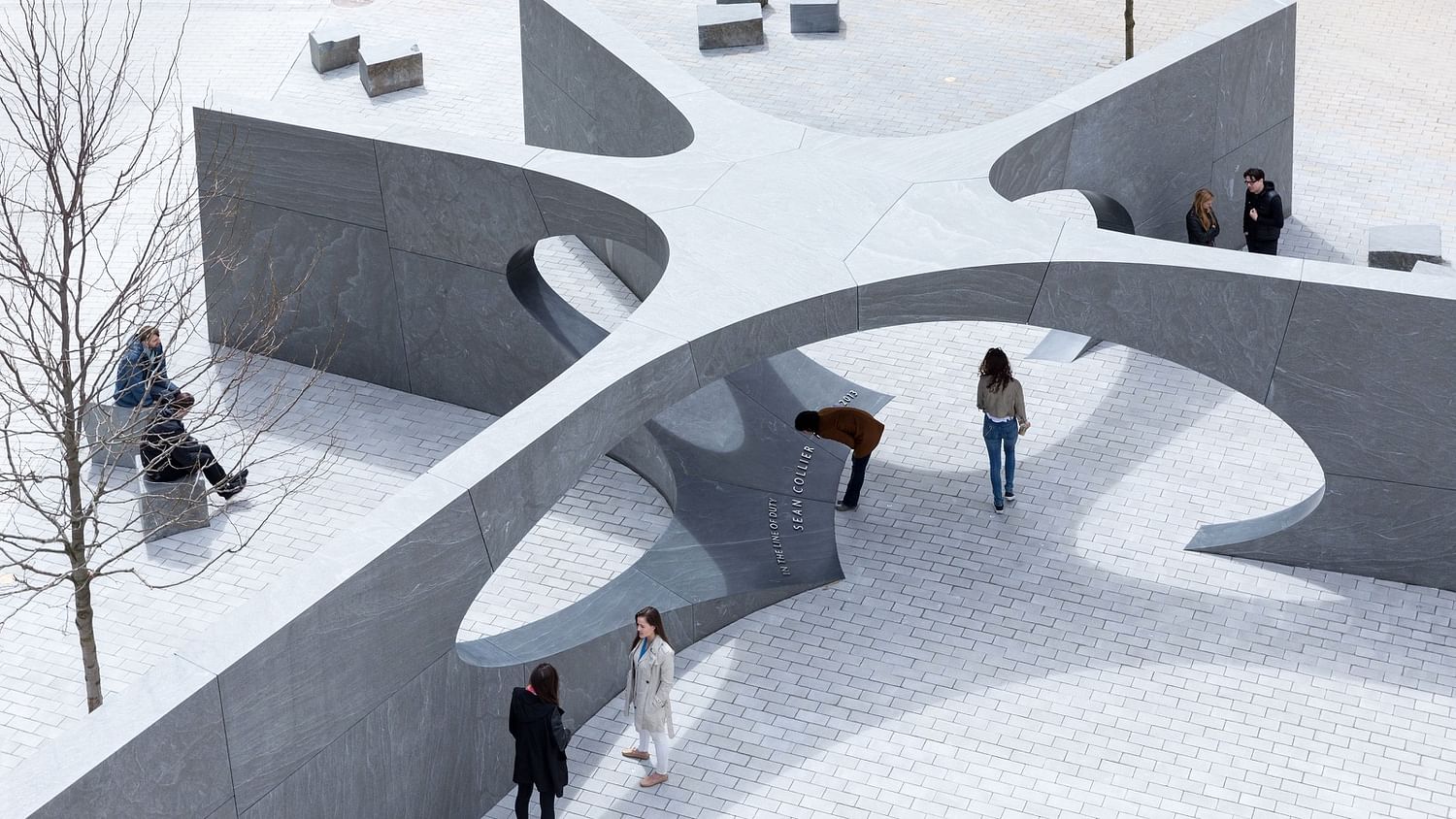
MIT Sean Collier Memorial, Boston | Höweler + Yoon Architecture. Photo © Iwan Baan.

MIT Sean Collier Memorial, Boston | Höweler + Yoon Architecture

Architect's statement: “A memorial is not a commission that I ever wanted. It marks a tragedy. In the face of fear and terrorism, what can a community do? It can gather and reflect and re-affirm our values of openness and diversity. The memorial offers a space of reflection. Its curvilinear form highlights a conspicuous absence at its center. It is clear that something is missing, almost like a pantomime, defining the edges of a missing center. The central void is also a room that unifies the five other rooms formed by the buttresses. It also offers a metaphor for diversity and openness. Each stone is different and unique, and they are all necessary to work together to stand. Strength, a term used after the bombing, as in Boston Strong or Collier Strong, is here translated into a structural form: a vault. It is a beautiful way to show the interconnectedness and co-dependency of individuals relative to a community.”
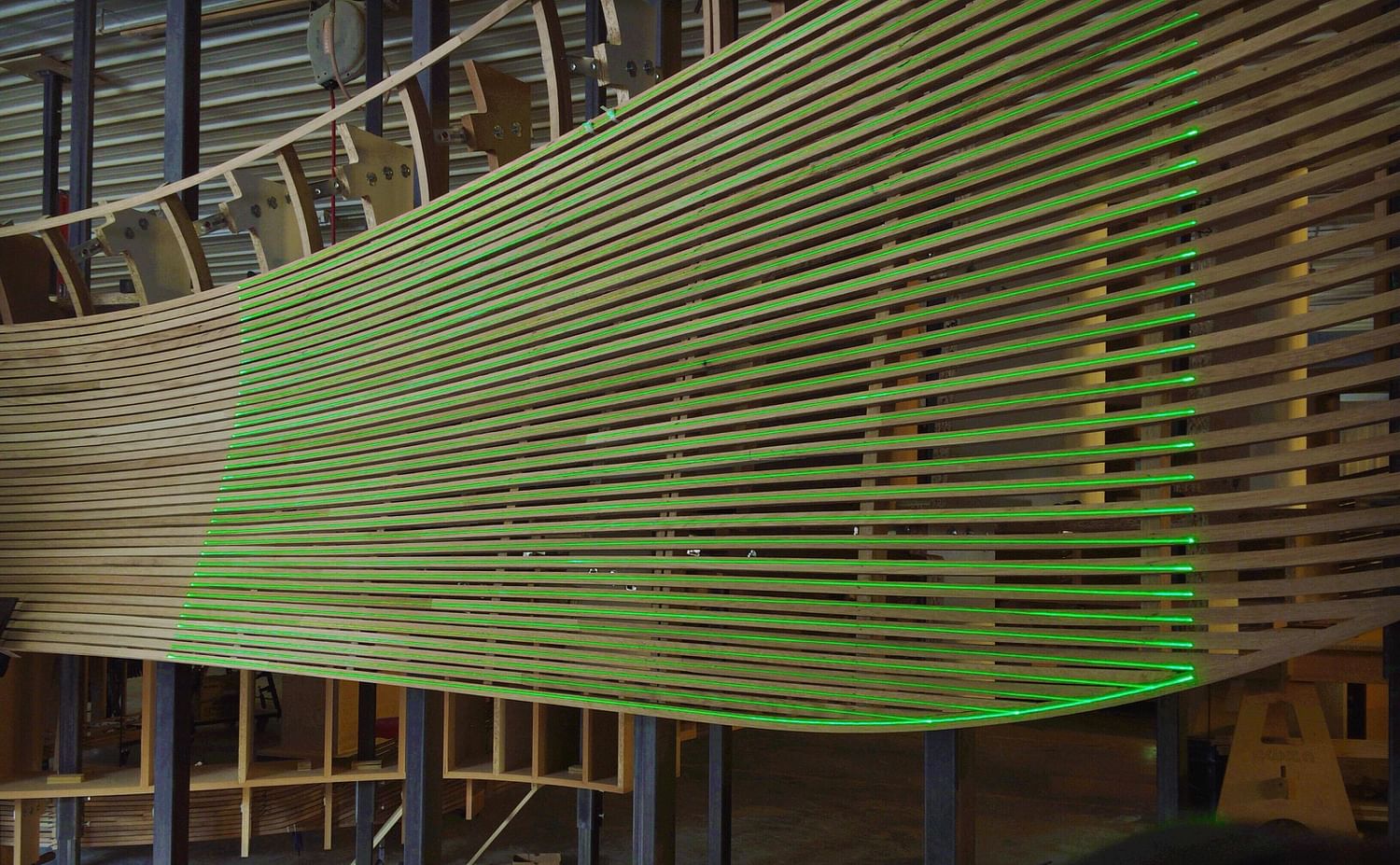
Augmented Reality Integration - Fabrication of Millwork from Performative Millwork: The Coca-Cola Stage at Alliance Theatre, Atlanta by Trahan Architects. Credit: CW Keller.

Performative Millwork: The Coca-Cola Stage at Alliance Theatre, Atlanta | Trahan Architects

Project excerpt: “About the millwork - The primary challenges of fabricating the millwork scope for this theater project were: 

1. working with Matthias Pliessnig to accurately translate the material properties of hand steam-bent millwork into a digital environment
2. synthesizing the acoustic properties for spoken word theater
3. working with CW Keller to mass produce steam-bent millwork with 1/32nd tolerances and crafting a production process that minimized waste

Trahan Architects, Matthias Pliessnig, and CW Keller leveraged a series of 1:1 mockups to define a database of material behaviors, achievable curvatures, material saving jigs, and acoustic strategies. The resulting design, which synthesizes both aesthetic and acoustic properties, required a fabrication workflow which merged hand-crafted steam bending with complex 3D laser projection and laser scanning. Trahan Architects developed scripting techniques to provide layouts of over 100,000 linear feet of millwork slat centerlines to the fabricator. The result is a series of beautiful steam-bent millwork guardrails and balconies that merge handcraft with mass production. The synthesis of acoustic performance, hand-driven artistry, and sophisticated laser positioning are all carefully choreographed to execute the complex steam-bent millwork without the need for wasteful CNC molds. Delivered for $350/sq ft, the product has proven to be both economical and stunning.”
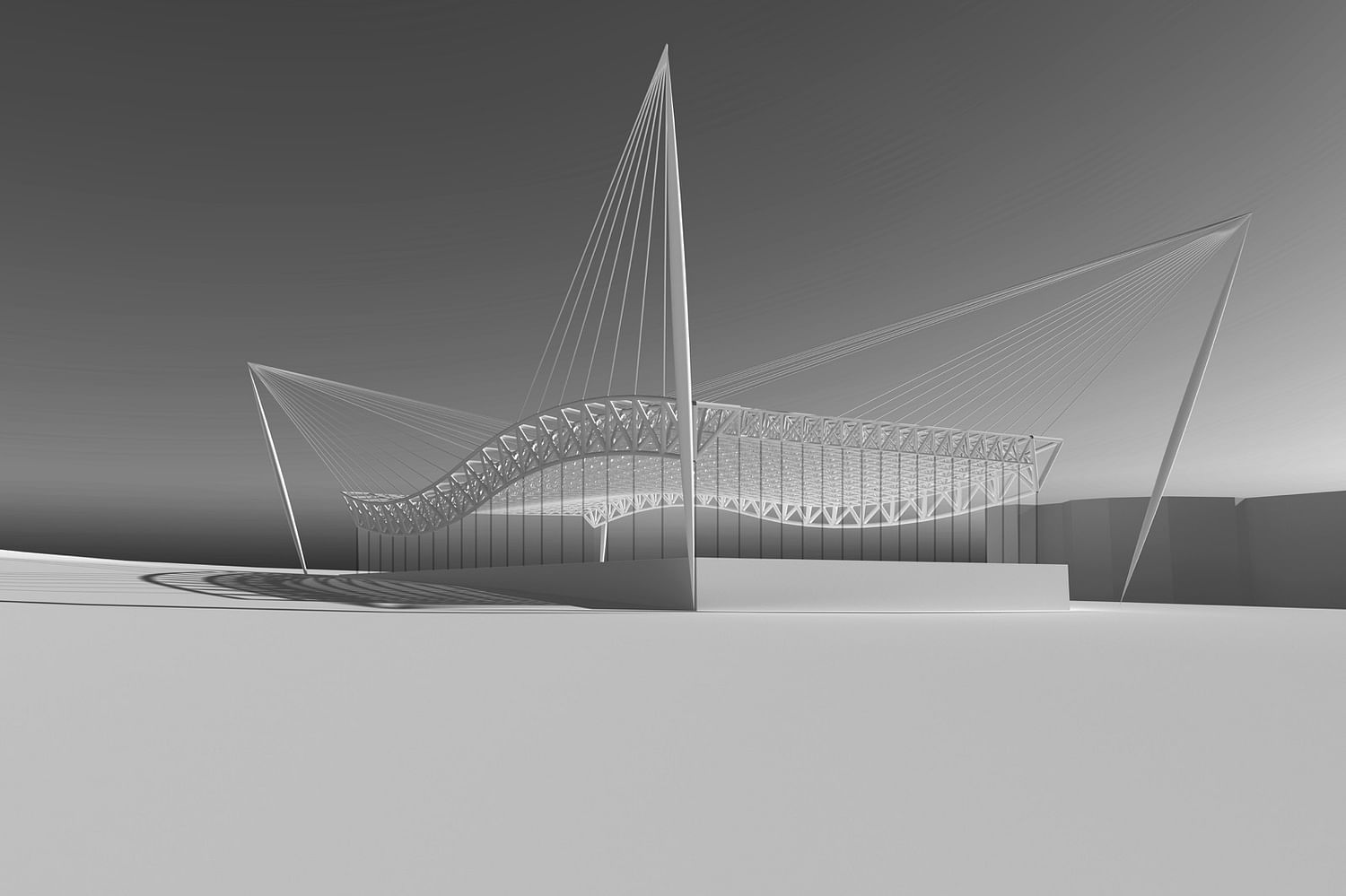
Overhaul the curriculum, not just a course | Faculty of the University of Tennessee School of Architecture: Third-year student work in technology curriculum: long span structures - Team of two students analyzed and proposed a new long span structure for a campus aquatic center. Image © University of Tennessee School of Architecture.

Overhaul the curriculum, not just a course | Faculty of the University of Tennessee School of Architecture

Project excerpt: “Faculty at the University of Tennessee felt that the students’ design work rarely reflected understanding of concepts from their many other technology courses. In a radical move, the faculty overhauled the entire B.Arch. technology curriculum, its sequence of courses and content. The faculty eliminated six stand-alone structures, technology, environmental, and materials courses, totaling 22 credit hours. These were replaced with a series of nine two-credit-hour half semester design/technology courses. Each of the half semester course generally aligned with the studio sequence and each containing a blended content related to climate, site, enclosure, materials, structures, building systems, design, and performance.”

RELATED NEWS Shepley Bulfinch and Joel Sanders win in 2018 AIA Innovation Awards

Related

aia tap innovation awards ● aia ● design research ● academia ● architectural practice
California College of the Arts
John Ronan Architects
EYRC Architects
EYRC Architects Hiring!
Trahan Architects
Trahan Architects Hiring!
Höweler + Yoon
Höweler + Yoon Hiring!
The University of Tennessee - Knoxville

Share

  • Follow

    0 Comments

  • Comment as :

Höweler + Yoon, Trahan Architects, California College of the Arts among 2019 AIA Innovation Award recipients

Hariri Pontarini, Adrian Smith + Gordon Gill among winners of 2017 AIA TAP Innovation Award

2016 AIA TAP/CCA Innovation Award winners announced

Winners of the 2015 AIA TAP Innovation Awards

Sign up for Bustler's Email Newsletters

Next page » Loading

Höweler + Yoon, Trahan Architects, California College of the Arts among 2019 AIA Innovation Award recipients

By Justine Testado|

Thursday, Nov 14, 2019

Share

Buoyant Ecologies Float Lab by CCA Architectural Ecologies Lab. Photo: CCA Architectural Ecologies Lab.

Related

aia tap innovation awards ● aia ● design research ● academia ● architectural practice
California College of the Arts
John Ronan Architects
EYRC Architects
EYRC Architects Hiring!
Trahan Architects
Trahan Architects Hiring!
Höweler + Yoon
Höweler + Yoon Hiring!
The University of Tennessee - Knoxville

Organized by the AIA's Technology in Architectural Practice (TAP) Knowledge Community, the Innovation Awards program highlights outstanding use and implementation of innovative technologies and forward-thinking practices among architects, designers, collaborators, and clients.

For the 2019 competition, a total of six projects were selected as winners in two categories:

Category A: Holistic Design

Buoyant Ecologies Float Lab by CCA Architectural Ecologies Lab. Photo: CCA Architectural Ecologies Lab.

Buoyant Ecologies Float Lab | CCA Architectural Ecologies Lab

Architect's statement: “The Float Lab builds upon three years of applied research, prototyping, and monitoring conducted by a collaborative team of architects, architecture students, marine ecologists, and composites manufacturers. As a research endeavor, the project facilitates productive feedback loops between design speculation, scientific knowledge, and advanced expertise in composites fabrication. The project began as an academic experiment seeking to expand architecture’s capacity to engage extra-disciplinary expertise and address one of the most pressing ecological challenges of our time. It has resulted in a robust multi-disciplinary partnership in which the outcomes would not be possible without the contributions of each partner. The project employs parametric modeling, file-to-factory workflows, and robotic fabrication to translate ecological performance criteria to logics of geometry, form, and material. The integrated, interdisciplinary approach streamlines the design and production processes, facilitating a direct link between empirical ecological research, digital fabrication, and material performance. A critical component of this process has been its emphasis on full-scale prototyping, which has provided important lessons in both ecological performance and fabrication limitations. The Float Lab will support the continuation of this process: attachment fittings on its underside will suspend future prototypes to further develop the wave attenuation potentials of the optimized substrate.”

View looking west of IIT Innovation Center (Ed Kaplan Family Institute for Innovation and Tech Entrepreneurship), Chicago by John Ronan Architects. Photo © Steve Hall.

 IIT Innovation Center (Ed Kaplan Family Institute for Innovation and Tech Entrepreneurship), Chicago by John Ronan Architects

Architect's statement: “The building sector is responsible for 30 percent of global energy consumption, 35 percent of CO2 emissions and half of all landfill waste—we need to find a new way to build. The idea of the dynamic facade on the IIT Innovation Center, which responds to climate in real time by modulating the amount of incoming solar energy, is to make the architecture do more so that systems can do less. The design of the Innovation Center on the Mies campus at IIT is innovative in its own right, and forward-thinking in its approach to sustainability. The second floor of the building, which cantilevers over the ground floor to provide sun shading, is enclosed in a dynamic facade of ETFE foil cushions which can vary the amount of solar energy entering the building through sophisticated pneumatics.”

Category B: Development of Design or Design-Thinking 

CNC-fabricated jigs in action, photo by Ehrlich Yanai Rhee Chaney Architects, 2019. © Ehrlich Yanai Rhee Chaney Architects.

Baxter Parametric CMU Wall, Los Angeles | Ehrlich Yanai Rhee Chaney Architects

Architect's statement: “The Baxter Parametric CMU Wall reflects our belief that good design can be transformative, regardless of the project's (or the material's) type and scale. In this case, we took a humble material and paired it up with advanced technology to give it new life. In fact, what used to be a humble material will become a dynamic feature in the project. Our curiosity to explore this material has led us to leverage a wide range of analog and digital tools and has required collaboration between many trades. Our roots in design exploration through making has also prompted us to collaborate closely with the contractor and the masons to develop and fabricate custom jigs for the construction process. It was a paradigm shifting process for all of us as we became more involved in each other's crafts and as we learned from each other. It is through this combination of collaborative attitude and curiosity that we believe how inspired environments will be made.”

MIT Sean Collier Memorial, Boston | Höweler + Yoon Architecture. Photo © Iwan Baan.

MIT Sean Collier Memorial, Boston | Höweler + Yoon Architecture

Architect's statement: “A memorial is not a commission that I ever wanted. It marks a tragedy. In the face of fear and terrorism, what can a community do? It can gather and reflect and re-affirm our values of openness and diversity. The memorial offers a space of reflection. Its curvilinear form highlights a conspicuous absence at its center. It is clear that something is missing, almost like a pantomime, defining the edges of a missing center. The central void is also a room that unifies the five other rooms formed by the buttresses. It also offers a metaphor for diversity and openness. Each stone is different and unique, and they are all necessary to work together to stand. Strength, a term used after the bombing, as in Boston Strong or Collier Strong, is here translated into a structural form: a vault. It is a beautiful way to show the interconnectedness and co-dependency of individuals relative to a community.”

Augmented Reality Integration - Fabrication of Millwork from Performative Millwork: The Coca-Cola Stage at Alliance Theatre, Atlanta by Trahan Architects. Credit: CW Keller.

Performative Millwork: The Coca-Cola Stage at Alliance Theatre, Atlanta | Trahan Architects

Project excerpt: “About the millwork - The primary challenges of fabricating the millwork scope for this theater project were: 

1. working with Matthias Pliessnig to accurately translate the material properties of hand steam-bent millwork into a digital environment
2. synthesizing the acoustic properties for spoken word theater
3. working with CW Keller to mass produce steam-bent millwork with 1/32nd tolerances and crafting a production process that minimized waste

Trahan Architects, Matthias Pliessnig, and CW Keller leveraged a series of 1:1 mockups to define a database of material behaviors, achievable curvatures, material saving jigs, and acoustic strategies. The resulting design, which synthesizes both aesthetic and acoustic properties, required a fabrication workflow which merged hand-crafted steam bending with complex 3D laser projection and laser scanning. Trahan Architects developed scripting techniques to provide layouts of over 100,000 linear feet of millwork slat centerlines to the fabricator. The result is a series of beautiful steam-bent millwork guardrails and balconies that merge handcraft with mass production. The synthesis of acoustic performance, hand-driven artistry, and sophisticated laser positioning are all carefully choreographed to execute the complex steam-bent millwork without the need for wasteful CNC molds. Delivered for $350/sq ft, the product has proven to be both economical and stunning.”

Overhaul the curriculum, not just a course | Faculty of the University of Tennessee School of Architecture: Third-year student work in technology curriculum: long span structures - Team of two students analyzed and proposed a new long span structure for a campus aquatic center. Image © University of Tennessee School of Architecture.

Overhaul the curriculum, not just a course | Faculty of the University of Tennessee School of Architecture

Project excerpt: “Faculty at the University of Tennessee felt that the students’ design work rarely reflected understanding of concepts from their many other technology courses. In a radical move, the faculty overhauled the entire B.Arch. technology curriculum, its sequence of courses and content. The faculty eliminated six stand-alone structures, technology, environmental, and materials courses, totaling 22 credit hours. These were replaced with a series of nine two-credit-hour half semester design/technology courses. Each of the half semester course generally aligned with the studio sequence and each containing a blended content related to climate, site, enclosure, materials, structures, building systems, design, and performance.”

RELATED NEWS Shepley Bulfinch and Joel Sanders win in 2018 AIA Innovation Awards

Share

  • Follow

    0 Comments

  • Comment as :

Archinect JobsArchinect Jobs

The Archinect Job Board attracts the world's top architectural design talents.

VIEW ALL JOBS POST A JOB

Job Captain

Field Architecture

Job Captain

Palo Alto, CA, US

Project Designer (3 to 5 years)

Swift Lee Office

Project Designer (3 to 5 years)

Los Angeles, CA, US

Intermediate Architect

FAME Architecture & Interior Design

Intermediate Architect

Los Angeles, CA, US

Project Designer (3-5 years)

Edmonds + Lee Architects

Project Designer (3-5 years)

San Francisco, CA, US

Architectural Designer

jones | haydu

Architectural Designer

San Francisco, CA, US

Owner's Representative - Entry Level

McMahon-Baek Architecture

Owner's Representative - Entry Level

New York, NY, US

Project Architect

Lang Architecture

Project Architect

New York, NY, US

Intermediate Residential Architect

52XConsulting

Intermediate Residential Architect

New York, NY, US

Project Manager

Evan Raabe Architecture Studio

Project Manager

Los Angeles, CA, US

Senior Technical Architect - Interiors - New York Office

Fogarty Finger

Senior Technical Architect - Interiors - New York Office

New York, NY, US

Next page » Loading