• Login / Join
  • About
  • •
  • Contact
  • •
  • Advertising
bustler logo
bustler logo
  • News
  • Competitions
  • Events
  • Bustler is powered by Archinect
  • Sign up for Bustler's Email Newsletters

  • Follow these Bustler feeds:

  • Search

    Search in

  • Submit

    What are you submitting?

    News Pitch
    Competition
    Event
  • Login / Join
  • News|Competitions|Events
  • Search
    | Submit
    | Follow
  • Search in

    What are you submitting?

    News Pitch
    Competition
    Event

    Follow these Bustler feeds:

  • About|Contact|Advertising
  • Login / Join
Tagged: august liau

Holcim Award-Winning Project Advocates Bicycle Commuting in Beijing

By Bustler Editors|

Wednesday, Dec 21, 2011
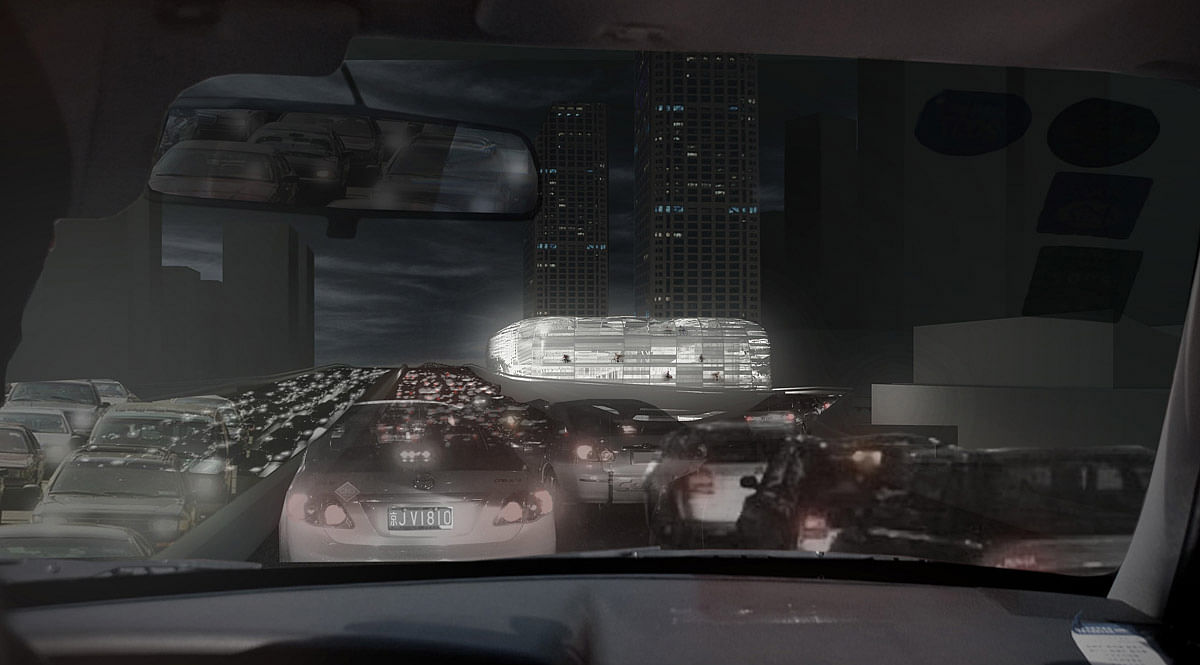
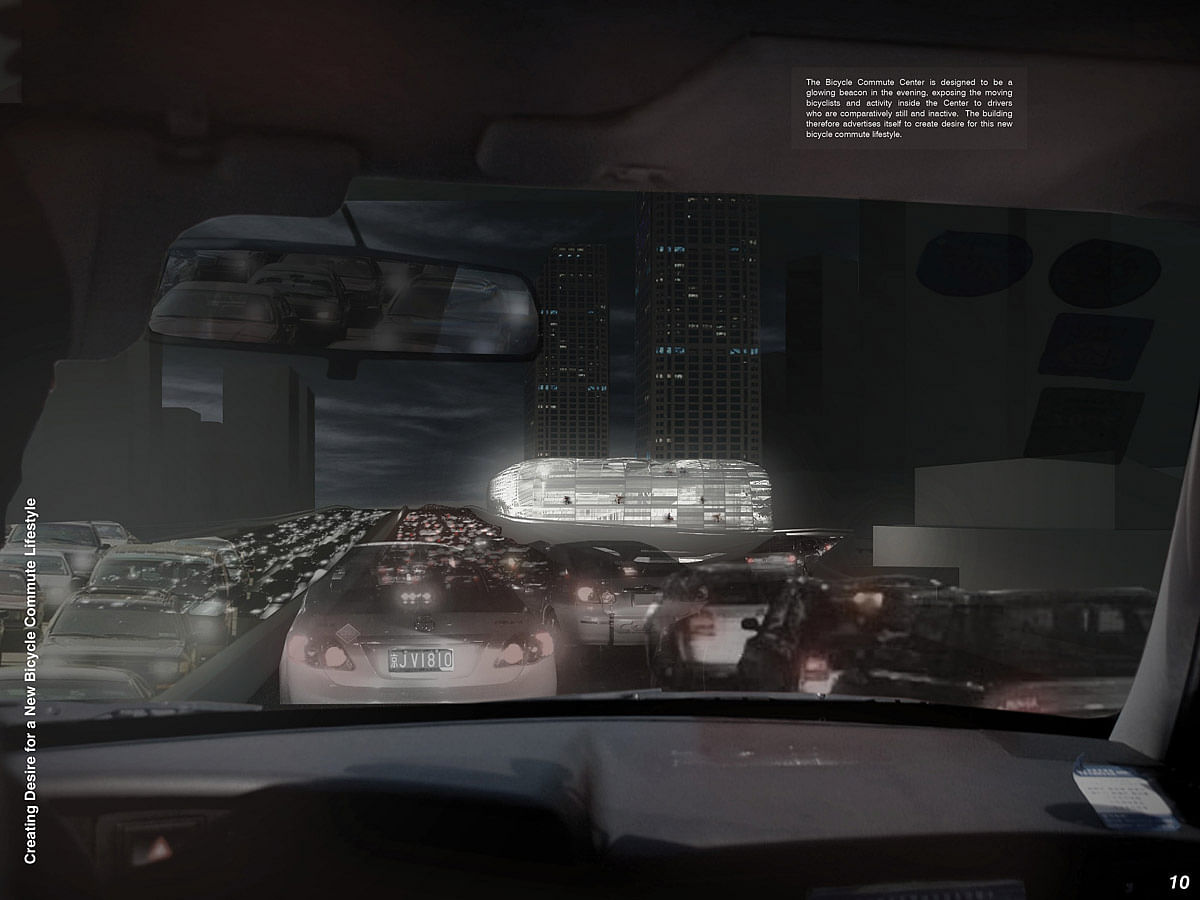
Trying to unclog Beijing's car-congested streets: the proposal "Bicycle use for commuting revitalization project, Beijing, China" by August Liau, Massachusetts Institute of Technology (MIT), United States (Image: August Liau)

Just last week, we published the outstanding winners of the 2011 Regional Holcim Awards for the Asia Pacific Region which celebrates smart, sustainable solutions in architecture and construction. Taking the top prize in the program's “Next Generation” category was MIT student August Liau for a project to increase bicycle commuting in Beijing, China. The project advocates pedal power as a dynamic alternative for urban transit and recalls its well-proven potential in the world’s former cycling capital.

Following is the proposal in detail.

Project Description from the Architect:

This project intends to be a catalyst for a renewed bicycle culture in Beijing, the capital of the former “Bicycle Kingdom”.  Beijing, having more bicycles than any other city in the world just 15 years ago, has in recent years undergone a drastic shift to become a city consumed by cars and highways.  This has produced disruptive voids in the traditional small-scale fabric of the city that once made the old city unique.  It has also produced some of the highest traffic volumes, longest automobile commute times, and some of the highest levels of air pollution among major world cities.  This ironic transformation from a city dependent on the most sustainable form of transit to one that is gridlocked by the form that is the least sustainable is what this project critiques.
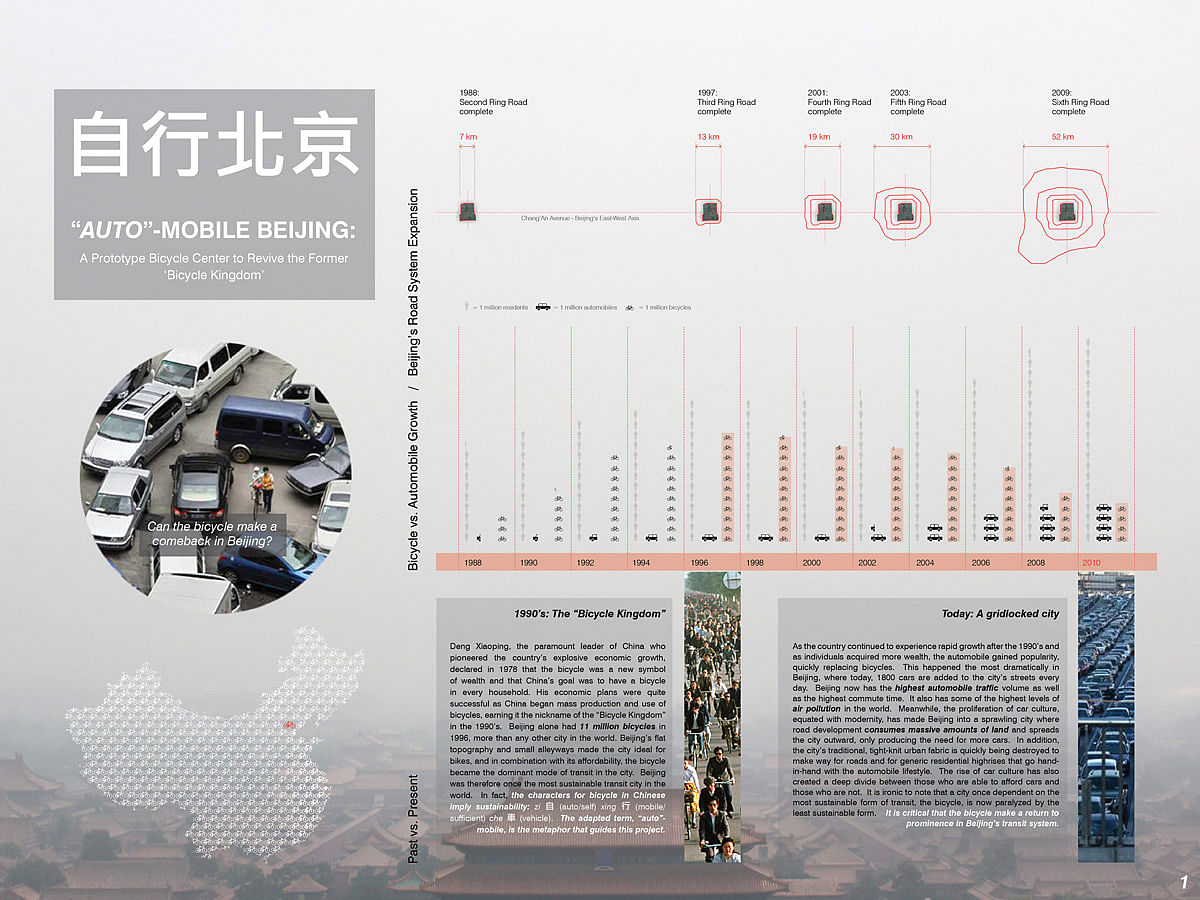
Introduction (Image: August Liau)

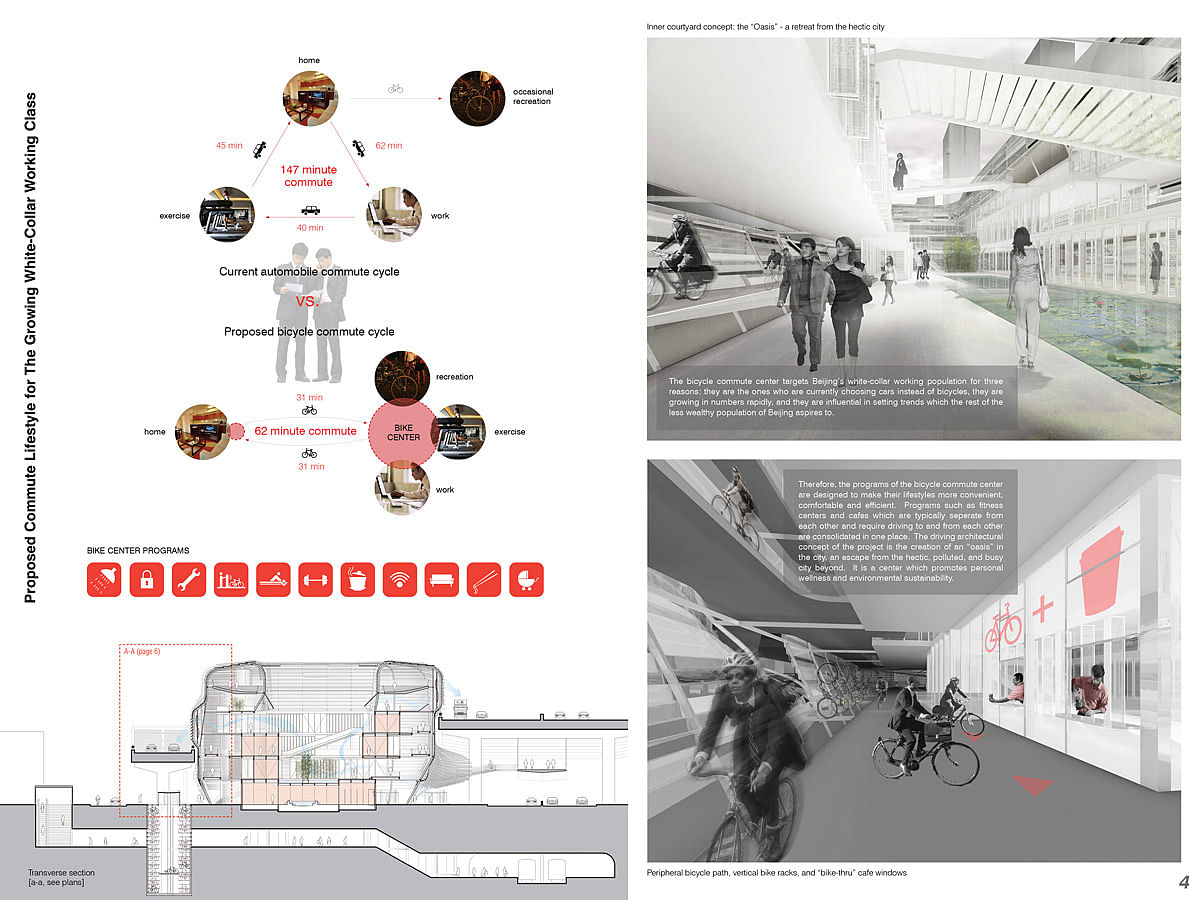
Recognizing that this shift is largely attributed to the changing culture of the citizens as they gain higher economic status, the project aims to create a place to generate an attractive counter-culture to the current trend toward motor vehicles.  It will target the population of the growing white-collar working class as its main audience, as they are the ones who are setting the trends of contemporary transportation in Beijing.

The proposal is a new building typology for the city - a bicycle commute center which will occupy the urban void space produced by the highways.  The center will provide an ‘oasis’ in the city, a place which promotes a lifestyle of wellness and sustainability centered around the daily bicycle commute - a lifestyle antithetical to that of the motor vehicle.  The guiding metaphor for the project is the “auto”-mobile lifestyle, derived from the literal meaning of the phrase for bicycle in Chinese: “zi” (auto/self) “xing” (mobile/sufficient) “che” (vehicle).
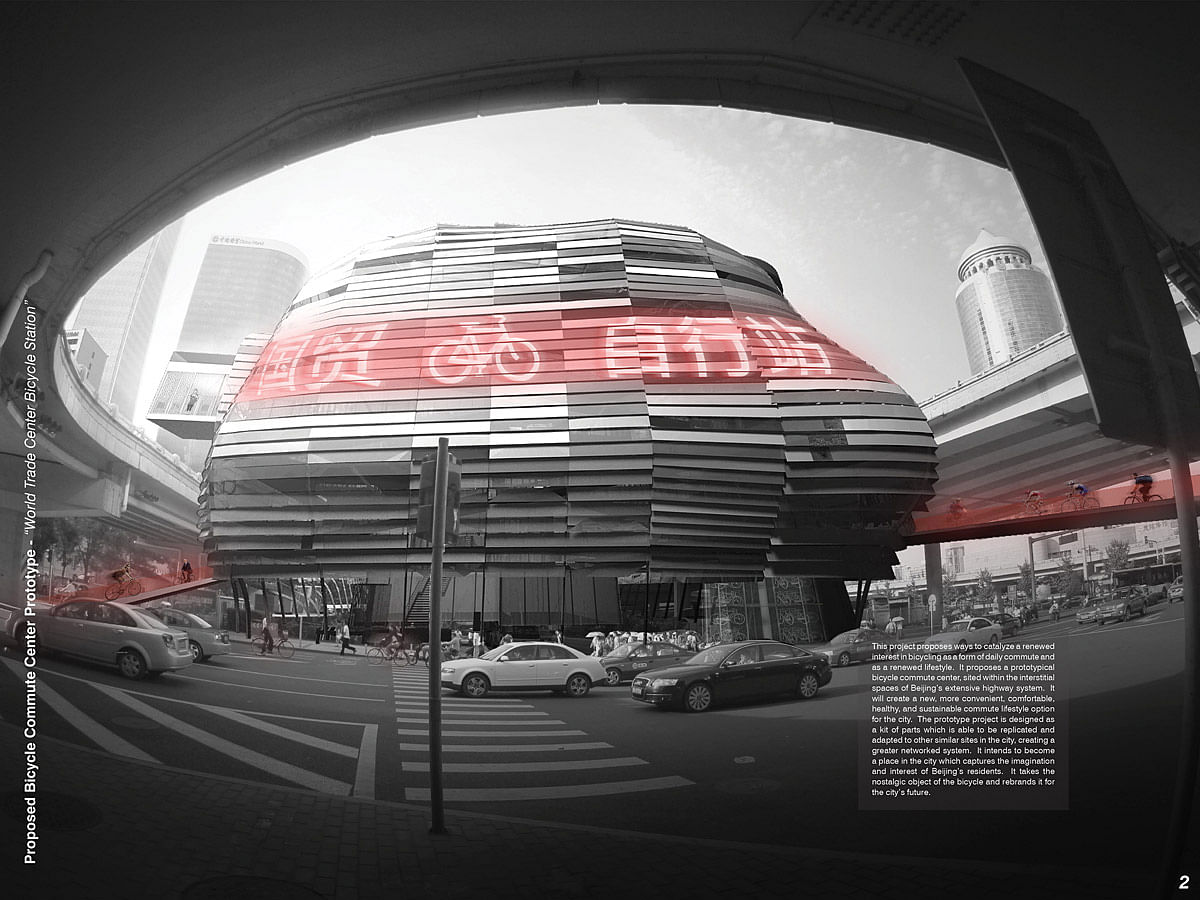
Proposal overview (Image: August Liau)

Comment of the Holcim Awards Jury Asia Pacific:

The jury is convinced by this remarkable project due to its visionary and strategic approach. It advocates bicycling as a powerful alternative for urban transit and recalls its well proven potential in the world’s former bicycling capital. The visionary idea is shown to integrate pollution reduction and energy saving solutions into existing structures while addressing the urgency of implementing different approaches to urban transit – here and in other cities of the world. Moreover it demonstrates how residual central spaces may be occupied with beneficial and sophisticated design solutions in function, embedded systems and aesthetics that are well integrated.

This “out-of-the-box” thinking sends a message to all developing metropolitan areas and provokes a process of rethinking by contemporary urban planners.
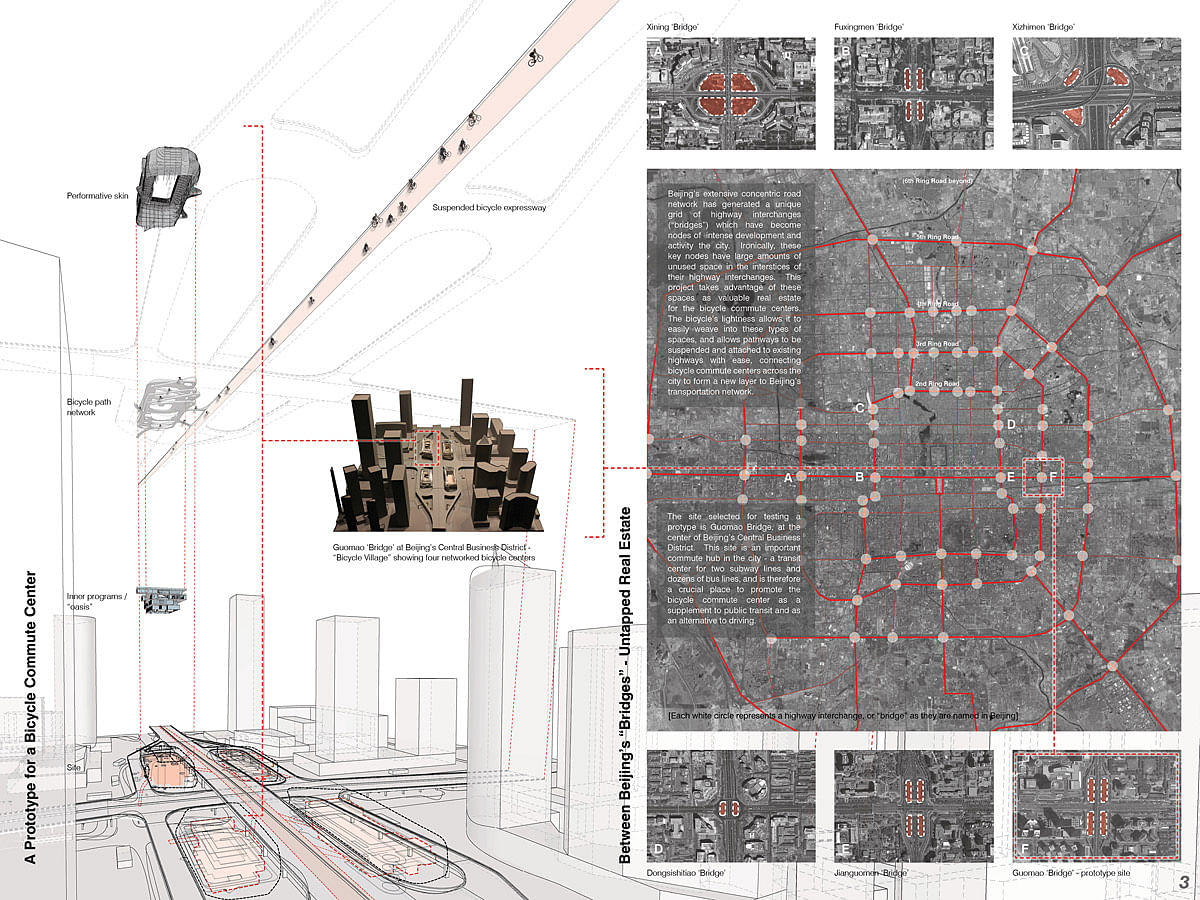
Network concept (Image: August Liau)
Programmatic proposal (Image: August Liau)
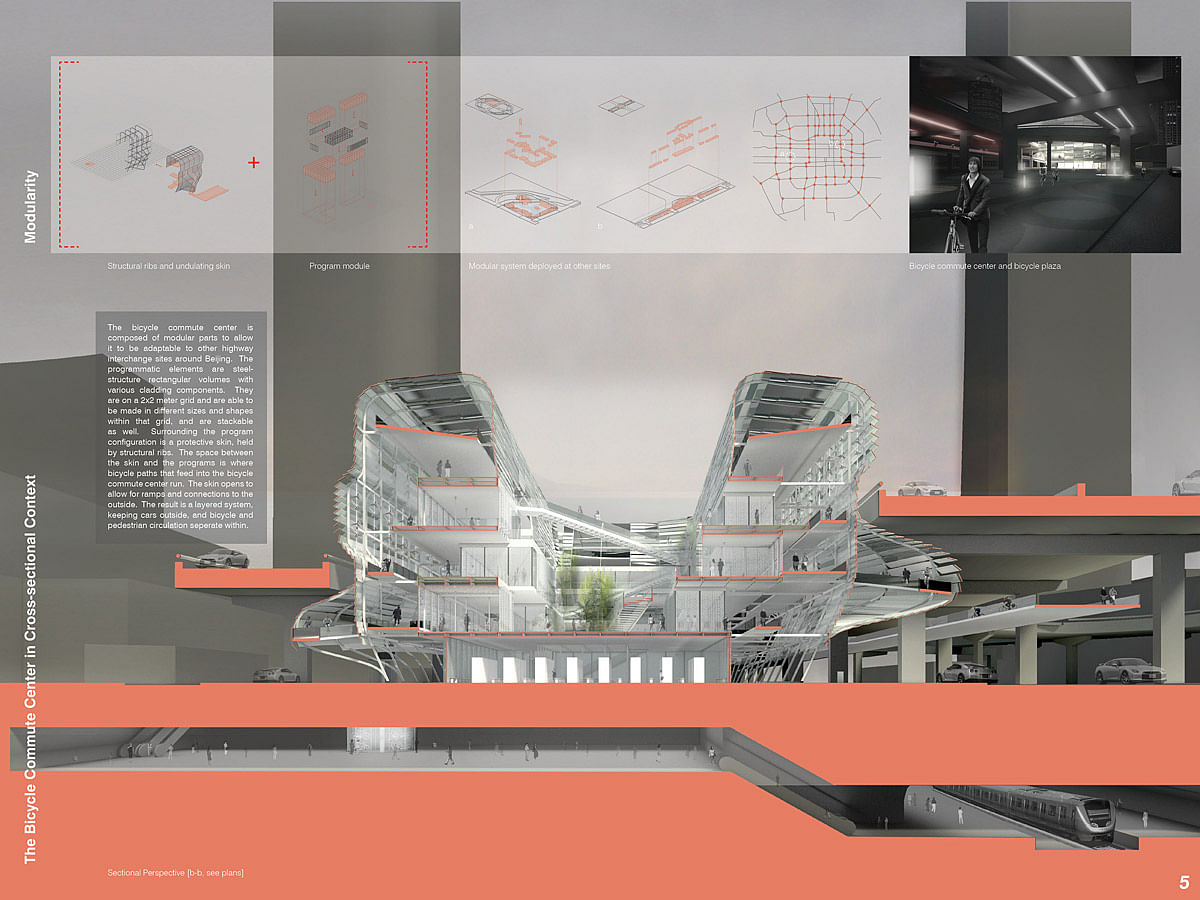
Sectional perspective (Image: August Liau)
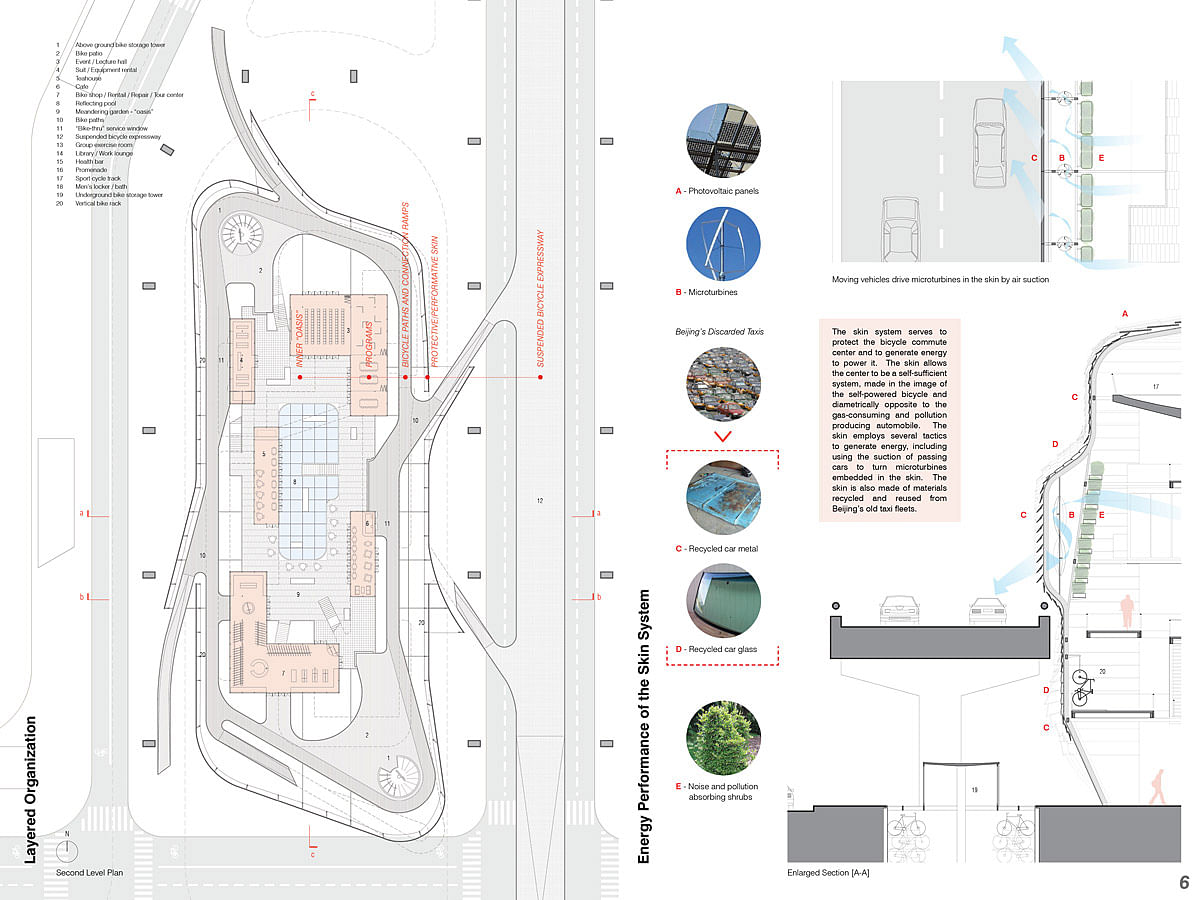
Sustainability (Image: August Liau)
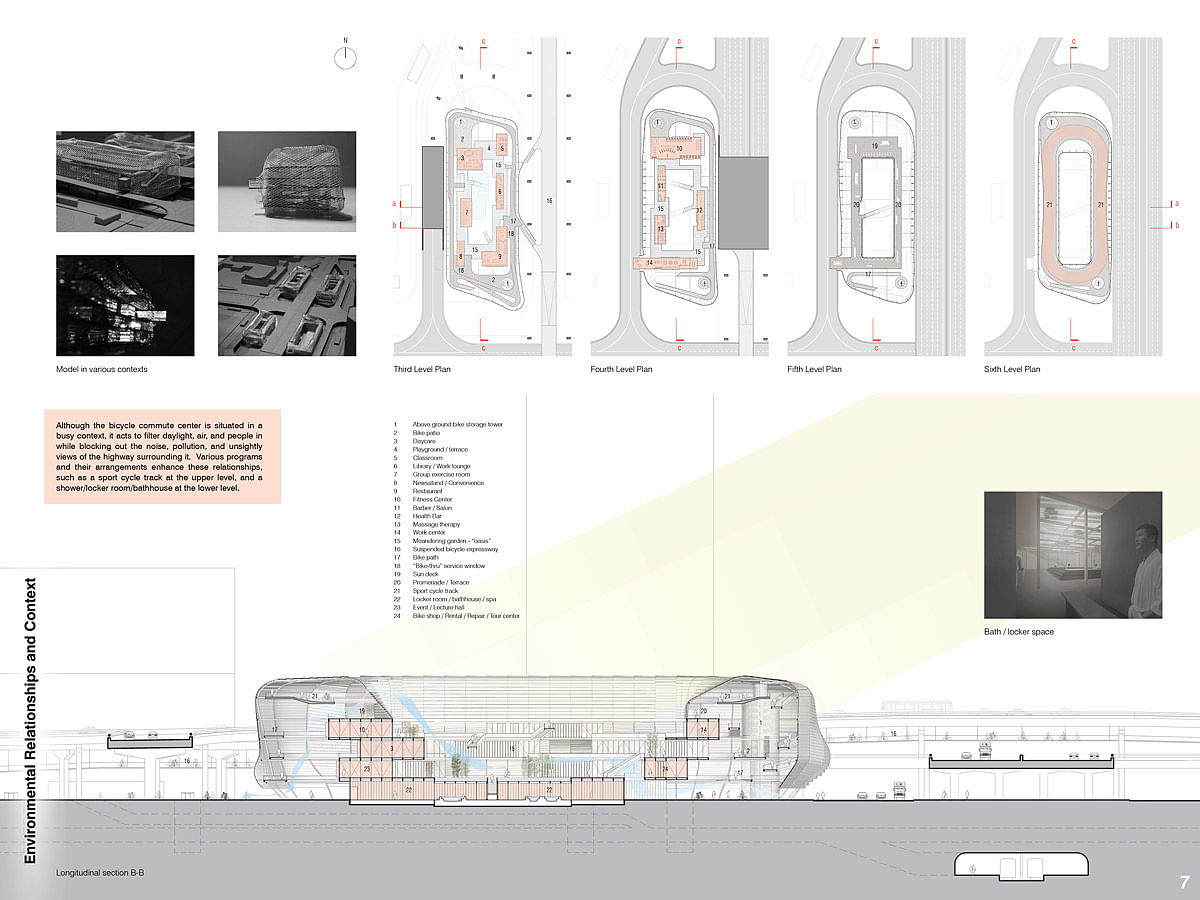
Environment and context (Image: August Liau)
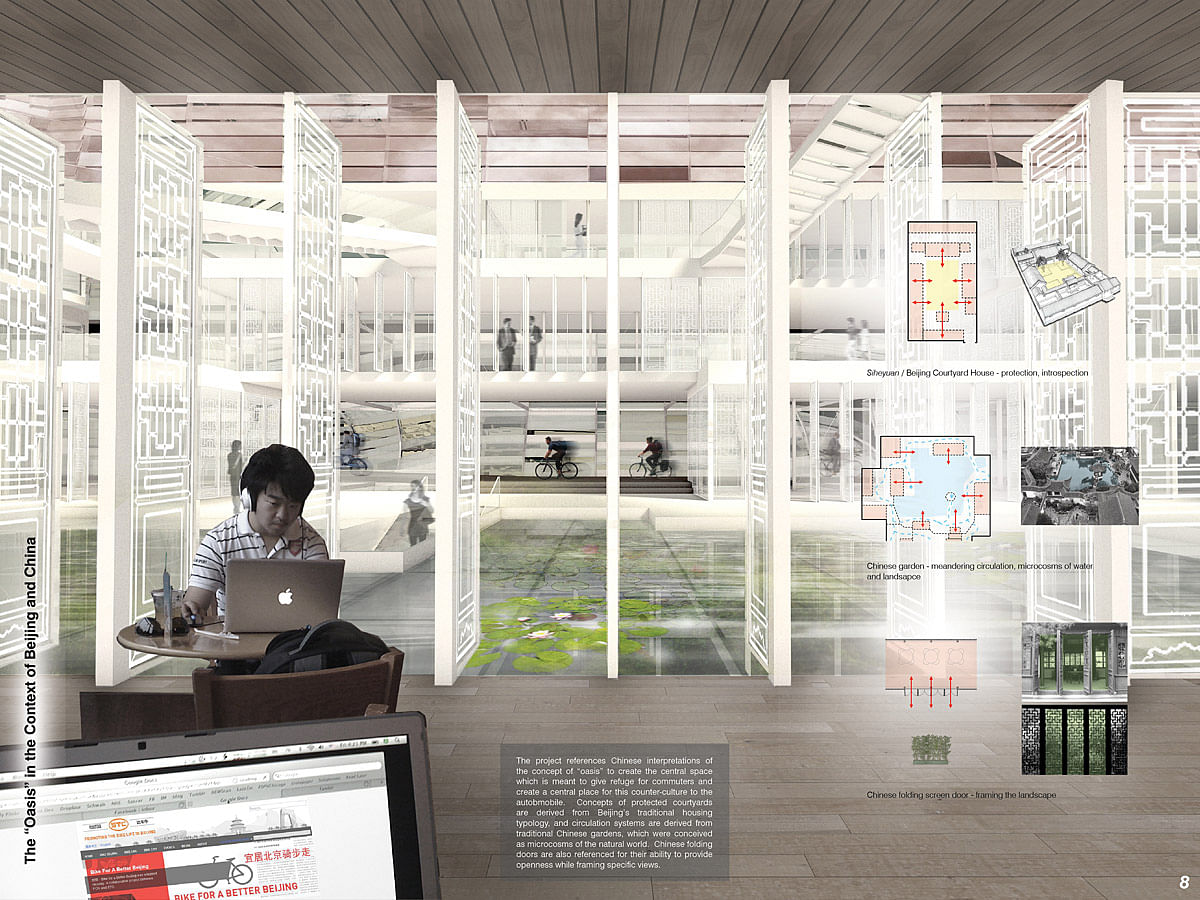
The “Oasis” (Image: August Liau)
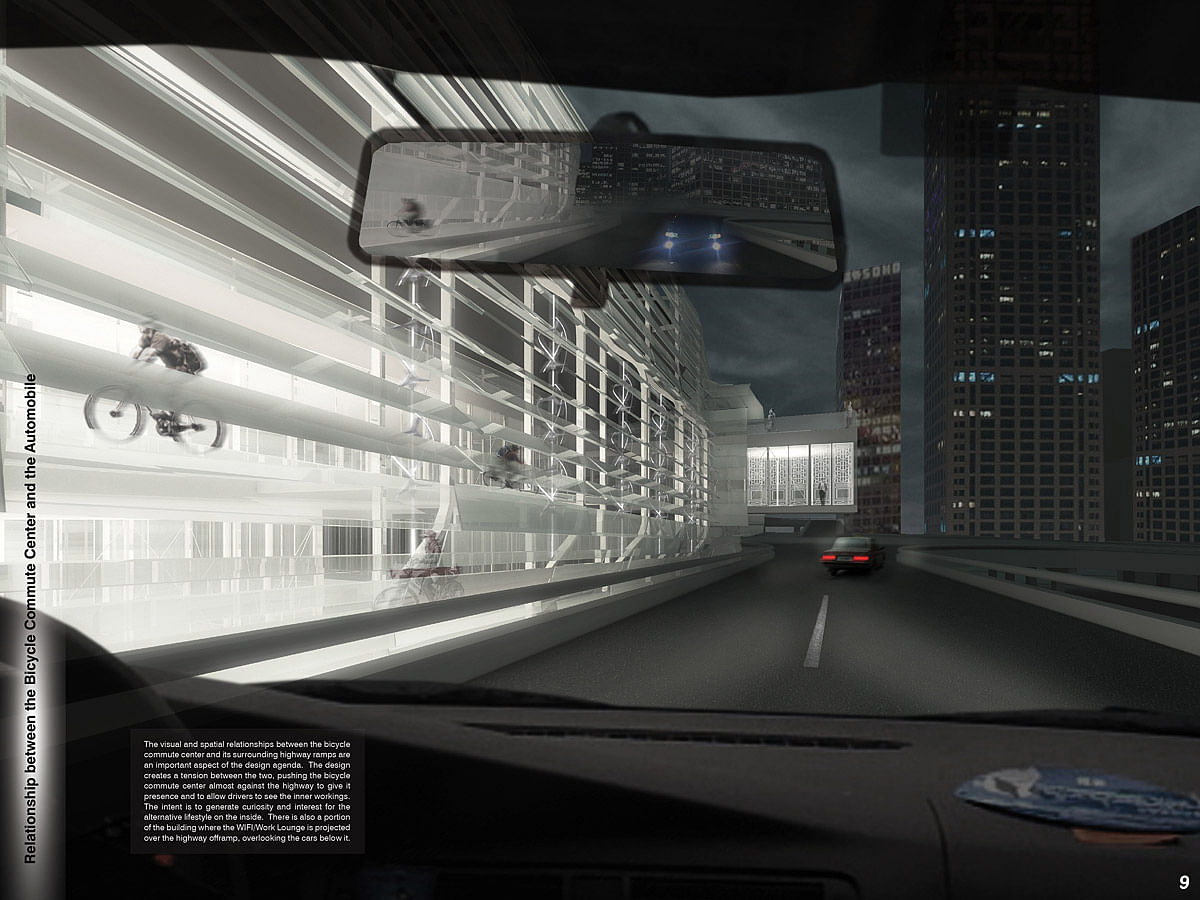
Proximity and tension (Image: August Liau)
Cultural statement (Image: August Liau)

Related

sustainability ● student ● mit ● holcim awards ● commute ● china ● bike ● bicycle ● beijing ● august liau ● asia

Share

  • Follow

    0 Comments

  • Comment as :

Holcim Award-Winning Project Advocates Bicycle Commuting in Beijing

Sign up for Bustler's Email Newsletters

Next page » Loading

Holcim Award-Winning Project Advocates Bicycle Commuting in Beijing

By Bustler Editors|

Wednesday, Dec 21, 2011

Share

Trying to unclog Beijing's car-congested streets: the proposal "Bicycle use for commuting revitalization project, Beijing, China" by August Liau, Massachusetts Institute of Technology (MIT), United States (Image: August Liau)

Related

sustainability ● student ● mit ● holcim awards ● commute ● china ● bike ● bicycle ● beijing ● august liau ● asia

Just last week, we published the outstanding winners of the 2011 Regional Holcim Awards for the Asia Pacific Region which celebrates smart, sustainable solutions in architecture and construction. Taking the top prize in the program's “Next Generation” category was MIT student August Liau for a project to increase bicycle commuting in Beijing, China. The project advocates pedal power as a dynamic alternative for urban transit and recalls its well-proven potential in the world’s former cycling capital.

Following is the proposal in detail.

Project Description from the Architect:

This project intends to be a catalyst for a renewed bicycle culture in Beijing, the capital of the former “Bicycle Kingdom”.  Beijing, having more bicycles than any other city in the world just 15 years ago, has in recent years undergone a drastic shift to become a city consumed by cars and highways.  This has produced disruptive voids in the traditional small-scale fabric of the city that once made the old city unique.  It has also produced some of the highest traffic volumes, longest automobile commute times, and some of the highest levels of air pollution among major world cities.  This ironic transformation from a city dependent on the most sustainable form of transit to one that is gridlocked by the form that is the least sustainable is what this project critiques.

Introduction (Image: August Liau)

Recognizing that this shift is largely attributed to the changing culture of the citizens as they gain higher economic status, the project aims to create a place to generate an attractive counter-culture to the current trend toward motor vehicles.  It will target the population of the growing white-collar working class as its main audience, as they are the ones who are setting the trends of contemporary transportation in Beijing.

The proposal is a new building typology for the city - a bicycle commute center which will occupy the urban void space produced by the highways.  The center will provide an ‘oasis’ in the city, a place which promotes a lifestyle of wellness and sustainability centered around the daily bicycle commute - a lifestyle antithetical to that of the motor vehicle.  The guiding metaphor for the project is the “auto”-mobile lifestyle, derived from the literal meaning of the phrase for bicycle in Chinese: “zi” (auto/self) “xing” (mobile/sufficient) “che” (vehicle).

Proposal overview (Image: August Liau)

Comment of the Holcim Awards Jury Asia Pacific:

The jury is convinced by this remarkable project due to its visionary and strategic approach. It advocates bicycling as a powerful alternative for urban transit and recalls its well proven potential in the world’s former bicycling capital. The visionary idea is shown to integrate pollution reduction and energy saving solutions into existing structures while addressing the urgency of implementing different approaches to urban transit – here and in other cities of the world. Moreover it demonstrates how residual central spaces may be occupied with beneficial and sophisticated design solutions in function, embedded systems and aesthetics that are well integrated.

This “out-of-the-box” thinking sends a message to all developing metropolitan areas and provokes a process of rethinking by contemporary urban planners.
Network concept (Image: August Liau)
Programmatic proposal (Image: August Liau)
Sectional perspective (Image: August Liau)
Sustainability (Image: August Liau)
Environment and context (Image: August Liau)
The “Oasis” (Image: August Liau)
Proximity and tension (Image: August Liau)
Cultural statement (Image: August Liau)

Share

  • Follow

    0 Comments

  • Comment as :

Archinect JobsArchinect Jobs

The Archinect Job Board attracts the world's top architectural design talents.

VIEW ALL JOBS POST A JOB

Design Architect

JLK Architects

Design Architect

Chicago, IL, US

Intermediate Architectural Designer

David Smotrich & Partners LLP

Intermediate Architectural Designer

New York, NY, US

Senior Interior Architect/ Designer

Silverstone Group

Senior Interior Architect/ Designer

Washington, DC, US

Junior Architect

Eric Colbert & Associates

Junior Architect

Washington, DC, US

Senior Designer - Residential Design

Laura U Design Collective

Senior Designer - Residential Design

Houston, TX, US

Job Captain - Education

DAHLIN ARCHITECTURE | PLANNING | INTERIORS

Job Captain - Education

San Diego, CA, US

Junior Architect

Elizabeth Roberts Architecture & Design

Junior Architect

Brooklyn, NY, US

Project Architect

AYON Studio

Project Architect

New York, NY, US

Project Architect LA & NYC

Montalba Architects, Inc.

Project Architect LA & NYC

Los Angeles, CA, US

Interior Designer, 5+ Years Experience

Cass Calder Smith

Interior Designer, 5+ Years Experience

San Francisco, CA, US

Next page » Loading