• Login / Join
  • About
  • •
  • Contact
  • •
  • Advertising
bustler logo
bustler logo
  • News
  • Competitions
  • Events
  • Bustler is powered by Archinect
  • Sign up for Bustler's Email Newsletters

  • Follow these Bustler feeds:

  • Search

    Search in

  • Submit

    What are you submitting?

    News Pitch
    Competition
    Event
  • Login / Join
  • News|Competitions|Events
  • Search
    | Submit
    | Follow
  • Search in

    What are you submitting?

    News Pitch
    Competition
    Event

    Follow these Bustler feeds:

  • About|Contact|Advertising
  • Login / Join
Tagged: getty research institute

The Getty Research Institute presents The Metropolis in Latin America, 1830–1930

By Noémie Despland-Lichtert|

Tuesday, Sep 5, 2017

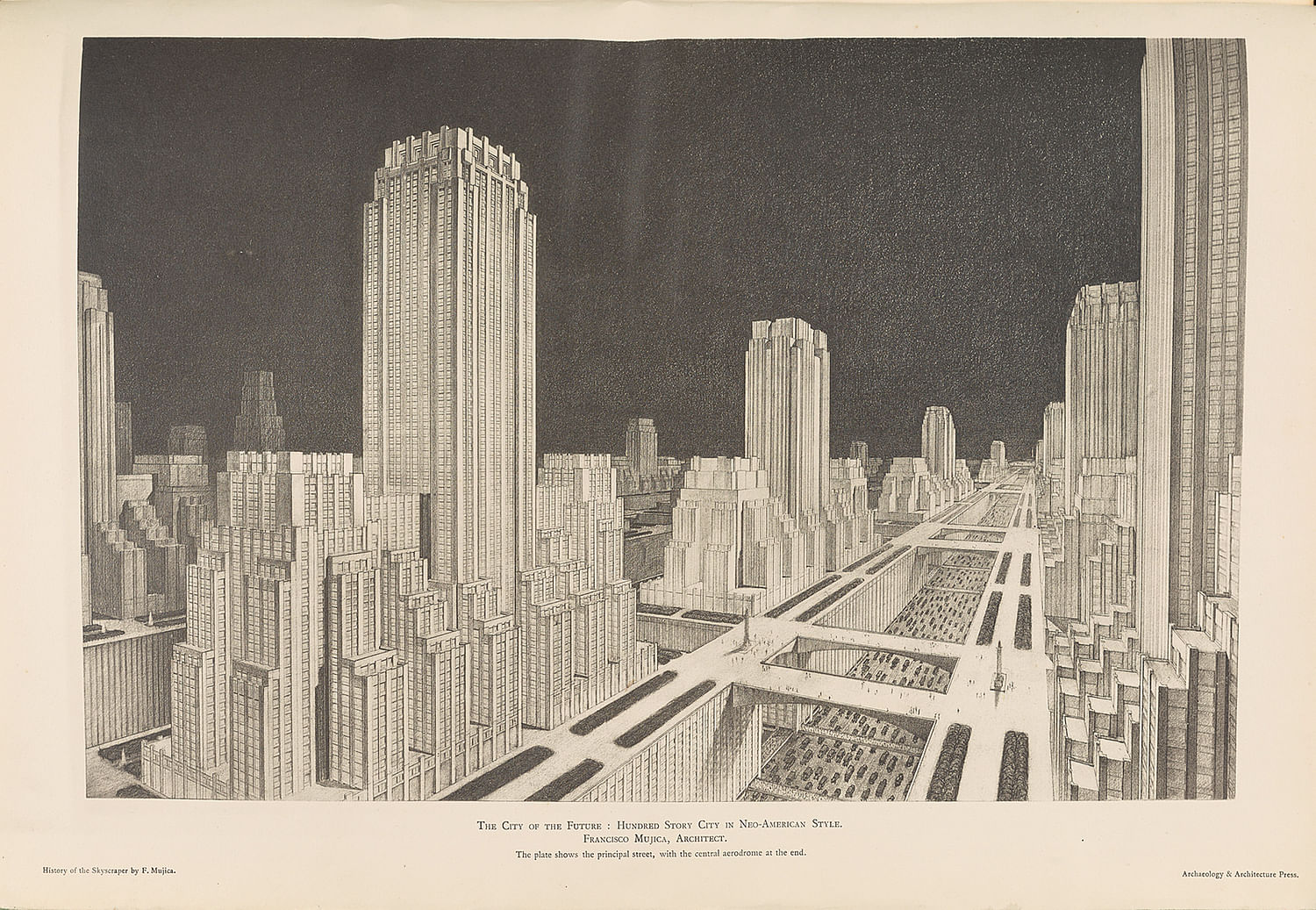
The City of the Future: Hundred Story City in Neo-American Style Francisco Mujica (Mexican, 1899–1979). Offset lithograph in History of the Skyscraper (Paris: Archaeology & Architecture Press, 1929), pl. 134

The Metropolis in Latin America, 1830–1930, explores the impacts of economic and political changes on the urban fabric and built environment of six Latin American Capitals: Buenos Aires, Havana, Lima, Mexico City, Rio de Janeiro, and Santiago de Chile.
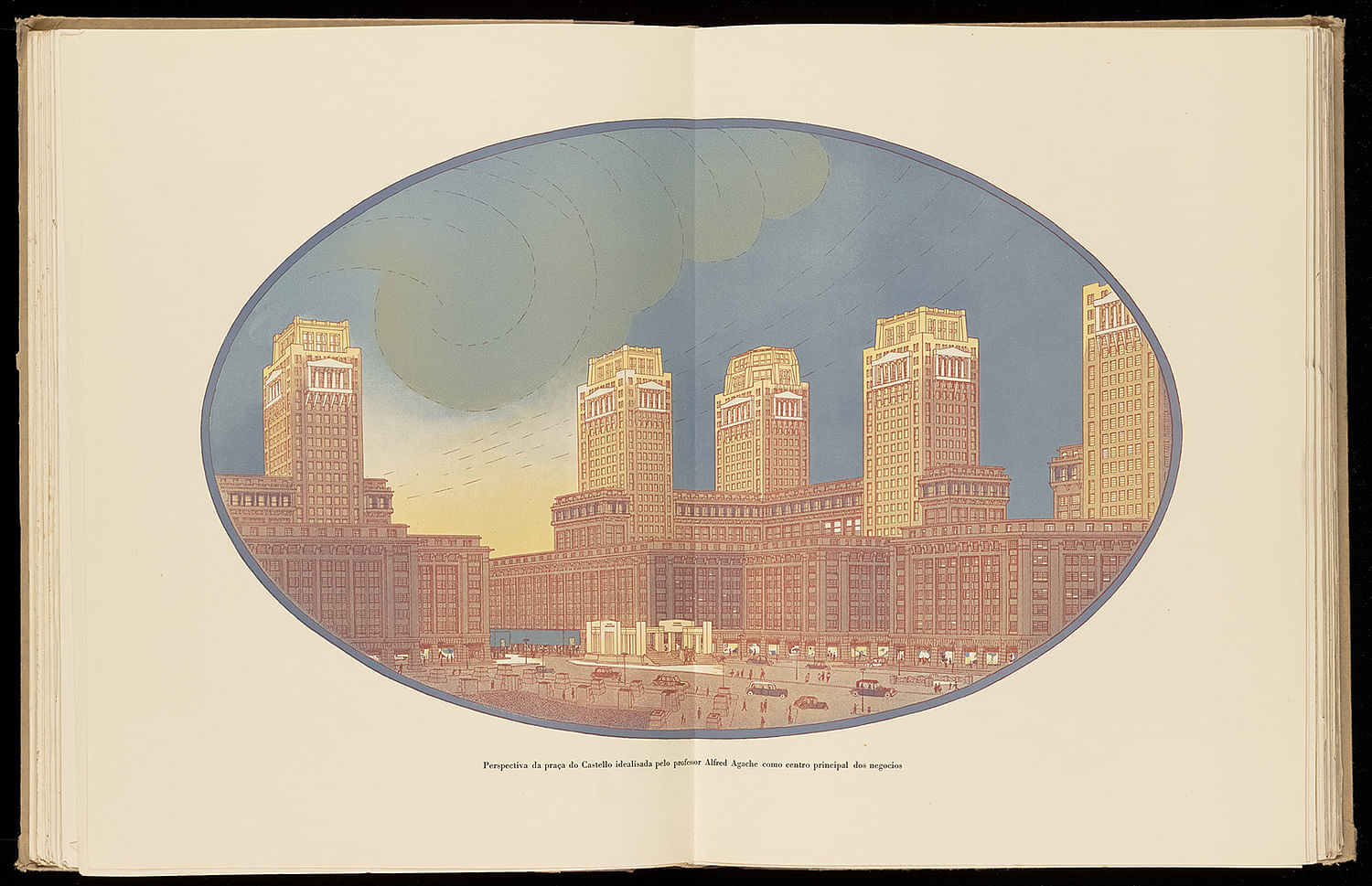
Perspective View of the Castle Square Designed by Professor Alfred Agache as the Main Business Center. Alfred Donat Agache (French, 1875–1959) Chromolithograph in Cidade do Rio de Janeiro: Remodelação- Extensão e Embellezamento (Paris: Foyer Brésilien, 1930)

The exhibition is co-curated by Maristella Casciato, curator of architecture and Idurre Alonso, associate curator of Latin American collections, both at the Getty Research Institute.

Divided into seven themes, the Colonial City, Timeline, the Republican City, Spaces for Leisure & Culture, Modern Infrastructure, National Architecture In Context, and Toward Modernism, the objects on display include architectural photography, prints and drawings, plans, maps and more. 
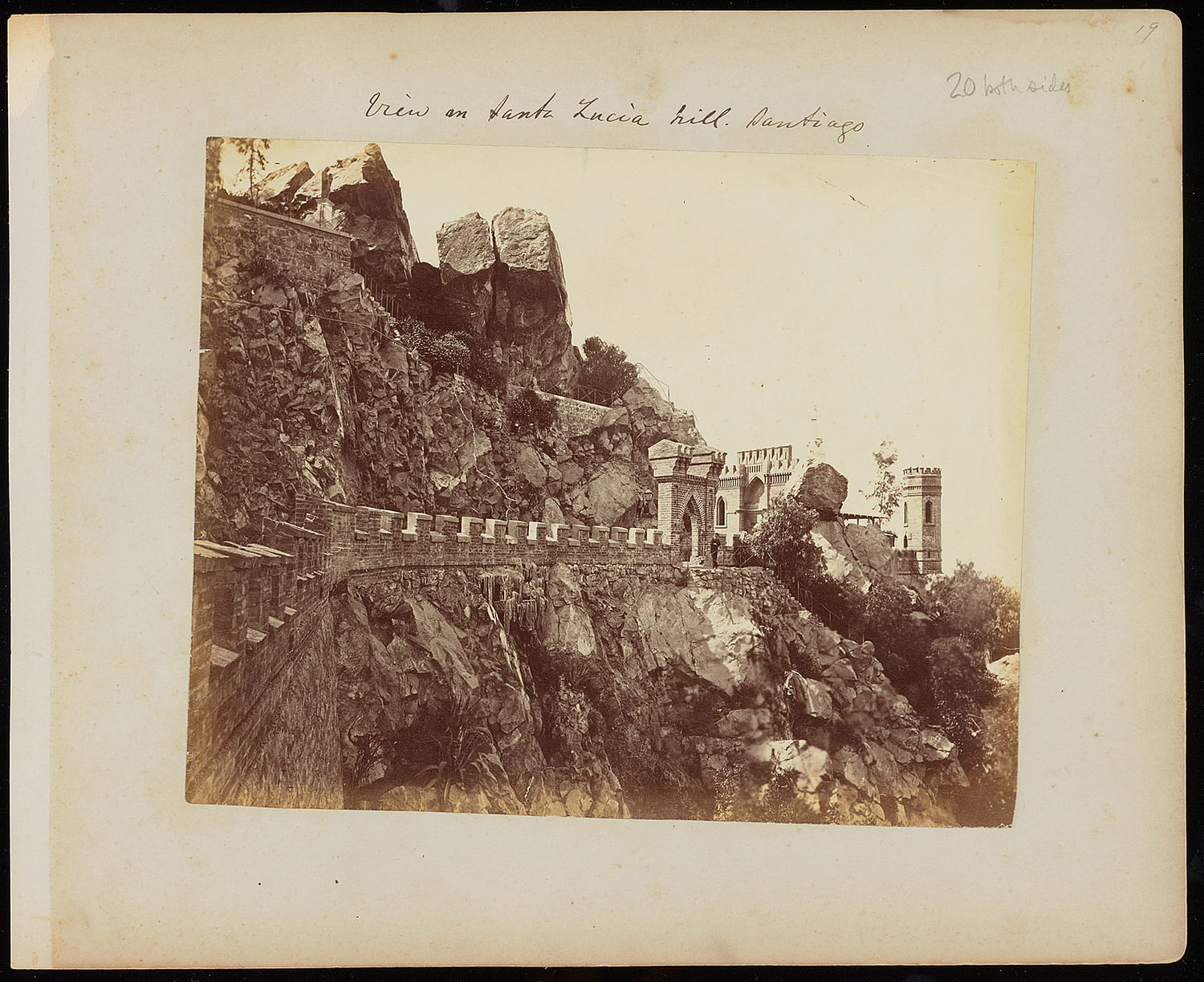
On Santa Lucía Hill, Santiago ca. 1880–1889 Unknown photographer Albumen print
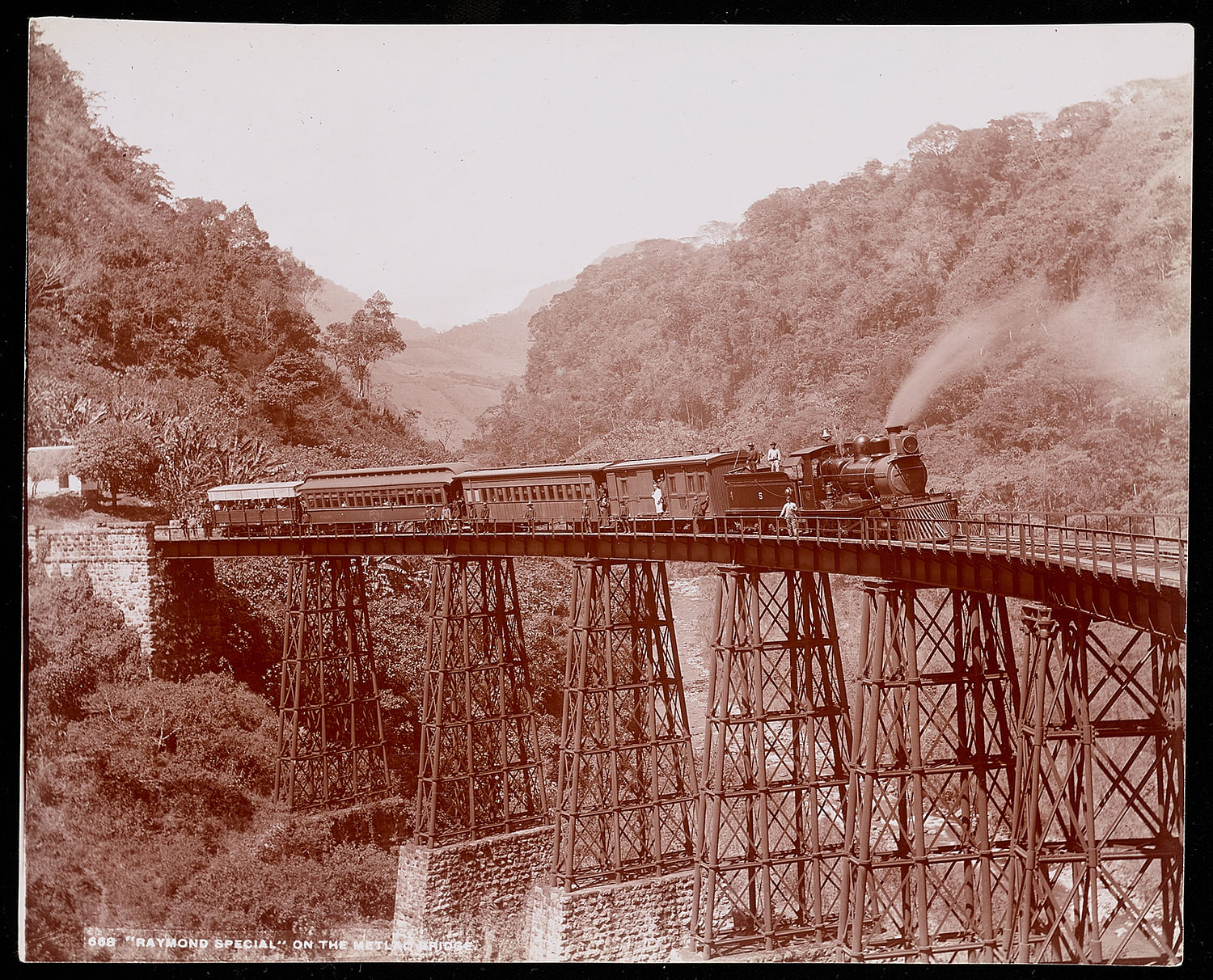
Raymond Special on the Metlac Bridge ca. 1897. Charles Betts Waite (American, 1861–1927) Gelatin silver print.

The exhibition describes the use of Urbanism and architecture as colonial tools of Spanish imperialism, but also the transformation of capital cities following the independence.

Co-curator Idurre Alonso says: “During the 16th century and for the next three centuries, town planning became a key tool for the colonial enterprise guiding the development of commercially functional and militarily strategic cities.”

The Metropolis in Latin America also explores the relationships between Los Angeles and Latin America’s build environment through the development of Mission, Spanish and Mayan revival styles.

Platte Grond van Lima, de Hoofdstad van Peru Plan of Lima, Capital of Peru ca. 1760. Isaak Tirion (Dutch, 1705–1765). Engraving.
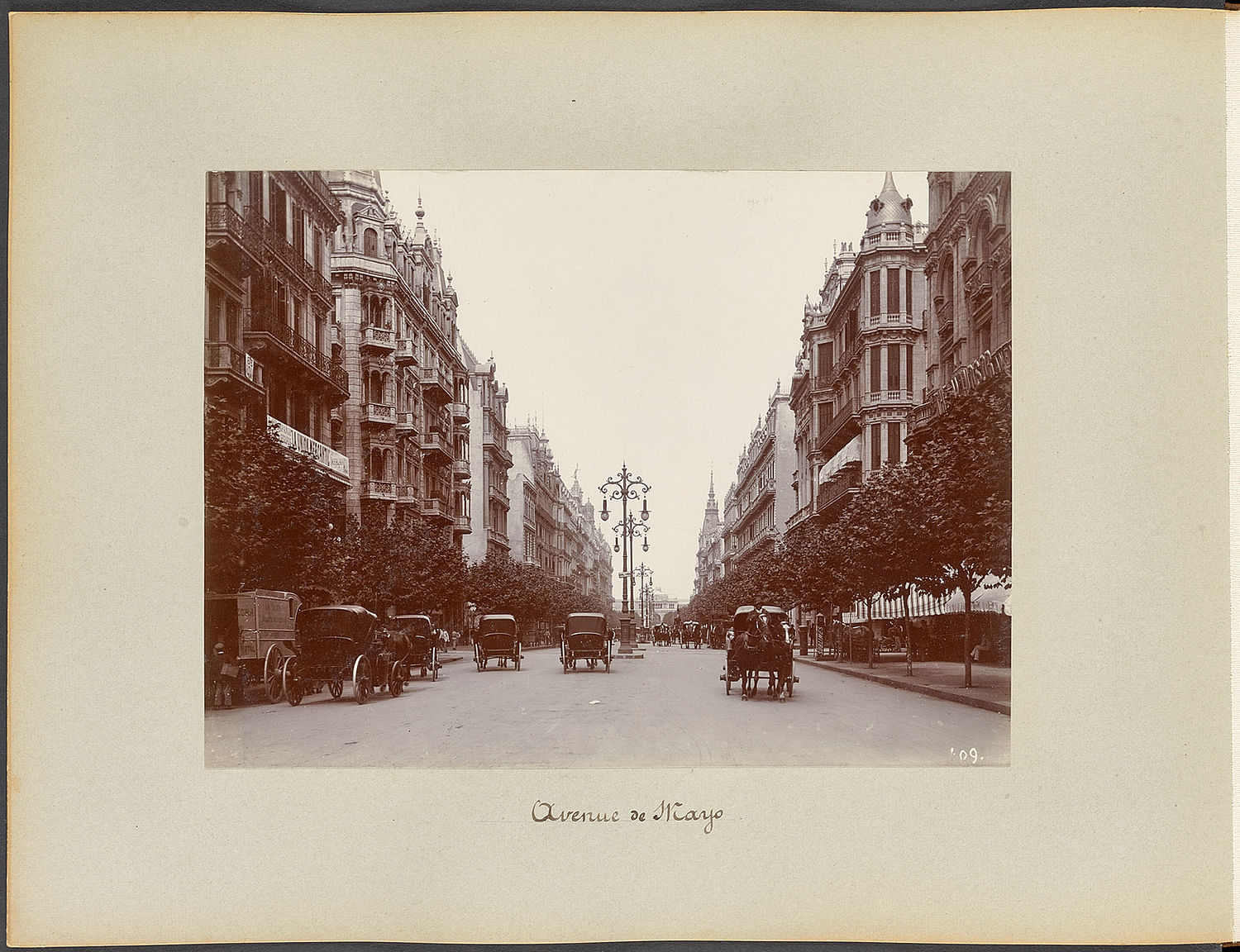
Avenue de Mayo 1914, Unknown photographer, Gelatin silver prints in “Travel Albums from Paul Fleury’s Trips to Switzerland, the Middle East, India, Asia, and South America,” 1896–1918

The  exhibition is part of Pacific Standard Time: LA/LA, a Celebration beyond Borders, a series of exhibition throughout Southern California presenting Latin American and Latino Arts and Culture.

September 16, 2017 through January 7, 2018 at the Getty Research Institute.

All images are courtesy of the Getty.

RELATED EVENT The Metropolis in Latin America, 1830–1930
RELATED EVENT Pacific Standard Time: LA/LA

Related

getty center ● getty research institute ● exhibition ● los angeles ● architecture exhibition ● californa ● usa ● event ● latin america ● urban history ● planning ● pacific standard time

Share

  • Follow

    0 Comments

  • Comment as :

The Getty Research Institute presents The Metropolis in Latin America, 1830–1930

Sign up for Bustler's Email Newsletters

Next page » Loading

The Getty Research Institute presents The Metropolis in Latin America, 1830–1930

By Noémie Despland-Lichtert|

Tuesday, Sep 5, 2017

Share

The City of the Future: Hundred Story City in Neo-American Style Francisco Mujica (Mexican, 1899–1979). Offset lithograph in History of the Skyscraper (Paris: Archaeology & Architecture Press, 1929), pl. 134

Related

getty center ● getty research institute ● exhibition ● los angeles ● architecture exhibition ● californa ● usa ● event ● latin america ● urban history ● planning ● pacific standard time

The Metropolis in Latin America, 1830–1930, explores the impacts of economic and political changes on the urban fabric and built environment of six Latin American Capitals: Buenos Aires, Havana, Lima, Mexico City, Rio de Janeiro, and Santiago de Chile.

Perspective View of the Castle Square Designed by Professor Alfred Agache as the Main Business Center. Alfred Donat Agache (French, 1875–1959) Chromolithograph in Cidade do Rio de Janeiro: Remodelação- Extensão e Embellezamento (Paris: Foyer Brésilien, 1930)

The exhibition is co-curated by Maristella Casciato, curator of architecture and Idurre Alonso, associate curator of Latin American collections, both at the Getty Research Institute.

Divided into seven themes, the Colonial City, Timeline, the Republican City, Spaces for Leisure & Culture, Modern Infrastructure, National Architecture In Context, and Toward Modernism, the objects on display include architectural photography, prints and drawings, plans, maps and more. 
On Santa Lucía Hill, Santiago ca. 1880–1889 Unknown photographer Albumen print
Raymond Special on the Metlac Bridge ca. 1897. Charles Betts Waite (American, 1861–1927) Gelatin silver print.

The exhibition describes the use of Urbanism and architecture as colonial tools of Spanish imperialism, but also the transformation of capital cities following the independence.

Co-curator Idurre Alonso says: “During the 16th century and for the next three centuries, town planning became a key tool for the colonial enterprise guiding the development of commercially functional and militarily strategic cities.”

The Metropolis in Latin America also explores the relationships between Los Angeles and Latin America’s build environment through the development of Mission, Spanish and Mayan revival styles.
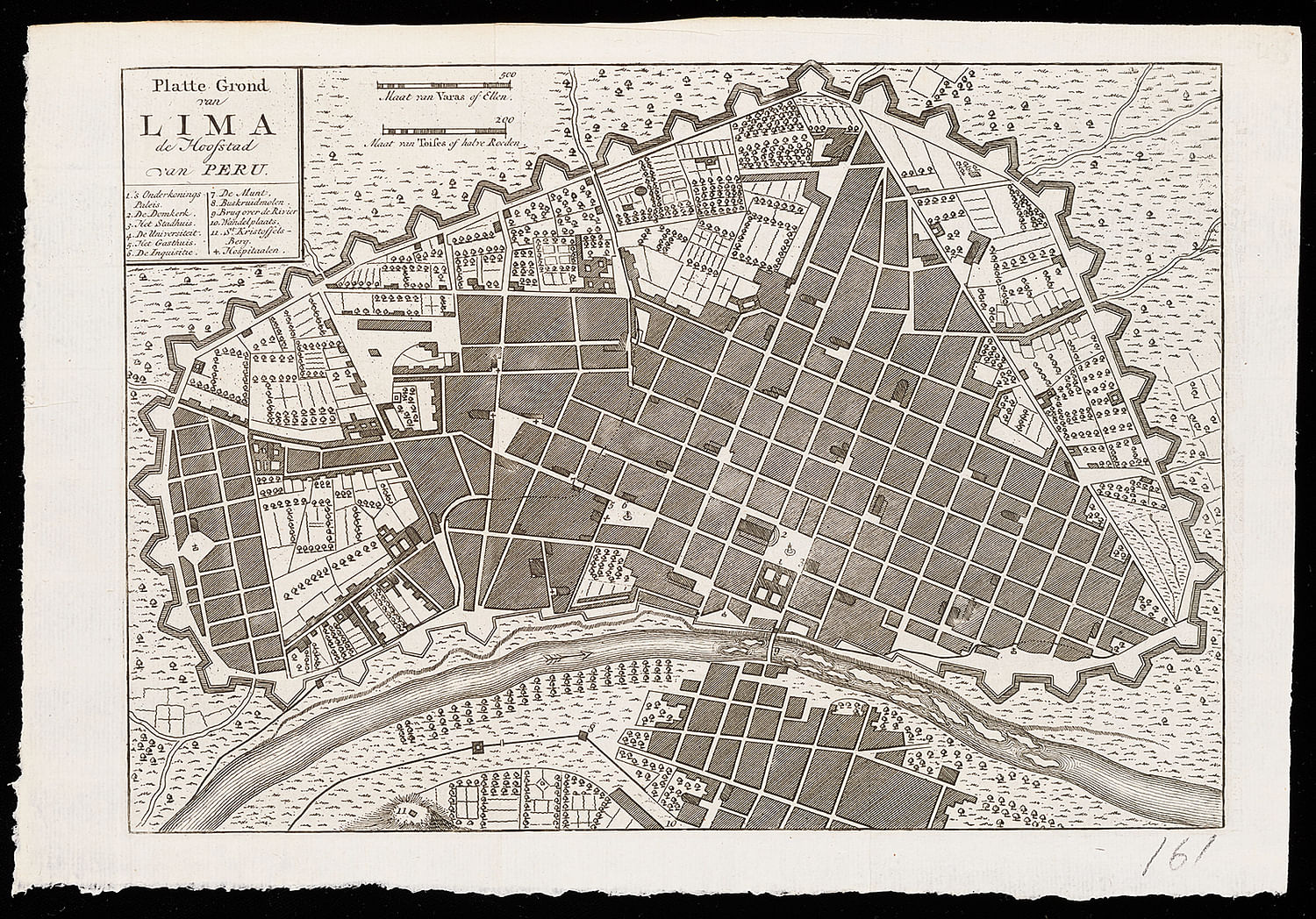
Platte Grond van Lima, de Hoofdstad van Peru Plan of Lima, Capital of Peru ca. 1760. Isaak Tirion (Dutch, 1705–1765). Engraving.
Avenue de Mayo 1914, Unknown photographer, Gelatin silver prints in “Travel Albums from Paul Fleury’s Trips to Switzerland, the Middle East, India, Asia, and South America,” 1896–1918

The  exhibition is part of Pacific Standard Time: LA/LA, a Celebration beyond Borders, a series of exhibition throughout Southern California presenting Latin American and Latino Arts and Culture.

September 16, 2017 through January 7, 2018 at the Getty Research Institute.

All images are courtesy of the Getty.

RELATED EVENT The Metropolis in Latin America, 1830–1930
RELATED EVENT Pacific Standard Time: LA/LA

Share

  • Follow

    0 Comments

  • Comment as :

Archinect JobsArchinect Jobs

The Archinect Job Board attracts the world's top architectural design talents.

VIEW ALL JOBS POST A JOB

Mid-Level Architect/Designer

Payette

Mid-Level Architect/Designer

Boston, MA, US

Project Architect at High End Boutique Townhouse Firm in BK

Steering House Design and Development

Project Architect at High End Boutique Townhouse Firm in BK

Brooklyn, NY, US

Project Architect

Arrowstreet

Project Architect

Boston, MA, US

Project Architect

Turpentine Design

Project Architect

Fuquay-Varina, NC, US

Senior Designer / Architect

NardiHaus

Senior Designer / Architect

Pasadena, CA, US

Architectural Designer | 2-5 Years

LSM

Architectural Designer | 2-5 Years

Washington, DC, US

Designer

HATCH ARCHITECTURE

Designer

Los Angeles, CA, US

Junior Designer

OLIVER FREUNDLICH DESIGN

Junior Designer

New York, NY, US

Project Architect

Gontram Architecture, Inc.

Project Architect

Wake Forest, NC, US

Architect / Urban Designer

Office for the Next Environment (OFTN)

Architect / Urban Designer

New York, NY, US

Next page » Loading