• Login / Join
  • About
  • •
  • Contact
  • •
  • Advertising
bustler logo
bustler logo
  • News
  • Competitions
  • Events
  • Bustler is powered by Archinect
  • Sign up for Bustler's Email Newsletters

  • Follow these Bustler feeds:

  • Search

    Search in

  • Submit

    What are you submitting?

    News Pitch
    Competition
    Event
  • Login / Join
  • News|Competitions|Events
  • Search
    | Submit
    | Follow
  • Search in

    What are you submitting?

    News Pitch
    Competition
    Event

    Follow these Bustler feeds:

  • About|Contact|Advertising
  • Login / Join
Tagged: iceland trekking cabins

Designing a new trekking cabin for the Icelandic wilderness

By Justine Testado|

Friday, Sep 16, 2016

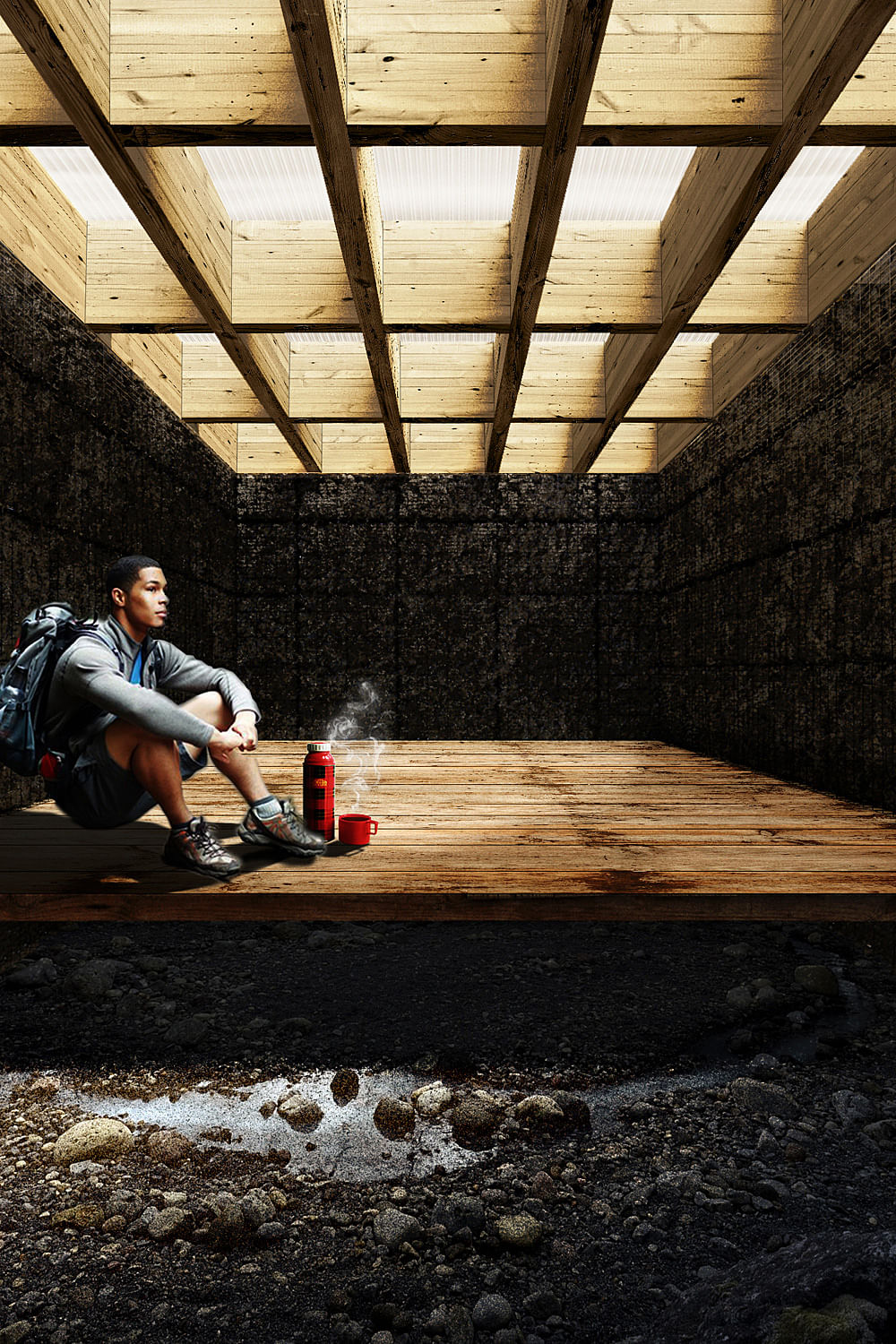
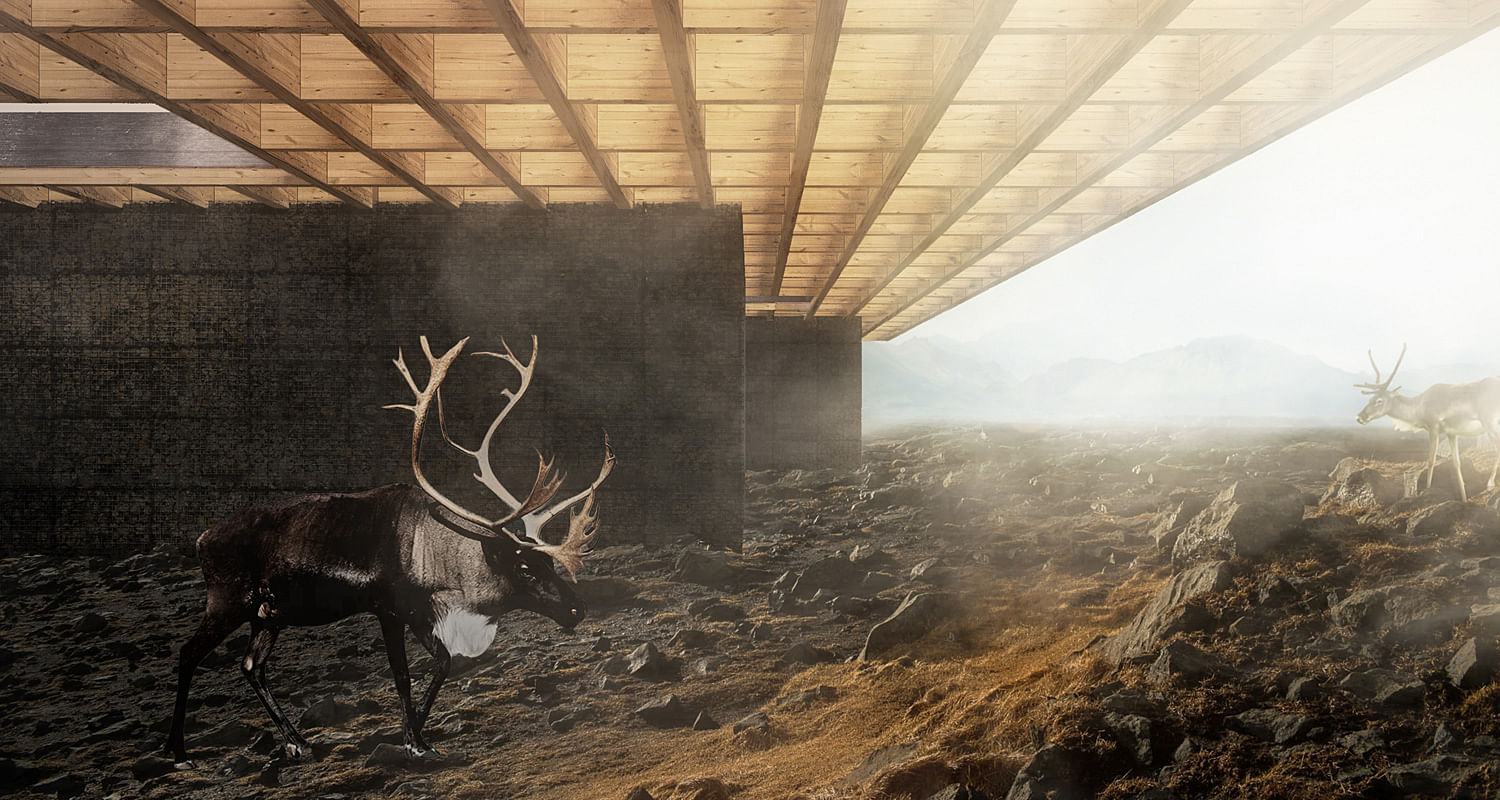
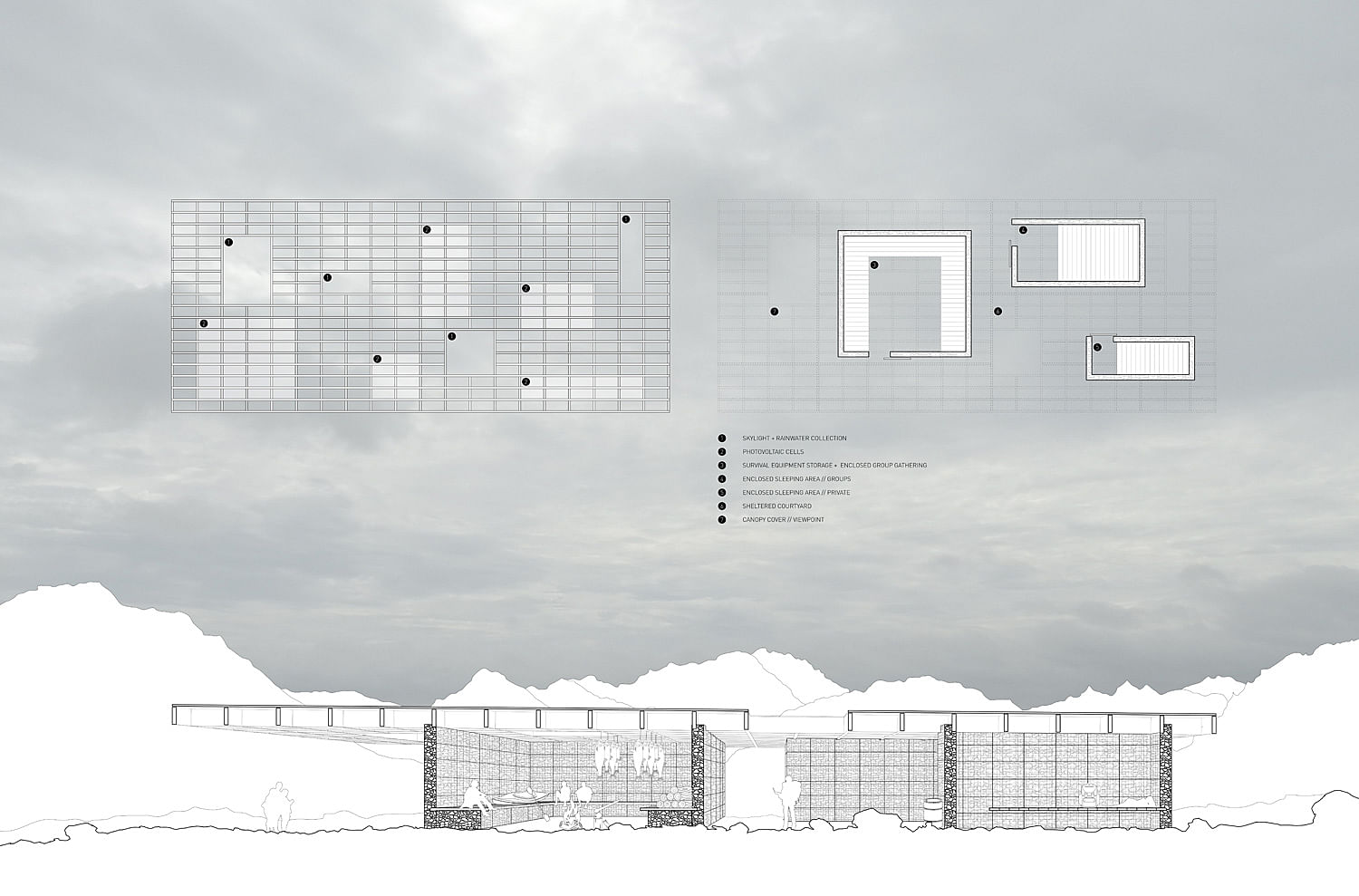
1ST PRIZE: “Terra Firma” by Deagan McDonald and Kelsey Nilsen | Canada

The little Nordic island of Iceland boasts some of the world's most hauntingly beautiful natural landscapes, which attract travelers from around the globe. In Bee Breeders' latest ideas competition Iceland Trekking Cabins, participants proposed their most inventive concepts for a trekking cabin that can be replicated in various types of terrain along some of the country's famous trekking paths.

The cabin has to have enough room for up to 20 people and withstand extreme elements, while also uniquely represent Iceland's identity and be as sensitive as possible to the landscape. In the end of the competition, the jury selected the three prize winners and six honorable mentions.

Have a look at the prize-winning entries below.
RELATED COMPETITION Iceland Trekking Cabins
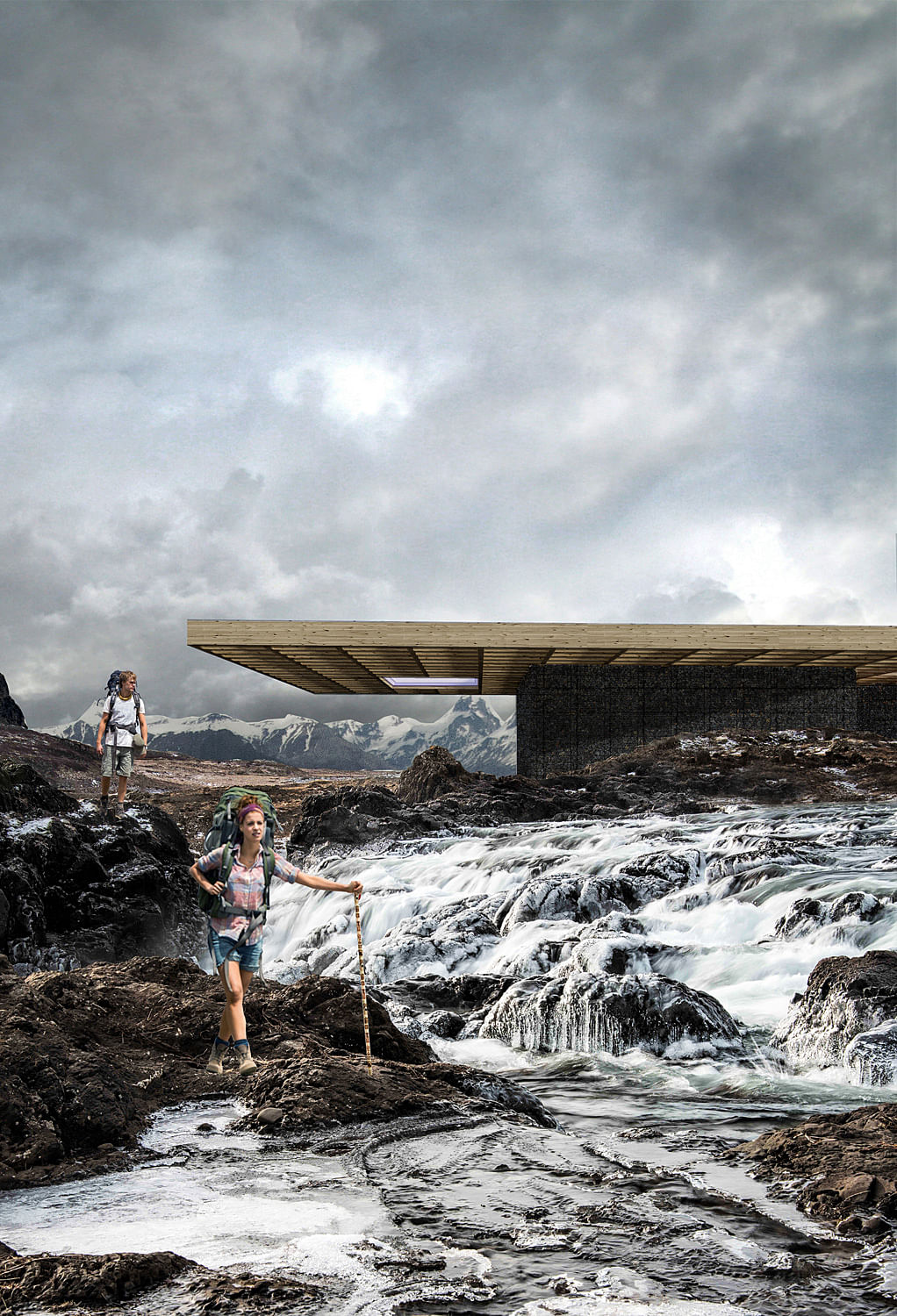
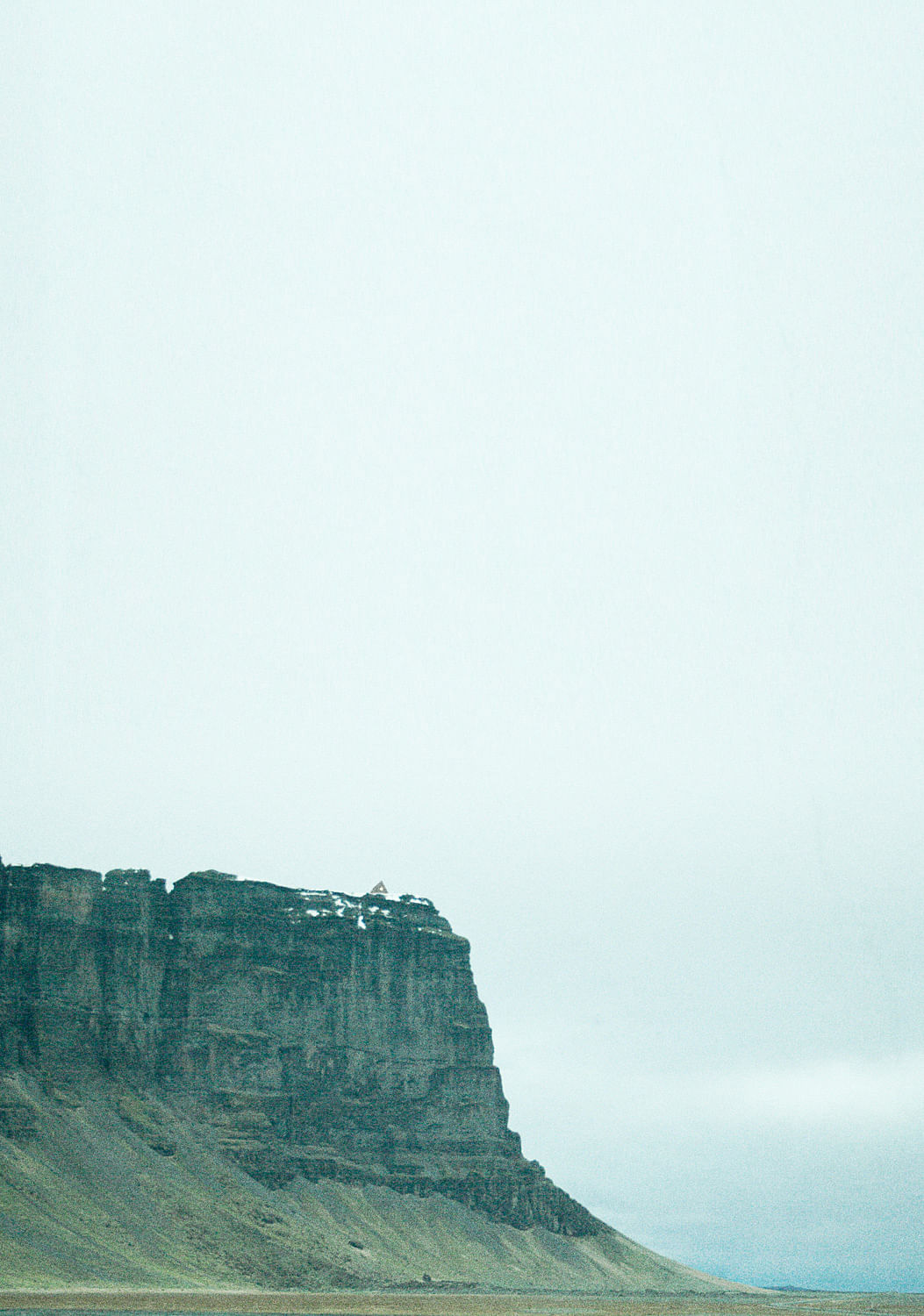
1ST PRIZE: “Terra Firma” by Deagan McDonald and Kelsey Nilsen | Canada

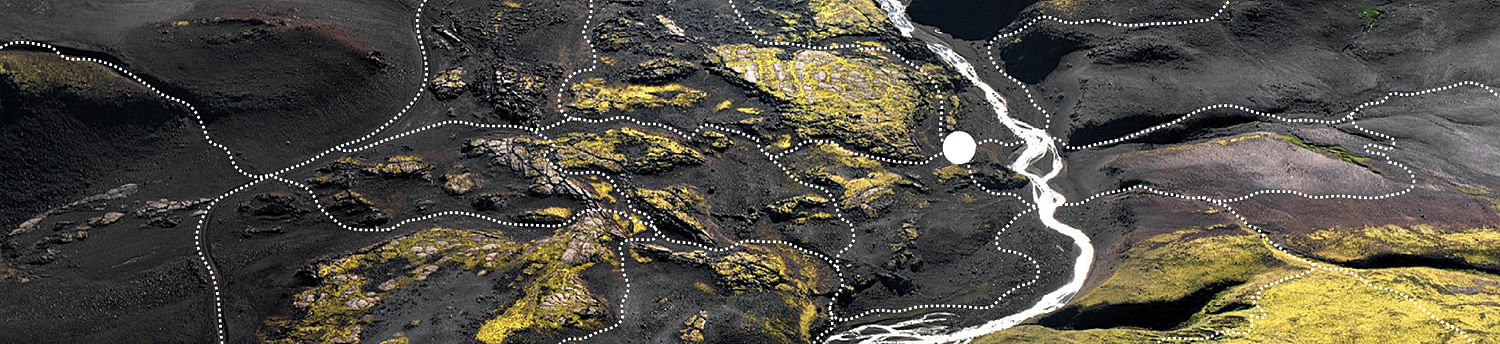
Jury commentary: “First place is awarded to a project distinguished by its clever articulation of the most basic elements of shelter — the roof and wall — to create a fully immersive experience. The shelter presents itself as an expansive roof, allowing the textured landscape to permeate through. Supporting the roof, gabion walls from local stone rise from the ground, appearing as pre existing relics in the landscape. Arranged into three distinct volumes, the walls create both interior shelter from the elements and exterior gathering space. Elevated wooden platforms are inserted as needed in the interior, providing reprieve from the elements, leaving the local terrain largely untouched. The weight of the roof and walls celebrate permanence, while the porous quality of the material and spatial sequencing open the project to the transitory nature of the landscape.

It is in this delicate balance between rigid structure and an untouched landscape that the project finds resonance. The play between manmade and natural heightens the visitors awareness of surrounding, allowing protection from the elements while still remaining fully engaged within the environment. In a landscape where the temporal patterns of hiking and camping are lauded for a leave no trace transience, the shelter challenges the perception that permanence and obstruction necessarily go hand-in-hand, developing an architectural language that both monumentalizes the act of camping and allows natural systems of the site — animals, hydrology, and fauna — to flow through uninterrupted.”

2ND PRIZE: Robin Krasse, Karl Lagerqvist, Mattias Dahlberg | Sweden

2ND PRIZE: Robin Krasse, Karl Lagerqvist, Mattias Dahlberg | Sweden

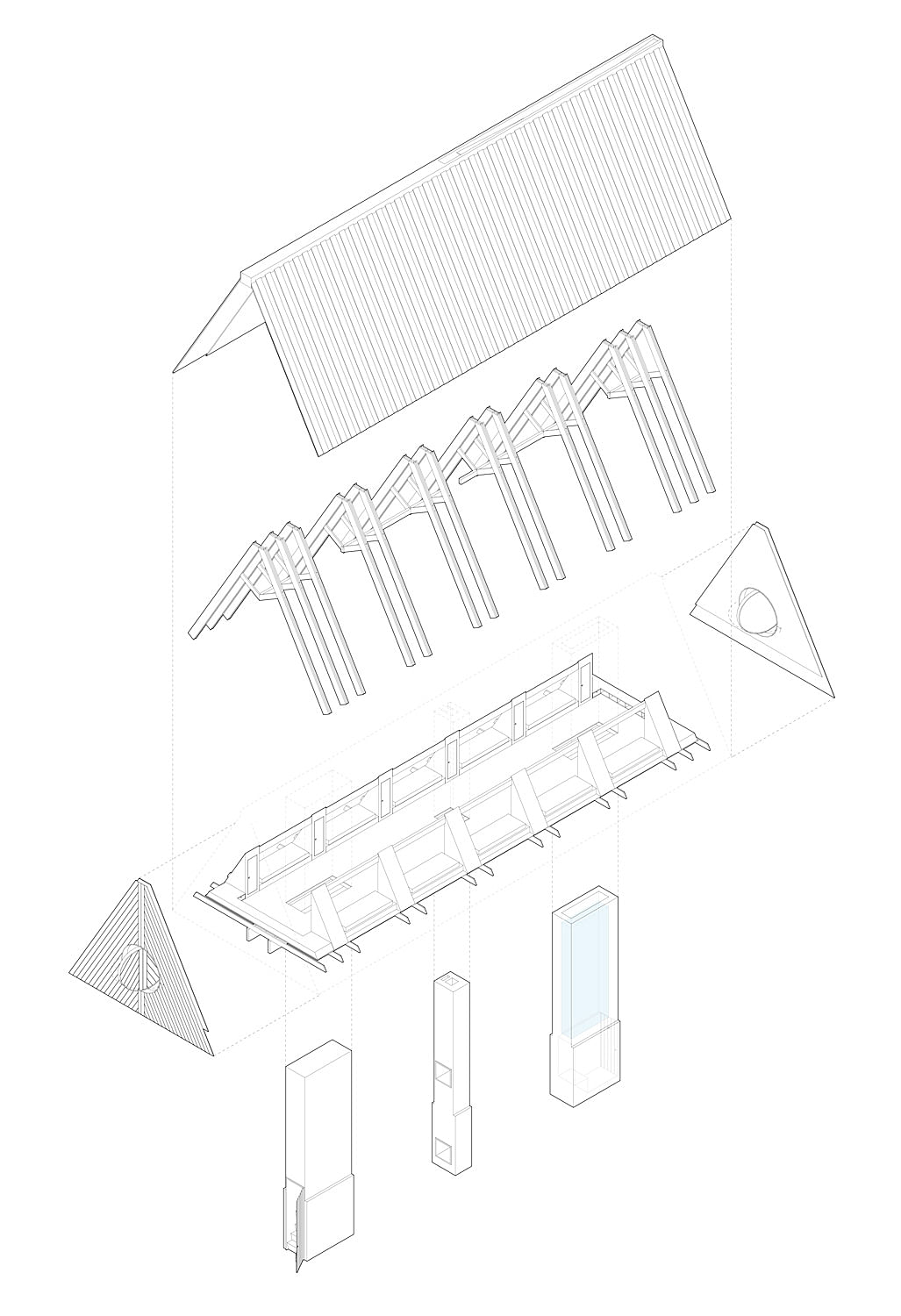
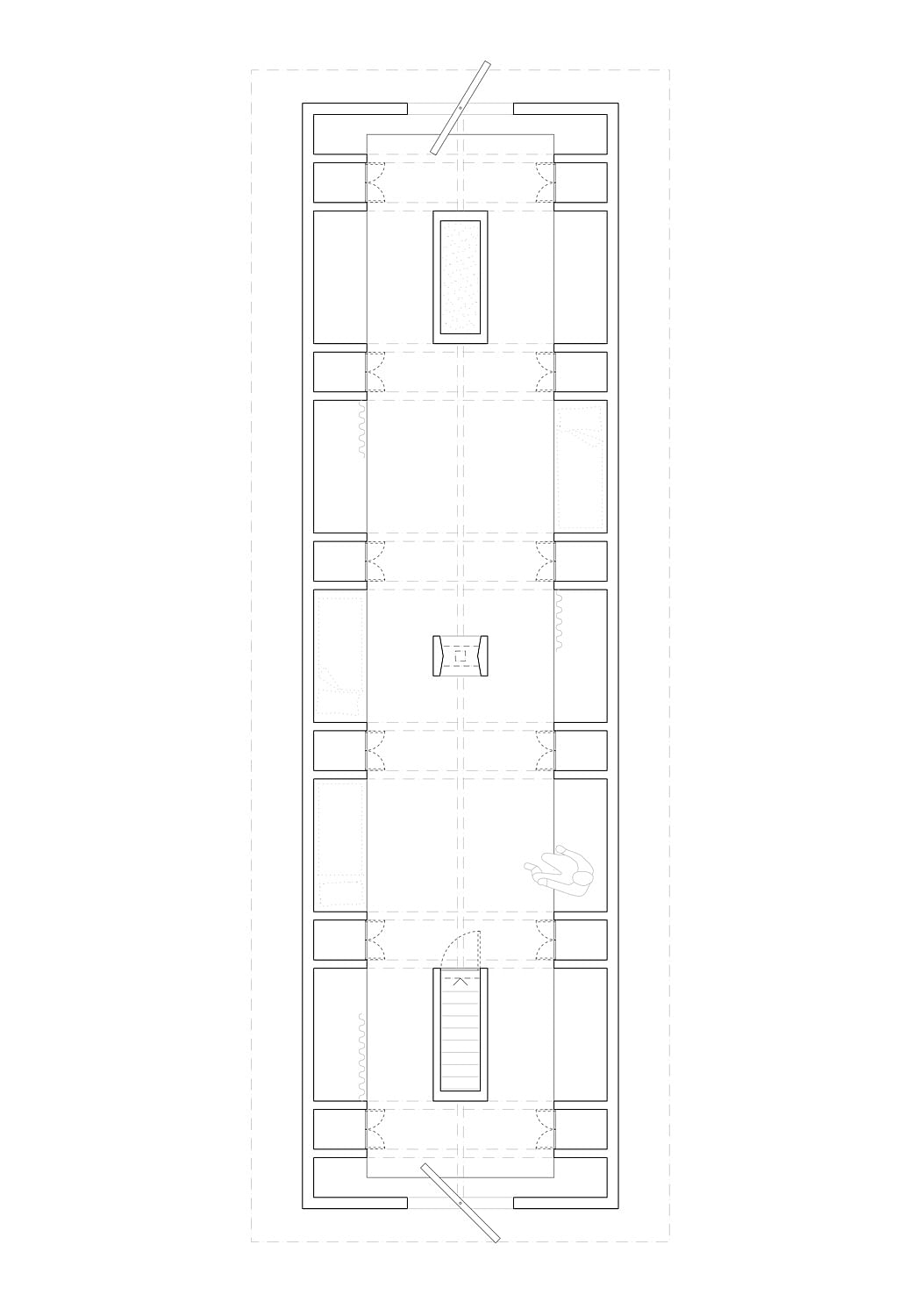
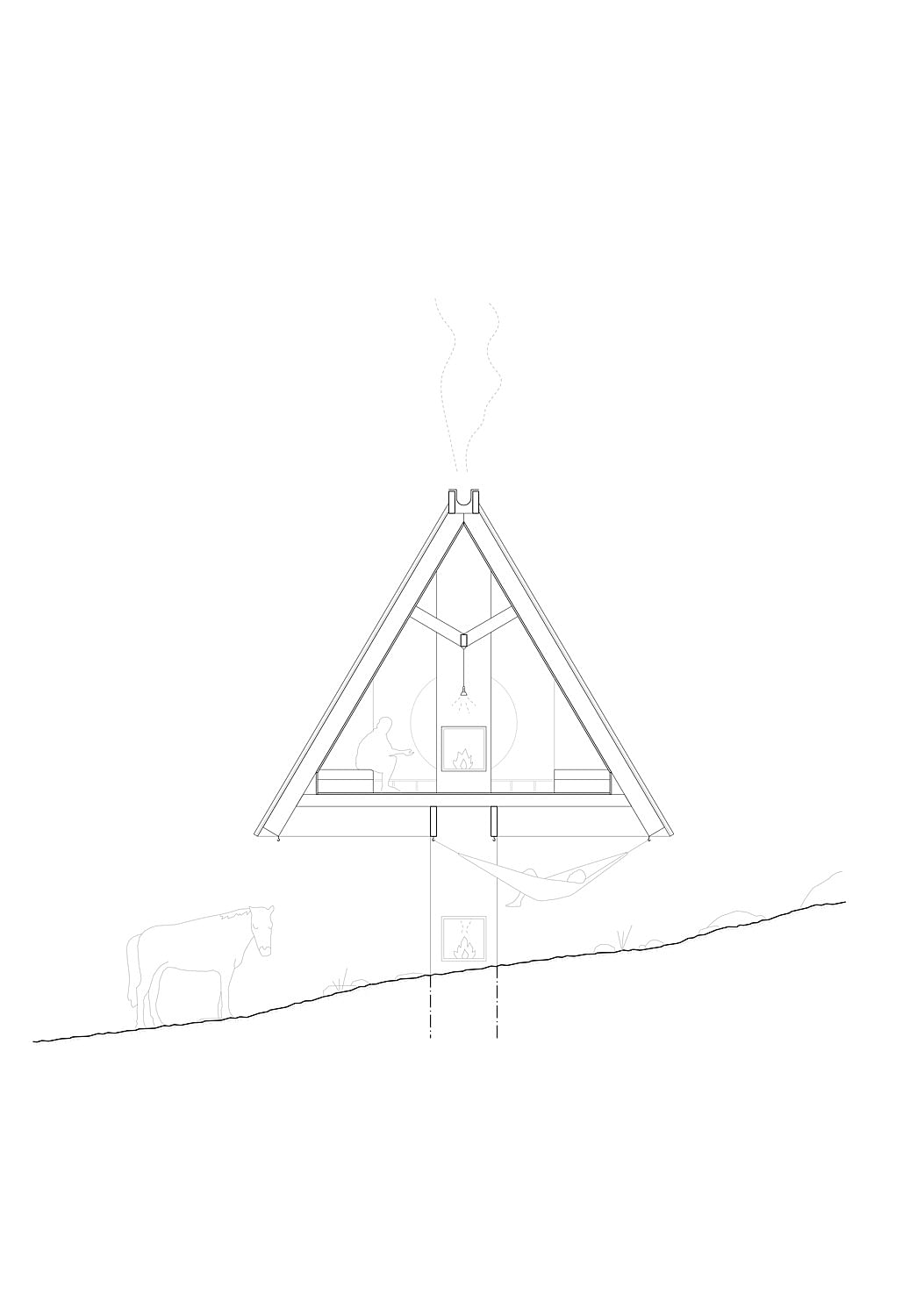
Jury commentary: “The success of the second place proposal...lies in its simplicity and strength of parti. Three aligned and evenly spaced concrete cores contain the circulation, hearth, and bathroom of the cabin and also serve to elevate the structure above the ground. The light touch of these primitive elements on the fragile ecological landscape serves a triple function: allowing for extra shelter beneath the structure, creating a public gathering space, and solving the difficult problem of maintenance under heavy snow conditions. Materially, these cores are rendered as unapologetically raw concrete, an admission of the manmade substance of the structure in relation to the wild nature it sits upon. 

The elevated portion of the structure is enclosed in a pitched wooden roof, evoking the dual vernacular of both provisional shelter and agricultural structures indigenous to the region. In addition to the plume of smoke issuing from the hearth and through the roof, the iconic symbol of the circular aperture inscribed in each gable acts as a simple lantern in the distance, beckoning the weary traveler. Once again, the parti presents its strength in the plan of the sleeping quarters: relating the structural bays supporting the roof to the dimension of the reclined human body and ordering the bunks around two shared public spaces flanking the hearth. This interior organization creates a harsh split between the space of the human and the terrain of the land, its interiority evoking the radical absence of the ground plane. The project thus proposes a prototypical shelter, but fine-tunes it to the fragility and potency of the Icelandic terrain.”

3RD PRIZE: “Heima” by Jonathon Donnelly, Jennifer McMaster from Trias | Australia

3RD PRIZE: “Heima” by Jonathon Donnelly, Jennifer McMaster from Trias | Australia

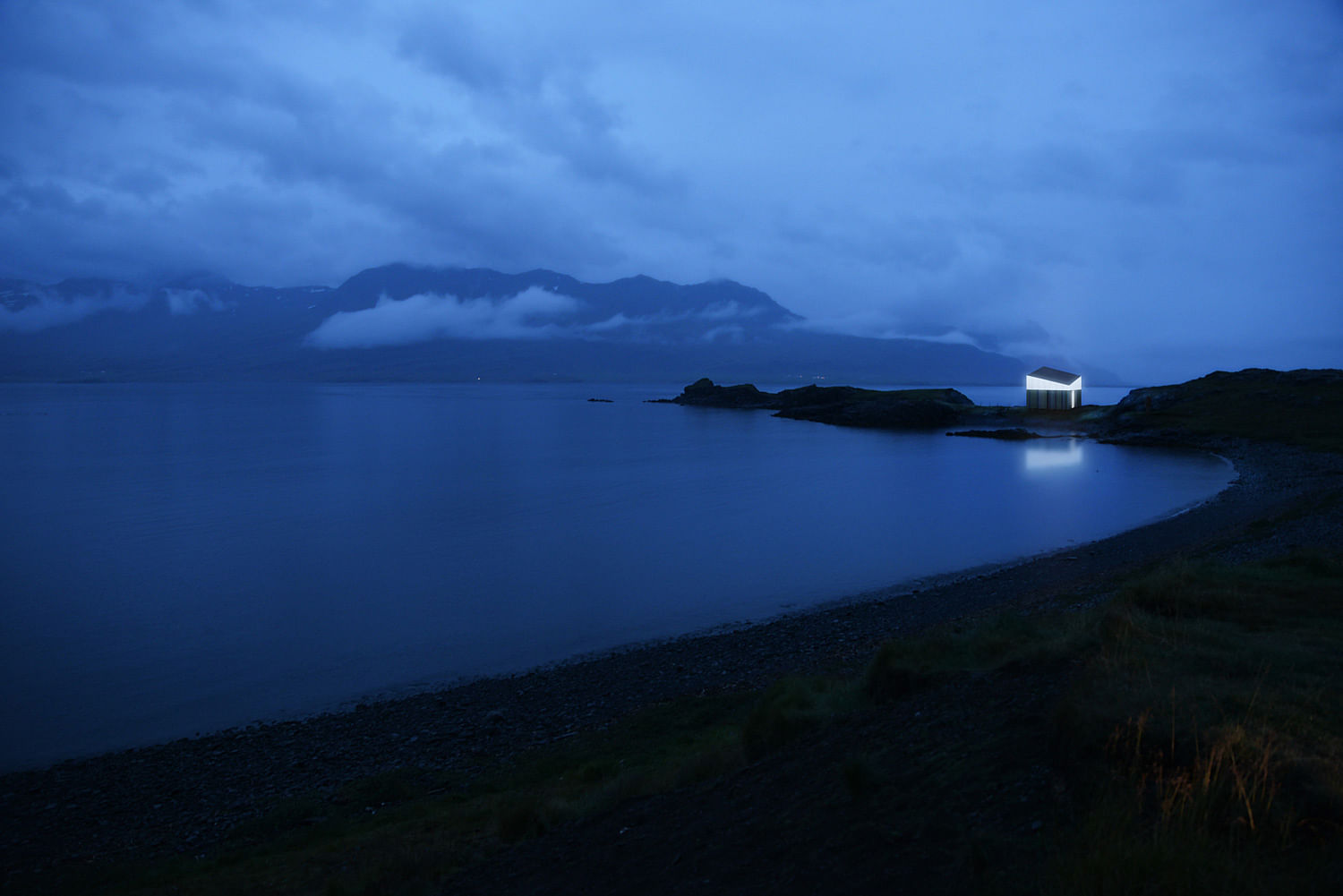
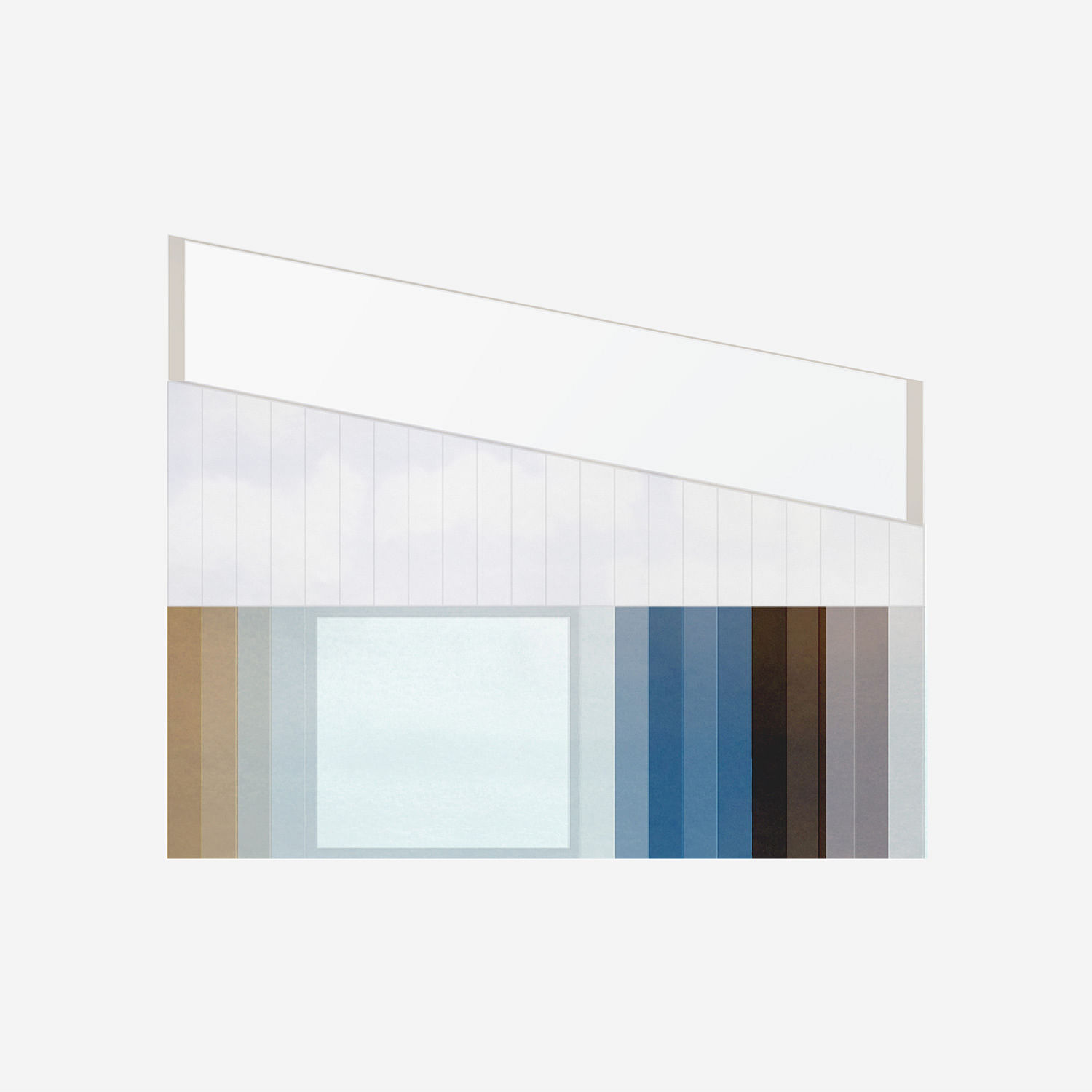
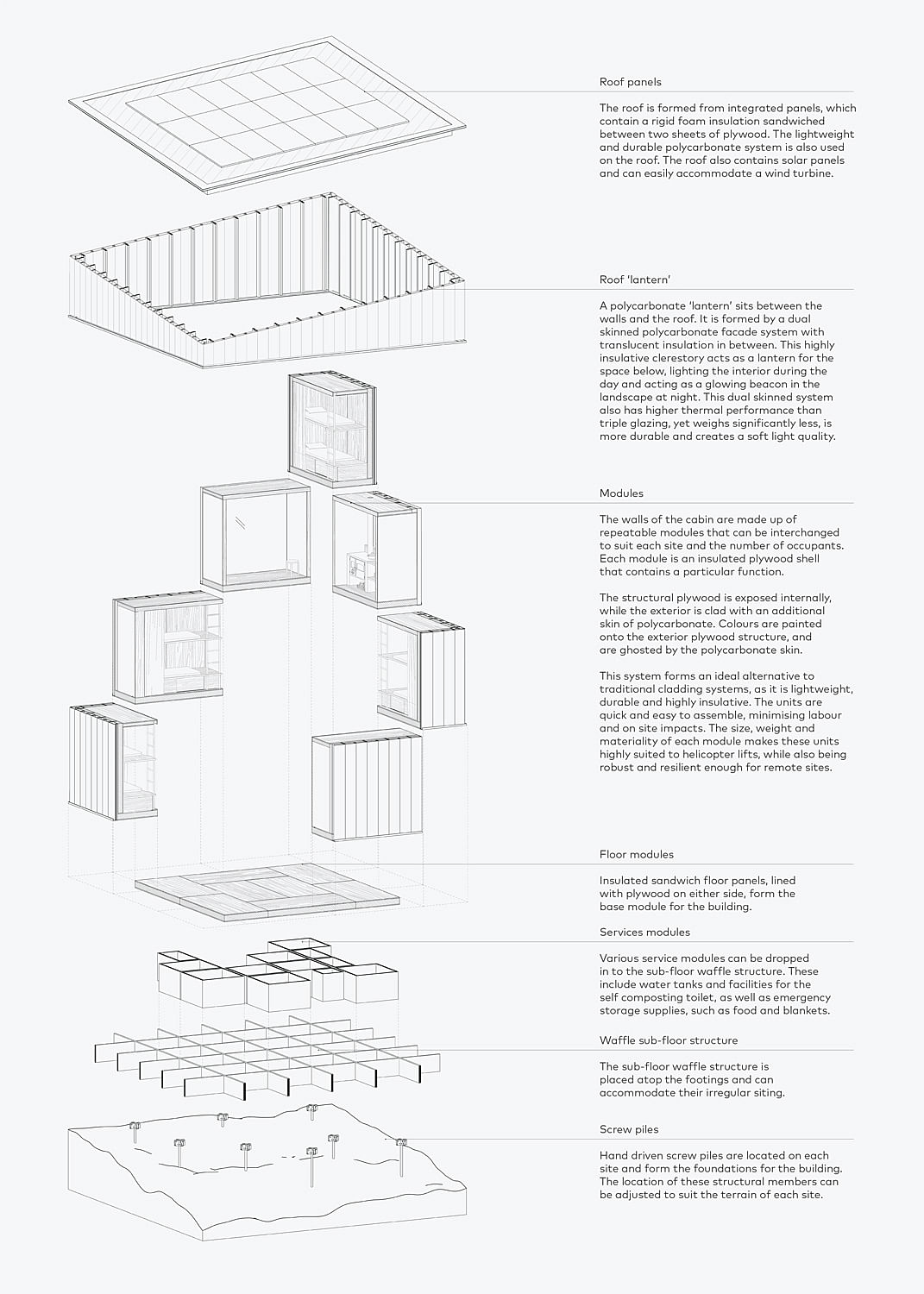
Jury commentary: “[This] proposal sets itself apart in the use of cabinetry as a language to create shelter. Through the dimensional unit of the tatami mat, the project creates a modular furniture system that defines the perimeter of the shared central space, creating a gradient between the common dining area and private sleeping cells. The furniture units are comprised of lightweight plywood and are a collection of bed, window, entry, and kitchen modules: each cabin unit can be adjusted, reoriented, and scaled to adapt to the uniqueness of the Icelandic landscape. This kit of parts is clad in polycarbonate skin, a material that in its obscuring translucency and reflectivity, mirrors the mercurial atmosphere of the Nordic sky. At night, it functions as a lantern, marking the terrain through the light that spills from its clerestory. 

It is in this simultaneous suppression and celebration of the architectural object that a spatial nuance is added to the proposal. The project is an interrogation of interiority, using the device of the inhabitable cabinet to define and engage the public-private dichotomy of domesticity. A collection of discrete pieces, the furniture modules provide the infrastructure of the living space. Through the system’s logic of aggregation, the modules reinforce the frame of the cabin, leaving a generous space in the center for collective activities. Unifying the assemblage of furniture modules, the polycarbonate shell opens the interior to the landscape, enlarging the volume of the cabin and bringing in light, color, and texture of the Icelandic sky.”

More images of the winning entries in the gallery below. You can find the winning projects and Honorable Mentions here.

All images courtesy of Bee Breeders Architecture Competitions.

RELATED NEWS Rome Concrete Poetry Hall winners revisit the roots of concrete architecture
RELATED NEWS Glimpsing into the World Wide Web's past + future in the London Internet Museum
RELATED NEWS Re-examining the role of cannabis through architecture in the Cannabis Bank competition

Related

iceland trekking cabins ● bee breeders architecture competition ● bee breeders ● competition ● ideas competition ● cabin ● iceland ● outdoors ● europe

Share

  • Follow

    0 Comments

  • Comment as :

Designing a new trekking cabin for the Icelandic wilderness

Sign up for Bustler's Email Newsletters

Next page » Loading

Designing a new trekking cabin for the Icelandic wilderness

By Justine Testado|

Friday, Sep 16, 2016

Share

1ST PRIZE: “Terra Firma” by Deagan McDonald and Kelsey Nilsen | Canada

Related

iceland trekking cabins ● bee breeders architecture competition ● bee breeders ● competition ● ideas competition ● cabin ● iceland ● outdoors ● europe

The little Nordic island of Iceland boasts some of the world's most hauntingly beautiful natural landscapes, which attract travelers from around the globe. In Bee Breeders' latest ideas competition Iceland Trekking Cabins, participants proposed their most inventive concepts for a trekking cabin that can be replicated in various types of terrain along some of the country's famous trekking paths.

The cabin has to have enough room for up to 20 people and withstand extreme elements, while also uniquely represent Iceland's identity and be as sensitive as possible to the landscape. In the end of the competition, the jury selected the three prize winners and six honorable mentions.

Have a look at the prize-winning entries below.
RELATED COMPETITION Iceland Trekking Cabins
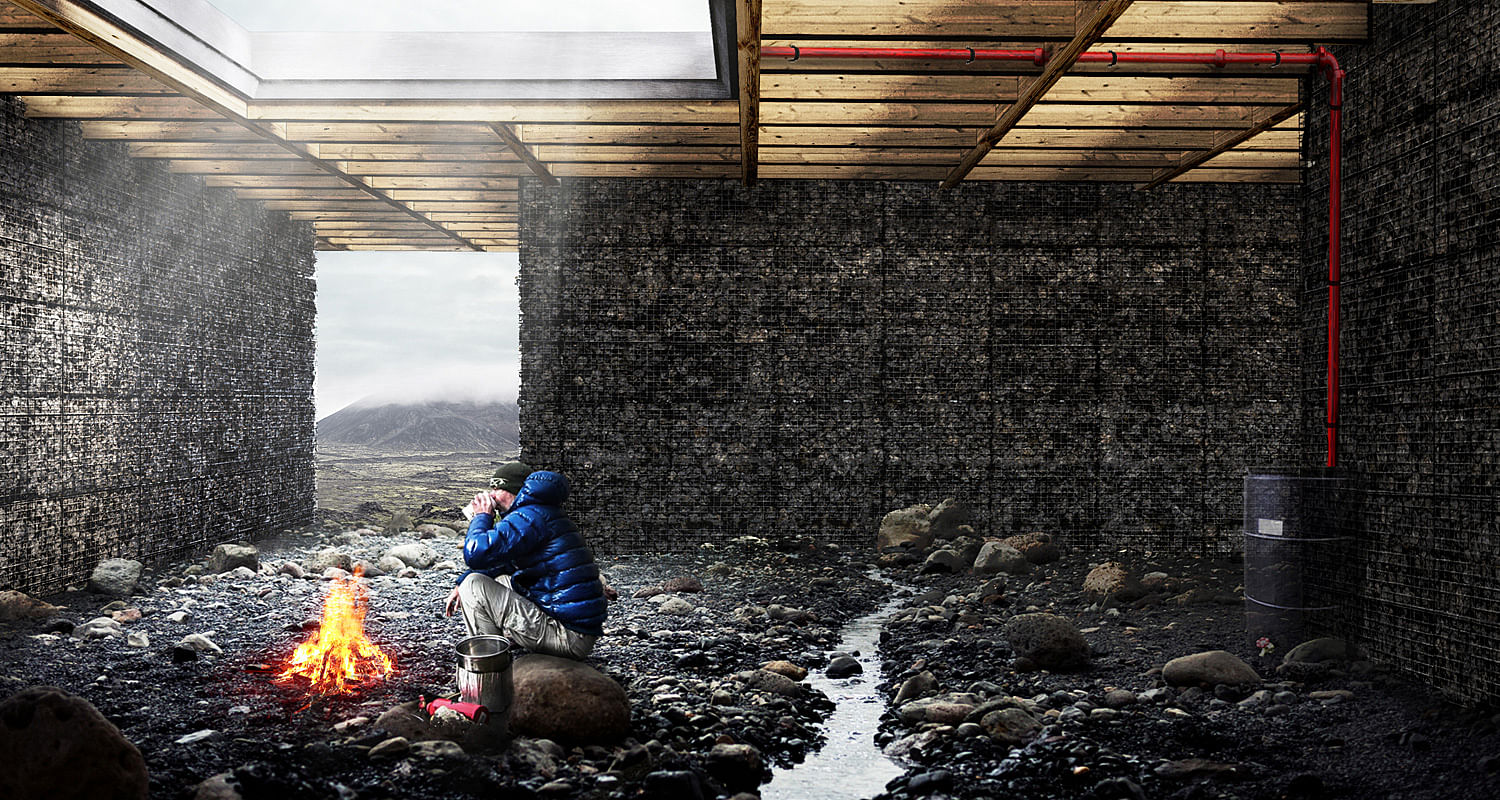
1ST PRIZE: “Terra Firma” by Deagan McDonald and Kelsey Nilsen | Canada

Jury commentary: “First place is awarded to a project distinguished by its clever articulation of the most basic elements of shelter — the roof and wall — to create a fully immersive experience. The shelter presents itself as an expansive roof, allowing the textured landscape to permeate through. Supporting the roof, gabion walls from local stone rise from the ground, appearing as pre existing relics in the landscape. Arranged into three distinct volumes, the walls create both interior shelter from the elements and exterior gathering space. Elevated wooden platforms are inserted as needed in the interior, providing reprieve from the elements, leaving the local terrain largely untouched. The weight of the roof and walls celebrate permanence, while the porous quality of the material and spatial sequencing open the project to the transitory nature of the landscape.

It is in this delicate balance between rigid structure and an untouched landscape that the project finds resonance. The play between manmade and natural heightens the visitors awareness of surrounding, allowing protection from the elements while still remaining fully engaged within the environment. In a landscape where the temporal patterns of hiking and camping are lauded for a leave no trace transience, the shelter challenges the perception that permanence and obstruction necessarily go hand-in-hand, developing an architectural language that both monumentalizes the act of camping and allows natural systems of the site — animals, hydrology, and fauna — to flow through uninterrupted.”

2ND PRIZE: Robin Krasse, Karl Lagerqvist, Mattias Dahlberg | Sweden
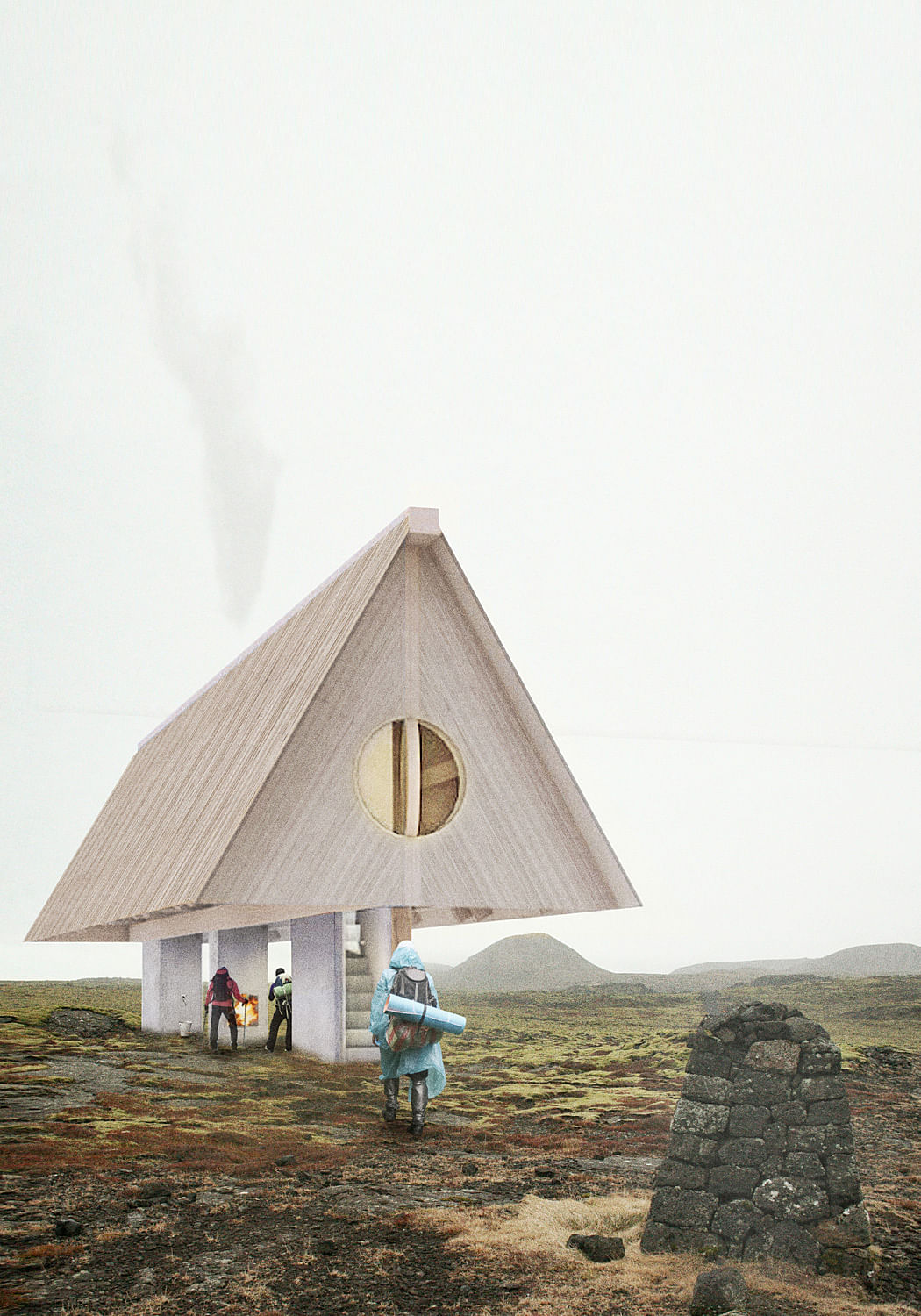
2ND PRIZE: Robin Krasse, Karl Lagerqvist, Mattias Dahlberg | Sweden
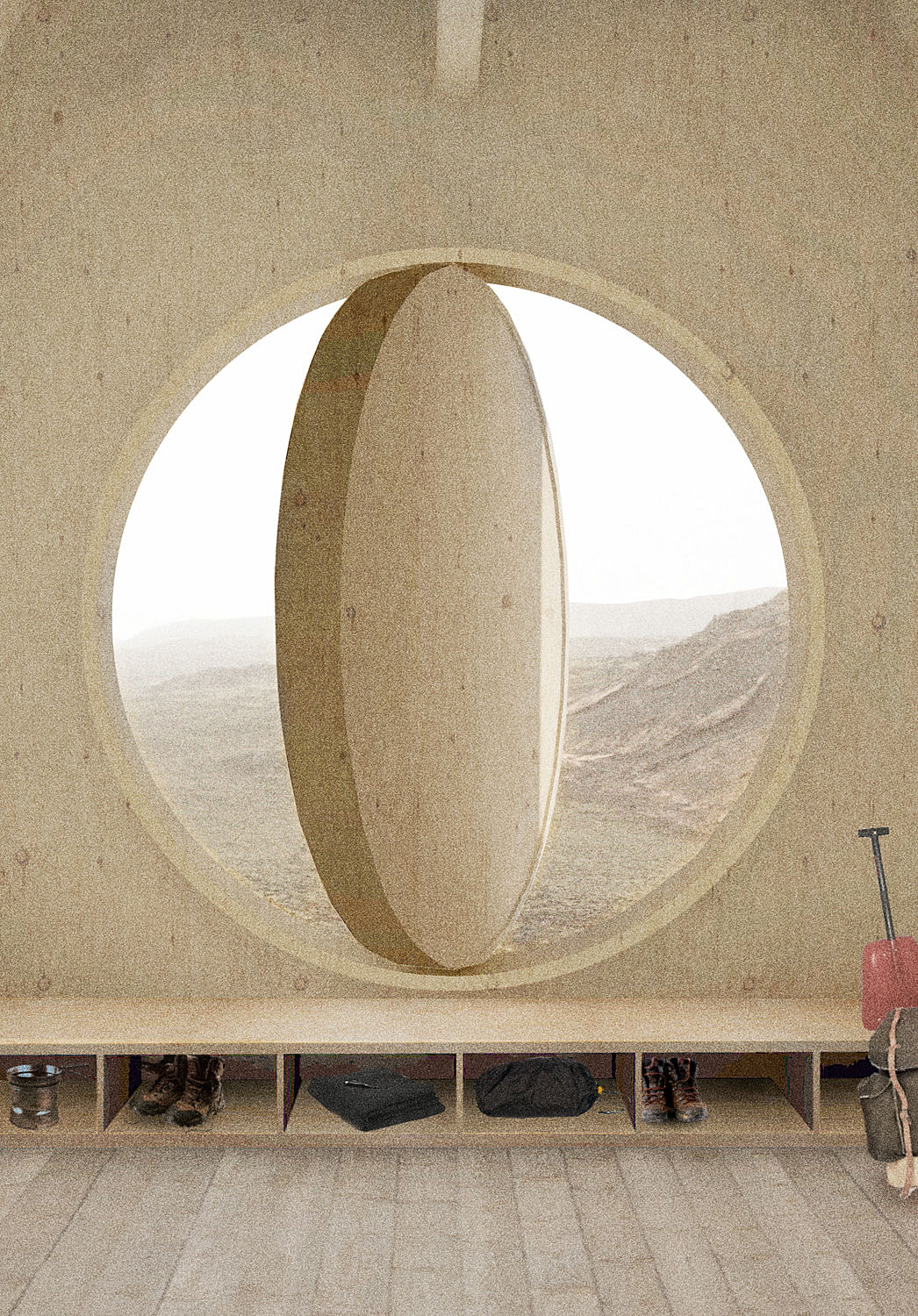

Jury commentary: “The success of the second place proposal...lies in its simplicity and strength of parti. Three aligned and evenly spaced concrete cores contain the circulation, hearth, and bathroom of the cabin and also serve to elevate the structure above the ground. The light touch of these primitive elements on the fragile ecological landscape serves a triple function: allowing for extra shelter beneath the structure, creating a public gathering space, and solving the difficult problem of maintenance under heavy snow conditions. Materially, these cores are rendered as unapologetically raw concrete, an admission of the manmade substance of the structure in relation to the wild nature it sits upon. 

The elevated portion of the structure is enclosed in a pitched wooden roof, evoking the dual vernacular of both provisional shelter and agricultural structures indigenous to the region. In addition to the plume of smoke issuing from the hearth and through the roof, the iconic symbol of the circular aperture inscribed in each gable acts as a simple lantern in the distance, beckoning the weary traveler. Once again, the parti presents its strength in the plan of the sleeping quarters: relating the structural bays supporting the roof to the dimension of the reclined human body and ordering the bunks around two shared public spaces flanking the hearth. This interior organization creates a harsh split between the space of the human and the terrain of the land, its interiority evoking the radical absence of the ground plane. The project thus proposes a prototypical shelter, but fine-tunes it to the fragility and potency of the Icelandic terrain.”

3RD PRIZE: “Heima” by Jonathon Donnelly, Jennifer McMaster from Trias | Australia
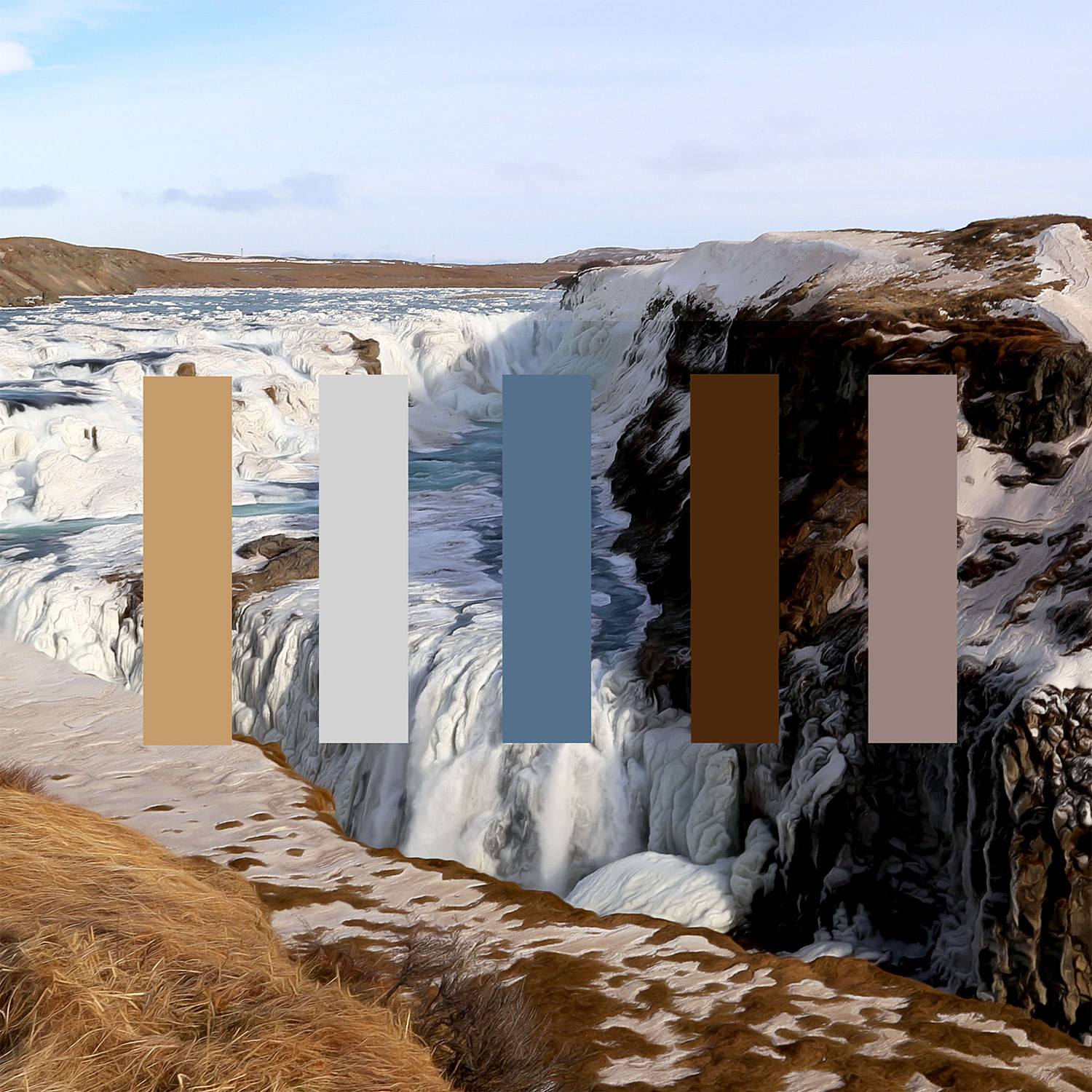
3RD PRIZE: “Heima” by Jonathon Donnelly, Jennifer McMaster from Trias | Australia
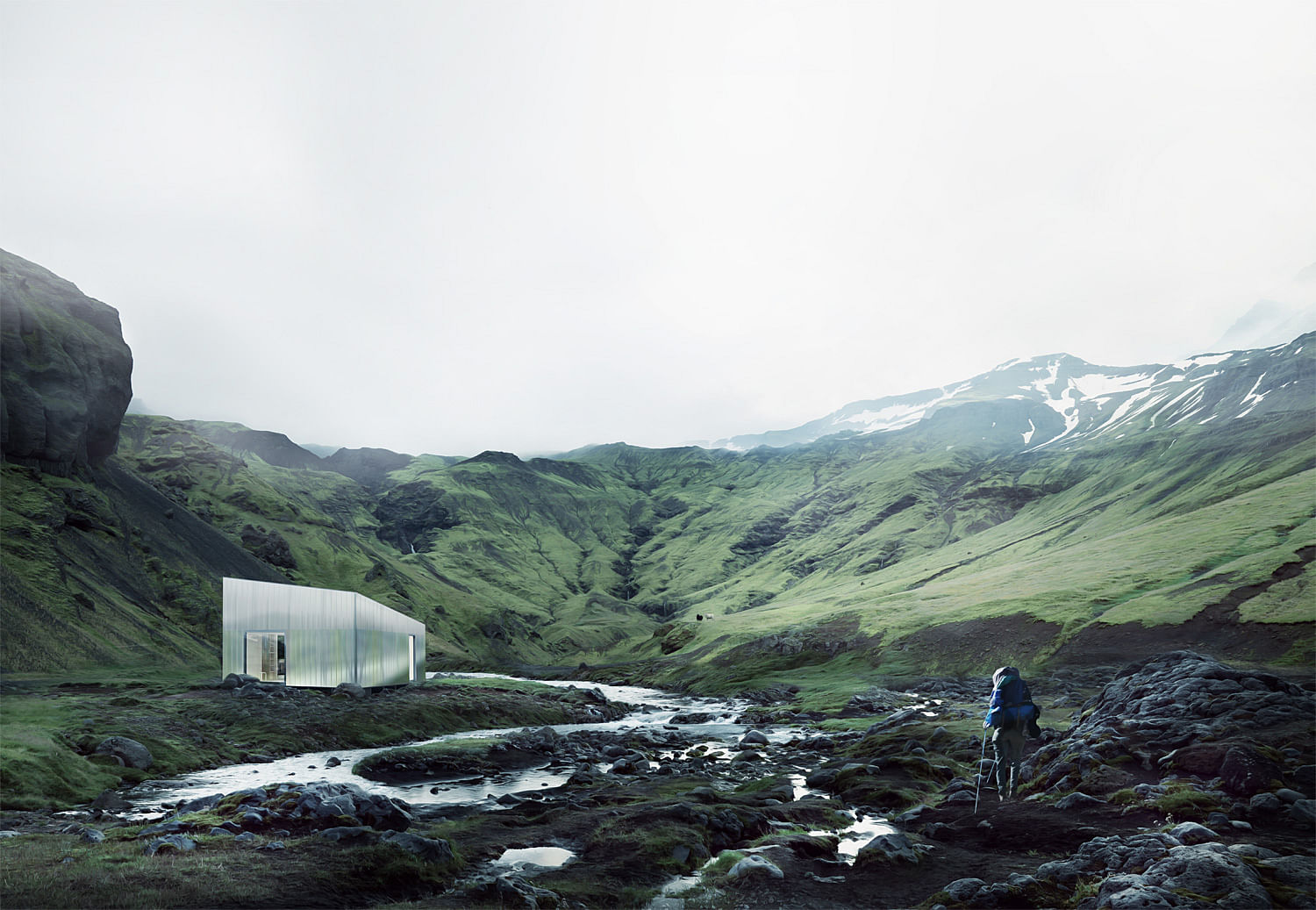

Jury commentary: “[This] proposal sets itself apart in the use of cabinetry as a language to create shelter. Through the dimensional unit of the tatami mat, the project creates a modular furniture system that defines the perimeter of the shared central space, creating a gradient between the common dining area and private sleeping cells. The furniture units are comprised of lightweight plywood and are a collection of bed, window, entry, and kitchen modules: each cabin unit can be adjusted, reoriented, and scaled to adapt to the uniqueness of the Icelandic landscape. This kit of parts is clad in polycarbonate skin, a material that in its obscuring translucency and reflectivity, mirrors the mercurial atmosphere of the Nordic sky. At night, it functions as a lantern, marking the terrain through the light that spills from its clerestory. 

It is in this simultaneous suppression and celebration of the architectural object that a spatial nuance is added to the proposal. The project is an interrogation of interiority, using the device of the inhabitable cabinet to define and engage the public-private dichotomy of domesticity. A collection of discrete pieces, the furniture modules provide the infrastructure of the living space. Through the system’s logic of aggregation, the modules reinforce the frame of the cabin, leaving a generous space in the center for collective activities. Unifying the assemblage of furniture modules, the polycarbonate shell opens the interior to the landscape, enlarging the volume of the cabin and bringing in light, color, and texture of the Icelandic sky.”

More images of the winning entries in the gallery below. You can find the winning projects and Honorable Mentions here.

All images courtesy of Bee Breeders Architecture Competitions.
RELATED NEWS Rome Concrete Poetry Hall winners revisit the roots of concrete architecture
RELATED NEWS Glimpsing into the World Wide Web's past + future in the London Internet Museum
RELATED NEWS Re-examining the role of cannabis through architecture in the Cannabis Bank competition

Share

  • Follow

    0 Comments

  • Comment as :

Archinect JobsArchinect Jobs

The Archinect Job Board attracts the world's top architectural design talents.

VIEW ALL JOBS POST A JOB

Architectural Designer / Junior Architect (1–3 Years Experience)

Andrew Magnes Architecture

Architectural Designer / Junior Architect (1–3 Years Experience)

Brooklyn, NY, US

Miami Senior Project Coordinator

BMA Architects

Miami Senior Project Coordinator

Miami, FL, US

Project Manager/architect

MKNH Architects

Project Manager/architect

New York, NY, US

Architectural Project Manager - Multifamily

DAHLIN Architecture | Planning | Interiors

Architectural Project Manager - Multifamily

San Diego, CA, US

Healthcare Project Manager

NK Architects

Healthcare Project Manager

New York, NY, US

Interior Designer - Intermediate Level (3-7 Years)

Yazdani Studio of Cannon Design

Interior Designer - Intermediate Level (3-7 Years)

Los Angeles, CA, US

Project Architect

The Goldman Group

Project Architect

Walpole, MA, US

Project Manager/Designer

BOTO Design Architects

Project Manager/Designer

Santa Monica, CA, US

Intermediate Architect

GF55 Architects

Intermediate Architect

New York, NY, US

Senior Designer / Architect

NardiHaus

Senior Designer / Architect

Pasadena, CA, US

Next page » Loading