• Login / Join
  • About
  • •
  • Contact
  • •
  • Advertising
bustler logo
bustler logo
  • News
  • Competitions
  • Events
  • Bustler is powered by Archinect
  • Sign up for Bustler's Email Newsletters

  • Follow these Bustler feeds:

  • Search

    Search in

  • Submit

    What are you submitting?

    News Pitch
    Competition
    Event
  • Login / Join
  • News|Competitions|Events
  • Search
    | Submit
    | Follow
  • Search in

    What are you submitting?

    News Pitch
    Competition
    Event

    Follow these Bustler feeds:

  • About|Contact|Advertising
  • Login / Join
Tagged: molo

molo-Designed Nebuta House in Aomori, Japan

By Bustler Editors|

Friday, Jul 8, 2011
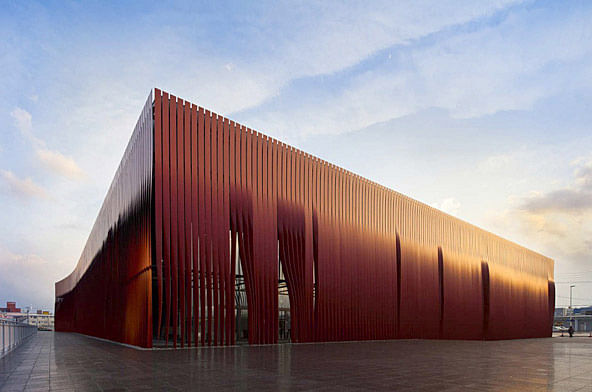
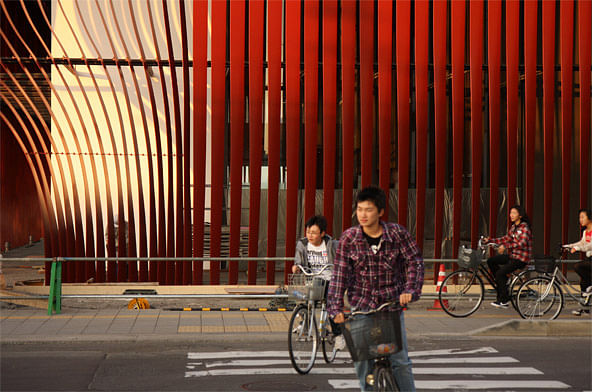
Nebuta House in Aomori, Japan by molo (Photo: Shigeo Ogawa)

Vancouver-based design and production studio molo has shared with us their project Nebuta House (ねぶたの家 ワ・ラッセ), a museum and center for creative culture in the Northern Japanese city of Aomori. In 2002, molo partners Stephanie Forsythe and Todd MacAllen won an international architecture competition for their design of a housing and community project in Aomori, Japan. The competition was judged by Tadao Ando and Jean Nouvel, and sponsored by the City of Aomori.

Over the project’s course, the program evolved from housing and community facilities into a unique cultural building inspired by the craftsmanship and spirit of Aomori’s Nebuta Festival.

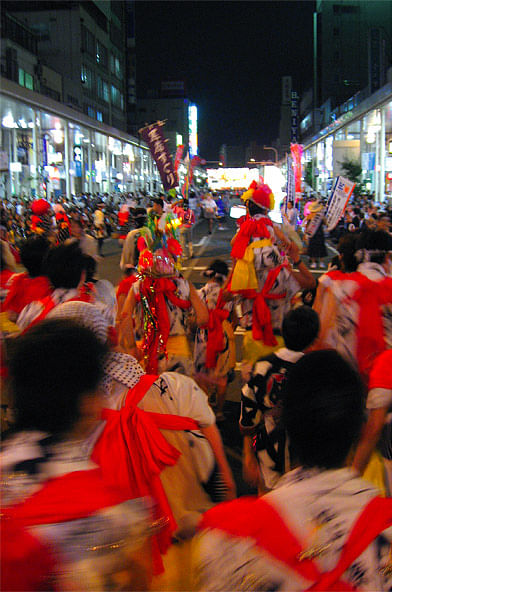
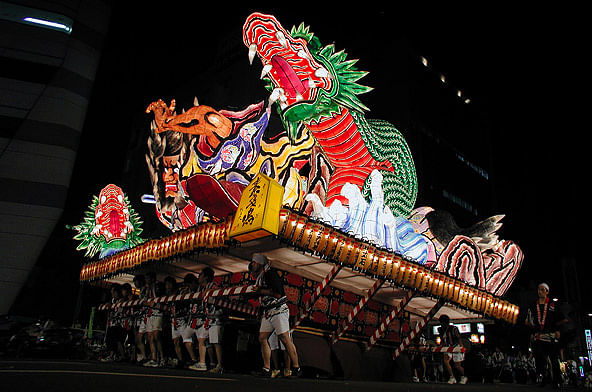
The festival, one of Japan’s largest, is a form of storytelling during which heroes, demons and animals from history and myth come to life as large-scale, paper lanterns (Nebuta) illuminated from within. The building is a house for these mythical creatures, functionally meant to share the tradition, archive the history and nurture the future of this unique cultural art form.
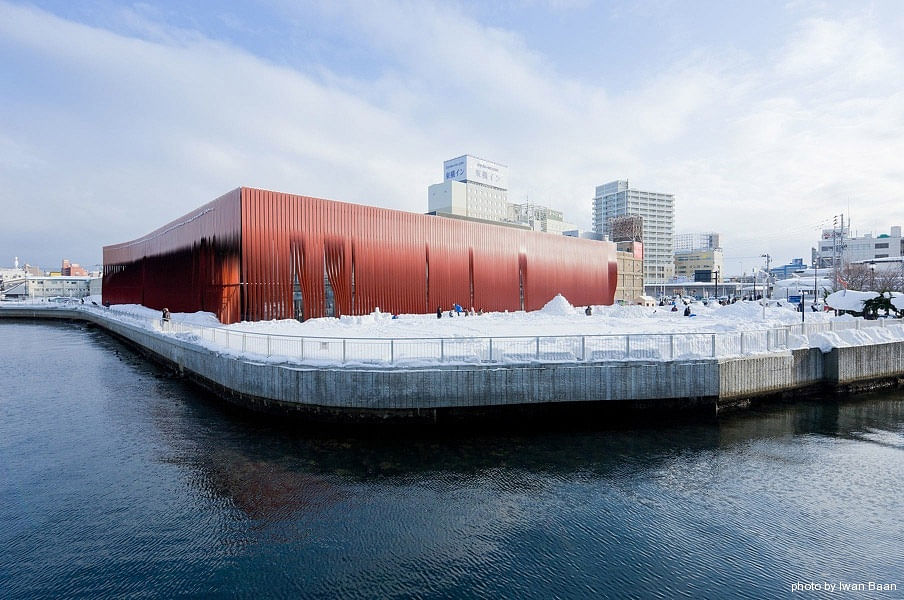
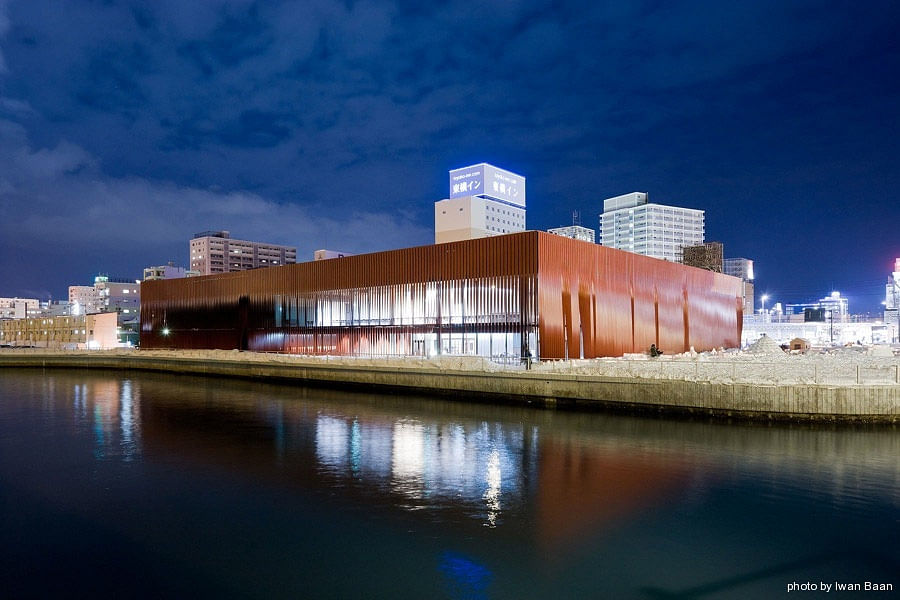
Photo: Iwan Baan
Photo: Iwan Baan

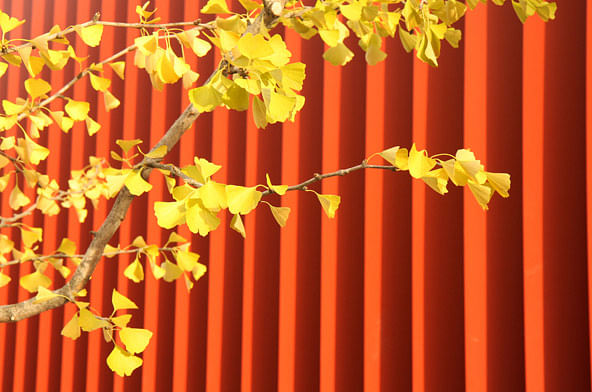
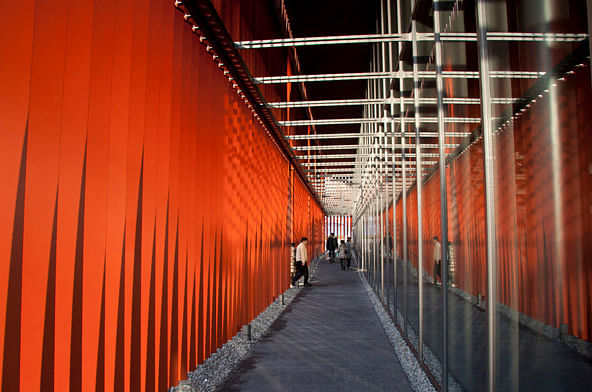
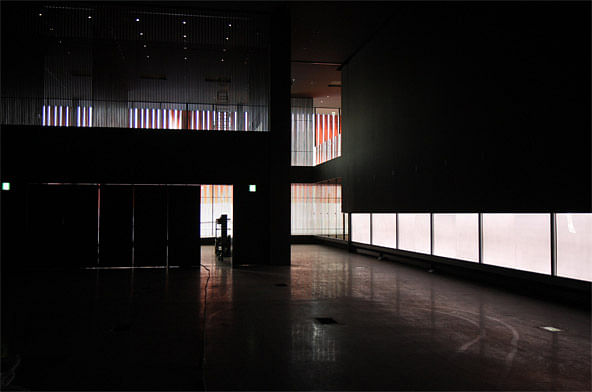
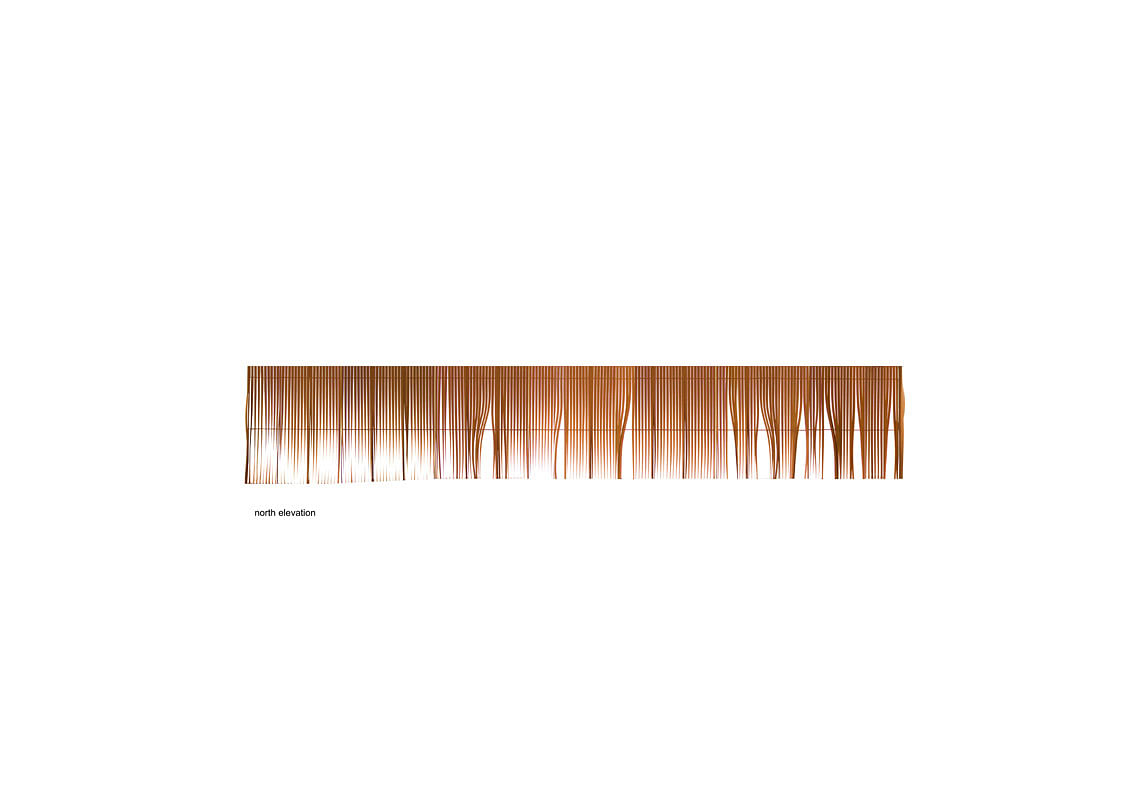
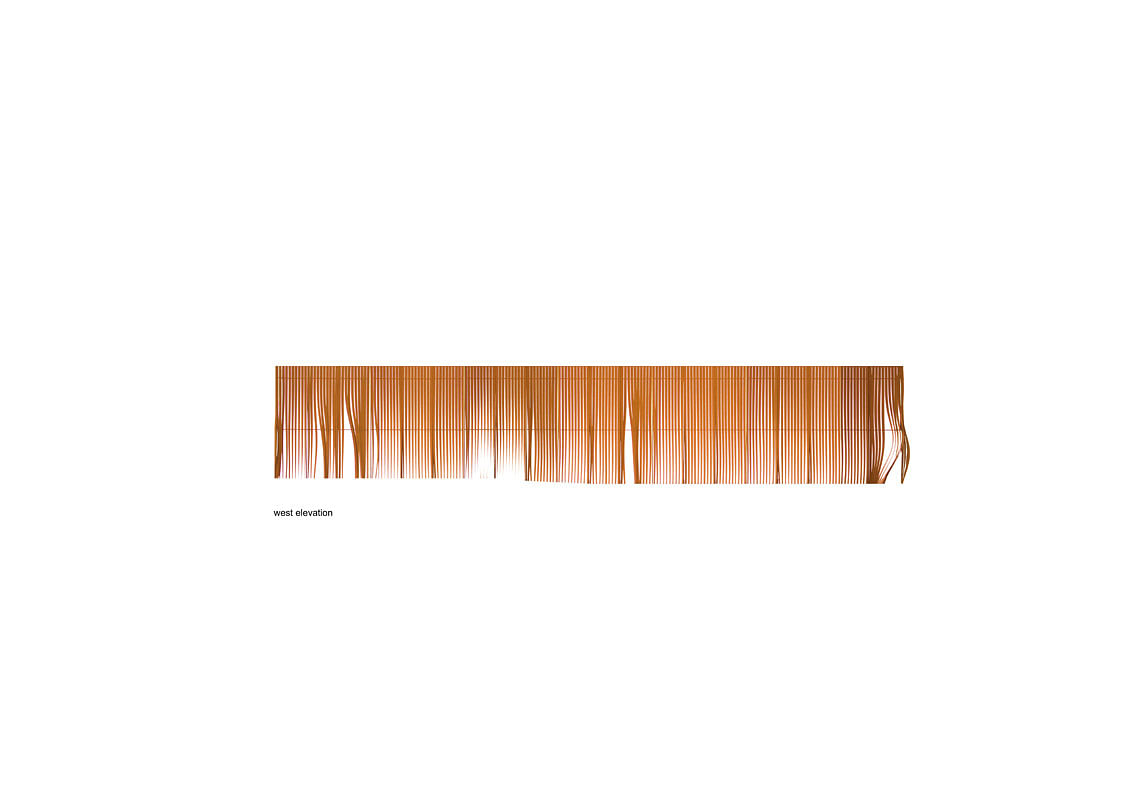
The building is enclosed by twisted steel ribbons, each shaped to create variation: openings for light, areas of opacity, views, or opportunities for pedestrian circulation. The ribbons were individually crafted during prefabrication, then manually adjusted on-site during installation. No part of the finished screen is the result of digital fabrication; like all things handmade, human intervention enlivens function. Inside, a shadowy dwelling for the Nebuta is shaped by the layers of screens and volumes of ancillary rooms. The interior is black – like a black box theatre – the volumetric juxtaposition accommodates many possible uses and perspectives. The abstraction of materiality, detail and coloring of the building allow visitors an intimate focus on the story being told. Luminous Nebuta appear suspended in the darkness of the hall, their vibrant colors reflected only in the rippled, water-like floor.
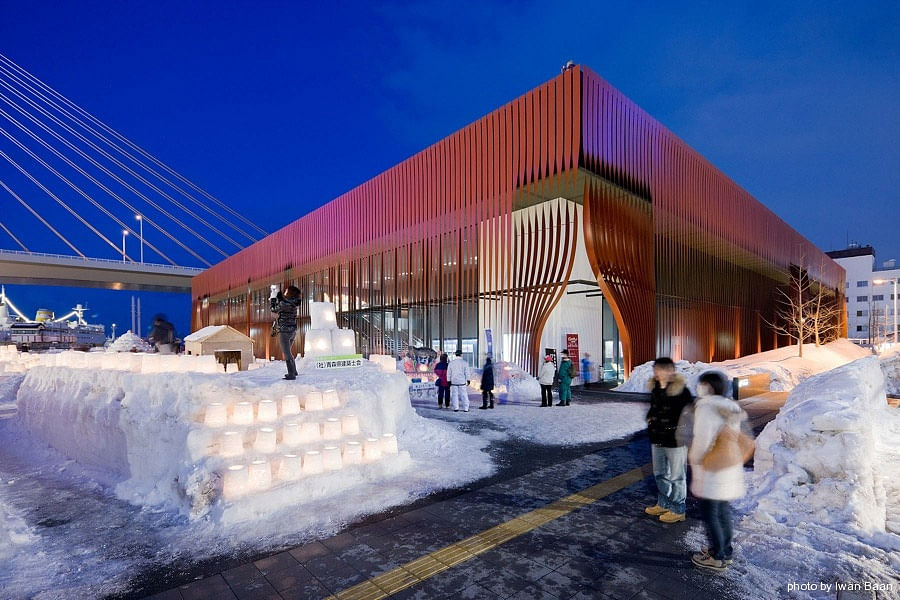
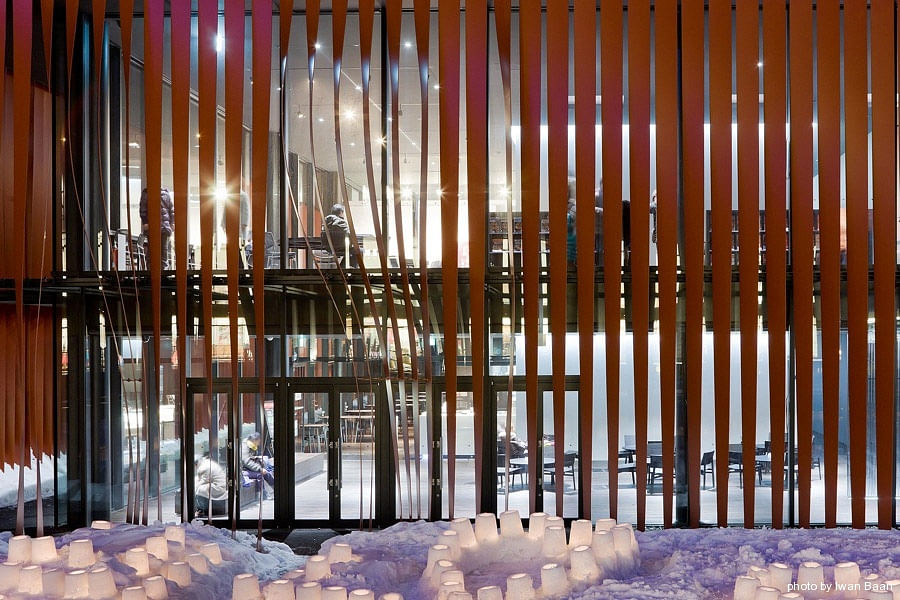
Photo: Iwan Baan
Photo: Iwan Baan
Photo: Iwan Baan

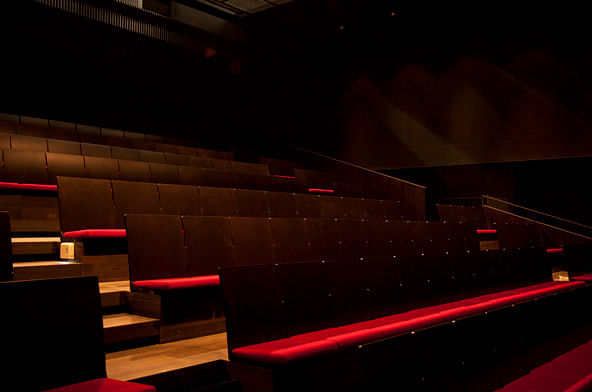
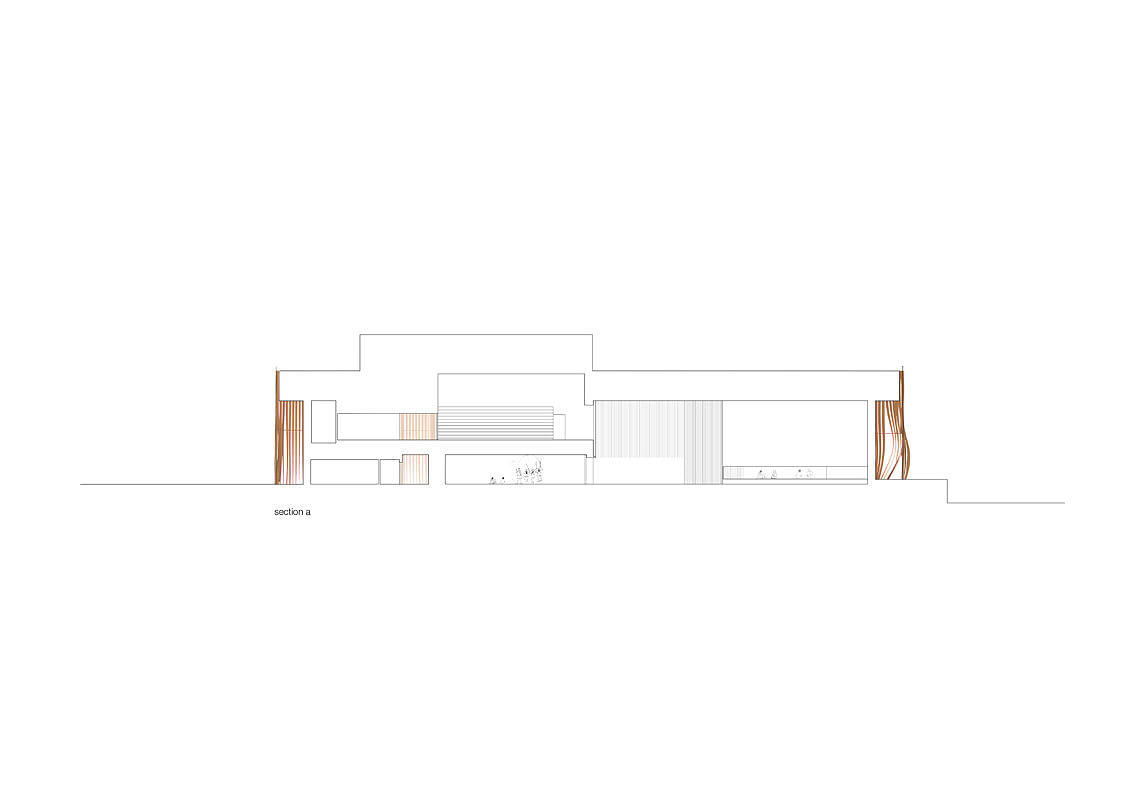
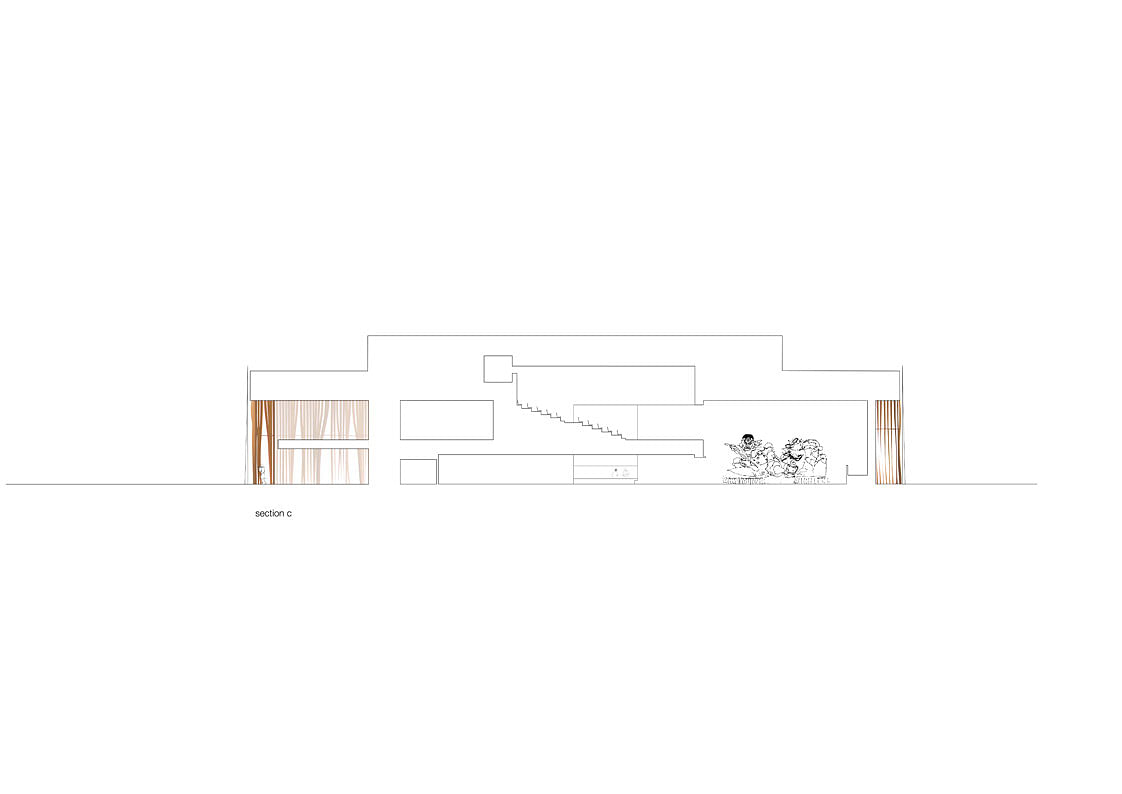
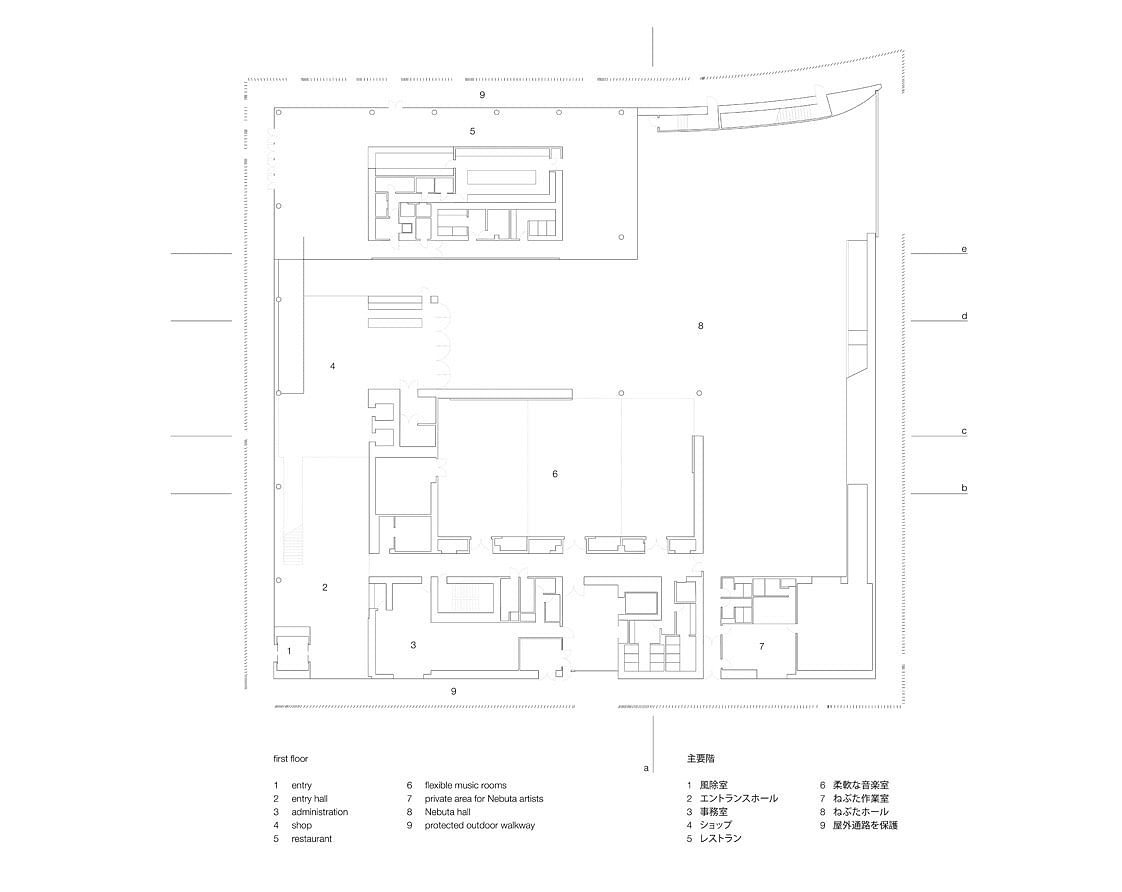
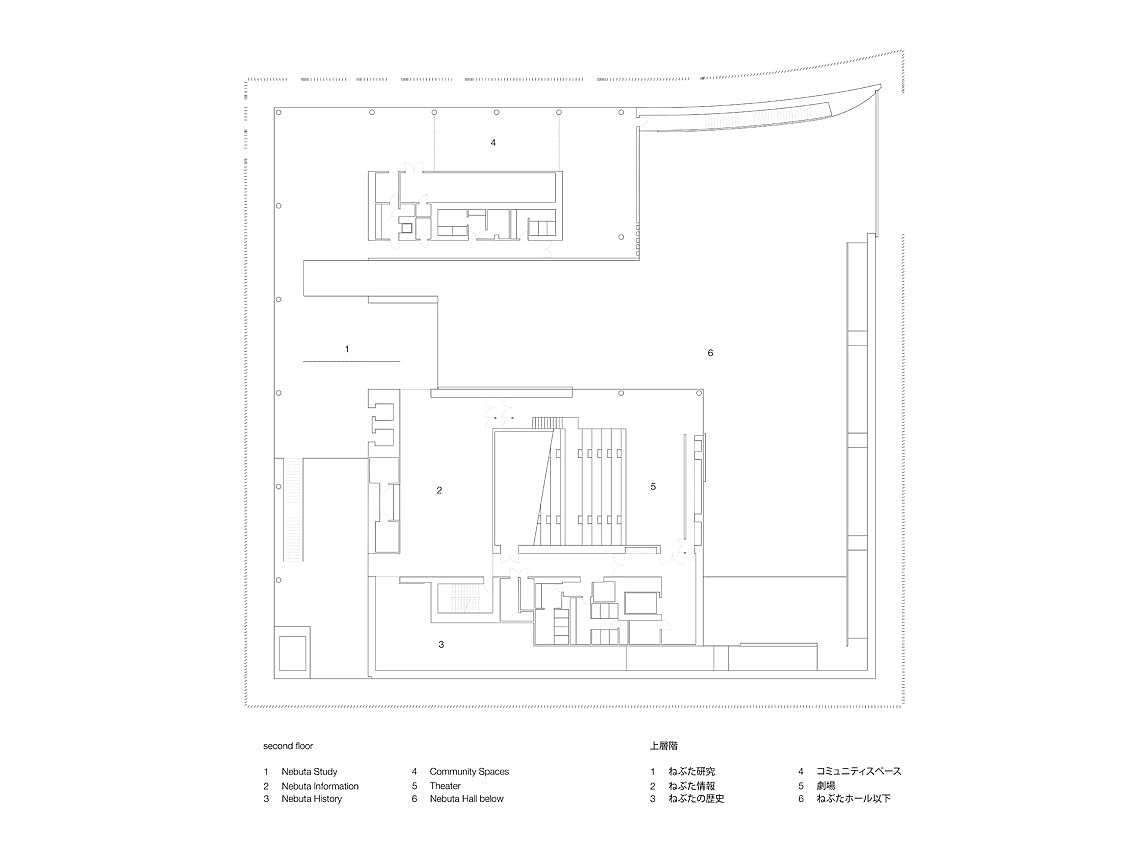
Giant sliding doors divide and connect the main exhibit area from the theater and multi-purpose spaces and provide a dynamic visual connection to the Nebuta during musical and theatrical performances, encouraging flexible use. During events, the towering Nebuta exit and enter the building through another sliding door. When sitting in the theater with both sets of sliding doors open, one can see the vibrant Nebuta below, and beyond, Aomori harbor and the Hakkōda mountains.

The exterior screen creates a sheltered perimeter space called the engawa (縁側), acting as a threshold between the contemporary world of the city and the world of myth. Shadows cast on the walls and floor through the exterior ribbons have the effect of creating a new material. Shadow and light become another screen – the convergence of material, light, shadow and reflection changing with the sun and weather.

Photo: Iwan Baan
Photo: molo

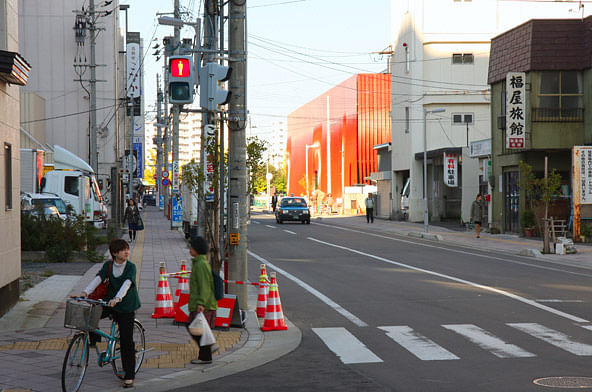
Homogeneous, grey, box-like buildings constitute much of the surrounding cityscape. Commonplace objects like power lines and vending machines are dispersed throughout the uniformity. Here, the building appears as a vibrant curtain at the street’s end – activating the streetscape, transforming everyday experience into theater. Bicycles and traffic passing by, city workers breaking to eat or children playing in the snow take on a quality of performance and play.

Despite the challenges of designing an important cultural building while respecting a conservative budget, the evolution of the building’s type and program stands as symbolic foreshadowing of the many possibilities for use. Already, programming has demonstrated a broad range of uses: workshops, conferences and new cultural events are taking place. Perhaps the building can help to usher the time-honored tradition of Nebuta into a contemporary era, offering a place to share ideas and bring creative minds together, even artists of different cultures and disciplines. At the building’s completion there were almost no existing artifacts. The building elevates Nebuta in the public life of the city, celebrating the stories and impressive craft of the ephemeral paper floats.

Photo: molo
Photo: molo

Project Team:

Lead Designers: molo (Todd MacAllen + Stephanie Forsythe)
Construction Documents and Site Supervision: d&dt Architects, Frank la Rivière Architects
Structural Engineering: Kanebako Structural Engineers
MEP: PT Morimura & Associates, Ltd
Client: Aomori City, Japan

Find more photos, elevations, sections and floor plans in the image gallery below.

Related

nebuta ● museum ● molo ● japan ● asia ● aomori

Share

  • Follow

    0 Comments

  • Comment as :

molo-Designed Nebuta House in Aomori, Japan

Sign up for Bustler's Email Newsletters

Next page » Loading

molo-Designed Nebuta House in Aomori, Japan

By Bustler Editors|

Friday, Jul 8, 2011

Share

Nebuta House in Aomori, Japan by molo (Photo: Shigeo Ogawa)

Related

nebuta ● museum ● molo ● japan ● asia ● aomori

Vancouver-based design and production studio molo has shared with us their project Nebuta House (ねぶたの家 ワ・ラッセ), a museum and center for creative culture in the Northern Japanese city of Aomori. In 2002, molo partners Stephanie Forsythe and Todd MacAllen won an international architecture competition for their design of a housing and community project in Aomori, Japan. The competition was judged by Tadao Ando and Jean Nouvel, and sponsored by the City of Aomori.

Over the project’s course, the program evolved from housing and community facilities into a unique cultural building inspired by the craftsmanship and spirit of Aomori’s Nebuta Festival.

The festival, one of Japan’s largest, is a form of storytelling during which heroes, demons and animals from history and myth come to life as large-scale, paper lanterns (Nebuta) illuminated from within. The building is a house for these mythical creatures, functionally meant to share the tradition, archive the history and nurture the future of this unique cultural art form.

Photo: Iwan Baan
Photo: Iwan Baan

The building is enclosed by twisted steel ribbons, each shaped to create variation: openings for light, areas of opacity, views, or opportunities for pedestrian circulation. The ribbons were individually crafted during prefabrication, then manually adjusted on-site during installation. No part of the finished screen is the result of digital fabrication; like all things handmade, human intervention enlivens function. Inside, a shadowy dwelling for the Nebuta is shaped by the layers of screens and volumes of ancillary rooms. The interior is black – like a black box theatre – the volumetric juxtaposition accommodates many possible uses and perspectives. The abstraction of materiality, detail and coloring of the building allow visitors an intimate focus on the story being told. Luminous Nebuta appear suspended in the darkness of the hall, their vibrant colors reflected only in the rippled, water-like floor.
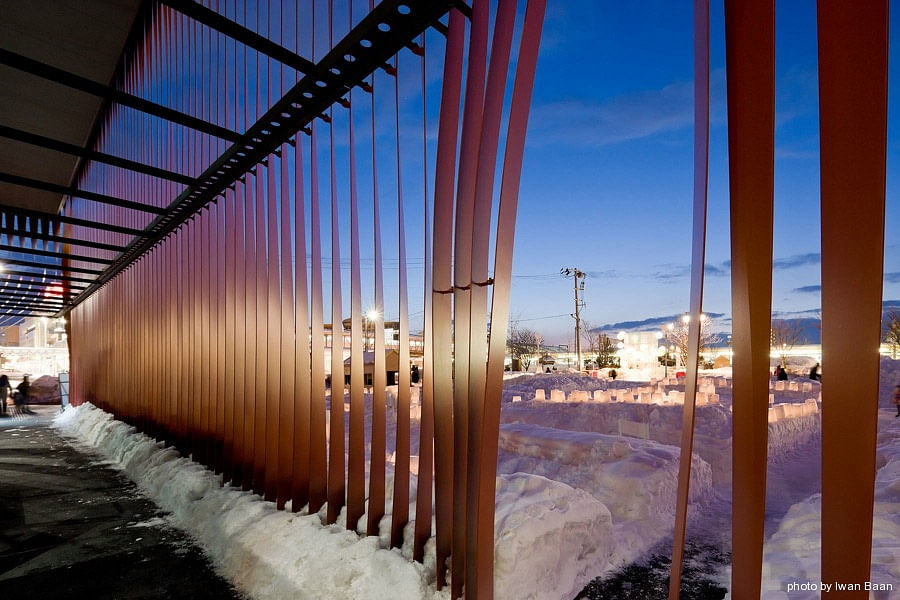
Photo: Iwan Baan
Photo: Iwan Baan
Photo: Iwan Baan

Giant sliding doors divide and connect the main exhibit area from the theater and multi-purpose spaces and provide a dynamic visual connection to the Nebuta during musical and theatrical performances, encouraging flexible use. During events, the towering Nebuta exit and enter the building through another sliding door. When sitting in the theater with both sets of sliding doors open, one can see the vibrant Nebuta below, and beyond, Aomori harbor and the Hakkōda mountains.

The exterior screen creates a sheltered perimeter space called the engawa (縁側), acting as a threshold between the contemporary world of the city and the world of myth. Shadows cast on the walls and floor through the exterior ribbons have the effect of creating a new material. Shadow and light become another screen – the convergence of material, light, shadow and reflection changing with the sun and weather.
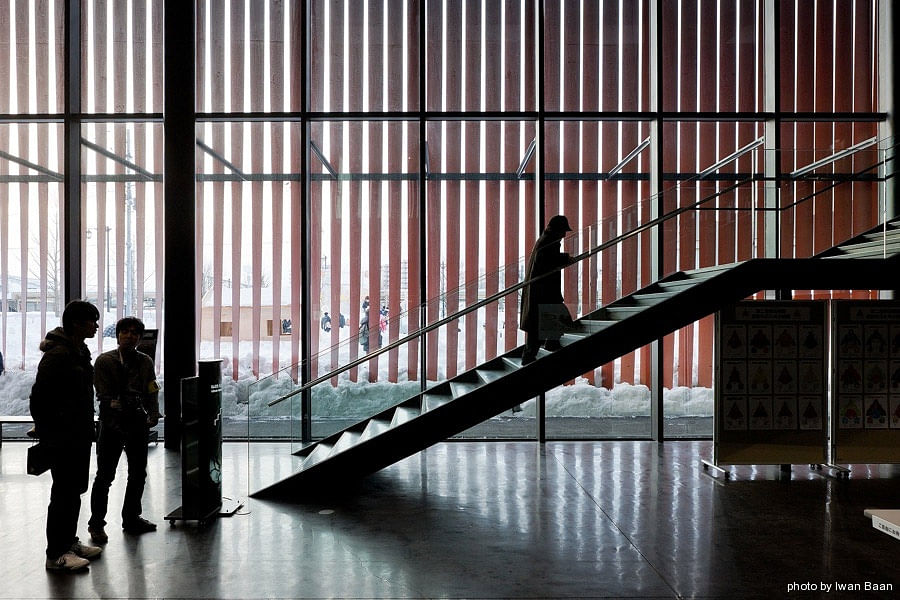
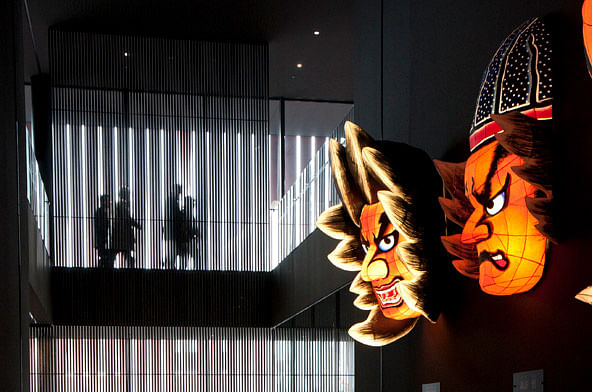
Photo: Iwan Baan
Photo: molo

Homogeneous, grey, box-like buildings constitute much of the surrounding cityscape. Commonplace objects like power lines and vending machines are dispersed throughout the uniformity. Here, the building appears as a vibrant curtain at the street’s end – activating the streetscape, transforming everyday experience into theater. Bicycles and traffic passing by, city workers breaking to eat or children playing in the snow take on a quality of performance and play.

Despite the challenges of designing an important cultural building while respecting a conservative budget, the evolution of the building’s type and program stands as symbolic foreshadowing of the many possibilities for use. Already, programming has demonstrated a broad range of uses: workshops, conferences and new cultural events are taking place. Perhaps the building can help to usher the time-honored tradition of Nebuta into a contemporary era, offering a place to share ideas and bring creative minds together, even artists of different cultures and disciplines. At the building’s completion there were almost no existing artifacts. The building elevates Nebuta in the public life of the city, celebrating the stories and impressive craft of the ephemeral paper floats.
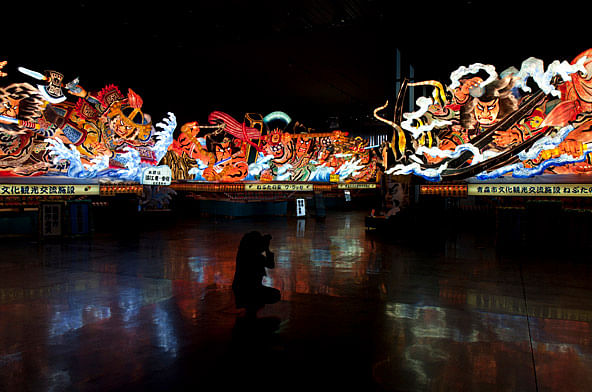
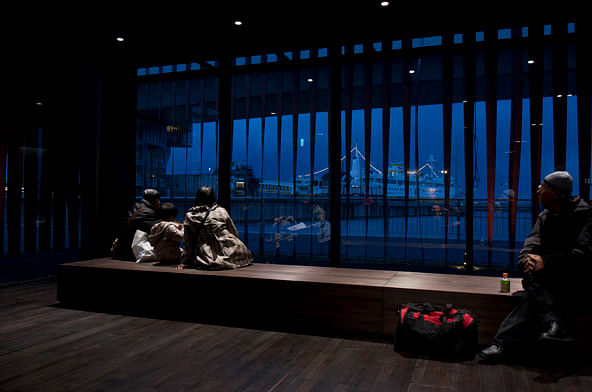
Photo: molo
Photo: molo

Project Team:

Lead Designers: molo (Todd MacAllen + Stephanie Forsythe)
Construction Documents and Site Supervision: d&dt Architects, Frank la Rivière Architects
Structural Engineering: Kanebako Structural Engineers
MEP: PT Morimura & Associates, Ltd
Client: Aomori City, Japan

Find more photos, elevations, sections and floor plans in the image gallery below.
Share

  • Follow

    0 Comments

  • Comment as :

Archinect JobsArchinect Jobs

The Archinect Job Board attracts the world's top architectural design talents.

VIEW ALL JOBS POST A JOB

Senior Designer - Residential Design

Laura U Design Collective

Senior Designer - Residential Design

Houston, TX, US

Intermediate Architect (Advanced Revit User)

O'Neil Langan Architects

Intermediate Architect (Advanced Revit User)

New York, NY, US

Job Captain / Project Manager

Breland – Harper

Job Captain / Project Manager

Los Angeles, CA, US

Architect / Project Manager

Curtis + Ginsberg Architects LLP

Architect / Project Manager

New York, NY, US

Project Architect LA & NYC

Montalba Architects, Inc.

Project Architect LA & NYC

Los Angeles, CA, US

Architectural Associate/Junior Architect

Goldstone Architecture

Architectural Associate/Junior Architect

Bennington, VT, US

Project Architect

Berliner Architects

Project Architect

Culver City, CA, US

Senior Designer / Architect

NardiHaus

Senior Designer / Architect

Pasadena, CA, US

Intermediate Architect

FAME Architecture & Interior Design

Intermediate Architect

Los Angeles, CA, US

Senior Interior Architect/ Designer

Silverstone Group

Senior Interior Architect/ Designer

Washington, DC, US

Next page » Loading