• Login / Join
  • About
  • •
  • Contact
  • •
  • Advertising
bustler logo
bustler logo
  • News
  • Competitions
  • Events
  • Bustler is powered by Archinect
  • Sign up for Bustler's Email Newsletters

  • Follow these Bustler feeds:

  • Search

    Search in

  • Submit

    What are you submitting?

    News Pitch
    Competition
    Event
  • Login / Join
  • News|Competitions|Events
  • Search
    | Submit
    | Follow
  • Search in

    What are you submitting?

    News Pitch
    Competition
    Event

    Follow these Bustler feeds:

  • About|Contact|Advertising
  • Login / Join
Tagged: nightclub

From the ’60s to today, the “Night Fever” exhibition chronicles the vibrant design history of the nightclub

By Justine Testado|

Friday, May 4, 2018
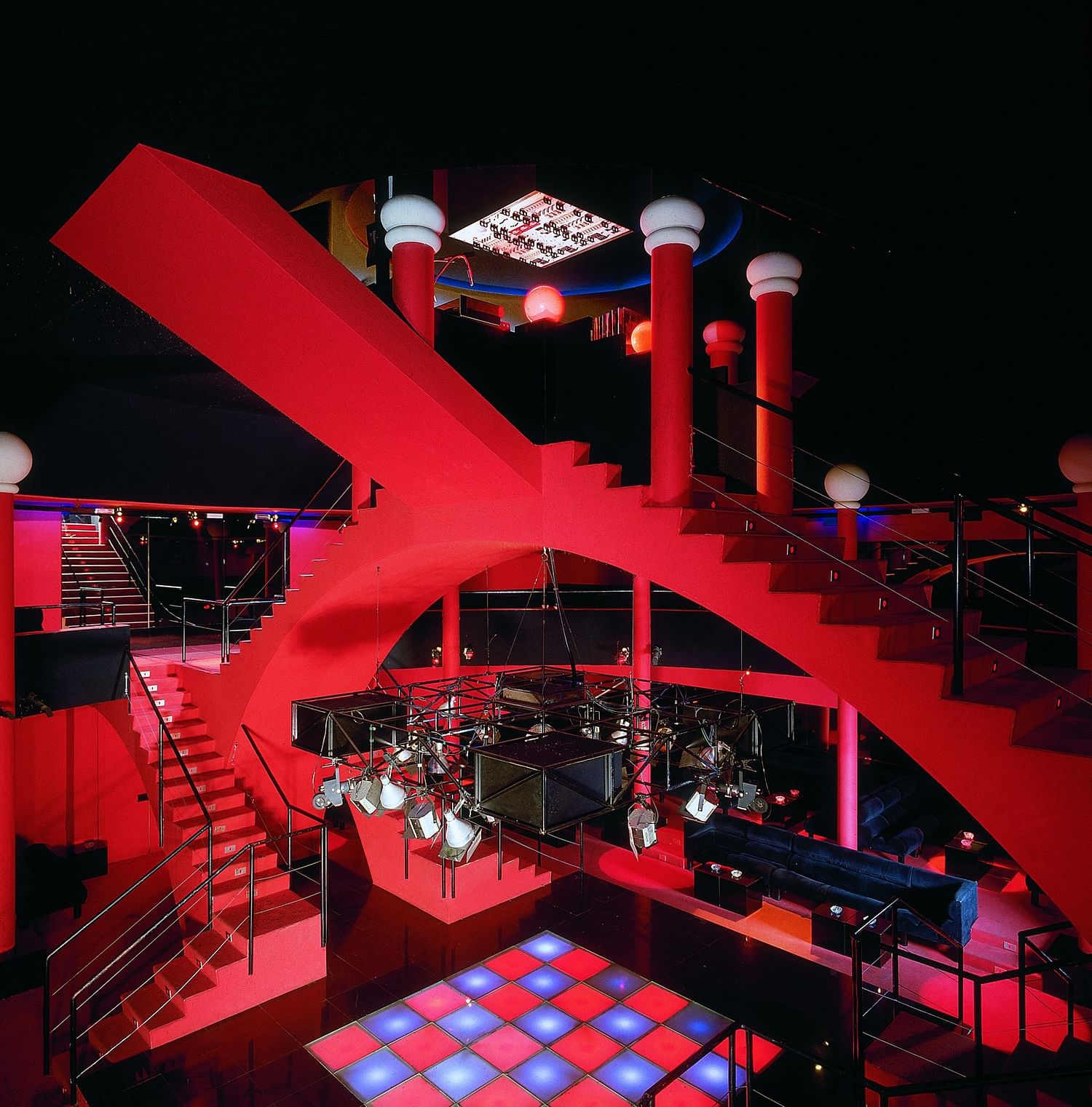
Discotheque Flash Back, Borgo San Dalmazzo, ca. 1972. Interior Design: Studio65. © Paolo Mussat Sartor.

The nightclub scene is as fantastically eccentric as it has always been, as the “Night Fever: Designing Club Culture 1960 – Today” exhibition shows. Currently on display at the Vitra Design Museum in Weil am Rhein, the exhibition explores the design history of nightclub and it examines its cultural context as thriving hubs for experimenting with interior design, new forms of media, and alternative lifestyles.
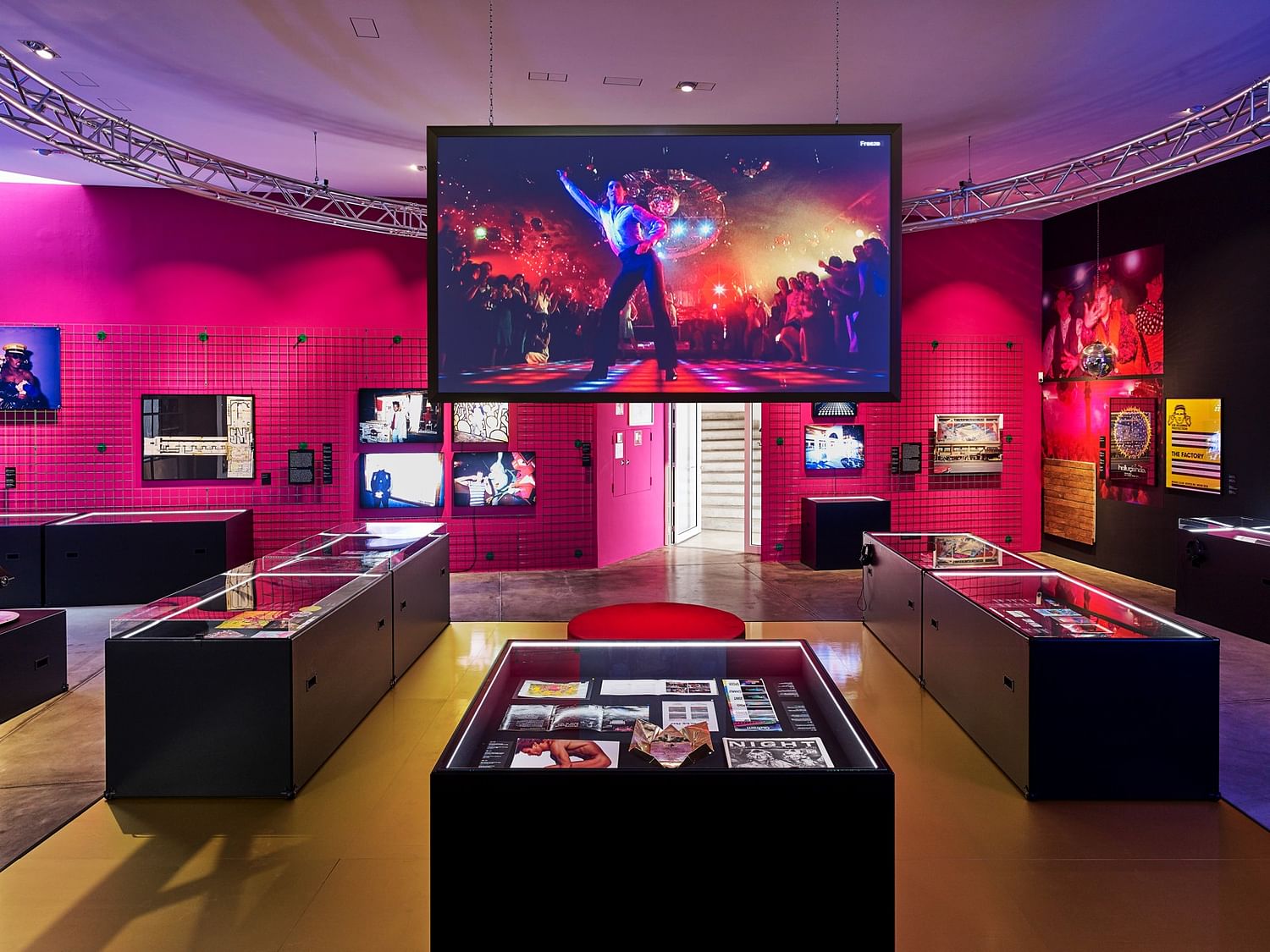
Installation view Vitra Design Museum “Night Fever. Designing Club Culture 1960 – Today”, 2018 © Vitra Design Museum, photo: Mark Niedermann.

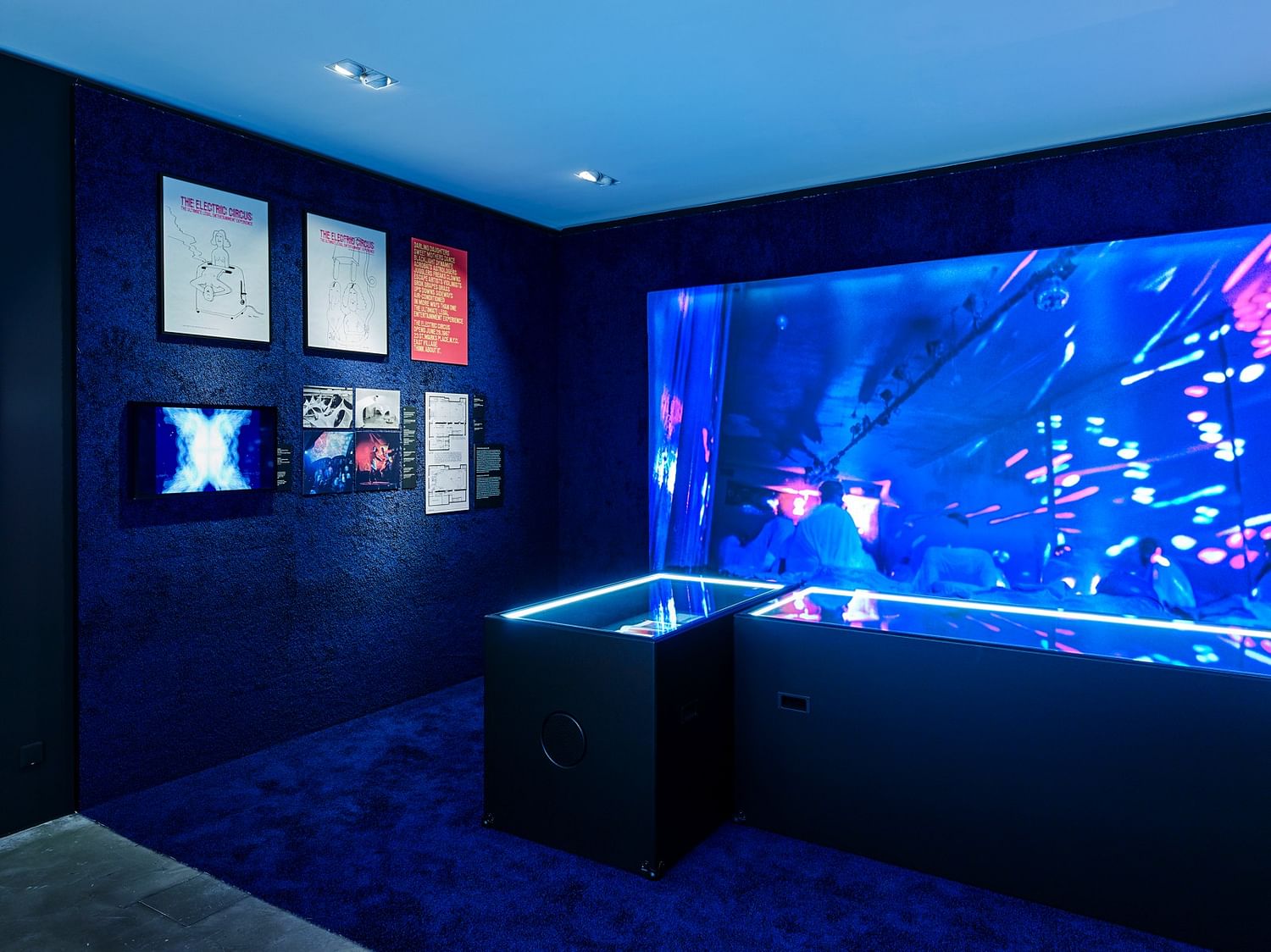
“Night Fever” showcases a diverse range of chronically arranged material, like architectural models, furniture, graphic designs, fashion, film, and photography. The exhibition starts with the beginnings of the nightclub scene in the late 1960s and iconic clubs in New York and Europe — such as The Electric Circus designed by architect Charles Forberg in New York and Grupo 9999's Space Electronic in Florence, Italy. It also highlights the rise of disco in the 1970s and the release of “Saturday Night Fever”, which in turn sparked a backlash of homophobic and racist overtones that peaked at Disco Demolition Night in Chicago.
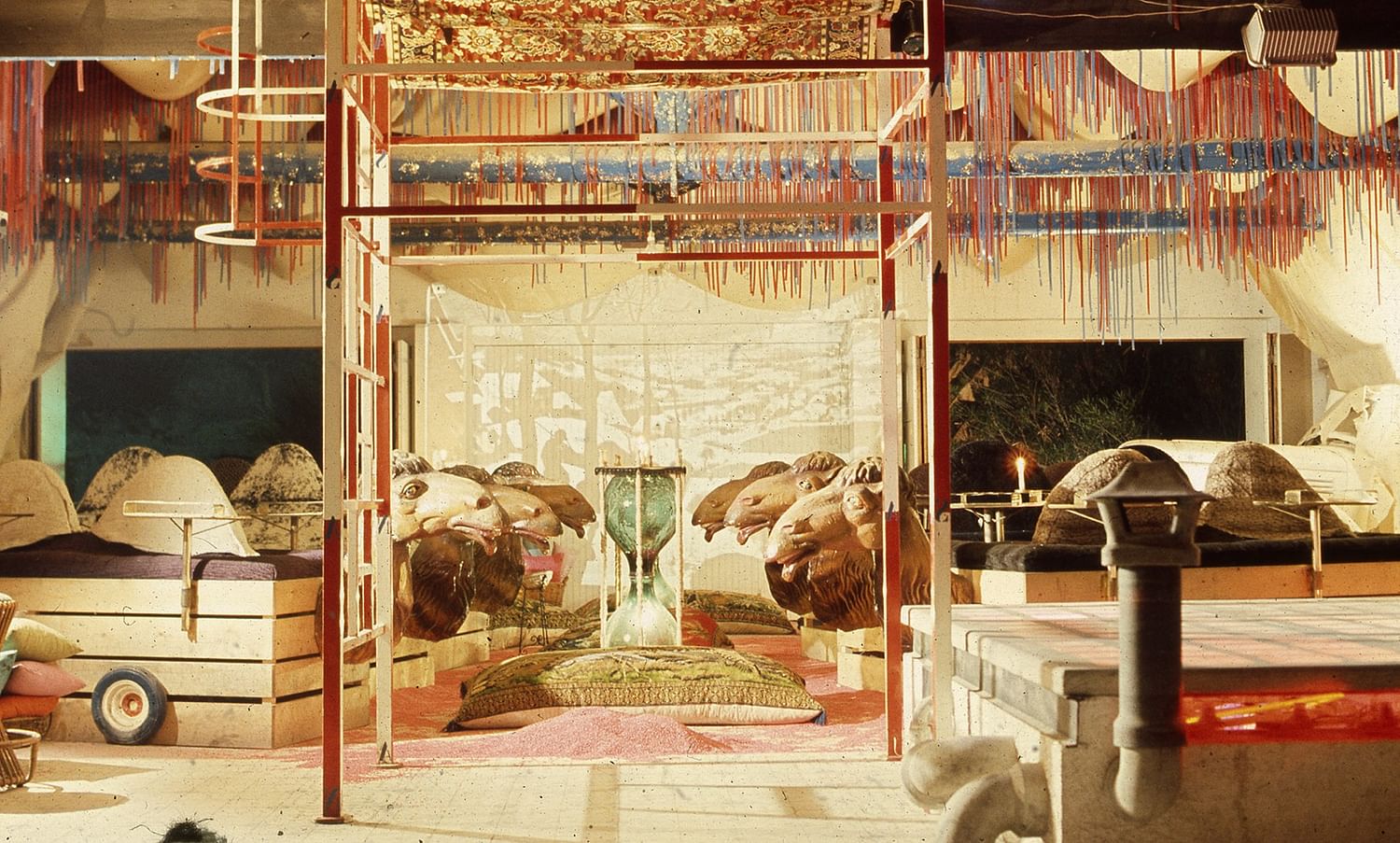
Gruppo UFO, Bamba Issa, Night Shelter for the Beach Rescue Camels, Bamba Issa, 1969. © photo: Carlo Bachi / Courtesy of Gruppo UFO.
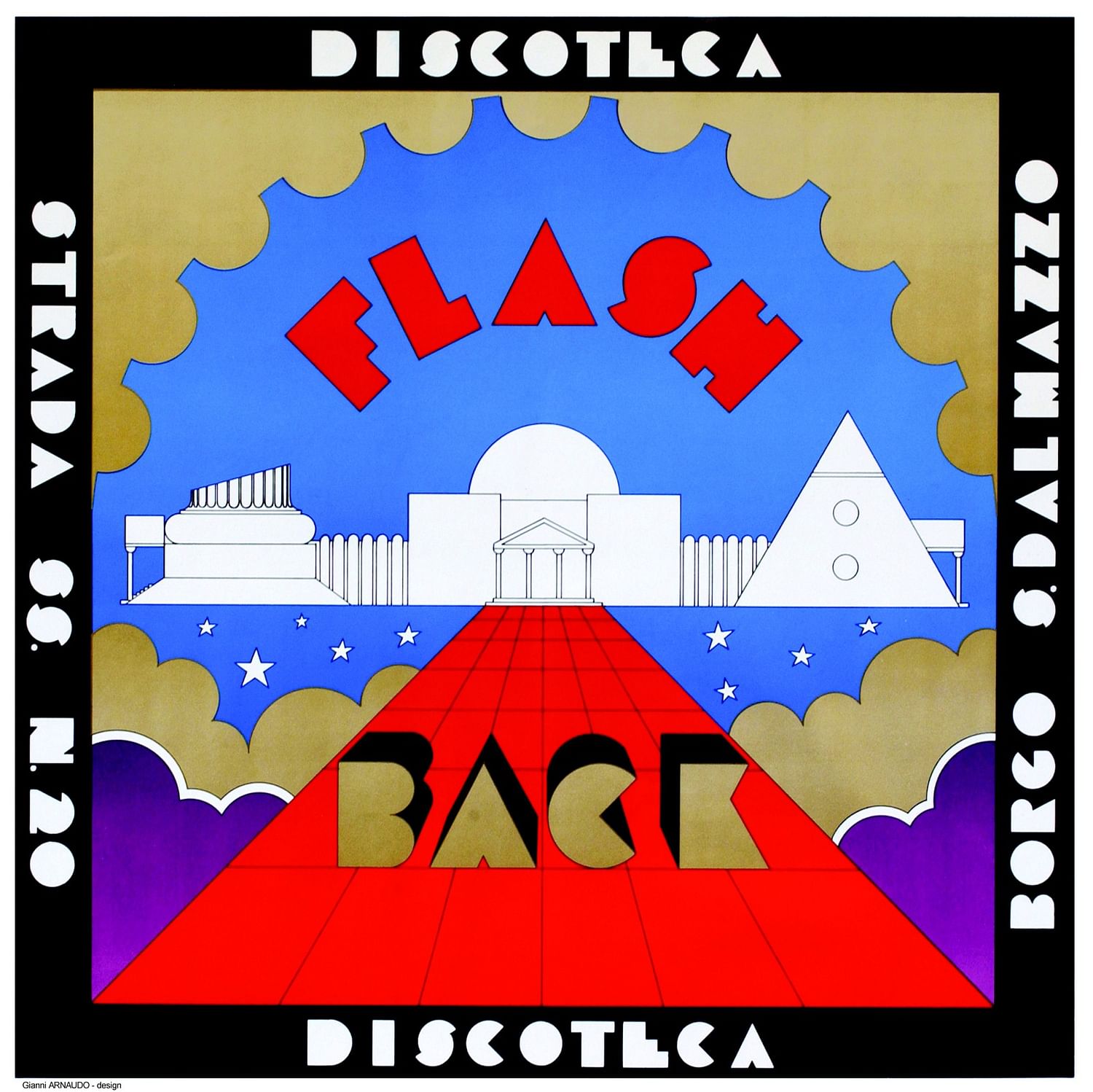
Poster for the Discotheque Flash Back, Borgo San Dalmazzo, 1972. Design: Gianni Arnaudo / Studio65.
Hasse Persson, Calvin Klein Party, 1978 © Hasse Persson.
DJ Larry Levan in Paradise Garage, New York, 1979. © Bill Bernstein, David Hill Gallery, London.
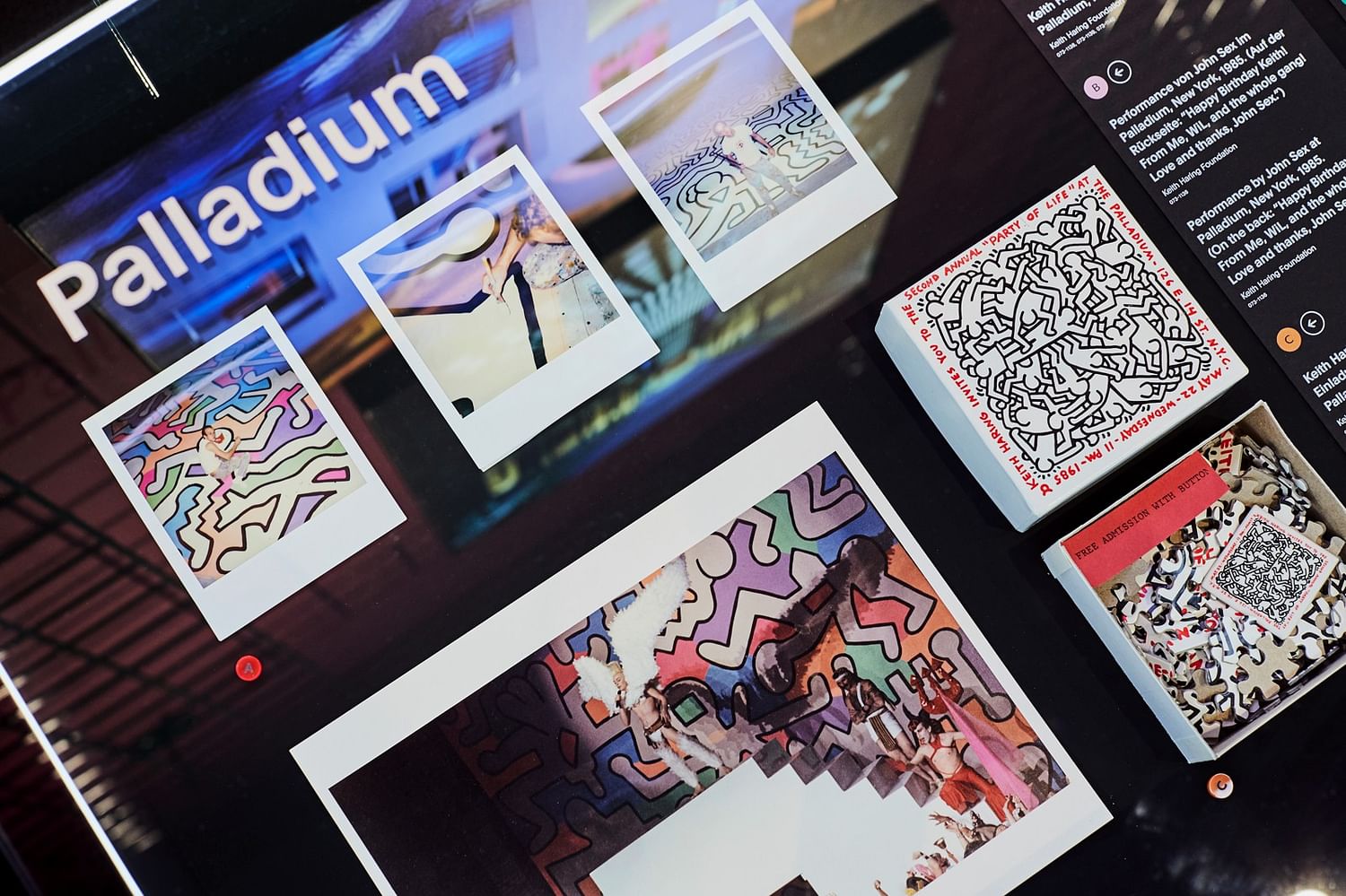
Palladium, New York, 1985. Architect: Arata Isozaki, mural by Keith Haring. © Timothy Hursley, Garvey|Simon Gallery New York.
Installation view Vitra Design Museum »Night Fever. Designing Club Culture 1960 – Today«, 2018 © Vitra Design Museum, photo: Mark Niedermann.

Exhibition designer Konstantin Grcic and lighting designer Matthias Singer created a  music and light installation that lets visitors explore the visual effects, sounds, and sensations of nightclub design. Outside the installation's perimeter is a display of dance records that include Peter Saville's designs for Factory Records, Grace Jones' “Nightclubbing” album cover, and more.

Installation view Vitra Design Museum »Night Fever. Designing Club Culture 1960 – Today«, 2018 © Vitra Design Museum, photo: Mark Niedermann
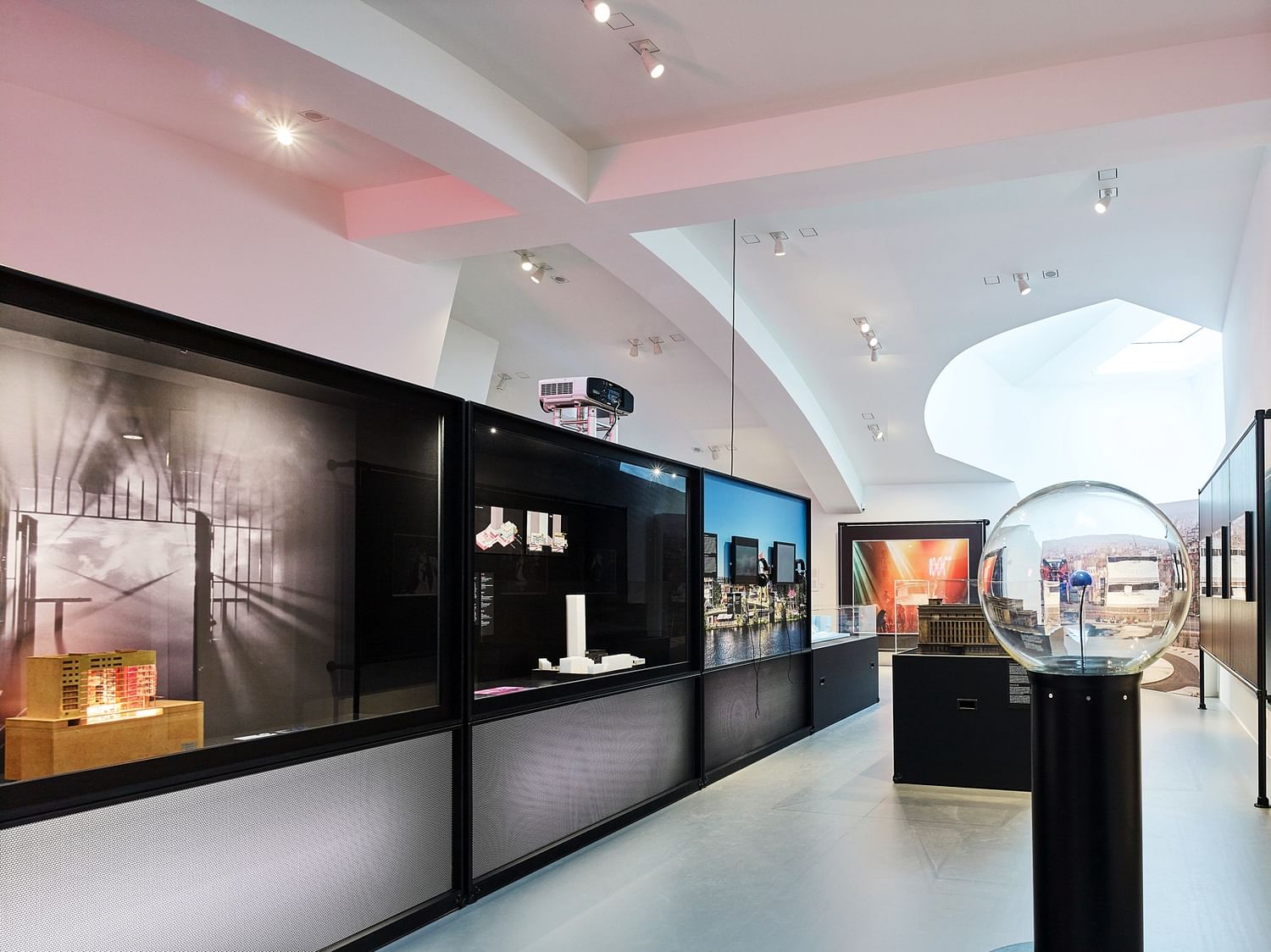
Installation view Vitra Design Museum »Night Fever. Designing Club Culture 1960 – Today«, 2018 © Vitra Design Museum, photo: Mark Niedermann.

As club culture has been increasingly adopted by global brands and yearly music festivals in recent years, other historic nightclubs from decades past have been pushed out of the city or only survive today as “modern ruins of a hedonistic past”. 

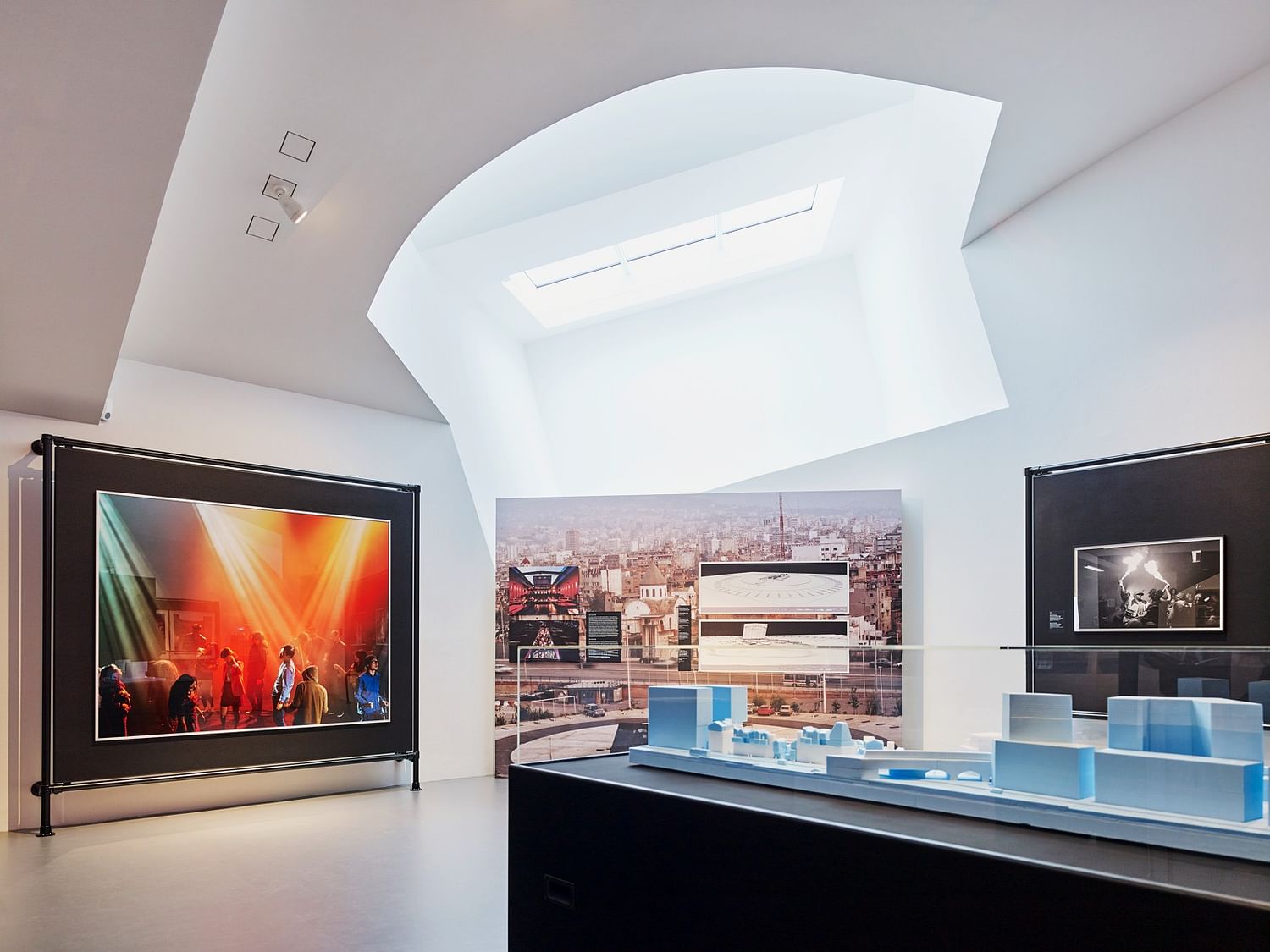
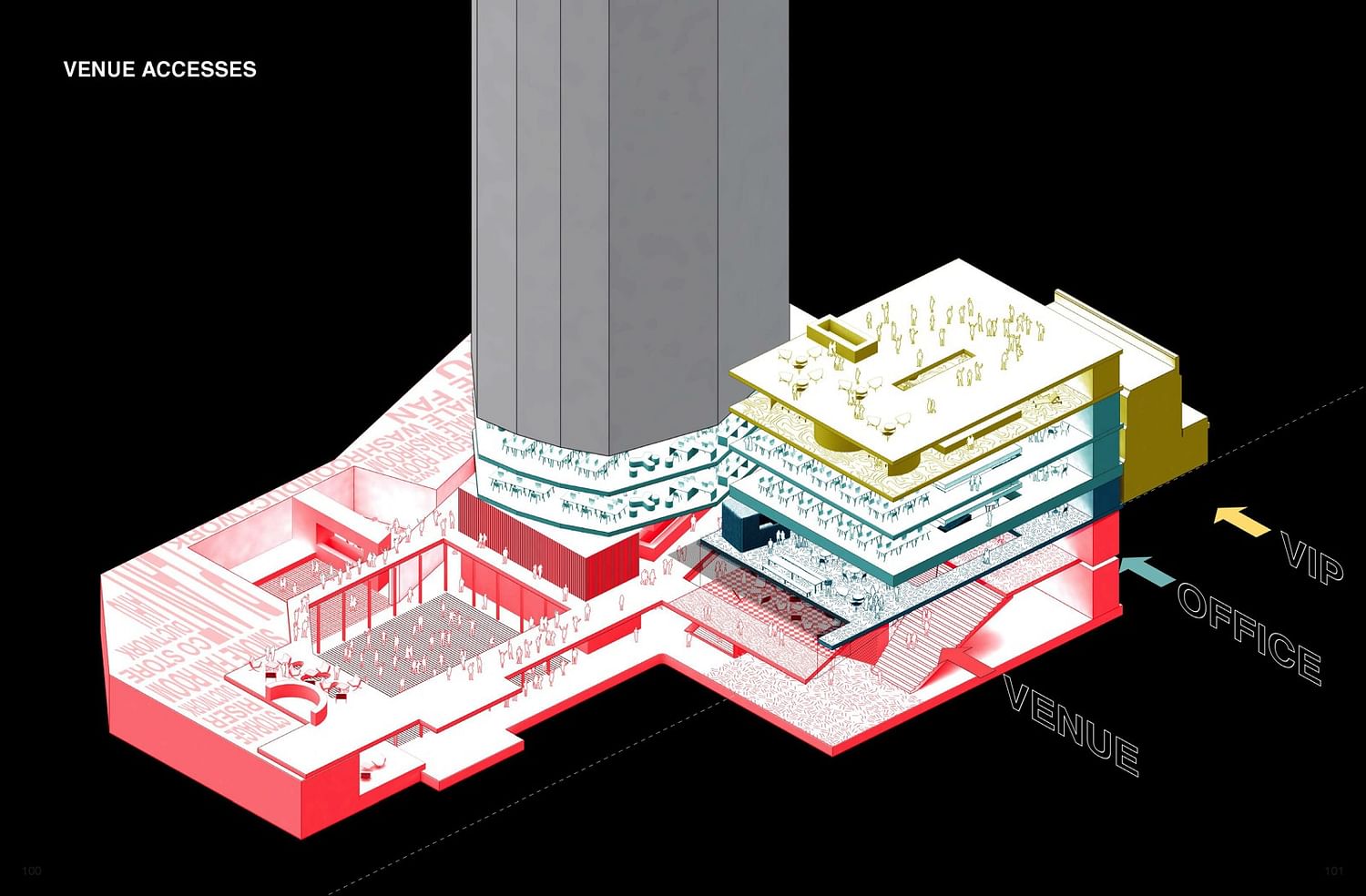
The exhibition also showcases how architects are approaching the nightclub typology. Rem Koolhaas' OMA developed a proposal for a 21st-century Ministry of Sound II for London, while Akoaki from Detroit created a fun DJ booth called “The Mothership” to celebrate the rich club heritage of their hometown.

Akoaki, Mobile DJ Booth, The Mothership Detroit, 2014. © Akoaki.
OMA/Rem Koolhaas, Isometric Plan Ministry of Sound II, London, 2015. © OMA.
Despacio Sound System, New Century Hall, Manchester International Festival, July 2013. © Rod Lewis
Installation view Vitra Design Museum “Night Fever. Designing Club Culture 1960 – Today”, 2018 © Vitra Design Museum, photo: Mark Niedermann.

“Night Fever: Designing Club Culture 1960 – Today” is open through September 9.

RELATED EVENT Night Fever: Designing Club Culture 1960 – Today

Related

nightclub ● vitra design museum ● weil am rhein ● germany ● europe ● event ● subculture ● history

Share

  • Follow

    0 Comments

  • Comment as :

From the ’60s to today, the “Night Fever” exhibition chronicles the vibrant design history of the nightclub

American Institute of Architects/Los Angeles Unveils 2008 Restaurant Design Awards

Sign up for Bustler's Email Newsletters

Next page » Loading

From the ’60s to today, the “Night Fever” exhibition chronicles the vibrant design history of the nightclub

By Justine Testado|

Friday, May 4, 2018

Share

Discotheque Flash Back, Borgo San Dalmazzo, ca. 1972. Interior Design: Studio65. © Paolo Mussat Sartor.

Related

nightclub ● vitra design museum ● weil am rhein ● germany ● europe ● event ● subculture ● history

The nightclub scene is as fantastically eccentric as it has always been, as the “Night Fever: Designing Club Culture 1960 – Today” exhibition shows. Currently on display at the Vitra Design Museum in Weil am Rhein, the exhibition explores the design history of nightclub and it examines its cultural context as thriving hubs for experimenting with interior design, new forms of media, and alternative lifestyles.

Installation view Vitra Design Museum “Night Fever. Designing Club Culture 1960 – Today”, 2018 © Vitra Design Museum, photo: Mark Niedermann.

“Night Fever” showcases a diverse range of chronically arranged material, like architectural models, furniture, graphic designs, fashion, film, and photography. The exhibition starts with the beginnings of the nightclub scene in the late 1960s and iconic clubs in New York and Europe — such as The Electric Circus designed by architect Charles Forberg in New York and Grupo 9999's Space Electronic in Florence, Italy. It also highlights the rise of disco in the 1970s and the release of “Saturday Night Fever”, which in turn sparked a backlash of homophobic and racist overtones that peaked at Disco Demolition Night in Chicago.
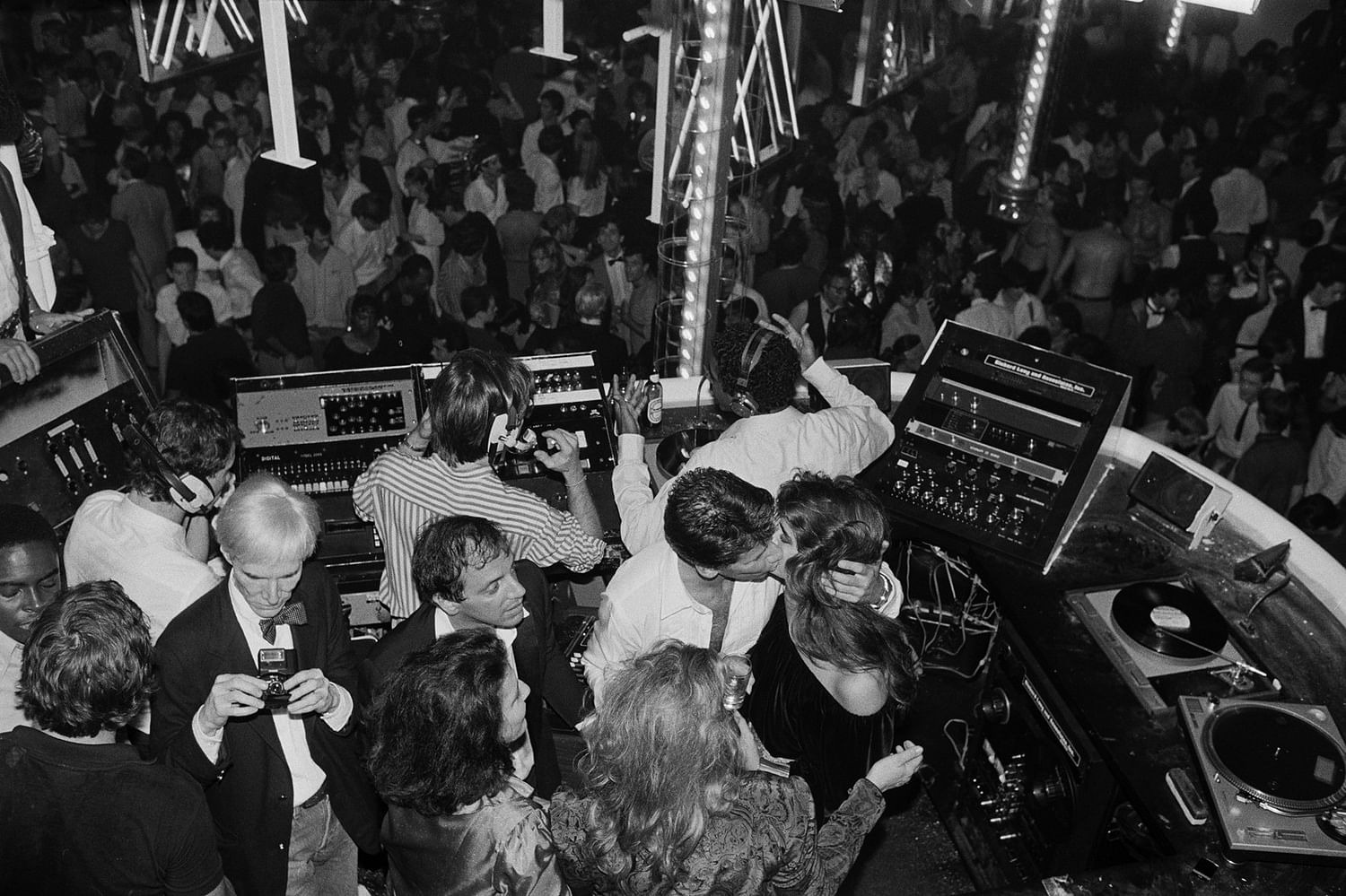
Gruppo UFO, Bamba Issa, Night Shelter for the Beach Rescue Camels, Bamba Issa, 1969. © photo: Carlo Bachi / Courtesy of Gruppo UFO.
Poster for the Discotheque Flash Back, Borgo San Dalmazzo, 1972. Design: Gianni Arnaudo / Studio65.
Hasse Persson, Calvin Klein Party, 1978 © Hasse Persson.
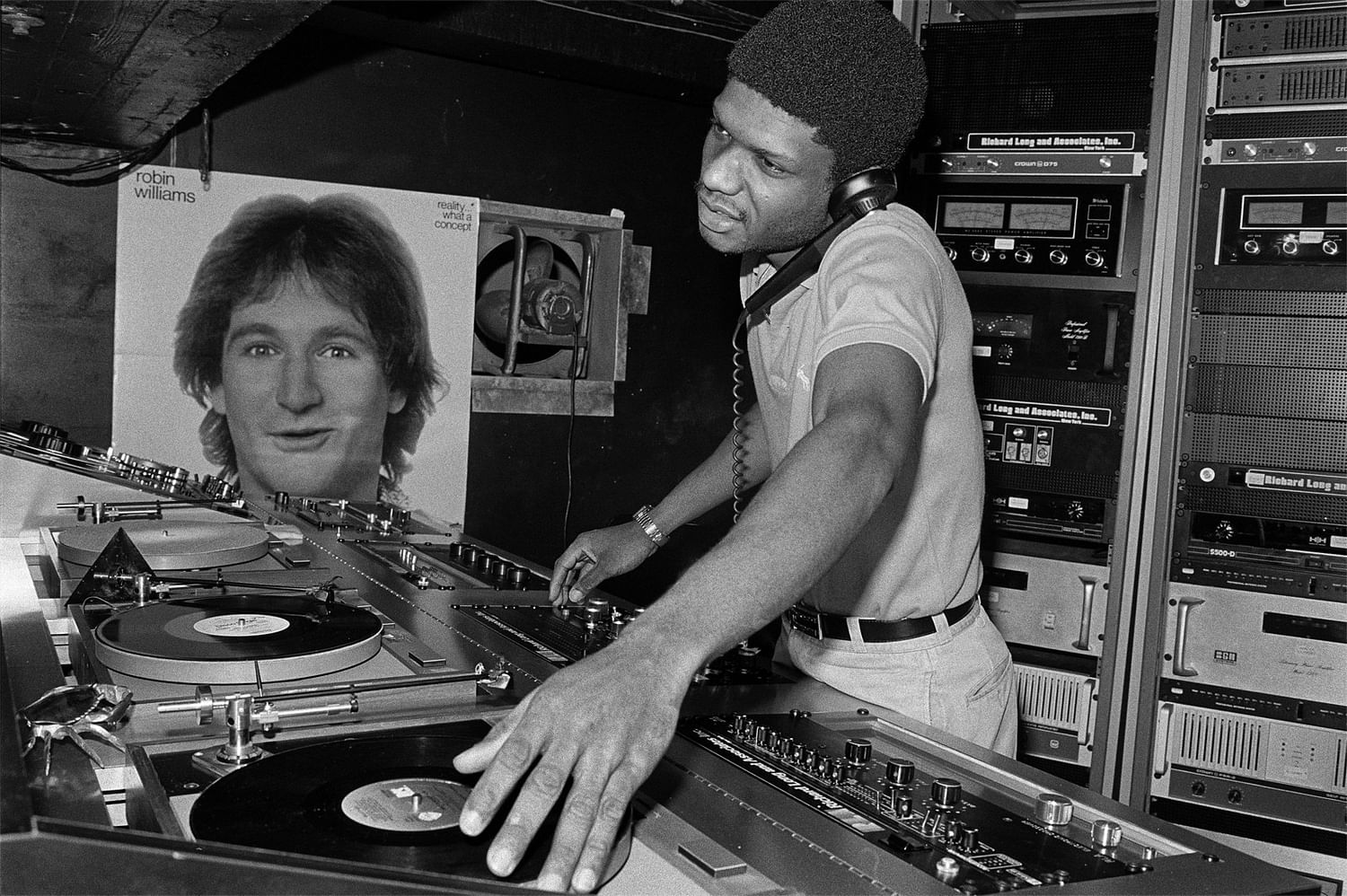
DJ Larry Levan in Paradise Garage, New York, 1979. © Bill Bernstein, David Hill Gallery, London.
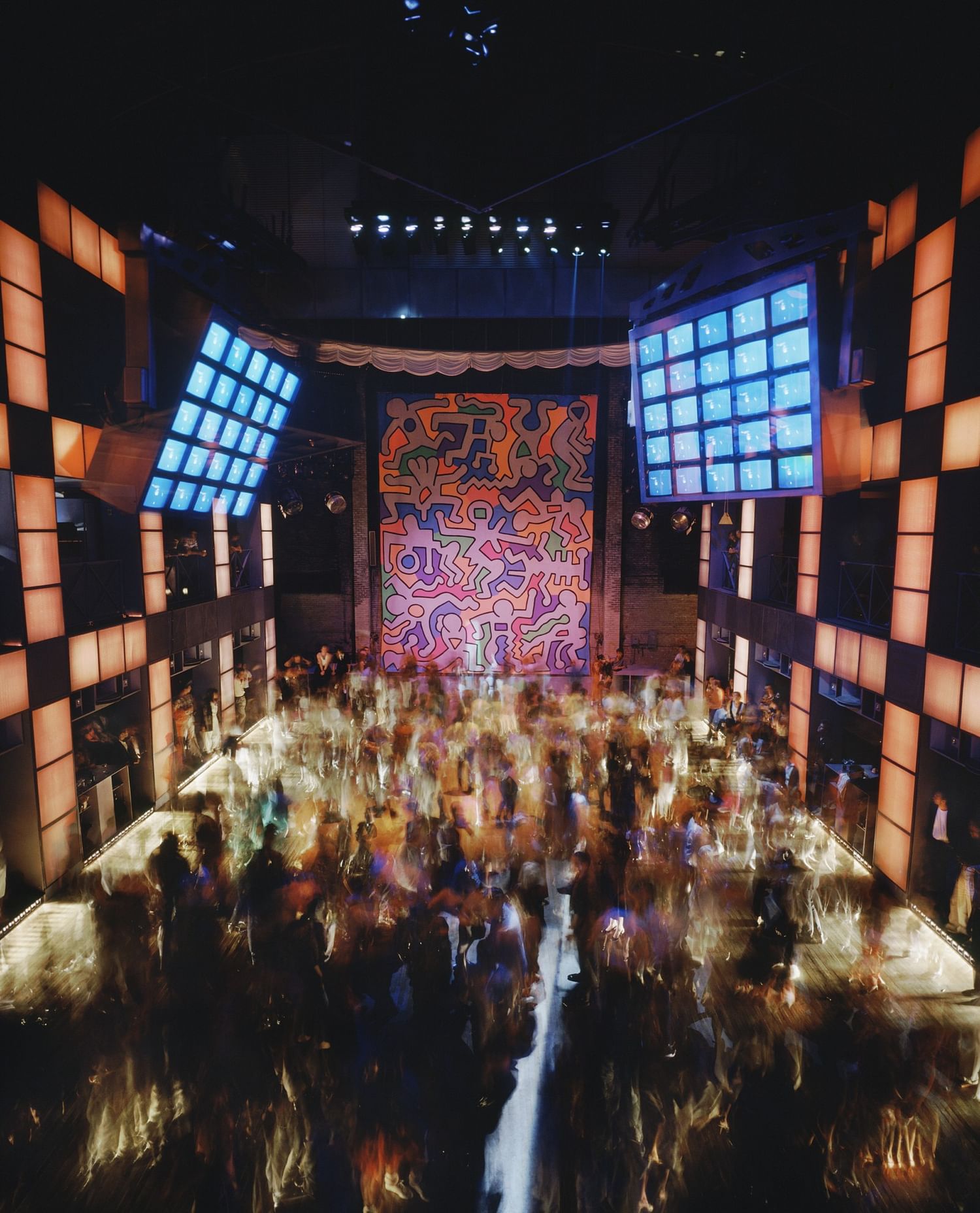
Palladium, New York, 1985. Architect: Arata Isozaki, mural by Keith Haring. © Timothy Hursley, Garvey|Simon Gallery New York.
Installation view Vitra Design Museum »Night Fever. Designing Club Culture 1960 – Today«, 2018 © Vitra Design Museum, photo: Mark Niedermann.

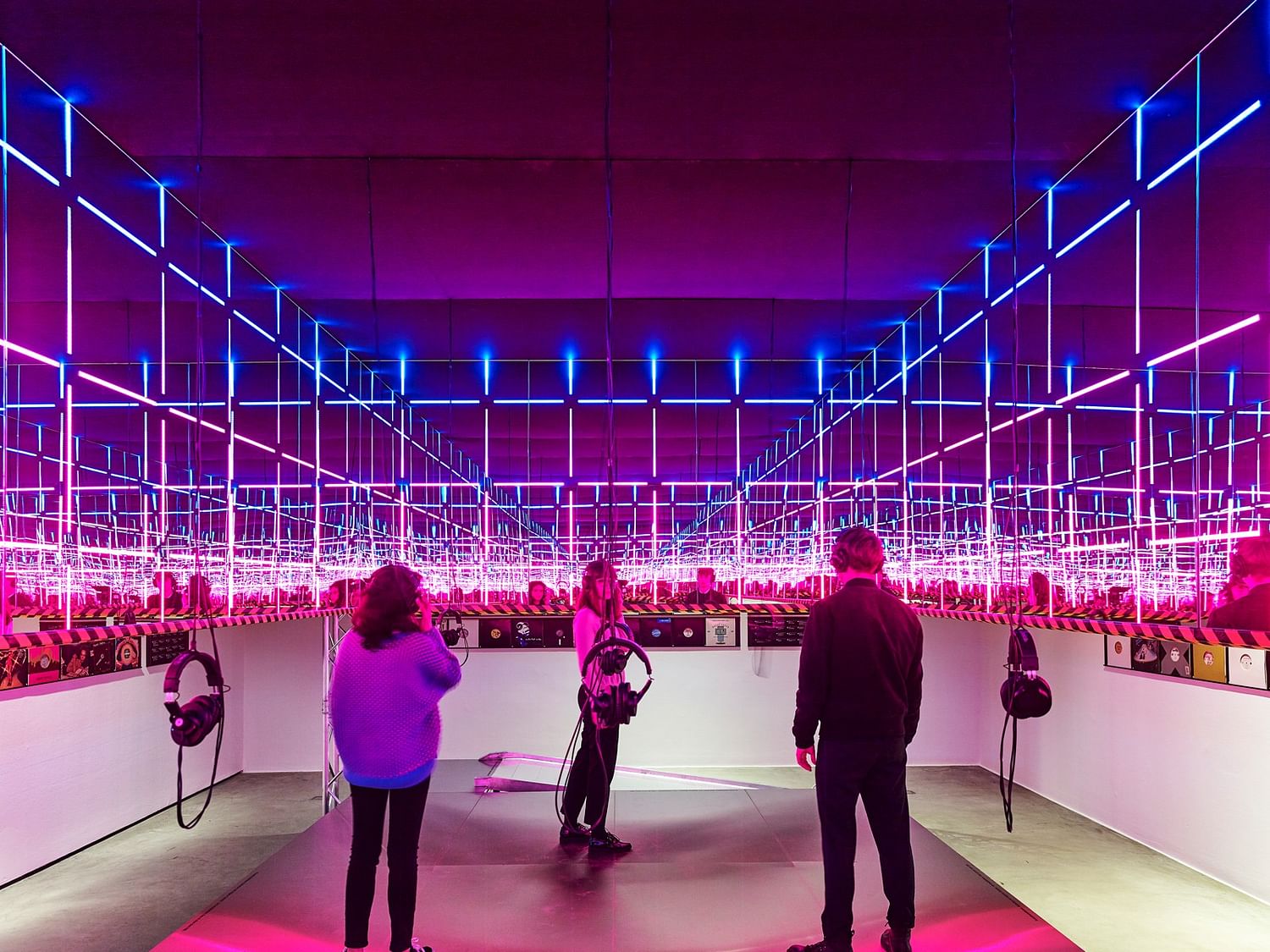
Exhibition designer Konstantin Grcic and lighting designer Matthias Singer created a  music and light installation that lets visitors explore the visual effects, sounds, and sensations of nightclub design. Outside the installation's perimeter is a display of dance records that include Peter Saville's designs for Factory Records, Grace Jones' “Nightclubbing” album cover, and more.
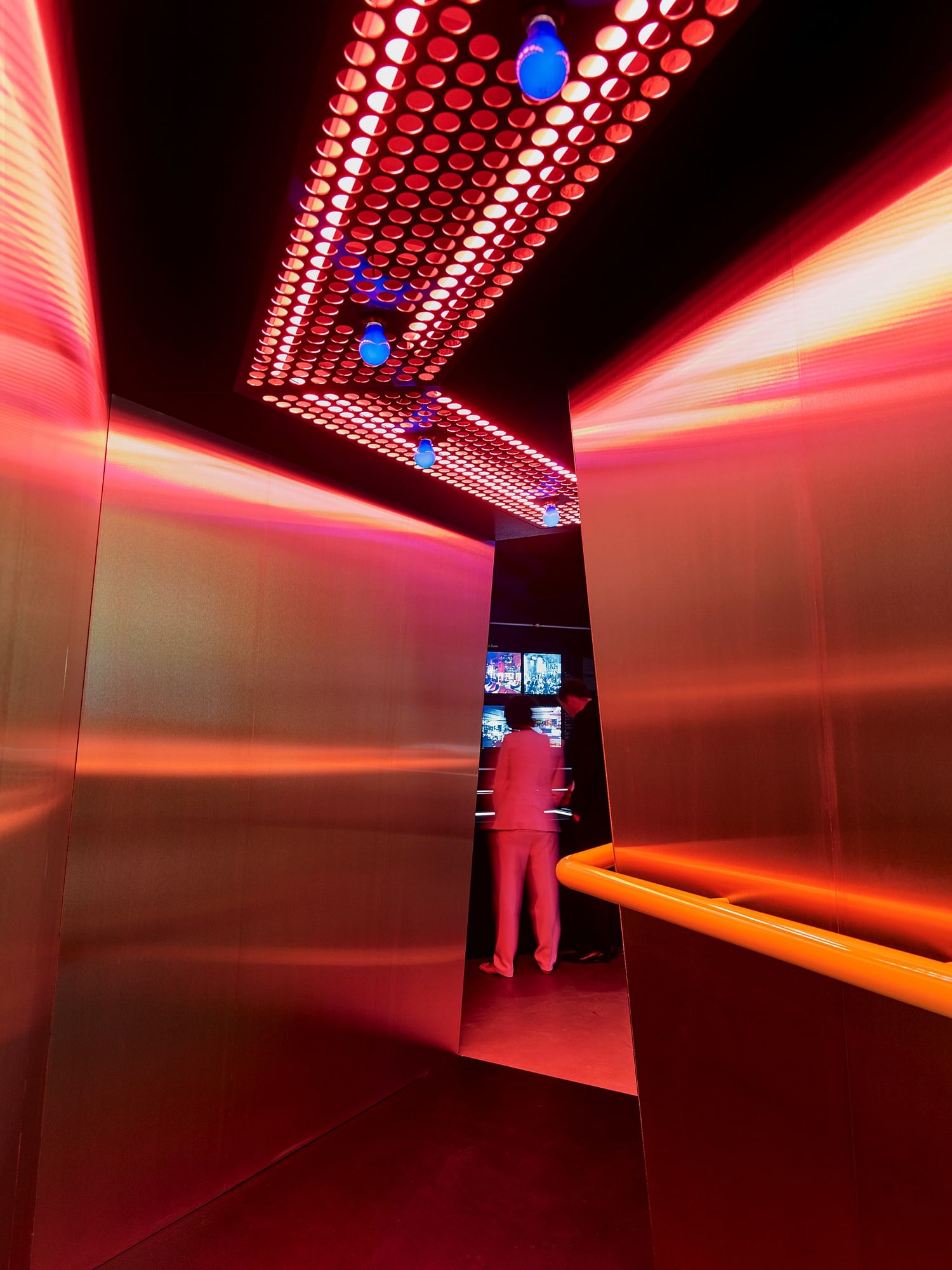
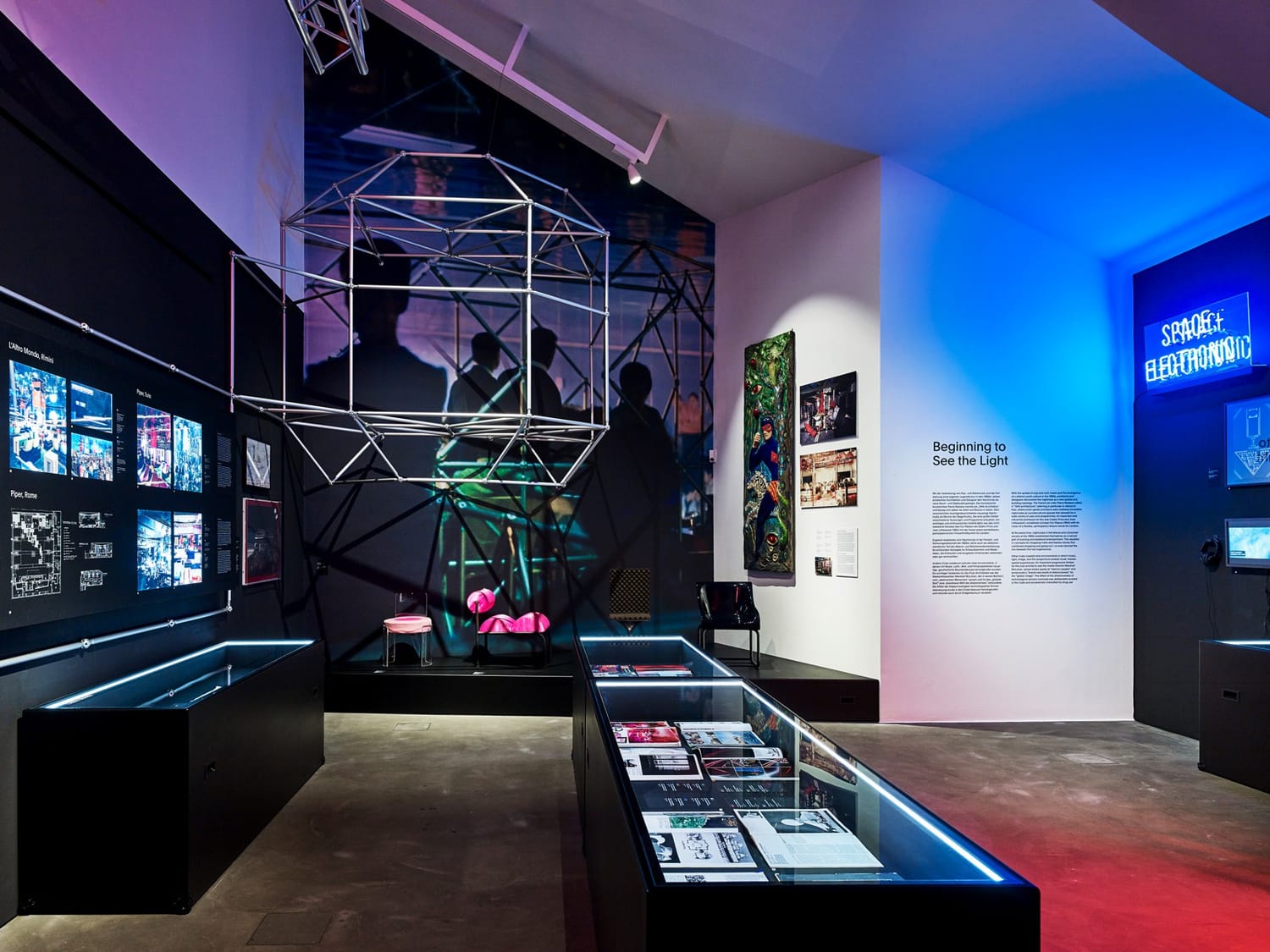
Installation view Vitra Design Museum »Night Fever. Designing Club Culture 1960 – Today«, 2018 © Vitra Design Museum, photo: Mark Niedermann
Installation view Vitra Design Museum »Night Fever. Designing Club Culture 1960 – Today«, 2018 © Vitra Design Museum, photo: Mark Niedermann.

As club culture has been increasingly adopted by global brands and yearly music festivals in recent years, other historic nightclubs from decades past have been pushed out of the city or only survive today as “modern ruins of a hedonistic past”. 

The exhibition also showcases how architects are approaching the nightclub typology. Rem Koolhaas' OMA developed a proposal for a 21st-century Ministry of Sound II for London, while Akoaki from Detroit created a fun DJ booth called “The Mothership” to celebrate the rich club heritage of their hometown.
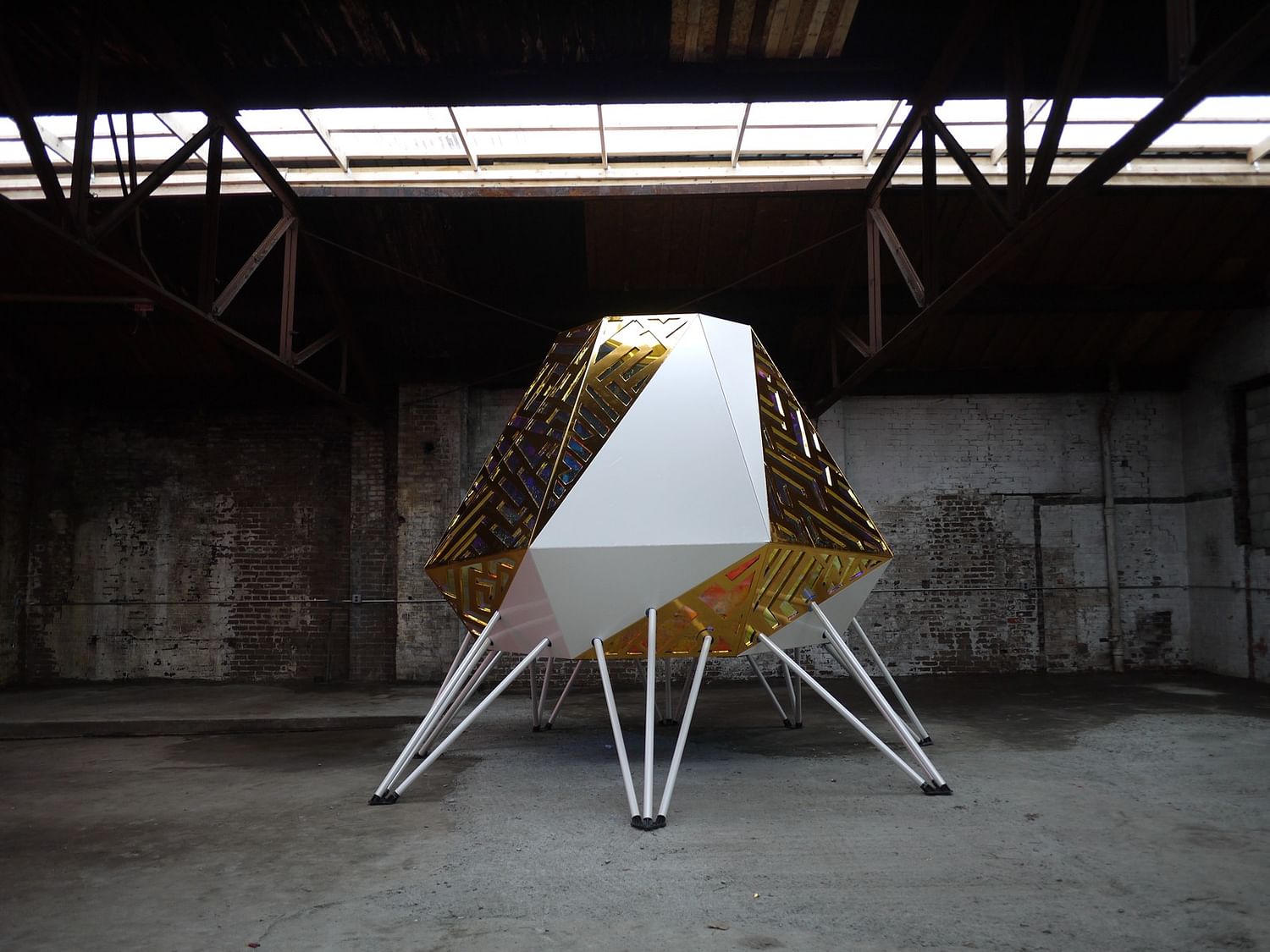
Akoaki, Mobile DJ Booth, The Mothership Detroit, 2014. © Akoaki.
OMA/Rem Koolhaas, Isometric Plan Ministry of Sound II, London, 2015. © OMA.
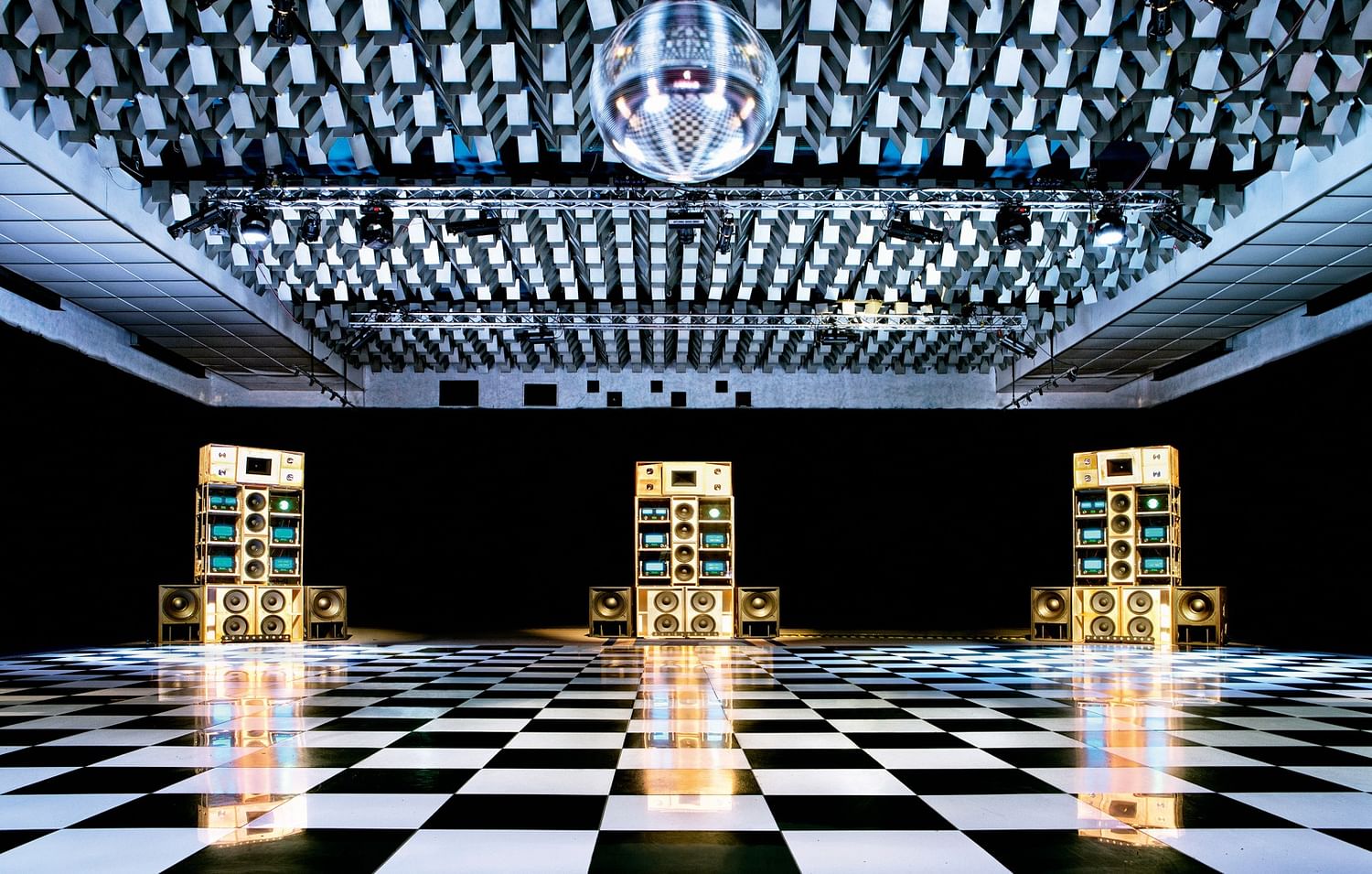
Despacio Sound System, New Century Hall, Manchester International Festival, July 2013. © Rod Lewis
Installation view Vitra Design Museum “Night Fever. Designing Club Culture 1960 – Today”, 2018 © Vitra Design Museum, photo: Mark Niedermann.

“Night Fever: Designing Club Culture 1960 – Today” is open through September 9.

RELATED EVENT Night Fever: Designing Club Culture 1960 – Today

Share

  • Follow

    0 Comments

  • Comment as :

Archinect JobsArchinect Jobs

The Archinect Job Board attracts the world's top architectural design talents.

VIEW ALL JOBS POST A JOB

Junior Architect

Elizabeth Roberts Architecture & Design

Junior Architect

Brooklyn, NY, US

Interior Project Manager

HLW International LLP

Interior Project Manager

New York, NY, US

Senior Technical Designer, Commercial Interiors - New York Office

Fogarty Finger

Senior Technical Designer, Commercial Interiors - New York Office

New York, NY, US

Project Designer / Job Captain

Solutions Architecture Corp

Project Designer / Job Captain

Verona, NJ, US

Interior Designer | Education & Institutional Work

Berliner Architects

Interior Designer | Education & Institutional Work

Culver City, CA, US

Senior Interior Designer

IMC Architecture

Senior Interior Designer

Brooklyn, NY, US

Project Architect

Turpentine Design

Project Architect

Fuquay-Varina, NC, US

Professor/Associate Professor/Assistant Professor of Architecture

Harvard University

Professor/Associate Professor/Assistant Professor of Architecture

Cambridge, MA, US

Project Architect

jones | haydu

Project Architect

San Francisco, CA, US

Architectural Designer

Equal Equal

Architectural Designer

Brooklyn, NY, US

Next page » Loading