• Login / Join
  • About
  • •
  • Contact
  • •
  • Advertising
bustler logo
bustler logo
  • News
  • Competitions
  • Events
  • Bustler is powered by Archinect
  • Sign up for Bustler's Email Newsletters

  • Follow these Bustler feeds:

  • Search

    Search in

  • Submit

    What are you submitting?

    News Pitch
    Competition
    Event
  • Login / Join
  • News|Competitions|Events
  • Search
    | Submit
    | Follow
  • Search in

    What are you submitting?

    News Pitch
    Competition
    Event

    Follow these Bustler feeds:

  • About|Contact|Advertising
  • Login / Join
Tagged: yugoslavia

First major U.S. exhibition on Yugoslav architecture to open at MoMA this Sunday

By Justine Testado|

Tuesday, Jul 10, 2018

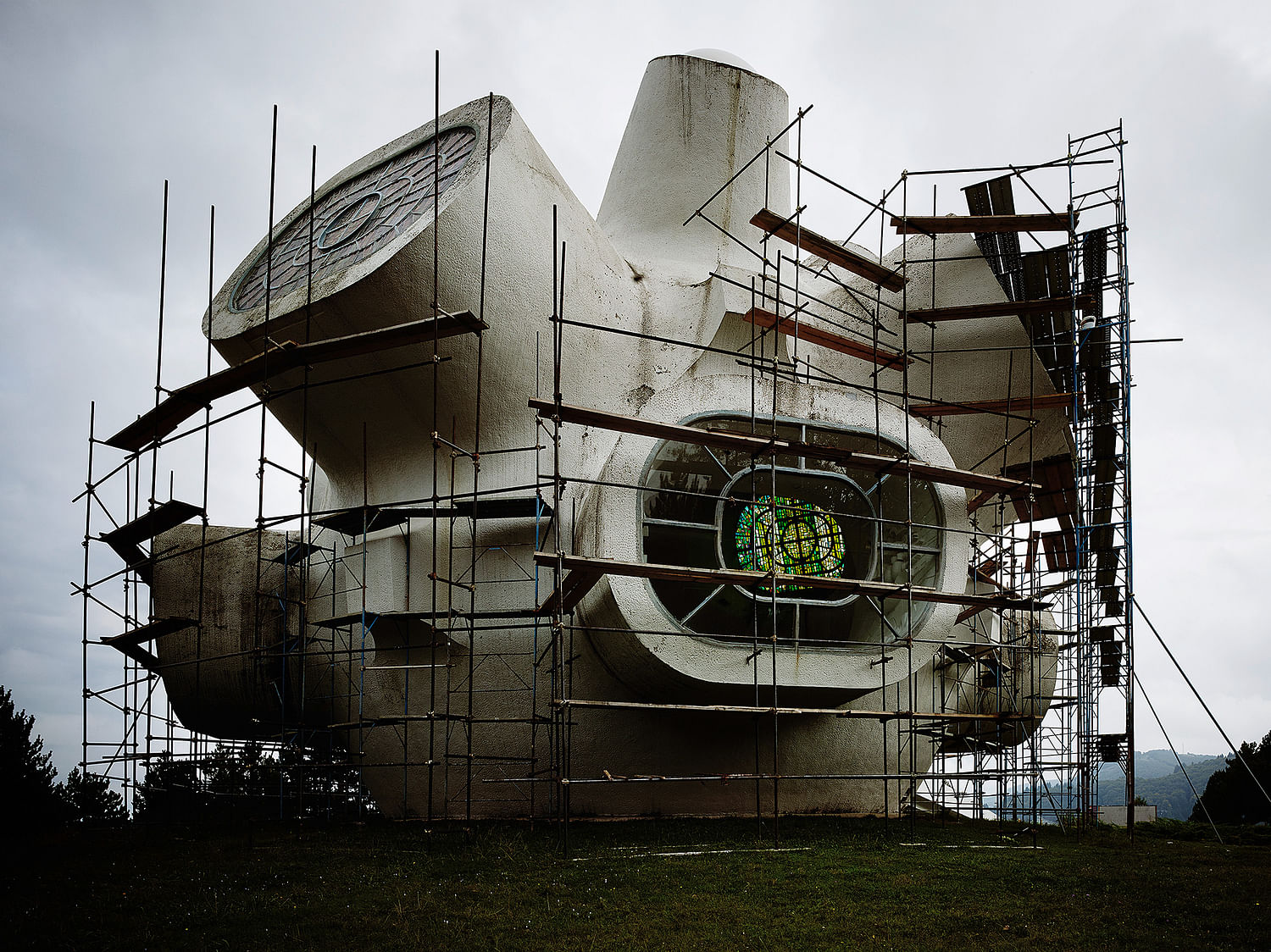
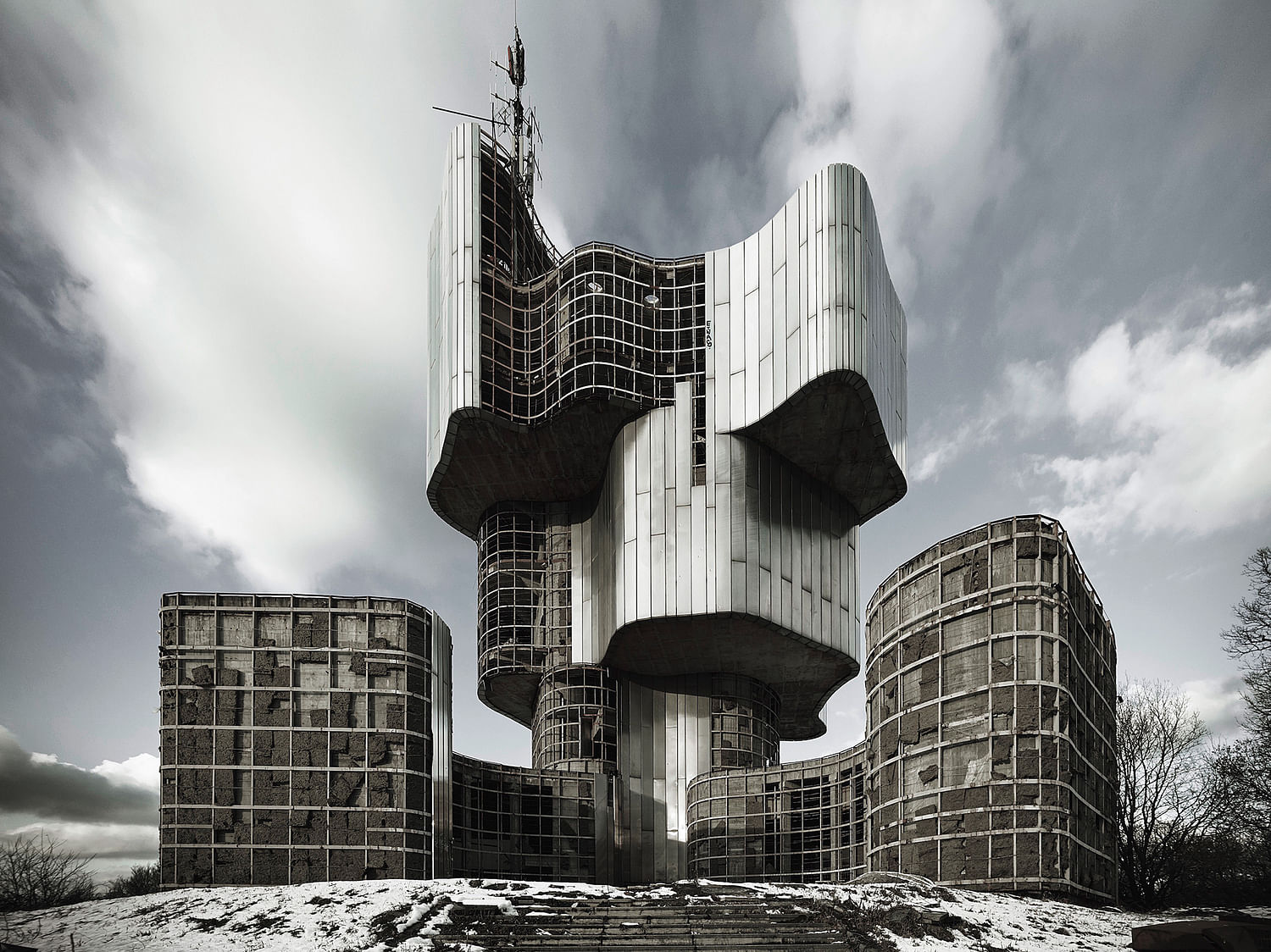
Berislav Šerbetić and Vojin Bakić. Monument to the Uprising of the People of Kordun and Banija. 1979–81. Petrova Gora, Croatia. Exterior view. Photo: Valentin Jeck, commissioned by The Museum of Modern Art, 2016.

Don't miss out — “Toward a Concrete Utopia: Architecture in Yugoslavia, 1948–1980” is making its debut at MoMA in New York this Sunday, July 15. “Toward a Concrete Utopia” is the first major U.S. exhibition that examines the distinctive works of Yugoslavia's architects that attracted global interest during the country's 45-year lifespan.

Showcasing Yugoslav architecture's hybridity and its range of styles, the exhibition will have over 400 drawings, models, photographs, and film reels, including works by prominent architects like Bogdan Bogdanović, Juraj Neidhardt, Svetlana Kana Radević, Edvard Ravnikar, Vjenceslav Richter, and Milica Šterić. 

The works explore themes of large-scale urbanization, technological experimentation and its application in everyday life, consumerism, and monuments and memorialization. They also highlight the different modes of production and the global reach of Yugoslav architecture. 

In case you missed our first preview, here's another sneak peek of the exhibition right below.
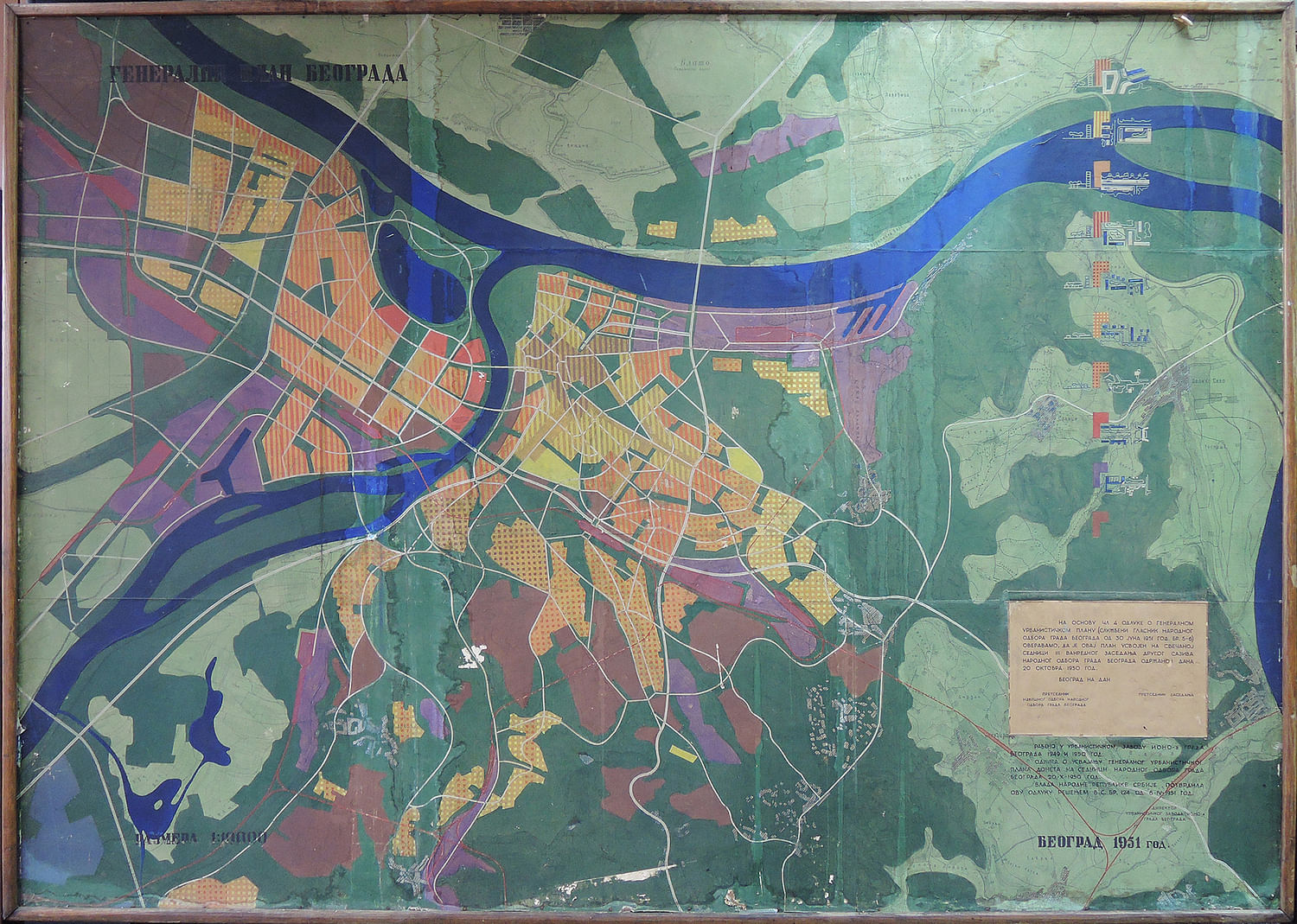
Urban Planning Institute of Belgrade. Belgrade Master Plan. 1949–50. Belgrade, Serbia. Plan 1:10000. 1951. Ink and tempera on diazotype, 64 9/16 x 9 3/4″ (164 x 233 cm). Urban Planning Institute of Belgrade.
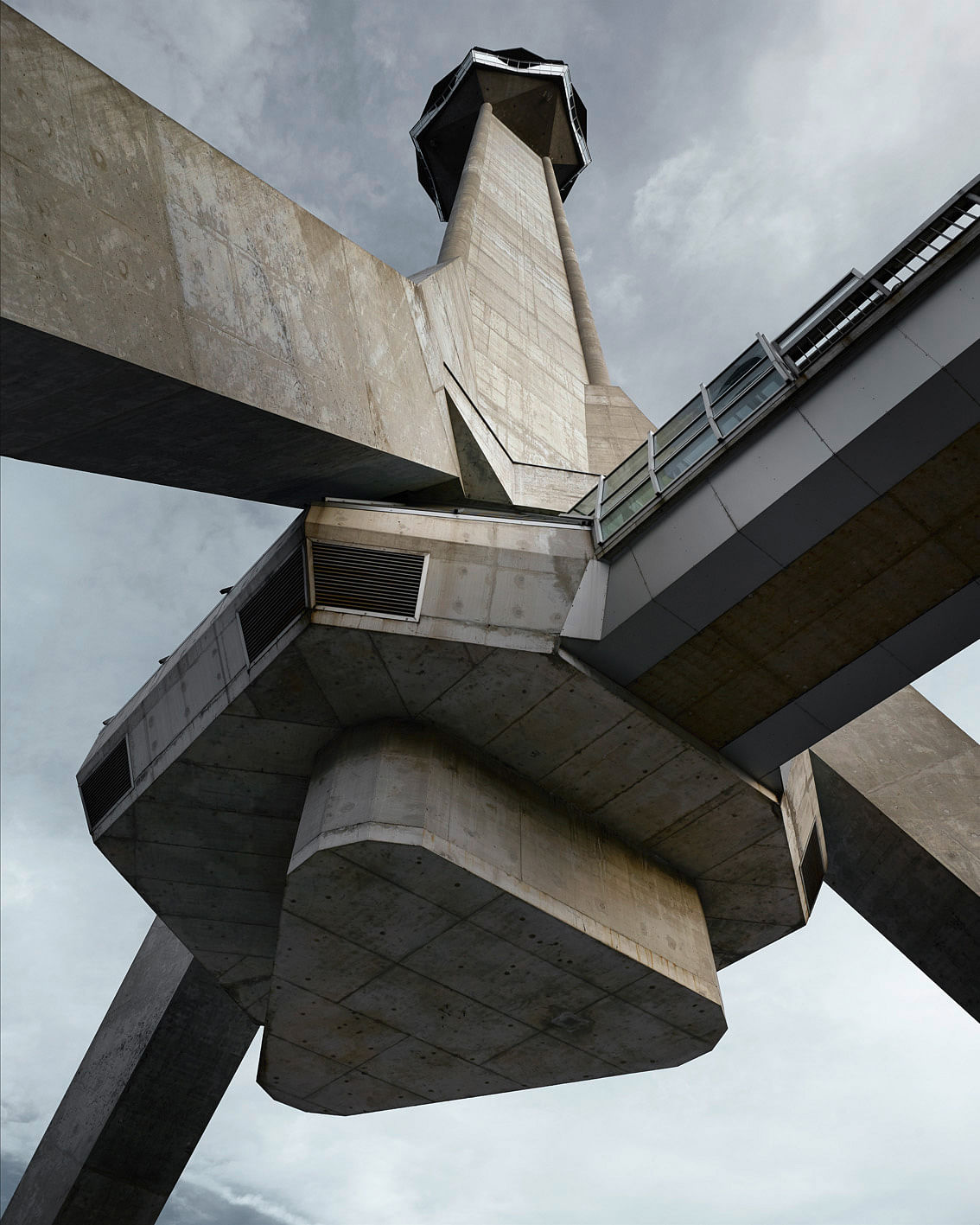
Uglješa Bogunović, Slobodan Janjić, and Milan Krstić. Avala TV Tower. 1960–65 (destroyed in 1999 and rebuilt in 2010). Mount Avala, near Belgrade, Serbia. Exterior view. Photo: Valentin Jeck, commissioned by The Museum of Modern Art, 2016.
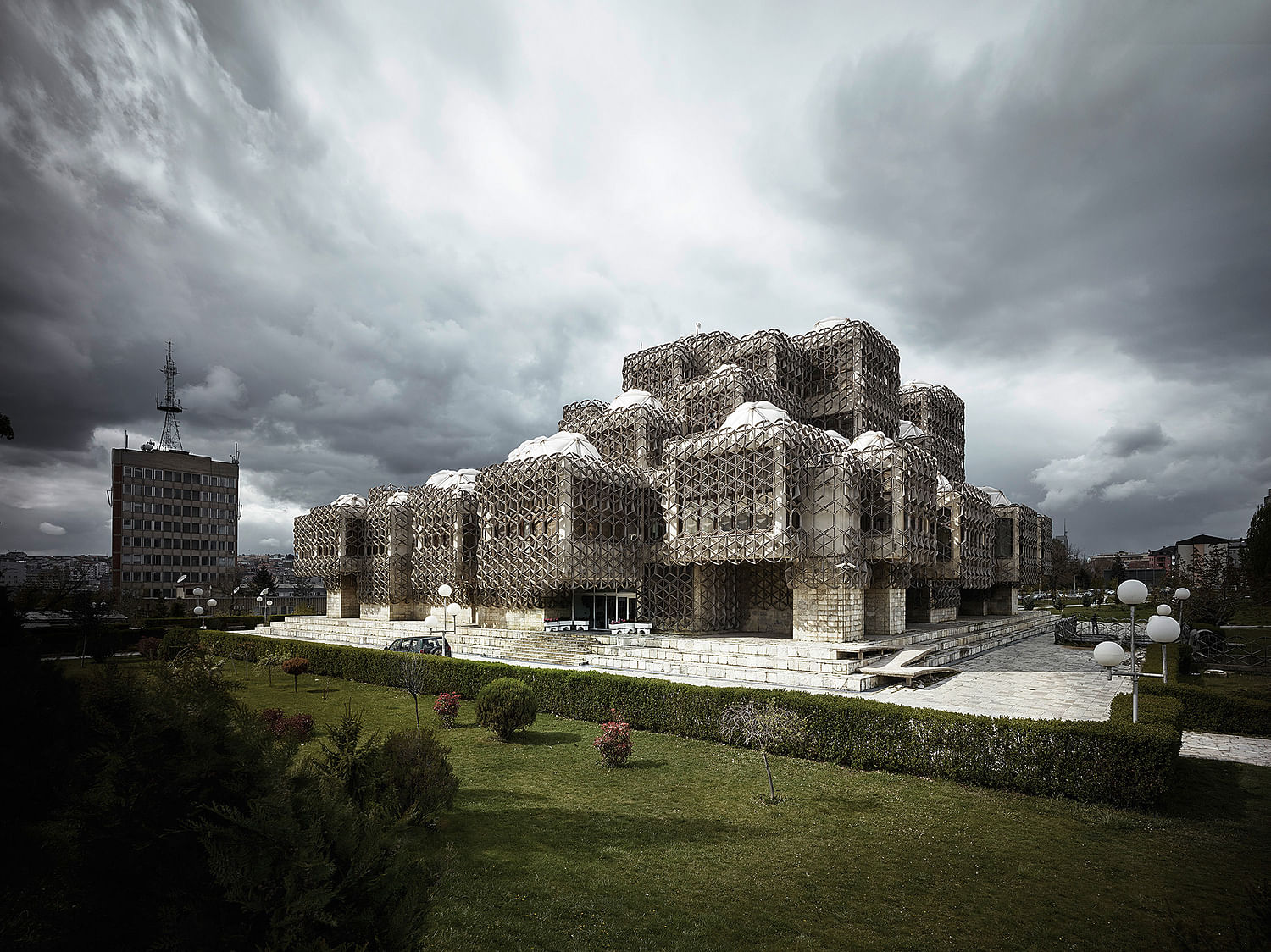
Andrija Mutnjaković. National and University Library of Kosovo. 1971–82. Prishtina, Kosovo. Exterior view. Photo: Valentin Jeck, commissioned by The Museum of Modern Art, 2016.
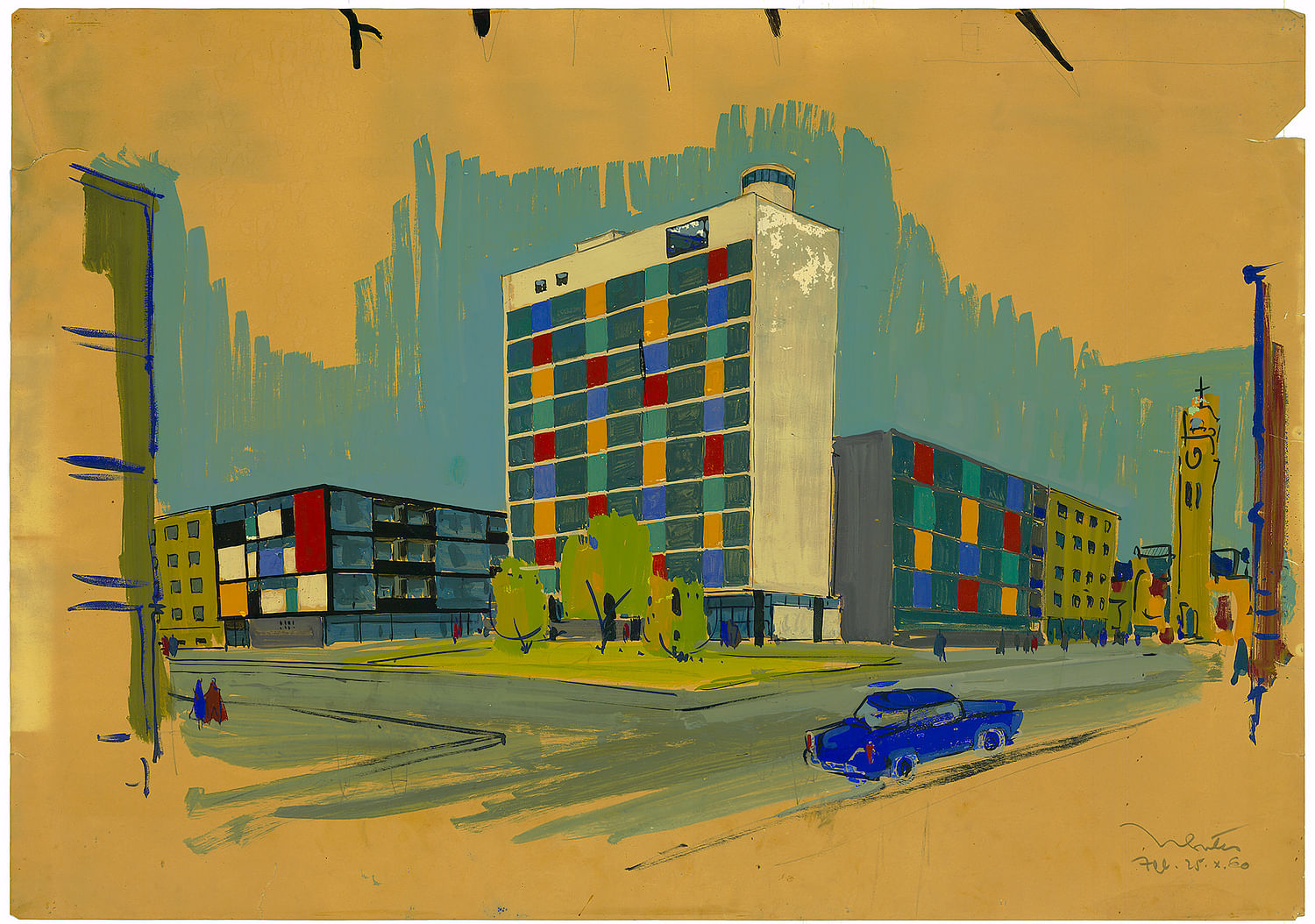
Ivan Vitić. Apartment Building on Laginjina Street. 1957–62. Zagreb, Croatia. Perspective drawing, 1960. Tempera, pencil, and ink on paper, 27 15/16 × 39 3/8″ (71 × 100 cm). Ivan Vitić Archive, Croatian Academy of Sciences and Arts.
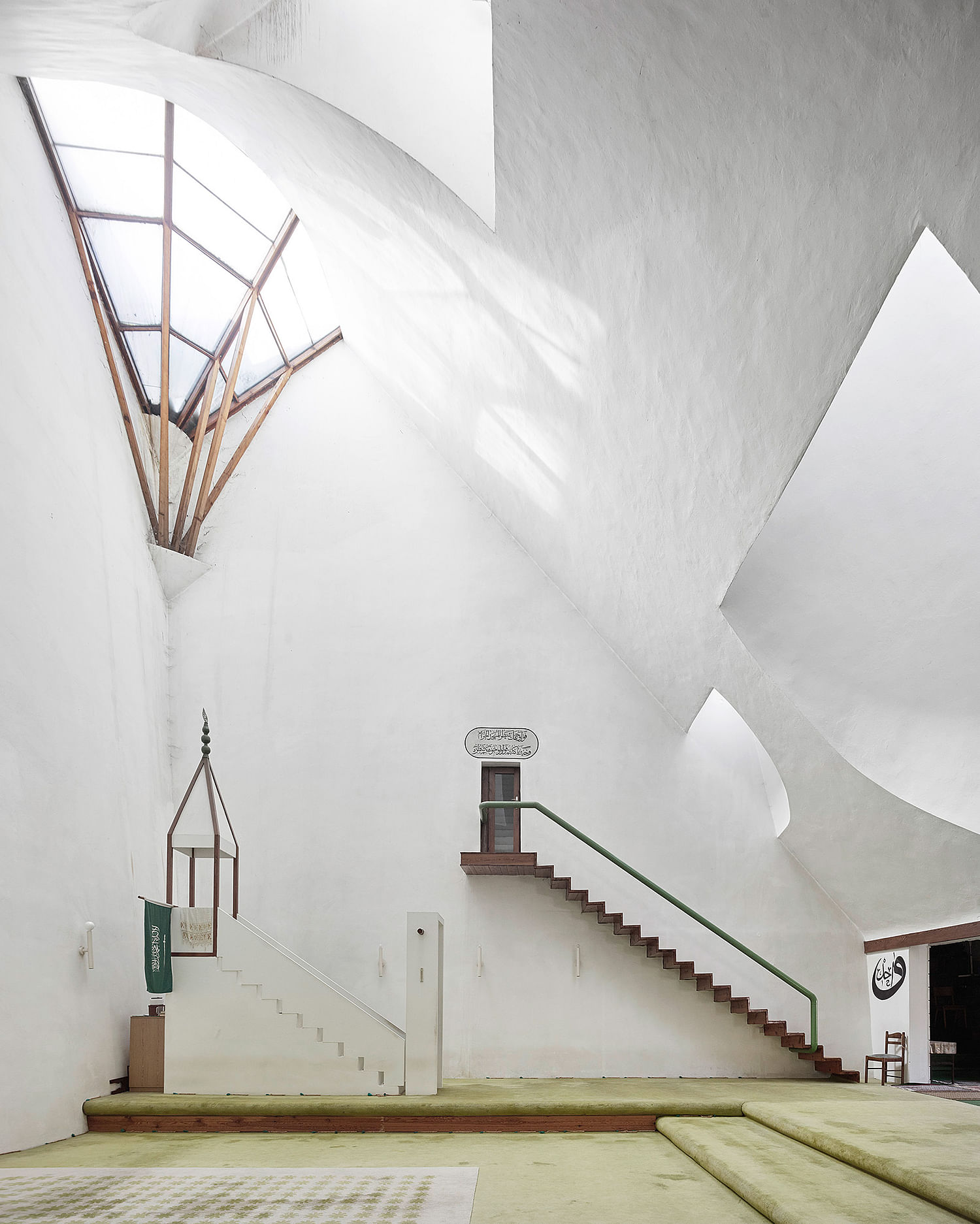
Zlatko Ugljen. Šerefudin White Mosque. 1969–79. Visoko, Bosnia and Herzegovina. Interior view. Photo: Valentin Jeck, commissioned by The Museum of Modern Art, 2016.
RELATED EVENT Toward a Concrete Utopia: Architecture in Yugoslavia, 1948–1980
Jordan and Iskra Grabul. Monument to the Ilinden Uprising. 1970–73. Kruševo, Macedonia. Photo: Valentin Jeck, commissioned by The Museum of Modern Art, 2016.
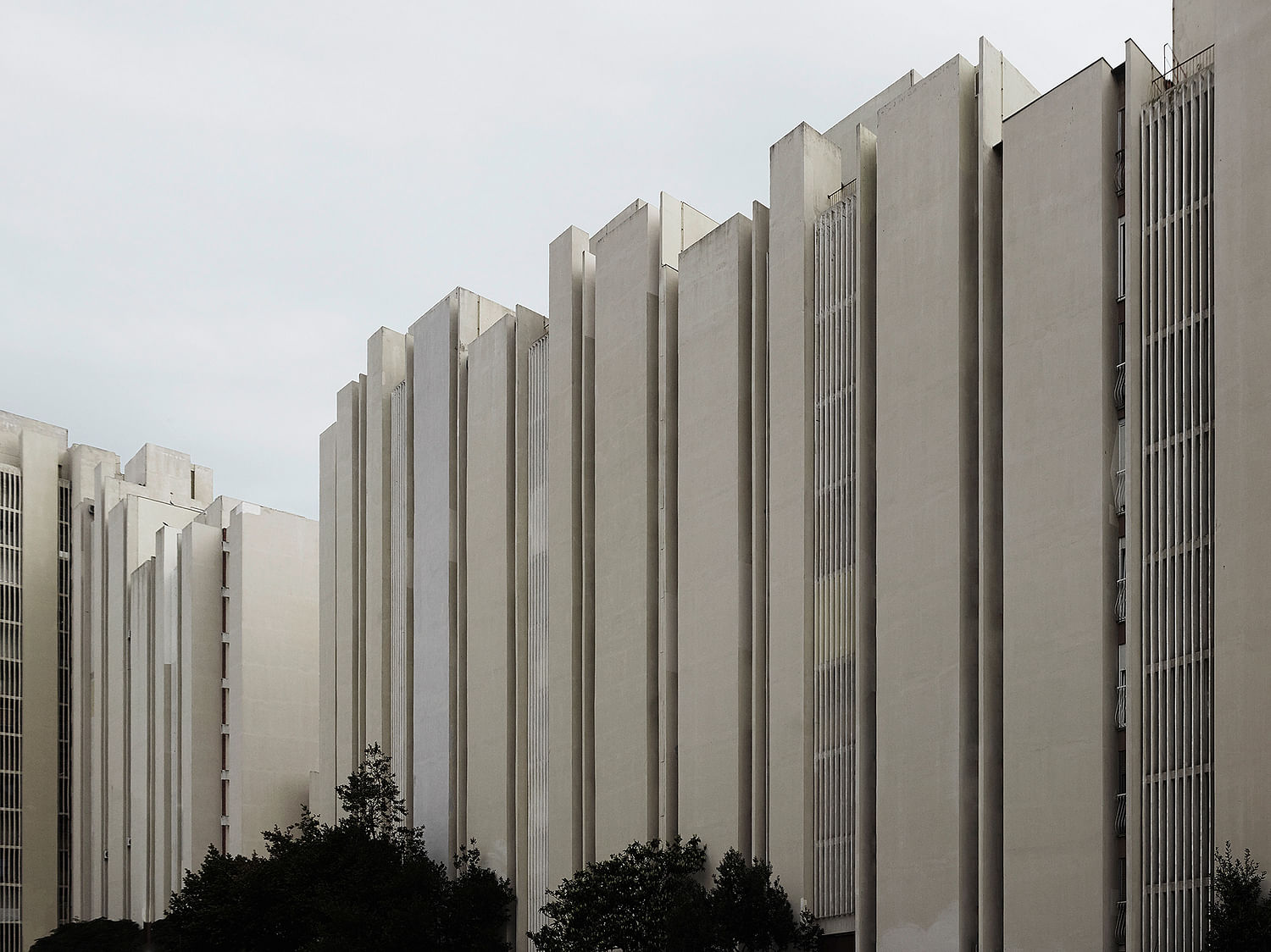
Dinko Kovačić and Mihajlo Zorić. Braće Borozan building block in Split 3. 1970–79. Split, Croatia. Exterior view. Photo: Valentin Jeck, commissioned by The Museum of Modern Art, 2016.
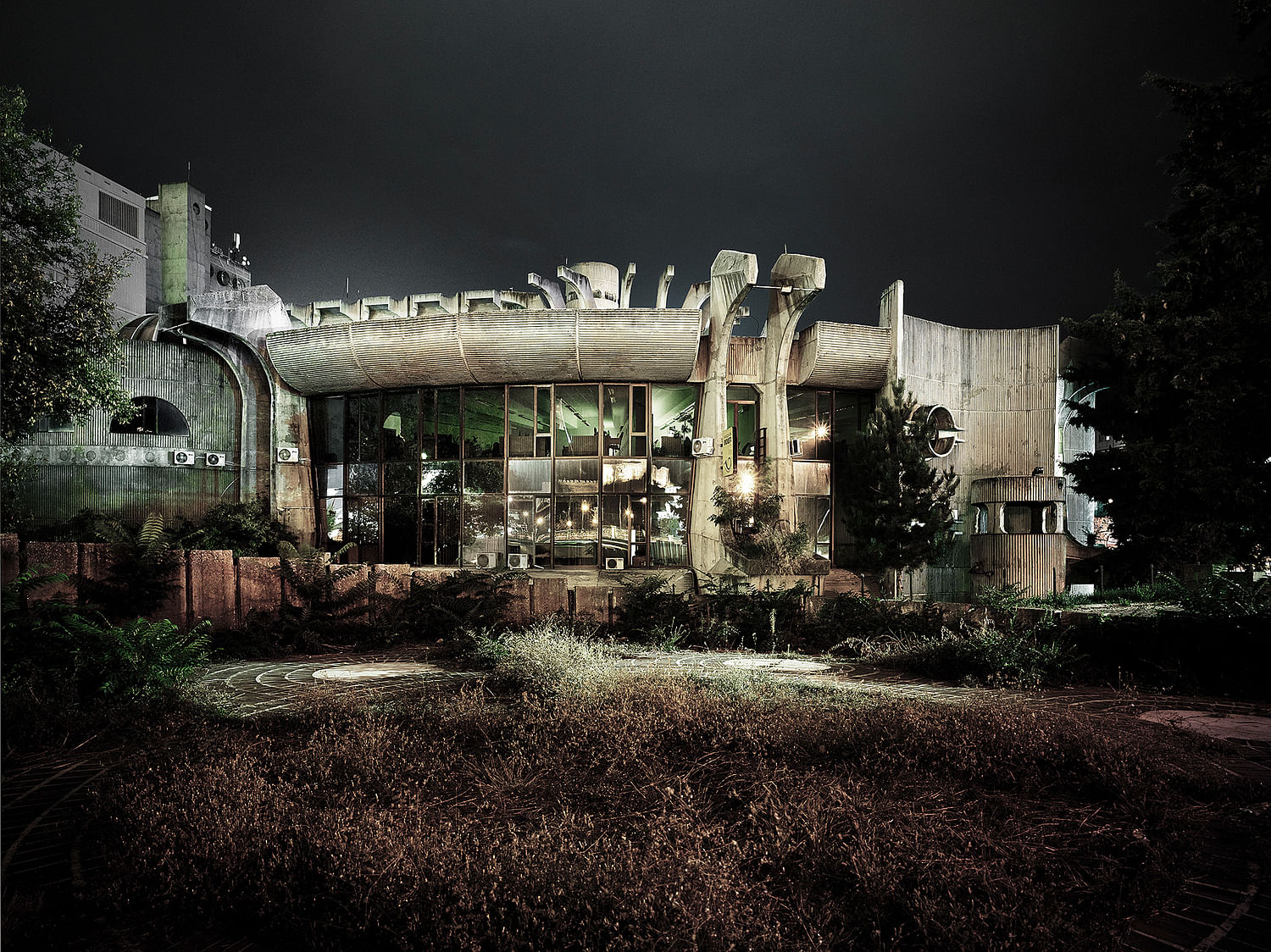
Janko Konstantinov. Telecommunications Center. 1968–81. Skopje, Macedonia. View of the Southwestern Block façade. Photo: Valentin Jeck, commissioned by The Museum of Modern Art, 2016.
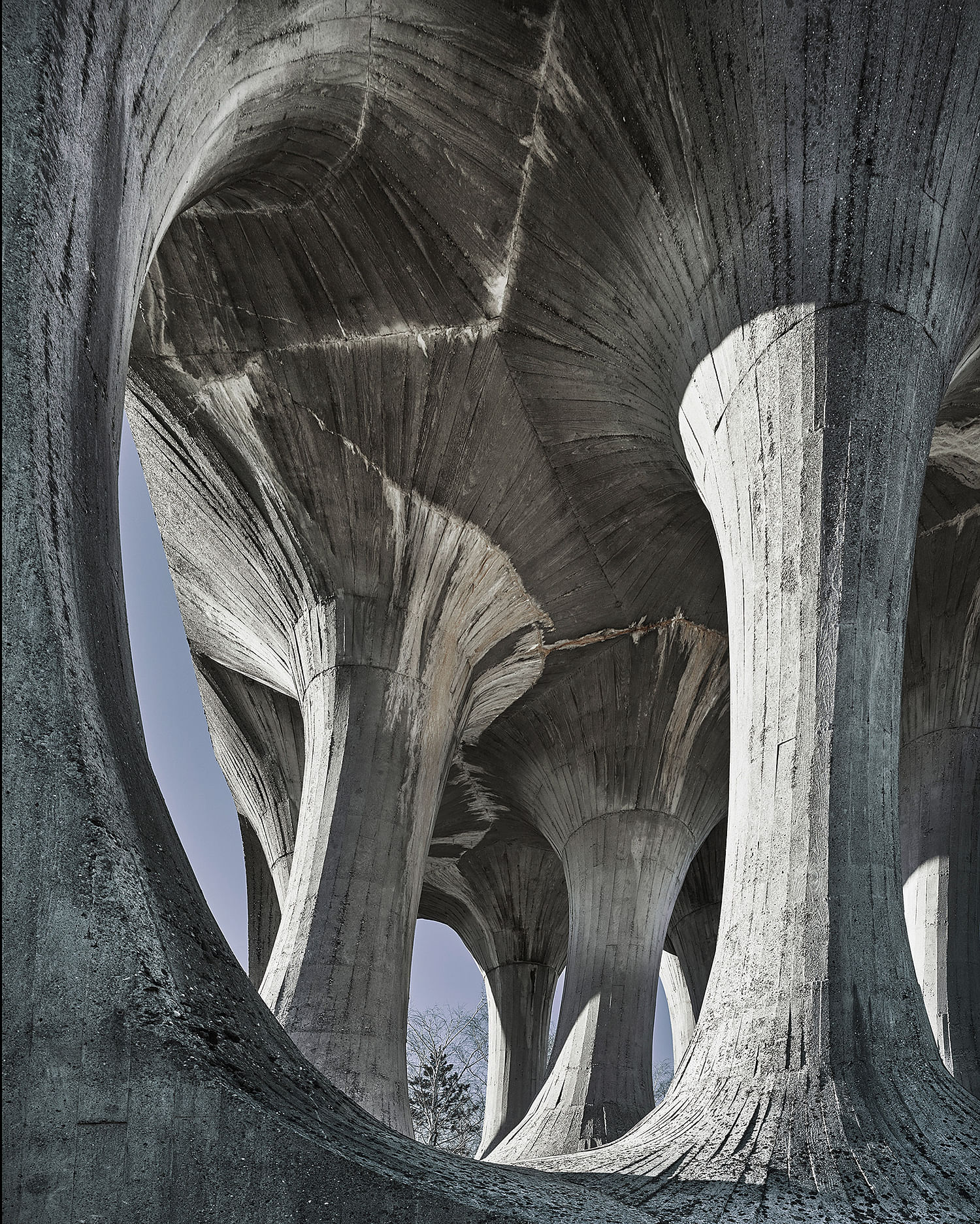
Živa Baraga and Janez Lenassi. Monument to the Fighters Fallen in the People’s Liberation Struggle. 1965. Ilirska Bistrica, Slovenia. Photo: Valentin Jeck, commissioned by The Museum of Modern Art, 2016.

“Toward a Concrete Utopia: Architecture in Yugoslavia, 1948–1980” will be open through January 13, 2019.

RELATED NEWS MoMA announces an upcoming exhibition on Yugoslav concrete architecture
RELATED NEWS Our NYC architecture and design event picks for Summer 2018

Related

yugoslavia ● former yugoslavia ● moma ● architectural history ● history ● new york city ● new york ● usa ● event ● brutalism ● concrete

Share

  • Follow

    2 Comments

  • Erin Sharp Newton ·  Jul 11, 18 1:25 PM

    Excellent selection of imagery - my favorite of yours so far :)

  • Chemex
    Chemex

    Chemex ·  Jul 11, 18 1:56 PM

    MoMA seems to reflect the current dark age of the present--modernism not as progressive present but a historical lost past. 

  • Comment as :

First major U.S. exhibition on Yugoslav architecture to open at MoMA this Sunday

MoMA announces an upcoming exhibition on Yugoslav concrete architecture

Montenegro's Venice Biennale exhibition seeks renewal of the country's architectural heritage

'Poetic / Pathetic' - Winner of the Mratinje Dam Complex Competition in Montenegro

Sign up for Bustler's Email Newsletters

Next page » Loading

First major U.S. exhibition on Yugoslav architecture to open at MoMA this Sunday

By Justine Testado|

Tuesday, Jul 10, 2018

Share

Berislav Šerbetić and Vojin Bakić. Monument to the Uprising of the People of Kordun and Banija. 1979–81. Petrova Gora, Croatia. Exterior view. Photo: Valentin Jeck, commissioned by The Museum of Modern Art, 2016.

Related

yugoslavia ● former yugoslavia ● moma ● architectural history ● history ● new york city ● new york ● usa ● event ● brutalism ● concrete

Don't miss out — “Toward a Concrete Utopia: Architecture in Yugoslavia, 1948–1980” is making its debut at MoMA in New York this Sunday, July 15. “Toward a Concrete Utopia” is the first major U.S. exhibition that examines the distinctive works of Yugoslavia's architects that attracted global interest during the country's 45-year lifespan.

Showcasing Yugoslav architecture's hybridity and its range of styles, the exhibition will have over 400 drawings, models, photographs, and film reels, including works by prominent architects like Bogdan Bogdanović, Juraj Neidhardt, Svetlana Kana Radević, Edvard Ravnikar, Vjenceslav Richter, and Milica Šterić. 

The works explore themes of large-scale urbanization, technological experimentation and its application in everyday life, consumerism, and monuments and memorialization. They also highlight the different modes of production and the global reach of Yugoslav architecture. 

In case you missed our first preview, here's another sneak peek of the exhibition right below.
Urban Planning Institute of Belgrade. Belgrade Master Plan. 1949–50. Belgrade, Serbia. Plan 1:10000. 1951. Ink and tempera on diazotype, 64 9/16 x 9 3/4″ (164 x 233 cm). Urban Planning Institute of Belgrade.
Uglješa Bogunović, Slobodan Janjić, and Milan Krstić. Avala TV Tower. 1960–65 (destroyed in 1999 and rebuilt in 2010). Mount Avala, near Belgrade, Serbia. Exterior view. Photo: Valentin Jeck, commissioned by The Museum of Modern Art, 2016.
Andrija Mutnjaković. National and University Library of Kosovo. 1971–82. Prishtina, Kosovo. Exterior view. Photo: Valentin Jeck, commissioned by The Museum of Modern Art, 2016.
Ivan Vitić. Apartment Building on Laginjina Street. 1957–62. Zagreb, Croatia. Perspective drawing, 1960. Tempera, pencil, and ink on paper, 27 15/16 × 39 3/8″ (71 × 100 cm). Ivan Vitić Archive, Croatian Academy of Sciences and Arts.
Zlatko Ugljen. Šerefudin White Mosque. 1969–79. Visoko, Bosnia and Herzegovina. Interior view. Photo: Valentin Jeck, commissioned by The Museum of Modern Art, 2016.
RELATED EVENT Toward a Concrete Utopia: Architecture in Yugoslavia, 1948–1980
Jordan and Iskra Grabul. Monument to the Ilinden Uprising. 1970–73. Kruševo, Macedonia. Photo: Valentin Jeck, commissioned by The Museum of Modern Art, 2016.
Dinko Kovačić and Mihajlo Zorić. Braće Borozan building block in Split 3. 1970–79. Split, Croatia. Exterior view. Photo: Valentin Jeck, commissioned by The Museum of Modern Art, 2016.
Janko Konstantinov. Telecommunications Center. 1968–81. Skopje, Macedonia. View of the Southwestern Block façade. Photo: Valentin Jeck, commissioned by The Museum of Modern Art, 2016.
Živa Baraga and Janez Lenassi. Monument to the Fighters Fallen in the People’s Liberation Struggle. 1965. Ilirska Bistrica, Slovenia. Photo: Valentin Jeck, commissioned by The Museum of Modern Art, 2016.

“Toward a Concrete Utopia: Architecture in Yugoslavia, 1948–1980” will be open through January 13, 2019.

RELATED NEWS MoMA announces an upcoming exhibition on Yugoslav concrete architecture
RELATED NEWS Our NYC architecture and design event picks for Summer 2018

Share

  • Follow

    2 Comments

  • Erin Sharp Newton ·  Jul 11, 18 1:25 PM

    Excellent selection of imagery - my favorite of yours so far :)

  • Chemex

    Chemex ·  Jul 11, 18 1:56 PM

    MoMA seems to reflect the current dark age of the present--modernism not as progressive present but a historical lost past. 

  • Comment as :

Archinect JobsArchinect Jobs

The Archinect Job Board attracts the world's top architectural design talents.

VIEW ALL JOBS POST A JOB

Architectural Associate/Junior Architect

Goldstone Architecture

Architectural Associate/Junior Architect

Bennington, VT, US

Project Designer / Job Captain

Solutions Architecture Corp

Project Designer / Job Captain

Verona, NJ, US

Design Architect

JLK Architects

Design Architect

Chicago, IL, US

Project Architect/Job Captain

HLW International LLP

Project Architect/Job Captain

West Palm Beach, FL, US

Senior Hospitality FF&E Designer

bonetti/kozerski architecture DPC

Senior Hospitality FF&E Designer

New York, NY, US

Senior Interior Designer

IMC Architecture

Senior Interior Designer

Brooklyn, NY, US

Architectural Designer

Equal Equal

Architectural Designer

Brooklyn, NY, US

Project Architect/Interior Designer

IMC Architecture

Project Architect/Interior Designer

Brooklyn, NY, US

Intermediate Residential Architect

52XConsulting

Intermediate Residential Architect

New York, NY, US

Mid-Level Architect/Designer

Payette

Mid-Level Architect/Designer

Boston, MA, US

Next page » Loading