• Login / Join
  • About
  • •
  • Contact
  • •
  • Advertising
bustler logo
bustler logo
  • News
  • Competitions
  • Events
  • Bustler is powered by Archinect
  • Sign up for Bustler's Email Newsletters

  • Follow these Bustler feeds:

  • Search

    Search in

  • Submit

    What are you submitting?

    News Pitch
    Competition
    Event
  • Login / Join
  • News|Competitions|Events
  • Search
    | Submit
    | Follow
  • Search in

    What are you submitting?

    News Pitch
    Competition
    Event

    Follow these Bustler feeds:

  • About|Contact|Advertising
  • Login / Join
Tagged: bellingham

Olson Kundig Architects Win Two American Architecture Awards

By Bustler Editors|

Monday, Nov 1, 2010
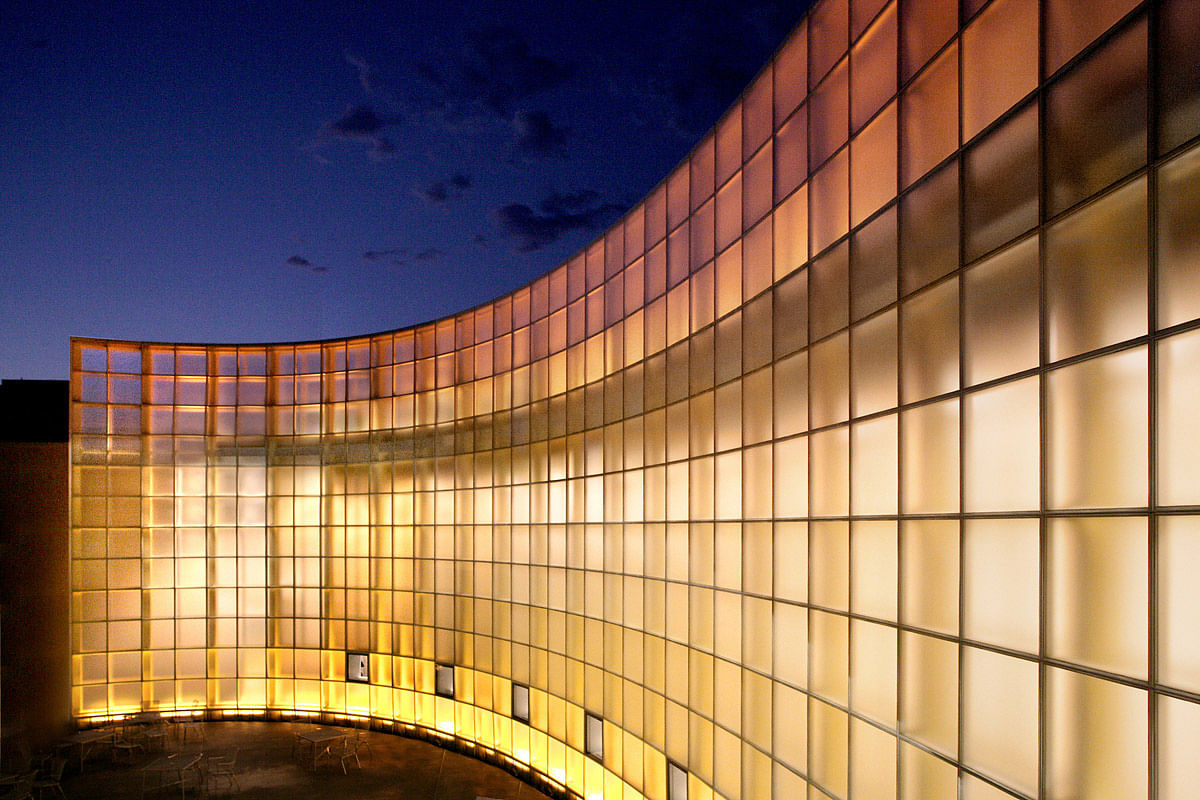
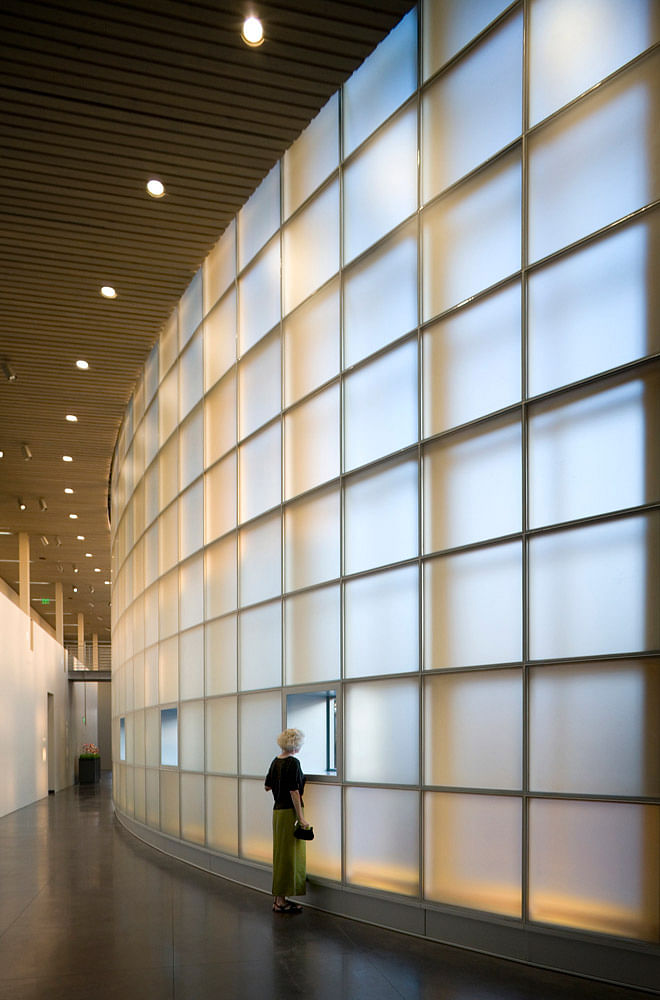
The Lightcatcher at the Whatcom Museum, Photo: Tim Bies/Olson Kundig Architects

The Lightcatcher at the Whatcom Museum and the Wing Luke Museum of the Asian Pacific American Experience, two museum projects by Seattle-based Olson Kundig Architects, are among the recipients of the American Architecture Awards for 2010, given by The Chicago Athenaeum: Museum of Architecture and Design and The European Centre for Architecture Art Design and Urban Studies.

The awards will be presented in the “New World Architecture” exhibition at “The City and The World: Madrid Symposium” in Madrid, Spain. Organized by The Chicago Athenaeum, the exhibition will open on Thursday, November 4, 2010. After Madrid, the exhibition will travel to Contemporary Space Athens in Athens, Greece. In April, 2011 the exhibition is scheduled to travel to Istanbul.

The Lightcatcher at the Whatcom Museum
Bellingham, WA, 2009

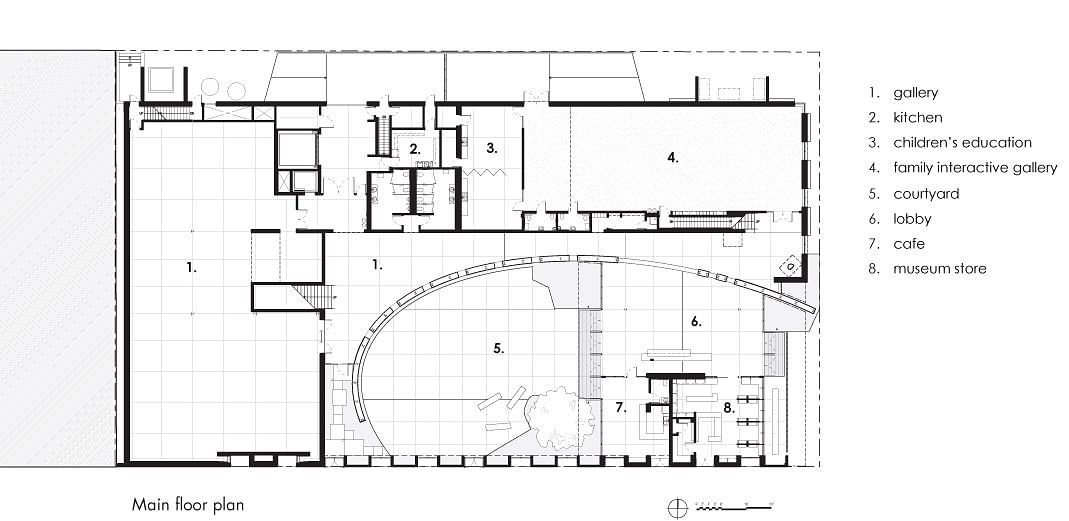
The basic concept for this new $12.8 million museum is that of a museum turned inside out—to make the building as active on the outside as it will be on the inside. An iconic 36-foot-tall, 180-foot-long translucent wall, “the lightcatcher,” is conceived as the focal point and backdrop to a central courtyard that will become a new gathering place for the city. The exterior of the museum is an invitation to engage in art and allows pedestrians walking by to view the art and activity within.
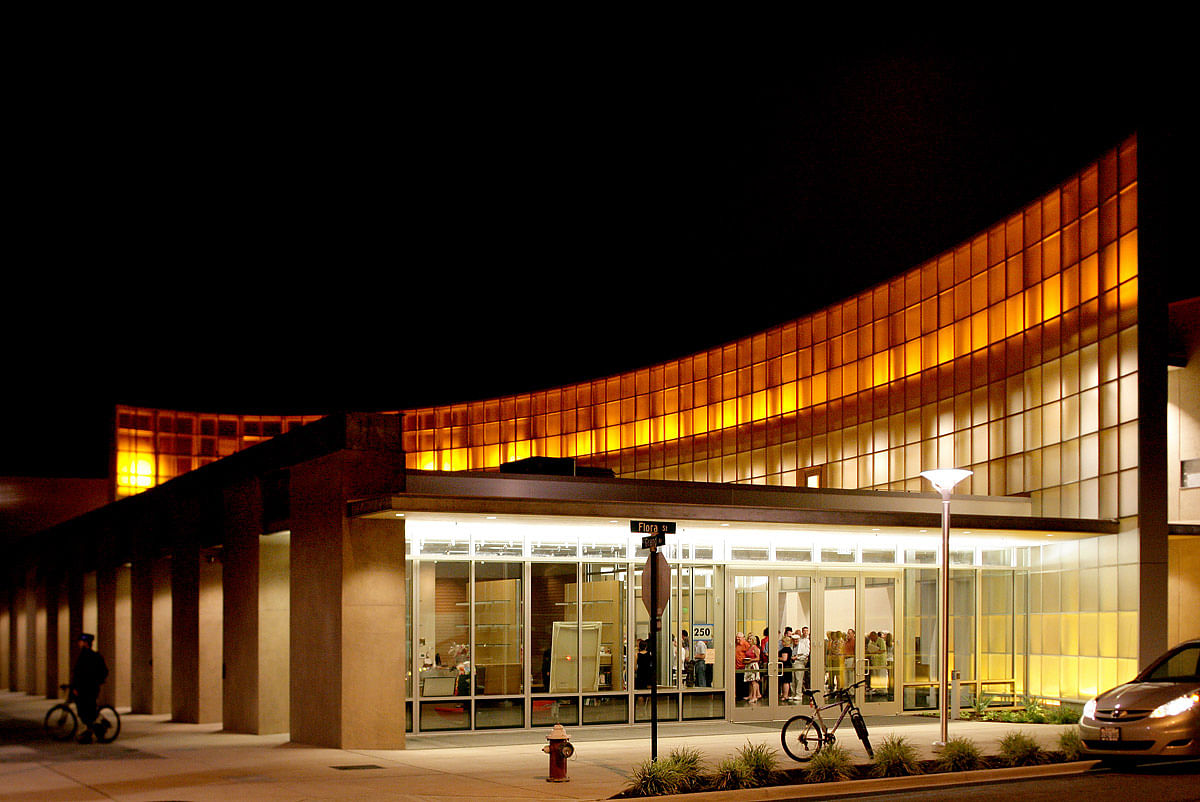
The Lightcatcher at the Whatcom Museum, Photo: Tim Bies/Olson Kundig Architects

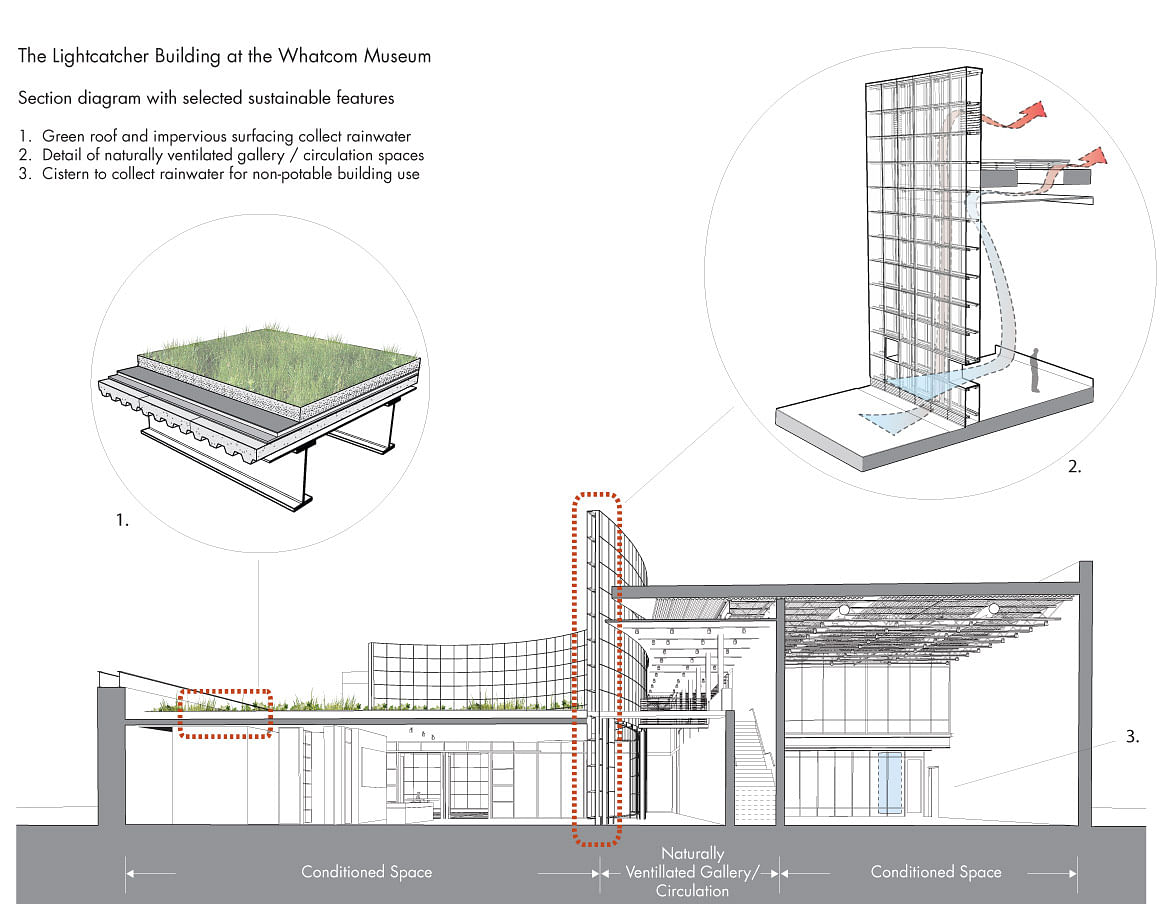
The building is 42,000 square feet. It is LEED registered and designed to LEED Silver level. Sustainable features include a green roof above the lobby, a rainwater harvesting system, pervious paving, double-skin curtain wall glazing at the lightcatcher wall, and natural ventilation in the public gathering spaces not housing art.

The Lightcatcher opened to the public on November 14, 2009.
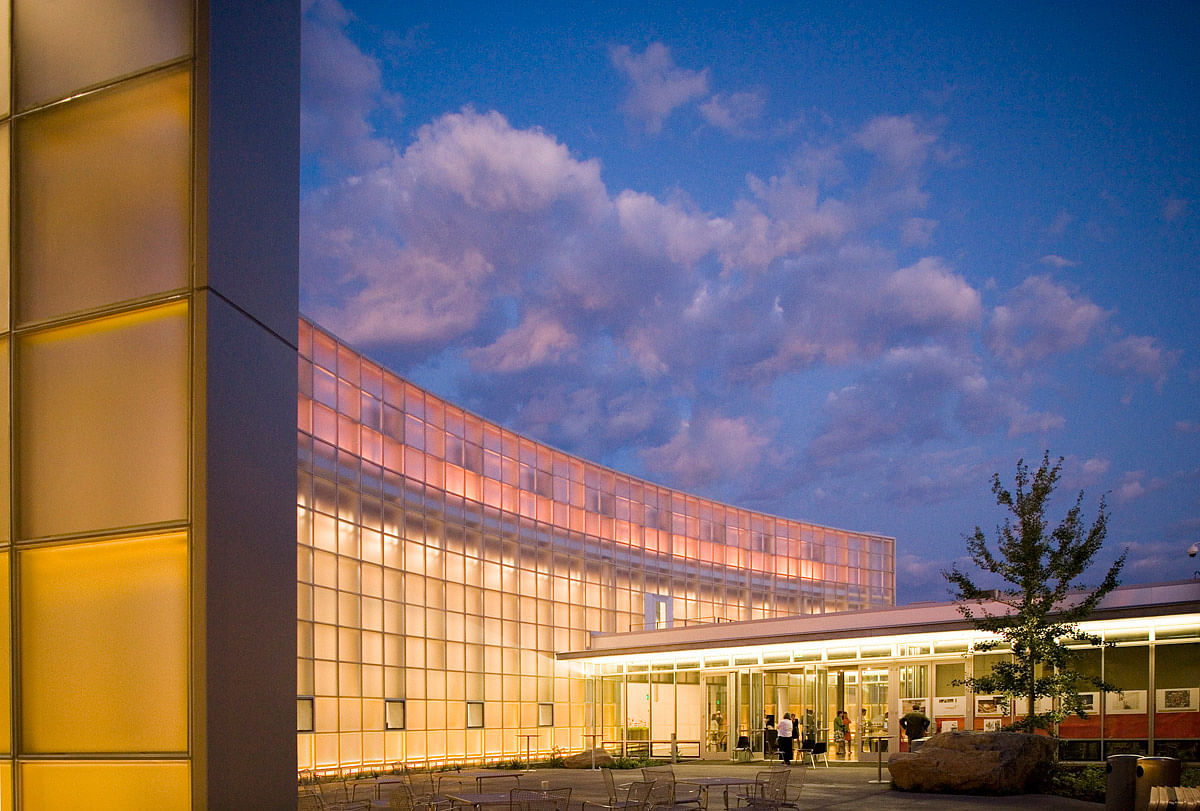
The Lightcatcher at the Whatcom Museum, Photo: Tim Bies/Olson Kundig Architects
The Lightcatcher at the Whatcom Museum, Floor plan 1, Image: Olson Kundig Architects
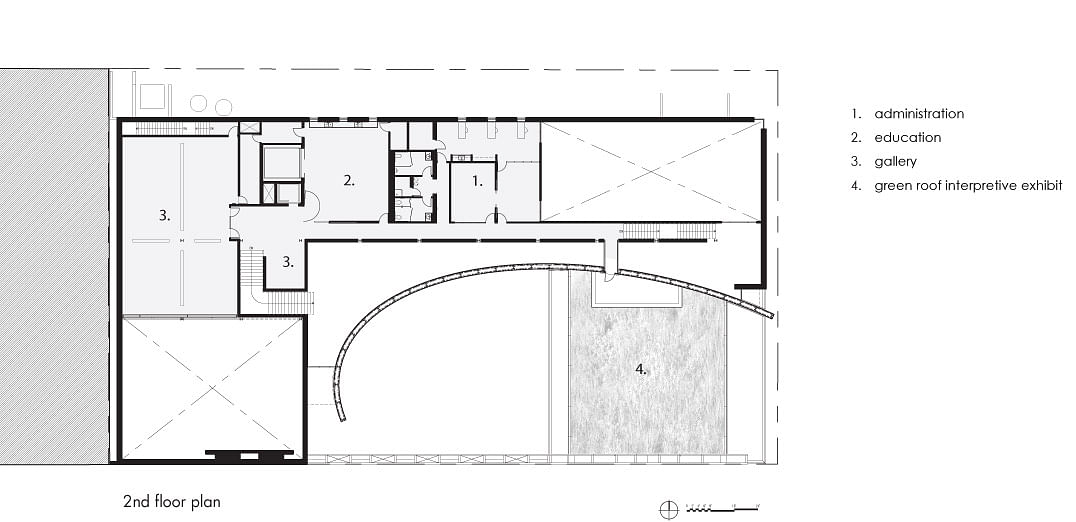
The Lightcatcher at the Whatcom Museum, Floor plan 2, Image: Olson Kundig Architects
The Lightcatcher at the Whatcom Museum, Section/summary, Image: Olson Kundig Architects


The Wing Luke Museum of the Asian Pacific American Experience
Seattle, WA, 2008

The Wing Luke Museum of the Asian Pacific American Experience, Photo: Lara Swimmer

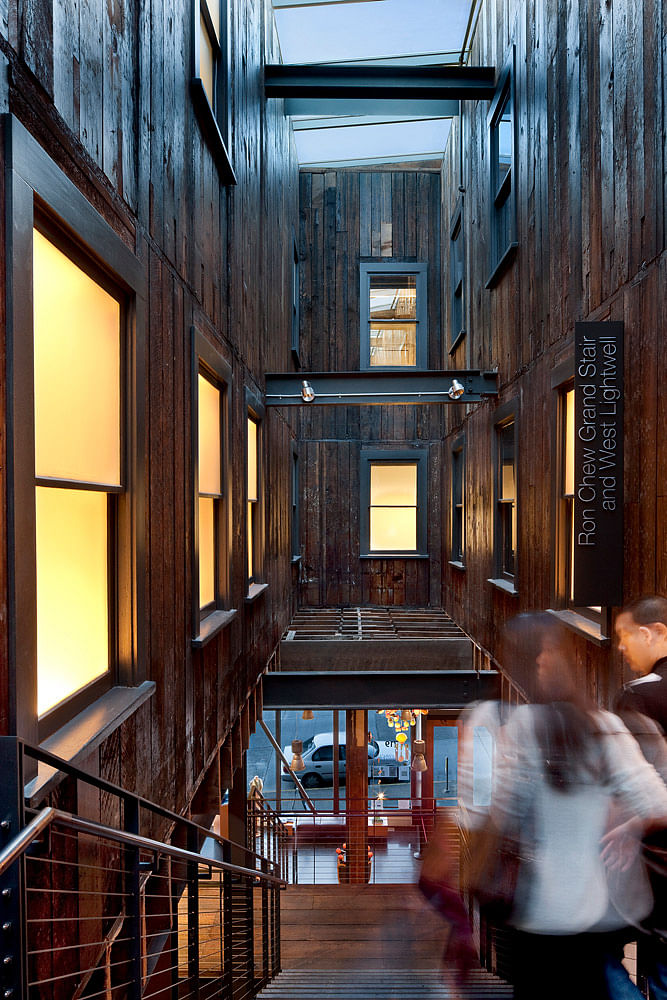
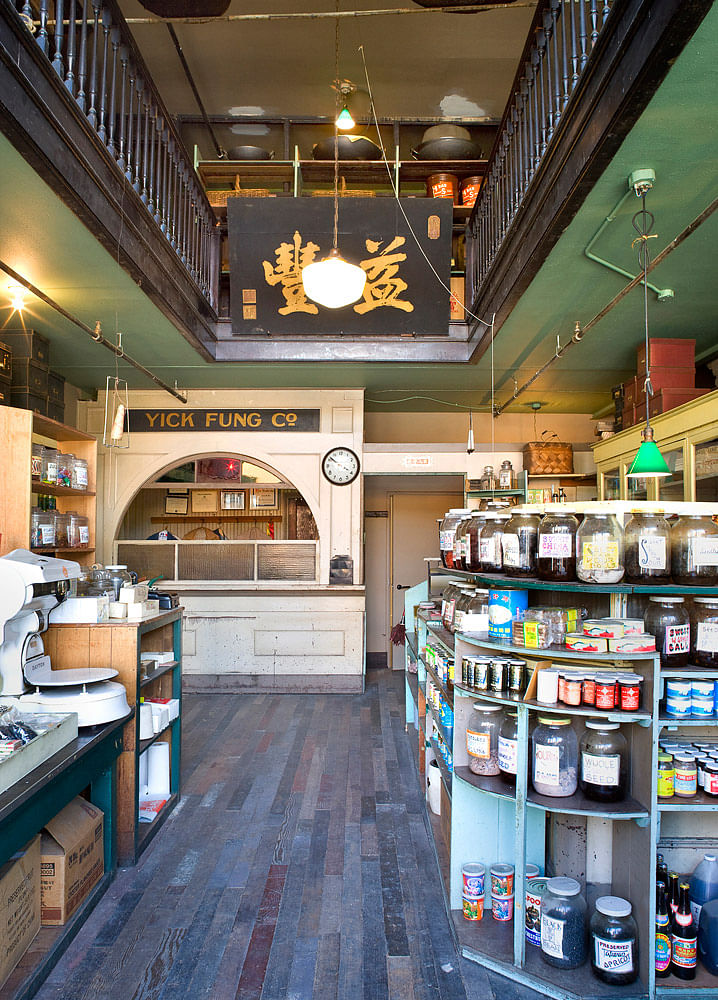
The Wing Luke Museum of the Asian Pacific American Experience, in Seattle’s Chinatown International District, provides space for community meetings and events, public space for the neighborhood, theater space for performances and presentations, exhibit spaces for community art and emerging Asian Pacific American artists, family-centered learning environments and leadership development for neighborhood youth. The design grew out of the original, 1910 multi-story building that served as a social center and living quarters for Chinese, Japanese and Filipino immigrants. Drawing inspiration from the building’s rich history, we saved as much of the original building as possible. In addition to building materials – such as timbers cut out between floors – the character and scale of the building were maintained. On the upper floors, original narrow doorways and corridors and small rooms preserve the intimacy of the original space, and are a venue for the museum’s immersion exhibits.

The Wing Luke Museum of the Asian Pacific American Experience, Photo: Lara Swimmer

Re-use and recycling play an important role in the building’s sustainable strategies. Windows and doors were repaired and reinstalled, fir joists were recycled as stair treads, and fire doors and other no longer “functional” objects served as inspiration for furniture and works of art. Operable windows and two-story lightwells encourage natural air flow, while transparency between adjacent spaces and floors allow daylight to filter down to the main entry level.

The Wing Luke Museum of the Asian Pacific American Experience, Photo: Lara Swimmer

Preservation and adaptive re-use guided the interiors for this multi-cultural museum and community center. Original building materials were salvaged and reused to maintain the original character of the building and minimize waste. Original zinc fire doors were refashioned to create the information desk. The main staircase makes use of fir timbers from the 1910 building and incorporates donor names and fiber optic lighting. Flooring and wall finishes in the building were kept very simple so as not to compete with changing exhibits. Rough materials from the old building (ex: fir floors and tin fire doors) are contrasted with new, smoother materials (drywall, MDF and steel). The Story Theater showcases the original back-drop from the Nippon Kan Theater, which was restored and mounted for hanging. The immersion exhibits on the upper floors maintain much of their original finishes. Original doors were cleaned and painted in the corridors leading to the museum’s administrative offices.

The Wing Luke Museum of the Asian Pacific American Experience, Photo: Lara Swimmer
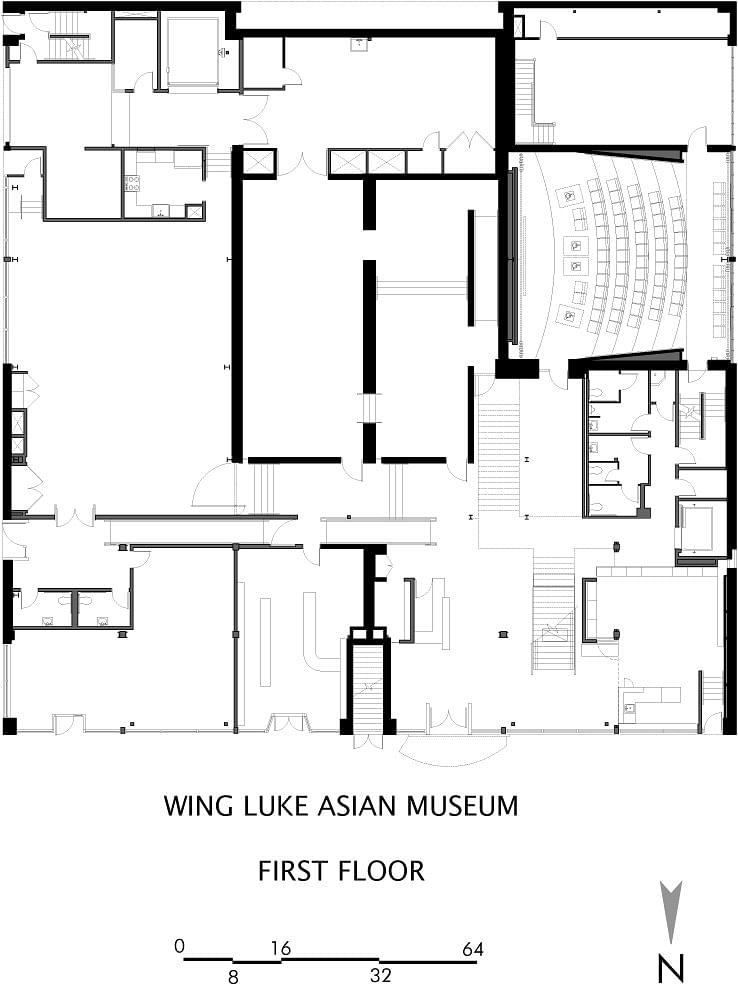
The Wing Luke Museum of the Asian Pacific American Experience, Floor plan 1, Image: Olson Kundig Architects
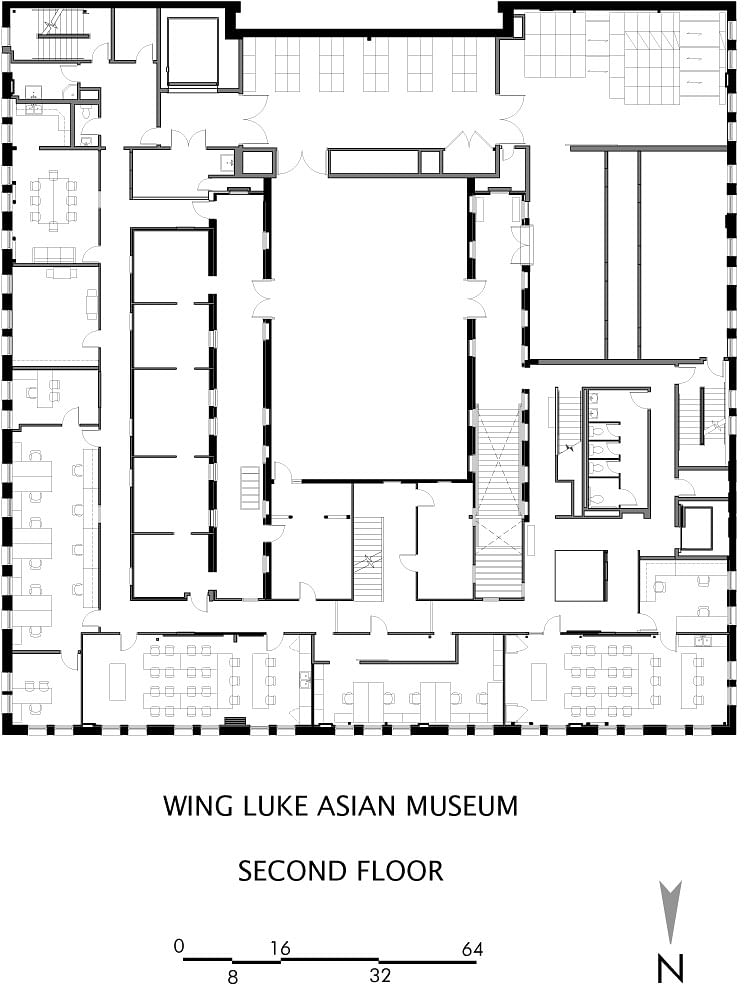
The Wing Luke Museum of the Asian Pacific American Experience, Floor plan 2, Image: Olson Kundig Architects
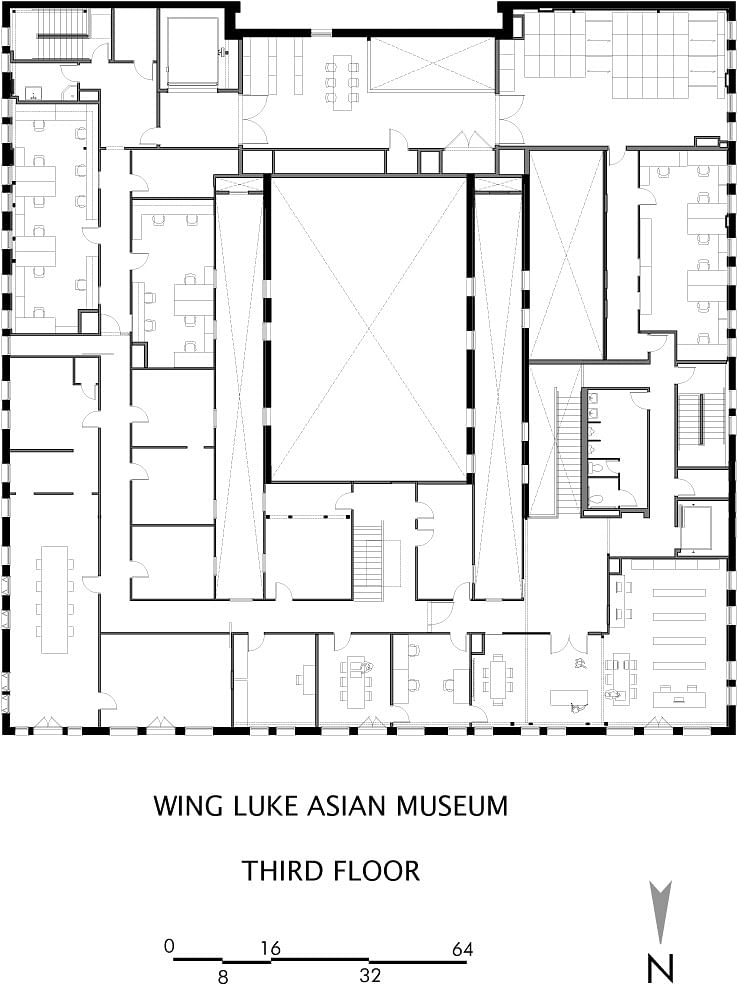
The Wing Luke Museum of the Asian Pacific American Experience, Floor plan 3, Image: Olson Kundig Architects
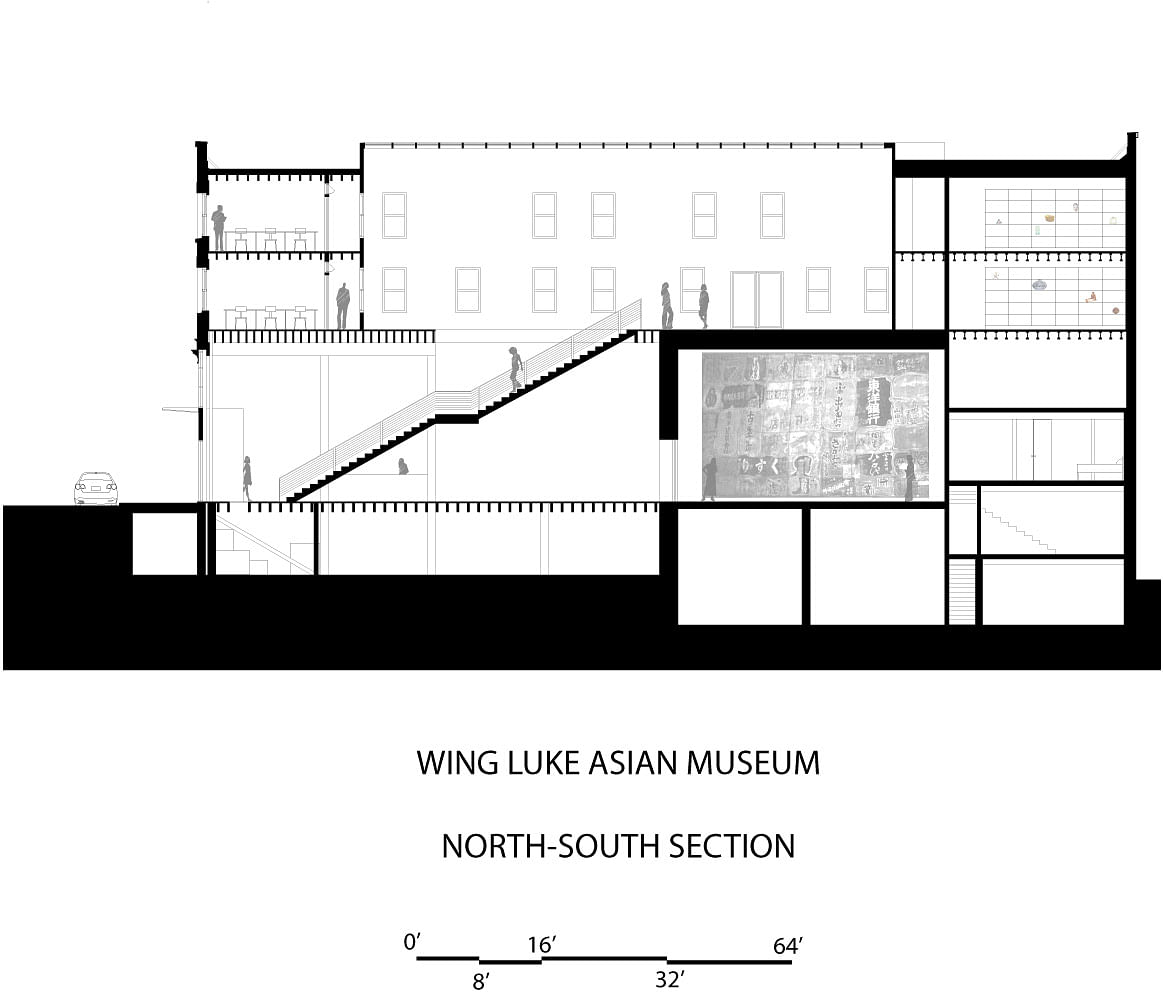
The Wing Luke Museum of the Asian Pacific American Experience, Section N-S, Image: Olson Kundig Architects
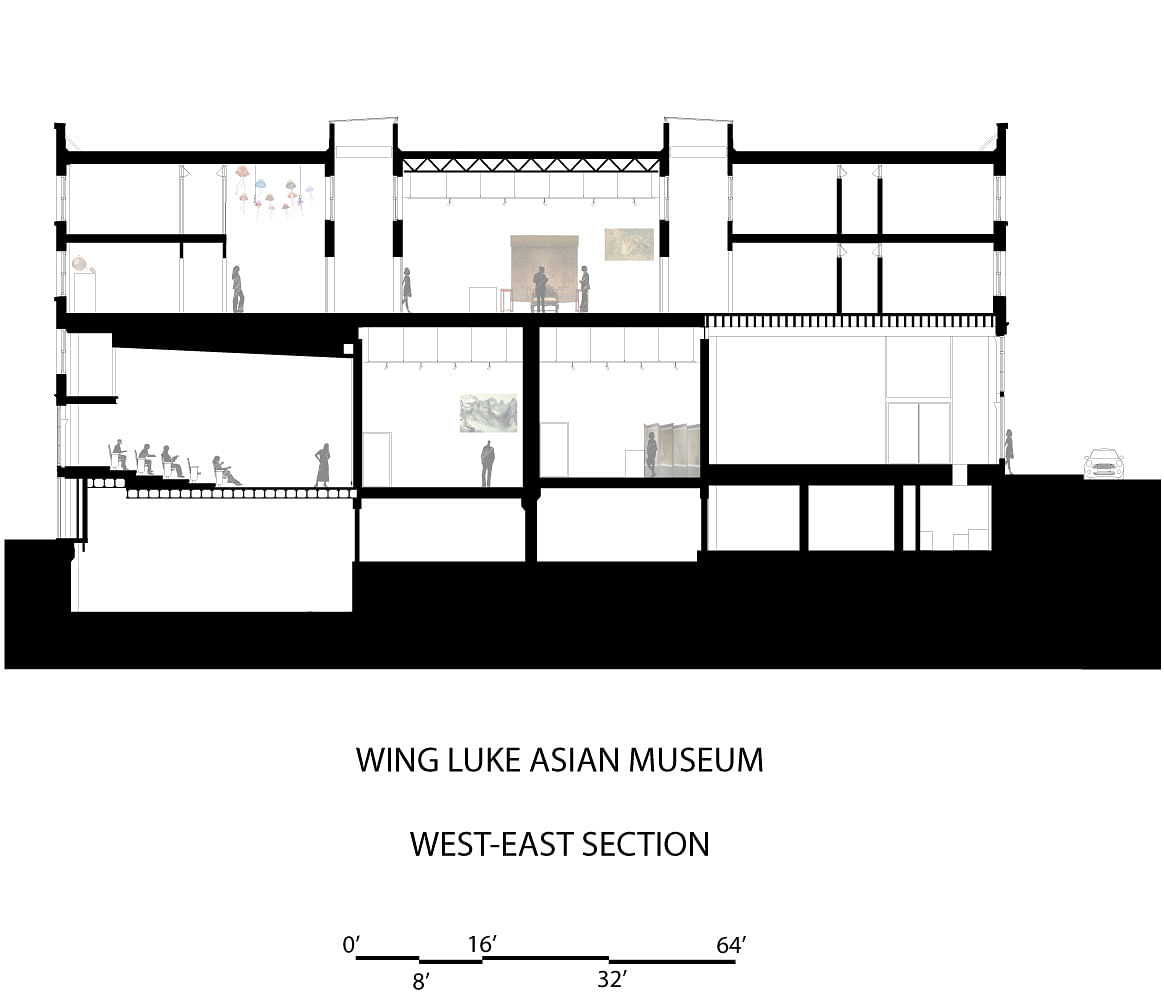
The Wing Luke Museum of the Asian Pacific American Experience, Section W-E, Image: Olson Kundig Architects

Related

wing luke museum ● whatcom museum ● washington ● usa ● seattle ● olson kundig architects ● museum ● lightcatcher ● bellingham ● award ● american architecture awards

Share

  • Follow

    0 Comments

  • Comment as :

Olson Kundig Architects Win Two American Architecture Awards

Sign up for Bustler's Email Newsletters

Next page » Loading

Olson Kundig Architects Win Two American Architecture Awards

By Bustler Editors|

Monday, Nov 1, 2010

Share

The Lightcatcher at the Whatcom Museum, Photo: Tim Bies/Olson Kundig Architects

Related

wing luke museum ● whatcom museum ● washington ● usa ● seattle ● olson kundig architects ● museum ● lightcatcher ● bellingham ● award ● american architecture awards

The Lightcatcher at the Whatcom Museum and the Wing Luke Museum of the Asian Pacific American Experience, two museum projects by Seattle-based Olson Kundig Architects, are among the recipients of the American Architecture Awards for 2010, given by The Chicago Athenaeum: Museum of Architecture and Design and The European Centre for Architecture Art Design and Urban Studies.

The awards will be presented in the “New World Architecture” exhibition at “The City and The World: Madrid Symposium” in Madrid, Spain. Organized by The Chicago Athenaeum, the exhibition will open on Thursday, November 4, 2010. After Madrid, the exhibition will travel to Contemporary Space Athens in Athens, Greece. In April, 2011 the exhibition is scheduled to travel to Istanbul.

The Lightcatcher at the Whatcom Museum
Bellingham, WA, 2009

The basic concept for this new $12.8 million museum is that of a museum turned inside out—to make the building as active on the outside as it will be on the inside. An iconic 36-foot-tall, 180-foot-long translucent wall, “the lightcatcher,” is conceived as the focal point and backdrop to a central courtyard that will become a new gathering place for the city. The exterior of the museum is an invitation to engage in art and allows pedestrians walking by to view the art and activity within.

The Lightcatcher at the Whatcom Museum, Photo: Tim Bies/Olson Kundig Architects

The building is 42,000 square feet. It is LEED registered and designed to LEED Silver level. Sustainable features include a green roof above the lobby, a rainwater harvesting system, pervious paving, double-skin curtain wall glazing at the lightcatcher wall, and natural ventilation in the public gathering spaces not housing art.

The Lightcatcher opened to the public on November 14, 2009.
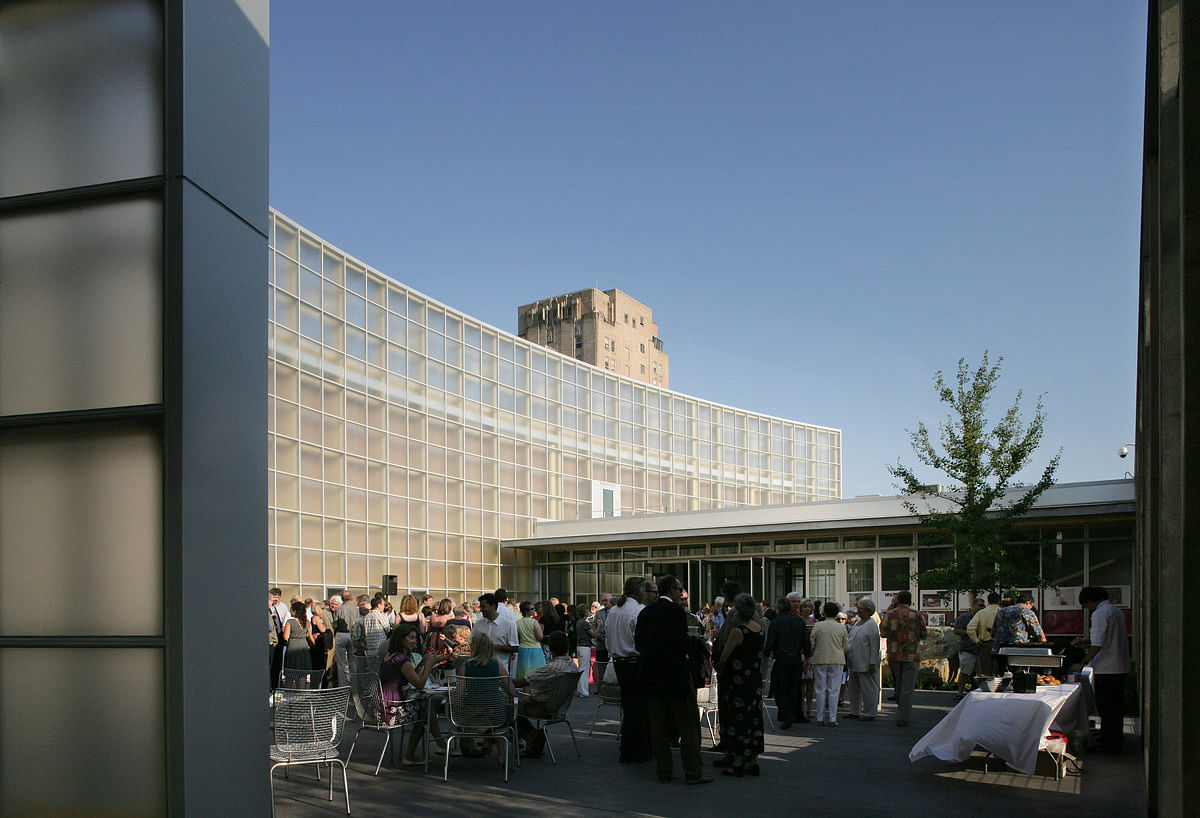
The Lightcatcher at the Whatcom Museum, Photo: Tim Bies/Olson Kundig Architects
The Lightcatcher at the Whatcom Museum, Floor plan 1, Image: Olson Kundig Architects
The Lightcatcher at the Whatcom Museum, Floor plan 2, Image: Olson Kundig Architects
The Lightcatcher at the Whatcom Museum, Section/summary, Image: Olson Kundig Architects


The Wing Luke Museum of the Asian Pacific American Experience
Seattle, WA, 2008
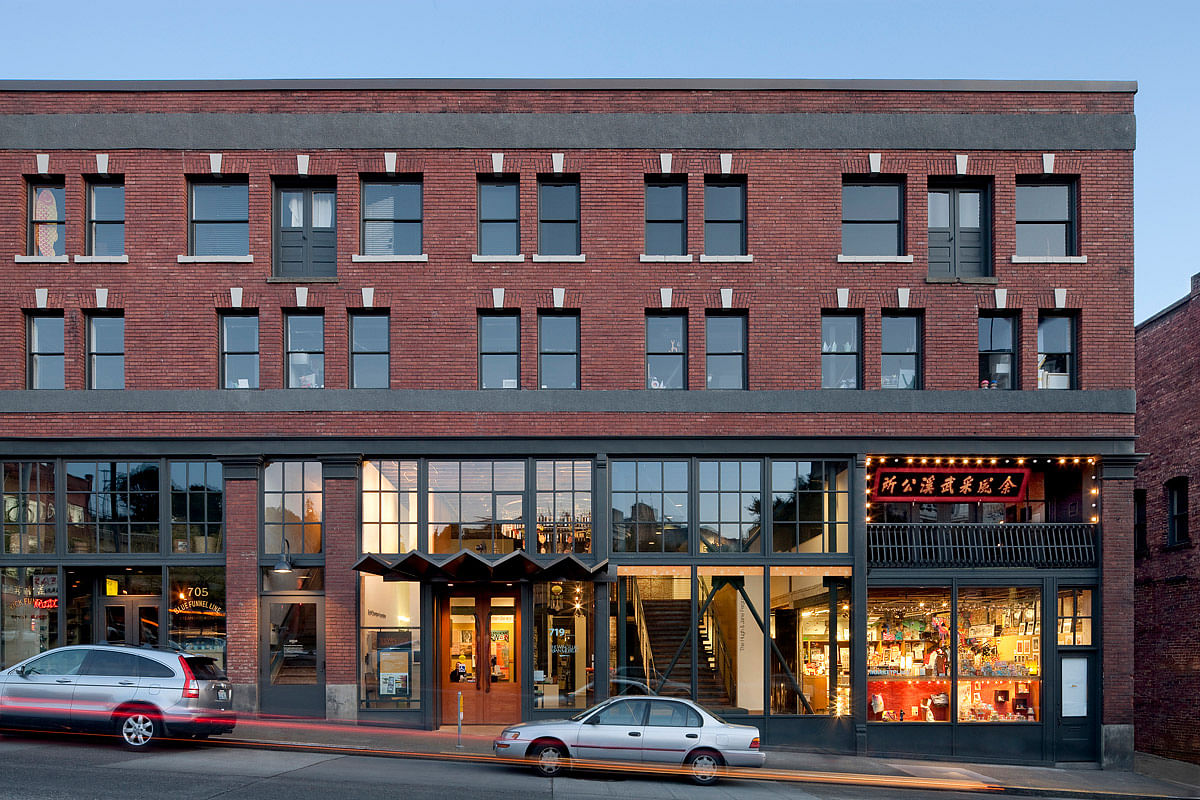
The Wing Luke Museum of the Asian Pacific American Experience, Photo: Lara Swimmer

The Wing Luke Museum of the Asian Pacific American Experience, in Seattle’s Chinatown International District, provides space for community meetings and events, public space for the neighborhood, theater space for performances and presentations, exhibit spaces for community art and emerging Asian Pacific American artists, family-centered learning environments and leadership development for neighborhood youth. The design grew out of the original, 1910 multi-story building that served as a social center and living quarters for Chinese, Japanese and Filipino immigrants. Drawing inspiration from the building’s rich history, we saved as much of the original building as possible. In addition to building materials – such as timbers cut out between floors – the character and scale of the building were maintained. On the upper floors, original narrow doorways and corridors and small rooms preserve the intimacy of the original space, and are a venue for the museum’s immersion exhibits.
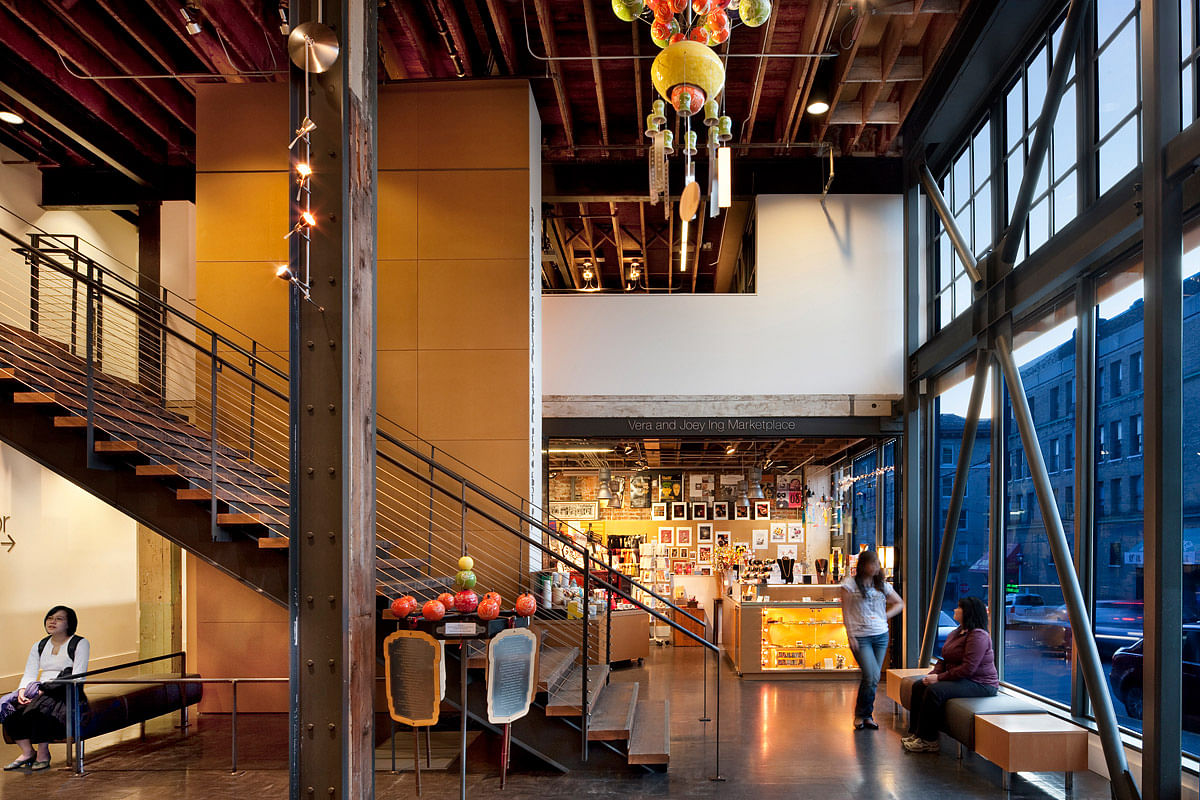
The Wing Luke Museum of the Asian Pacific American Experience, Photo: Lara Swimmer

Re-use and recycling play an important role in the building’s sustainable strategies. Windows and doors were repaired and reinstalled, fir joists were recycled as stair treads, and fire doors and other no longer “functional” objects served as inspiration for furniture and works of art. Operable windows and two-story lightwells encourage natural air flow, while transparency between adjacent spaces and floors allow daylight to filter down to the main entry level.
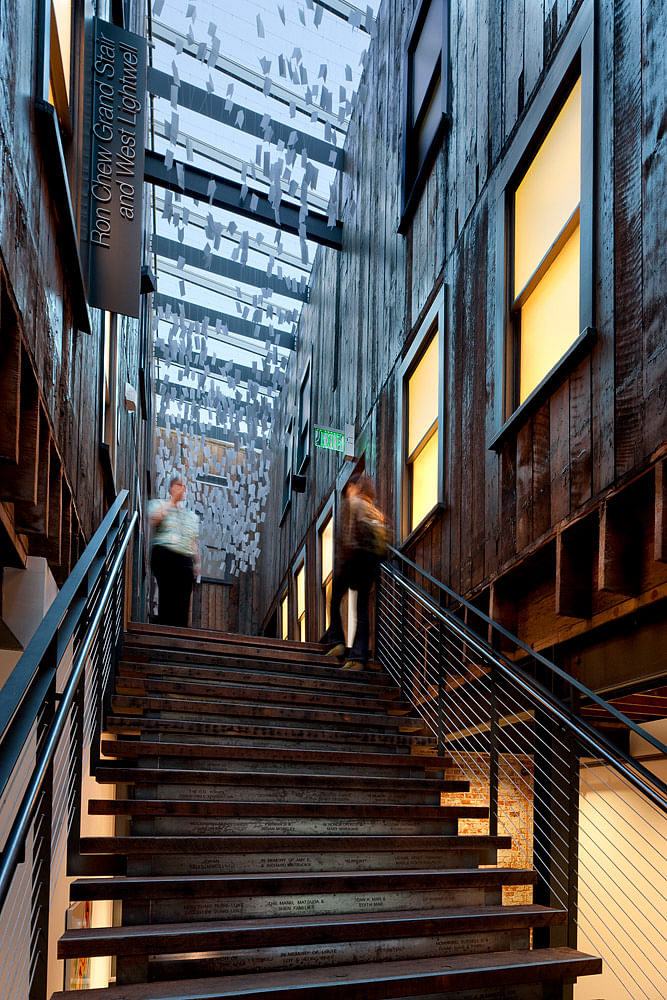
The Wing Luke Museum of the Asian Pacific American Experience, Photo: Lara Swimmer

Preservation and adaptive re-use guided the interiors for this multi-cultural museum and community center. Original building materials were salvaged and reused to maintain the original character of the building and minimize waste. Original zinc fire doors were refashioned to create the information desk. The main staircase makes use of fir timbers from the 1910 building and incorporates donor names and fiber optic lighting. Flooring and wall finishes in the building were kept very simple so as not to compete with changing exhibits. Rough materials from the old building (ex: fir floors and tin fire doors) are contrasted with new, smoother materials (drywall, MDF and steel). The Story Theater showcases the original back-drop from the Nippon Kan Theater, which was restored and mounted for hanging. The immersion exhibits on the upper floors maintain much of their original finishes. Original doors were cleaned and painted in the corridors leading to the museum’s administrative offices.
The Wing Luke Museum of the Asian Pacific American Experience, Photo: Lara Swimmer
The Wing Luke Museum of the Asian Pacific American Experience, Floor plan 1, Image: Olson Kundig Architects
The Wing Luke Museum of the Asian Pacific American Experience, Floor plan 2, Image: Olson Kundig Architects
The Wing Luke Museum of the Asian Pacific American Experience, Floor plan 3, Image: Olson Kundig Architects
The Wing Luke Museum of the Asian Pacific American Experience, Section N-S, Image: Olson Kundig Architects
The Wing Luke Museum of the Asian Pacific American Experience, Section W-E, Image: Olson Kundig Architects

Share

  • Follow

    0 Comments

  • Comment as :

Archinect JobsArchinect Jobs

The Archinect Job Board attracts the world's top architectural design talents.

VIEW ALL JOBS POST A JOB

Architectural Designer

jones | haydu

Architectural Designer

San Francisco, CA, US

Architectural Project Manager - Multifamily

DAHLIN ARCHITECTURE | PLANNING | INTERIORS

Architectural Project Manager - Multifamily

Irvine, CA, US

Project Architect/ Designer

Nandinee Phookan Architect, P.C.

Project Architect/ Designer

New York, NY, US

Marketing and Architectural Assistant

AGENCIE / Architecture & Engineering

Marketing and Architectural Assistant

New York, NY, US

Project Architect

AYON Studio

Project Architect

New York, NY, US

 Intermediate Architect

Curtis + Ginsberg Architects LLP

Intermediate Architect

New York, NY, US

Project Architect

jones | haydu

Project Architect

San Francisco, CA, US

Site Planning and Master Development Consultant, Part-Time / Hybrid

Naim Associates Inc.

Site Planning and Master Development Consultant, Part-Time / Hybrid

West Hollywood, CA, US

Junior to Intermediate Architect

Totum

Junior to Intermediate Architect

Sherman Oaks, CA, US

Intermediate Architect (Advanced Revit User)

O'Neil Langan Architects

Intermediate Architect (Advanced Revit User)

New York, NY, US

Next page » Loading